Can Dogs Have Peppermint?



Photo by Natalia Miachikova/iStock/Getty Images Plus
Peppermint is known for its cool, refreshing taste and is used in a variety of products, including teas, candies, toothpaste, and essential oils. Its widespread use means a curious pooch could get their paws on it. But can dogs have peppermint?
The answer depends on the form of peppermint and the amount consumed. For instance, very small amounts of peppermint leaves are generally safe for dogs to consume, while peppermint candies should be kept off the doggy menu entirely.
Key Takeaways
- Not all peppermint is safe for dogs. Wintergreen, pennyroyal, and peppermint essential oil can be toxic.
- Peppermint candies, gums, and chocolates often contain harmful ingredients like xylitol and theobromine.
- Some dog products contain safe, vet-approved levels of peppermint oil. Always follow dosage instructions.
- If your dog ingests a risky form of peppermint, call your vet or a poison control hotline immediately.
Is Peppermint Safe for Dogs? A Guide to Different Forms
Not all peppermint products pose the same risk to dogs. Here’s what you need to know about the most common forms.
Fresh Mint Leaves
While some pet parents use fresh mint to freshen their dog’s breath or support digestion, it’s best to skip it. Even small amounts of certain mint varieties can upset your dog’s stomach, and some types are highly toxic.
- Peppermint (Mentha × piperita): Avoid giving peppermint leaves to your dog. It’s easy for them to eat too much, which can irritate the mouth and digestive tract, leading to vomiting or diarrhea.
- Spearmint (Mentha spicata): The mint most commonly found in grocery stores and home gardens, spearmint can also cause gastrointestinal upset if your dog eats too much.
- Wintergreen: Despite often being grouped with mints, wintergreen isn’t actually a true mint—and it’s highly toxic to dogs. It contains methyl salicylate, an aspirin-like compound that can cause vomiting, confusion, kidney problems, and liver failure.
- Pennyroyal: Pennyroyal is another mint that should always be avoided. It contains pulegone, a compound that can cause vomiting, diarrhea, and severe liver damage.
Peppermint Candy and Chocolate
Peppermint-flavored treats are never a good choice for dogs because they often contain ingredients that are dangerous—even in small amounts.
- Hard candies, candy canes, chewing gum, and breath mints: Many peppermint candies and gums contain xylitol, a sugar substitute that’s extremely toxic to dogs and can cause dangerously low blood sugar, seizures, coma, or liver damage. They can also pose choking hazards, and swallowed wrappers may cause an intestinal blockage.
- Peppermint chocolate: Chocolate contains caffeine and theobromine, which are toxic to dogs and can cause restlessness, increased thirst and urination, abnormal heart rhythms, muscle tremors, seizures, and, in severe cases, death.
Peppermint Essential Oil
Peppermint essential oil is much more concentrated than fresh peppermint, making it one of the riskiest forms of peppermint for dogs.
- If swallowed: Human peppermint essential oil can cause drooling, vomiting, diarrhea, seizures, and even liver failure.
- If inhaled: Diffusing peppermint oil may irritate your dog’s airways, leading to coughing, wheezing, or difficulty breathing. Oil droplets can also settle on the fur and be swallowed during grooming.
- If applied to the skin: Peppermint oil can irritate the skin, nose, and mouth, and grooming increases the risk of ingestion and toxicity.
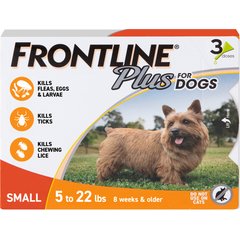
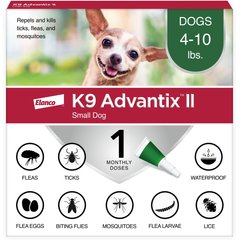
- Dog-specific products: Some dog supplements, dental products, and flea shampoos contain tiny amounts of peppermint oil that are formulated to be safe when used as directed. Never substitute these with human peppermint essential oil. If you’re looking for flea and tick protection, ask your veterinarian about proven preventives, such as Frontline Plus or K9 Advantix II.
Recommended Products
Peppermint Tea
Fresh water should always be your dog’s drink of choice.
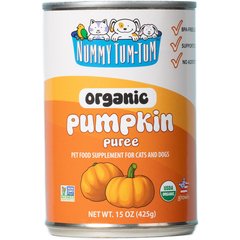
Some people recommend peppermint tea to soothe an upset stomach, but it shouldn’t be your first option. Instead, feed a bland diet of easy-to-digest foods, such as chicken, rice, and pumpkin for a couple of days.
Recommended Product
If your dog’s stomach doesn’t improve, schedule a visit with your veterinarian.
What To Do if a Dog Eats Peppermint or Other Types of Mint
What you should do depends on what type of peppermint or mint your dog ate and how much they consumed.
Call your veterinarian or an animal poison helpline like Pet Poison Helpline (855-764-7661) for advice if your dog ate:
- Large amounts of fresh peppermint or spearmint
Go to your veterinarian or the nearest emergency clinic immediately if your dog ate:
- Any amount of wintergreen or pennyroyal
- Peppermint candy containing xylitol
- A large amount of chocolate (more than 1.5 ounces of dark chocolate or 3.5 ounces of milk or semisweet chocolate per 10 pounds of body weight)
- Peppermint essential oil (unless it was included in a dog-specific product and used as directed)
While some forms of peppermint may be safe in very small amounts, it’s best to play it safe and keep peppermint products out of your dog’s reach unless your veterinarian says otherwise.
Attributions
Expert input provided by Amber Karwacki, DVM, veterinarian at Heart + Paw Callowhill in Philadelphia, Pennsylvania.