10 Common Anxiety Meds for Dogs


Photo by Chewy
This content was written by a veterinary professional to answer your most common questions about this topic. This content shouldn’t take the place of advice from your vet. No writer or qualified reviewer has received any compensation from the manufacturer of any medication as part of creating this article.
Dogs can experience anxiety that affects their overall well-being.
A little anxiety is normal, especially when dogs encounter something new or experience a change in routine. But if your dog can’t settle back down, their anxiety worsens, or self-injury occurs, your veterinarian may prescribe anxiety meds for dogs to help manage their symptoms.
Consult your veterinarian before giving your dog any medication. Your vet can assist with appropriate dosage amounts and provide guidance on managing your dog’s symptoms.
Key Takeaways
- Anxiety meds for dogs are prescription medications used to treat conditions like separation anxiety, noise phobias, and generalized anxiety.
- Common dog anxiety meds include Reconcile, Clomicalm, fluoxetine, trazodone, and alprazolam, all of which work by affecting brain chemicals linked to stress.
- Anti-anxiety meds for dogs are often prescribed alongside behavior modification and environmental management.
- Always consult your veterinarian before giving your dog any anxiety medication.
What Are Anti-Anxiety Meds for Dogs?
Anti-anxiety meds for dogs are medications prescribed by veterinarians to help your dog feel calmer and more relaxed, making it easier for them to learn and respond to behavior training.
When Do Vets Prescribe Anxiety Meds for Dogs?
Vets prescribe anti-anxiety medications alongside behavior modification plans when:
- A dog injures themself
- A dog damages household items when left alone
- A dog experiences significant distress that affects their quality of life
- A dog may be at risk of no longer staying in the home
10 Common Anxiety Meds for Dogs
The medications below are listed based on common veterinary prescribing practices—starting with FDA-approved options for dogs, followed by other commonly used medications.
These medications require a prescription, and you should only give them to your dog under veterinary supervision. Never give your dog medication without consulting your veterinarian.
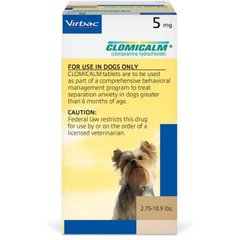
1. Clomicalm (Clomipramine)
- Generally used to treat: Separation anxiety, noise phobia, repetitive behaviors
- How it works: A tricyclic antidepressant medication (TCA) that increases the levels of the nervous system messengers, serotonin and norepinephrine, which affect mood
- Potential side effects: Excessive sleepiness, vomiting, diarrhea, increased heart rate, dry mouth, decreased appetite
Recommended Product
2. Reconcile (Fluoxetine)
- Generally used to treat: Separation anxiety, fear, compulsive behaviors, impulsivity
- How it works: A selective serotonin reuptake inhibitor (SSRI) that increases the amount of serotonin to help the brain regulate mood and behavior
- Potential side effects: Loss of appetite, lethargy, vomiting, diarrhea, muscle tremors, restlessness, excessive whining
Recommended Product

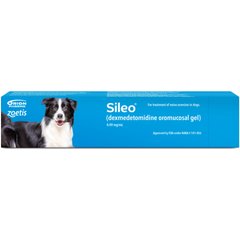
3. Sileo (Dexmedetomidine)
- Generally used to treat: Situational anxiety, noise phobia
- How it works: An alpha-2-adrenergic agonist that depresses activity in certain parts of the brain, resulting in reduced anxiety and relaxation
- Potential side effects: Grogginess, vomiting, weakness, loss of balance, sedation, head tremor, inappropriate urination
Recommended Product
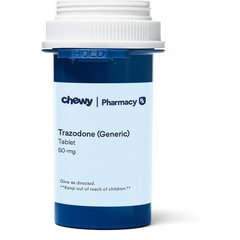
4. Trazodone
- Generally used to treat: Situational anxiety, separation anxiety, noise phobia
- Common brand names: Desyrel (human-labeled medication used off-label in dogs)
- How it works: A serotonin antagonist and reuptake inhibitor (SARI) that increases serotonin levels and blocks specific receptors to reduce anxiety
- Potential side effects: Vomiting, diarrhea, nausea
Recommended Product
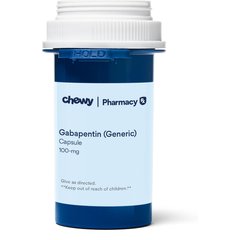
5. Gabapentin
- Generally used to treat: Situational anxiety, noise phobia
- Common brand names: Neurontin (human-labeled medication used off-label in dogs)
- How it works: An anti-seizure medication that slows down excitatory messengers in the brain involved in anxiety
- Potential side effects: Grogginess, loss of balance
Recommended Product
6. Alprazolam
- Generally used to treat: Situational anxiety, such as fear of fireworks, thunderstorms, travel, or vet visits
- Common brand names: Xanax (human-labeled medication used off-label in dogs)
- How it works: A member of the benzodiazepine class of sedatives that enhances calming brain chemicals to reduce fear and panic
- Potential side effects: Lethargy, sedation, incoordination, increased appetite
7. Paroxetine
- Generally used to treat: Anxiety, compulsive disorder
- Common brand names: Paxil (human-labeled medication used off-label in dogs)
- How it works: An SSRI that increases the levels of serotonin in the nervous system to regulate mood and behavior
- Potential side effects: Lethargy, reduced appetite, diarrhea, vomiting, hyperactivity, constipation
8. Sertraline
- Generally used to treat: Separation anxiety, generalized anxiety, thunderstorm phobia, compulsive behavior
- Common brand names: Zoloft (human-labeled medication used off-label in dogs)
- How it works: An SSRI that increases the levels of serotonin to help decrease stress and anxiety
- Potential side effects: Decreased appetite, vomiting, diarrhea, irritability, panting
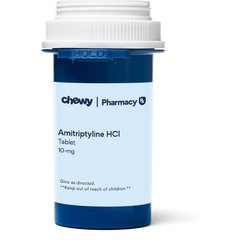
- Generally used to treat: Separation anxiety, reactivity, generalized anxiety
- Common brand names: Elavil (human-labeled medication used off-label in dogs)
- How it works: A member of the tricyclic antidepressant class of medications (TCA) that increases chemical messengers in the brain, serotonin and norepinephrine, to affect mood
- Potential side effects: Constipation, lethargy, excessive sleepiness, holding of urine, vomiting, diarrhea
Recommended Product
10. Diazepam
- Generally used to treat: Situational anxiety, panic disorders, noise phobia
- Common brand names: Valium (human-labeled medication used off-label in dogs)
- How it works: A benzodiazepine that helps slow down, stabilize, and calm the nervous system
- Potential side effects: Grogginess, loss of balance, overexcitement, increased appetite
What Can I Give My Dog for Anxiety Besides Prescription Meds?
Besides prescription medications, there are other ways to help decrease your dog’s anxiety. Veterinarians may recommend:
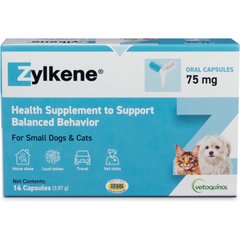
- Natural calming supplements, such as Zylkene or Composure

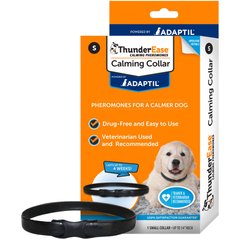
- Calming pheromones, like the ThunderEase diffuser and collar
Recommended Products

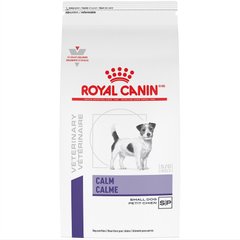
- Therapeutic anti-stress diets, like Royal Canin Calm
Recommended Product
- Plenty of exercise, play, and mental enrichment, like food puzzles
Recommended Product

- Calm arrivals and departures
- A safe space for independent time
- A regular daily routine
Always start with a vet visit first to discuss your dog’s anxiety to help determine the cause and how best to treat it. Never give your dog medication without consulting your veterinarian.
FAQs About Dog Anxiety Meds
Can anxiety meds help with dog aggression?
Yes. Some medications can help reduce dog aggression by lowering underlying anxiety and fear, but they don’t cure aggression. Behavior modification and trigger management are still essential.
How long do anxiety meds take to work in dogs?
It depends on the medication your vet prescribes. Some work within minutes to hours, while others can take up to six weeks to take full effect.
Are anxiety meds safe for dogs long term?
Often, yes. Many are safe for long-term use in healthy dogs when prescribed and monitored by a veterinarian after appropriate exams and testing.
Can I give my dog human anxiety medication?
No. Human medications can be unsafe for dogs and require different dosing. Only give medications prescribed by your veterinarian.
Do anxiety meds make dogs sleepy?
Sometimes. When your dog needs to be sedated, such as during thunderstorms or fireworks, some anxiety meds do make dogs sleepy on purpose. While some long-term anxiety drugs cause grogginess at first, this often self-resolves and is often avoided, as your vet may start your pup on a lower dosage.
Attributions