8 Natural Flea Remedies for Cats and Dogs


Photo by MelkiNimages/E+
Prescription and over-the-counter flea treatments remain the most effective way to kill and prevent fleas on dogs and cats.
But if your pet is too young for flea medications—or if you’re looking for additional ways to protect your home—you might consider natural flea remedies.
The question is, which natural flea remedy for dogs and cats actually works?
Here’s which ones to trust—so you can avoid any serious trouble.
Key Takeaways:
- Natural flea remedies for cats and dogs may help to support flea prevention efforts but are not a substitute for vet-recommended flea preventives.
- Home flea-busting strategies like vacuuming, washing pet bedding, and using diatomaceous earth may help to reduce the presence of fleas.
- Your vet should always be in the loop about any flea and tick prevention.
- Flea dips are outdated and potentially harmful to pets; modern year-round flea preventives are safer and more effective.
Natural Flea Remedies for Your Home
First off, it’s important to note that according to the American Veterinary Medical Association, the most effective strategy for flea control is a combination of consistent flea medication and environmental management.
“Most natural flea remedies do not have a large body of scientific evidence behind them, and while many may have some positive effect, none are likely to be enough in the face of a flea infestation,” says Daniel Dixon, BVM&S, veterinarian and founder of North Keller Animal Hospital in Keller, Texas.
Always include your veterinarian in any conversation about flea control and prevention.
That said, the following strategies are a good starting point to promote a healthy home for your pet.
Vacuum Frequently
“Flea eggs hide in carpet fibers,” says Nichole Aldrich, DVM, veterinarian and learning and development manager at Lovet Pet Health Care in Surprise, Arizona.
It’s important to vacuum often and thoroughly—along baseboards, under and behind furniture, and in all those tucked-away corners where eggs or larvae might be hiding. After all, one female flea can lay up to 50 eggs a day!
After vacuuming, empty the vacuum bag or canister right away. Steam cleaning carpets and furniture in addition to vacuuming can help tackle any stubborn eggs, larvae, or fleas.
Wash Pet Bedding Often
Wash your pet’s bedding in hot, soapy water. While you’re at it, wash your bedding too.
Stay on Top of Lawn Care
A well-maintained lawn is a natural way to help keep fleas from hitching a ride on your pet. Tall grasses, overwatered areas, and organic debris like leaves and brush can create breeding grounds for fleas and ticks, Dr. Aldrich says.
According to David Price, associate certified entomologist and vice president of strategic growth at Mosquito Joe, fleas can survive outdoors year-round in the southern and western United States.
In other regions, flea season typically runs from early spring through fall, though our warming climate is extending that window.
Try Diatomaceous Earth
Diatomaceous earth is a natural powder made from crushed fossilized algae. When insects come into contact with it, the powder sticks to them, absorbing oils and fats. This causes pests to dry out and die.
While diatomaceous earth can be a natural alternative to chemical pesticides, it shouldn’t be applied directly to pets because it can dry out their skin, irritate their eyes, or be harmful if inhaled.
Double down on your yard maintenance by sprinkling diatomaceous earth in areas where fleas might live, like the shaded area under your deck.
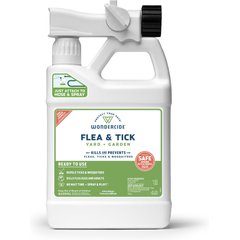
Follow up with Wondercide Natural Flea, Tick & Mosquito Yard & Garden Spray. This nontoxic, pet-safe spray uses essential oils to help repel fleas, ticks, and mosquitoes without harming your plants or pets.
Indoors, you can also lightly sprinkle diatomaceous earth, but be mindful not to use it where you or your pet can breathe it in.
Recommended Product
Use Pet-Safe Cleaning Products
While natural cleaning products alone won’t eliminate a flea infestation, they can help by removing flea eggs, larvae, pet dander, and organic debris, says Jason Napolski, CEO and president of A-Tex Pest Management in Austin, Texas.
But here’s the catch: natural doesn’t always mean safe or effective.
“There’s no standardized definition of ‘natural’ enforced by agencies like the Environmental Protection Agency or the Federal Food and Drug Administration when it comes to household cleaning products,” Napolski explains.
That means it’s up to you to read labels carefully:
- Look for third-party certifications or products explicitly labeled as pet-safe
- Avoid essential oils like tea tree (also known as melaleuca oil), clove, citrus (limonene), wintergreen, peppermint, cinnamon, pennyroyal, sweet birch, Ylang Ylang, and eucalyptus
- Steer clear of phenols (common in pine cleaners), ammonia, chlorine, and formaldehyde
Natural Flea Remedies for Dogs and Cats
If you’re looking for natural flea remedies for cats or dogs, the bad news is that there’s no magic solution.
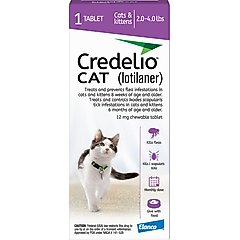
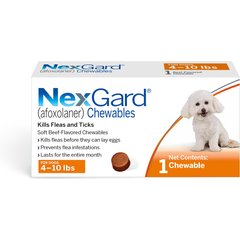
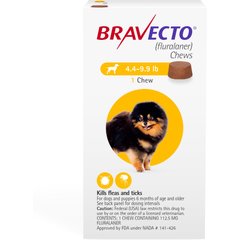
“Prescription flea preventives are the safest and most effective option,” says Dr. Dixon, who recommends trusted formulations such as Credelio, Simparica (for dogs), NexGard, and Bravecto.
Recommended Products
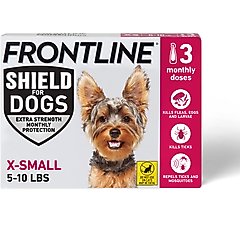
For an over-the-counter option, he recommends Frontline.
Recommended Product
Bathing
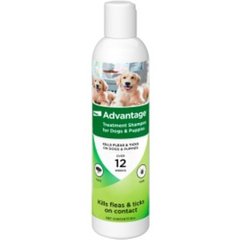
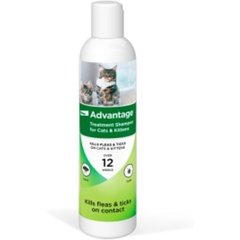
If your pet meets the minimum age requirements (typically 8–12 weeks for puppies and kittens, depending on their weight, overall health, and the specific product used), you can bathe them with a gentle shampoo, like Advantage Flea & Tick Treatment Shampoo for dogs and for cats, which kills adult fleas.
If your pet is too young for flea medication or you need a quick way to provide some relief while waiting to see your vet, bathing with Dawn dish soap can be “a quick and safe way to kill fleas,” says Dr. Dixon. “However, this should not be used as a long-term control strategy—just as a bridge until you can see your vet for effective prevention.”
Fleas make pets itch—a lot. Pets may start chewing at their skin or scratching so excessively that they break the skin, leading to redness and irritation.
Often, pets with flea allergy dermatitis also need treatment for secondary skin infections, says Kelli Spiker, DVM, a vet at Lovet Pet Health Care.
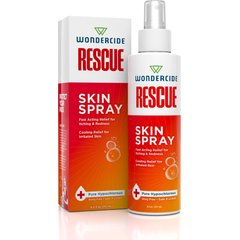
After your pet has had their bath, help soothe irritated skin and reduce itching by applying a natural anti-itch remedy such as Wondercide Rescue Skin Spray Liquid Supplement for Dogs & Cats.
Recommended Products
Flea Comb Checks
Not sure if your pet has fleas? Flea combs let you easily catch adult fleas, flea dirt (flea feces), and eggs in your pet’s coat. They’re especially helpful for kittens and puppies who are too young for routine flea medications.
Look for a comb like the Frisco Flea Comb, which features extra-fine, closely spaced teeth designed to trap even tiny flea eggs and dirt as you groom.
“Flea combs can be used as often as daily or every other day when monitoring an active infestation, or weekly as part of routine grooming or during warmer months,” Dr. Aldrich explains.
If you do catch fleas with the comb, drop them into isopropyl alcohol to kill them immediately. Be sure to let your veterinarian know right away.
Essential Oils
Pet parents searching for a natural flea remedy for dogs or cats might turn to essential oils—but not so fast.
Certain essential oils can be toxic to animals, particularly cats, cautions Dr. Aldrich. Whether applied externally or internally, essential oils can pose serious health risks.
When it comes to killing fleas, there’s little scientific evidence to support essential oils’ effectiveness. Worse yet, using them incorrectly could put your pet at risk.
If you’re set on trying an essential oil to repel and kill fleas, don’t mix your own. Only use a commercially formulated product from a trusted brand as directed, such as Wondercide Natural Flea, Tick & Mosquito.
Always consult your veterinarian first.
Flea Remedies To Avoid
Flea Dips
Flea dips are liquid parasiticide treatments that are sponged or poured over a pet and left to dry. They were originally used on farm animals and later adopted for cats and dogs.
But today, flea dips are no longer considered safe or recommended. Flea dips can be toxic, don’t provide lasting protection, and can be very stressful for pets, Dr. Aldrich says.
Fleas aren’t just a nuisance—they can carry diseases and transmit parasites like tapeworms. In young pets, severe infestations can even be life-threatening.
While it’s natural to want to avoid harsh chemicals, experts assure that year-round flea preventives are safe, effective, and essential for protecting your pet.
FAQs About Natural Flea Remedies
Is there an instant homemade flea killer?
No, there is no instant homemade flea killer that’s both safe and effective for your pet. However, if your pet is too young for flea medications or you need a temporary solution between vet visits, you can bathe them with Dawn dish soap and use a flea comb to remove fleas, flea dirt, and eggs.
What kills fleas instantly on contact?
Isopropyl alcohol can kill fleas on contact but it should never be applied directly to your pet.
Is there such a thing as a natural flea repellent?
Not exactly. Some compounds and essential oils are marketed as natural flea repellents, but they’re typically not as effective or safe as veterinarian-recommended treatments.
Attributions