TPLO Surgery for Dogs: Benefits, Cost, and More


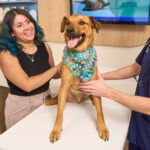
Photo by Chewy
If your dog suddenly starts limping or avoiding putting weight on a back leg, a torn cranial cruciate ligament (CCL) could be the cause. This common knee injury can be painful and make it hard for your dog to move comfortably.
One of the most commonly recommended surgical options is tibial plateau leveling osteotomy (TPLO) surgery for dogs. This surgical procedure changes the angle of the tibial plateau (the top of the shin bone) to stabilize the knee joint, so your dog can get back to moving more comfortably, even without relying on the damaged ligament.
Key Takeaways
- TPLO surgery for dogs is a common procedure used to treat a canine CCL rupture (also called a cranial cruciate ligament tear).
- The surgery stabilizes the knee joint, helping many dogs return to normal activity with reduced pain and improved mobility.
- Recovery typically takes eight to 12 weeks and requires strict activity restriction and follow-up care.
- The cost of TPLO surgery for dogs often ranges from $3,000 to $6,000, depending on your location, your dog’s size, and anesthesia needs.
What Is TPLO Surgery for Dogs?
A TPLO is considered a reliable and commonly performed surgical procedure that has been used in dogs for decades to treat knee instability and pain caused by CCL tears.
Instead of trying to replace the torn ligament, a surgeon performing a TPLO redistributes the forces within the knee joint so that a dog doesn’t need the CCL for stability.
What Is a Canine CCL Rupture?
The CCL is a soft tissue attachment in the knee joint that connects the back of the femur (thigh bone) to the front of the tibia (shin bone) and helps keep these bones aligned as the knee bends.
When the CCL tears, normal movement of the femur and tibia against each other can cause pain, inflammation, and—over time—arthritis if left untreated.
In humans, this ligament is called the anterior cruciate ligament (ACL) and is often injured suddenly during high-intensity activity. In dogs, however, CCL tears are more commonly the result of chronic abnormalities, so the injury may occur after everyday activities such as walking or getting out of the car.
Signs Your Dog May Have a Canine CCL Rupture
Signs of a canine CCL rupture can vary, but common symptoms include:
- Sudden limping or lameness in a back leg
- Refusing to put weight on one hind limb or walking on three legs
- Stiffness, especially after rest
- Difficulty rising, jumping, or climbing stairs
- Swelling around the knee joint
- Sitting with one leg extended out to the side (“lazy sit”)
- Decreased activity level or reluctance to exercise
- Muscle loss in the affected hind leg over time
- Clicking or popping sounds from the knee in some cases
Yelping or vocalizing is not always present, and some dogs may not react strongly when the leg is touched. However, if your dog is not using the leg normally, schedule a veterinary visit.
During an exam, your veterinarian will check for swelling and signs that the femur and tibia are abnormally sliding against each other (called tibial thrust). They may also perform a “drawer” test, and if it’s positive, a CCL tear is very likely. Imaging (usually X-rays) is required to confirm the diagnosis.
How Does TPLO Surgery Work in Dogs?
Before surgery, your veterinary surgeon will take detailed X-rays, often with your dog sedated, to measure the angles of the knee joint. These measurements help determine whether TPLO is the right procedure and allow the surgeon to calculate how much the tibial plateau needs to be adjusted.
During surgery, the joint is examined, and the surgeon might remove damaged tissue. They then use a specialized bone saw to make a curved cut in the top of the tibia. This section of bone is rotated and secured with a metal plate and screws so it can heal in this new position.
Exercise restriction for two to three months is essential to allow the bone to heal properly. With appropriate post-operative care, TPLO has one of the highest success rates for CCL tears. One study of canine athletes found that 65% of dogs returned to agility competition after TPLO surgery, a rate similar to the recovery rates of human athletes after ACL surgery.
Side Effects and Risks of TPLO Surgery for Dogs
Like any major orthopedic procedure, TPLO surgery carries some risk of complications. Potential complications include:
- Infection at the incision or around the metal plate
- Ongoing inflammation of the joint or local tendons
- Delayed bone healing
- Fracture of the metal plate
- Meniscal injury (damage to cartilage within the knee)
Careful post-operative care is important. Following your veterinarian’s activity restrictions, preventing your dog from licking the incision, and attending all follow-up visits can help reduce the risk of complications.
TPLO Surgery vs. Other Canine CCL Rupture Treatments
TPLO is not the only treatment option for CCL tears. Other approaches include nonsurgical (conservative) management, tibial tuberosity advancement (TTA) surgery, and lateral suture surgery.
Each option comes with different costs, risks, and recovery timelines. The best choice often depends on your dog’s size, age, breed, activity goals, and overall health.
| Treatment | Best For | Stability | Recovery Time |
|---|---|---|---|
| TPLO | Medium and large dogs | Excellent | Eight to 12 weeks |
| TTA | Active dogs | Excellent | Eight to 12 weeks |
| Lateral suture | Small dogs | Good | Eight to 12 weeks |
| Conservative management | Small and senior dogs | Limited | Variable |
Timeline and Cost of TPLO Surgery for Dogs
Recovery for TPLO surgery typically takes about eight to 12 weeks and requires strict activity restriction with pain management.
Your surgeon will schedule follow-up visits. These visits will include physical exams and repeat X-rays, often every four to six weeks to monitor healing and adjust your dog’s recovery plan as needed.
The total cost of TPLO surgery and follow-up care varies based on your location, your surgeon’s training, and your dog’s size and overall health. In many cases, pet parents can expect to pay approximately $3,000–$6,000 per knee.
How To Help Your Dog Recover From TPLO Surgery at Home
Helping your dog recover from TPLO surgery at home focuses on keeping the incision clean and limiting strain on the healing bone.
Picking an appropriately sized dog cone is the most common method of keeping your dog from licking the incision. If needed, talk with your veterinarian about alternatives to a traditional plastic cone, like an adjustable e-collar, as not all options provide adequate protection.
Recommended Product

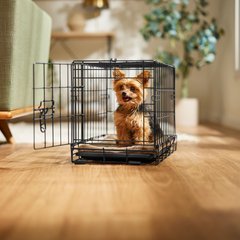
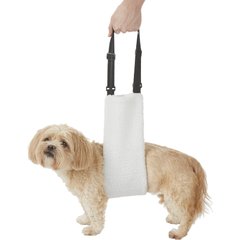
Depending on your dog’s size and home setup, tools like a crate, support harness, and ramps can help reduce pressure on the healing leg.
Recommended Products

Your veterinarian may also prescribe anti-anxiety and pain medications, as well as at-home rehabilitation exercises, to support recovery.
FAQs About TPLO Surgery for Dogs
How much does TPLO surgery for dogs cost?
TPLO surgery for dogs typically costs between $3,000 and $6,000 per knee, depending on your location and your dog’s specific needs.
What age is best for TPLO surgery for dogs?
TPLO surgery is best performed shortly after a CCL tear is diagnosed. It can be performed in dogs of any age, but your veterinarian will consider factors like growth stage in younger dogs and overall health in senior dogs.
What is the success rate of TPLO surgery in dogs?
TPLO surgery has a high success rate, with one study reporting 93% client satisfaction with outcomes.
Is TPLO surgery worth it for dogs?
For many dogs, TPLO surgery can significantly reduce pain and improve mobility after a CCL tear. Your veterinarian can help you weigh the costs, risks, and expected long-term outcome for your dog.
What is an alternative to TPLO surgery for dogs?
Alternatives to TPLO surgery include conservative (nonsurgical) management, lateral suture surgery, and tibial tuberosity advancement (TTA). Your veterinarian can help determine which option is best for your dog.
Attributions