How To Create the Perfect Gerbil Cage Setup

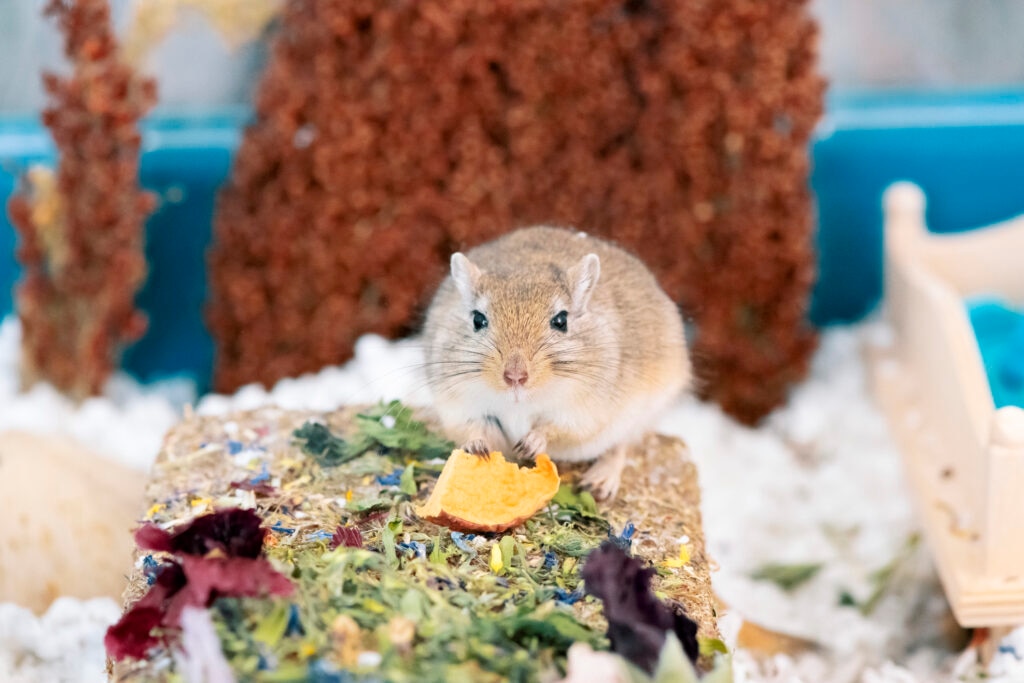
Photo by Irina Orlova/iStock/Getty Images Plus
Watching a gerbil disappear into a tunnel they’ve built is one of the joys of keeping these curious little pets. Gerbils spend much of their time digging, burrowing, chewing, and exploring. A cage that doesn’t support those natural behaviors can quickly lead to boredom, stress, and even health problems.
Whether you’re bringing home your first pair of gerbils or upgrading an existing habitat, here’s how to create a safe, enriching cage setup they’ll love.
Key Takeaways
- Gerbils need deep bedding to dig tunnels, which is one of their most important natural behaviors.
- A large enclosure with good ventilation, chew toys, a solid exercise wheel, and a sand bath helps keep gerbils healthy and active.
- Gerbils are social animals and should usually be kept in compatible pairs.
- Spot-cleaning every day and not doing full cage cleanings too often help preserve the familiar scents gerbils rely on.
What Does a Gerbil Cage Need?
A well-designed gerbil habitat should encourage your pet’s natural instincts while keeping them safe and comfortable.
Every gerbil enclosure should include:
Recommended Product
- Excellent airflow
- A solid exercise wheel
Recommended Product

Recommended Products
Recommended Products
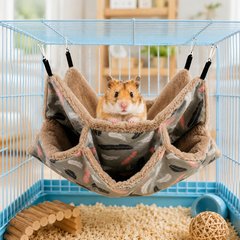

- Fresh food and water
Recommended Product
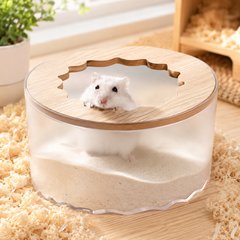
- A sand bath for grooming
Recommended Product
Gerbils are highly active animals, and their environment should give them opportunities to dig, forage, climb, chew, and exercise every day.
Choosing the Right Gerbil Cage
The best cage is one that’s roomy enough for natural behaviors and allows for deep bedding. For that reason, bigger is almost always better.
The enclosure should be large enough for:
- At least two compatible gerbils
- A deep digging area
- Separate spaces for nesting, eating, and exercising
Many veterinarians and exotic pet experts recommend a habitat at least as large as a 20-gallon sized aquarium. But for a pair of gerbils, larger enclosures provide a much better quality of life, especially when bedding depth is considered. Tanks 40 gallons or more are typically recommended for two or more gerbils.
Glass aquariums are often the preferred option because they hold the deep bedding gerbils need without making a mess. If you use an aquarium, make sure it has a secure mesh lid to provide proper ventilation.
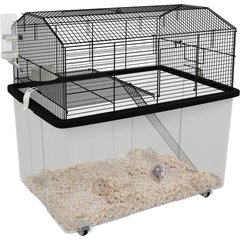
Wire cages offer better airflow and climbing opportunities, but many don’t have a deep enough base to hold enough bedding. If you choose a wire cage, look for one with a tall plastic base, such as the PawHut 2-Tier cage, or consider adding a tank-style bottom.
Recommended Product
Avoid small plastic tube-style habitats. They don’t provide enough room for digging and often have poor ventilation.
Bedding and Burrowing Essentials
Burrowing isn’t just something gerbils enjoy. It’s an essential part of their normal behavior.
Aim for at least eight to 10 inches of bedding whenever possible—typically with larger tank setups, like 40 gallons or more.
Recommended Product

The deeper the bedding, the more stable your gerbils’ tunnels will be.
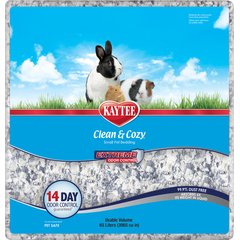
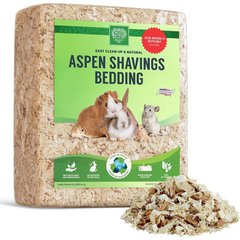
Safe bedding options include:
Recommended Product
Recommended Product
Recommended Product

Recommended Product

You can also provide shredded paper, plain paper towels, or hay for nesting material.
Recommended Product

Avoid cedar bedding, because the aromatic oils can irritate your gerbil’s respiratory tract and liver. Pine bedding is also generally discouraged.
Adding cardboard tubes and boxes throughout the bedding encourages tunneling and provides additional enrichment.
Must-Have Accessories for a Gerbil Cage
A few carefully chosen accessories help keep gerbils active and healthy.
Exercise Wheel
Choose a solid-surface wheel rather than a wire or mesh wheel. Wire wheels can trap toes or tails and may cause serious injuries.
Hideouts
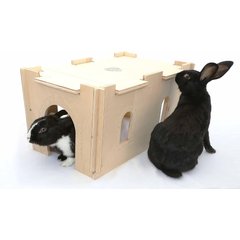
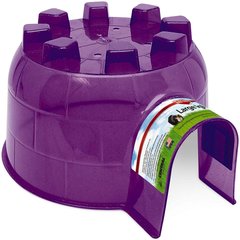
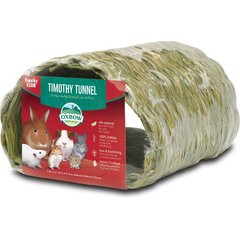
Gerbils like enclosed spaces where they can sleep, nest, and feel secure. Untreated wooden houses, cork tunnels, plastic hides, hay hides, and cardboard boxes all work well.
Recommended Products
Chew Toys
Gerbils’ teeth grow continuously throughout their lives, so they need safe items to chew every day.
Good options include:
Recommended Product
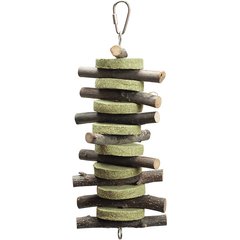
- Cardboard rolls
- Hay-based toys
Recommended Product

Recommended Product

Food and Water
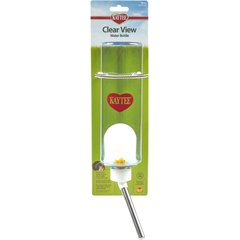
Provide fresh water in a sipper bottle at all times. A heavy ceramic food bowl helps prevent tipping, although many gerbils also enjoy scattering and foraging for food.
Recommended Product
Sand Bath
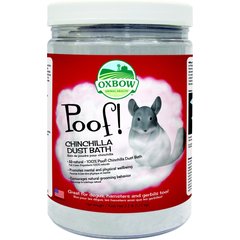
Gerbils, like chinchillas, use sand bathing to manage coat oils. You can offer a sand bath several times a week—or daily if preferred—to help keep their coat clean.
Use chinchilla bathing sand or another dust-free sand made for small pets in a sand bath container. Never use dusty bathing powders, which can irritate the lungs.
Recommended Product
Enrichment and Mental Stimulation
A busy gerbil is usually a happy gerbil.
Keep their environment interesting by:
- Rotating toys every few weeks
- Adding tunnels, climbing platforms, and hammocks
- Hiding healthy treats like vegetables, fruits, or other treats throughout the enclosure
Recommended Products


- Wrapping treats in paper for your gerbils to shred open
- Occasionally rearranging accessories
Simple changes encourage natural exploration and help prevent boredom.
Where To Place Your Gerbil Cage
Location matters more than many pet parents realize.
Choose a spot that’s:
- Quiet and away from constant household activity
- Out of direct sunlight
- Away from heating and air conditioning vents
- Free from drafts
- Maintained at a comfortable room temperature, ideally around 65 to 75 degrees F
Gerbils tolerate dry environments well but are sensitive to high heat and humidity. Because they cannot sweat, overheating can quickly become dangerous. Gerbils are prone to heat stroke at temperatures of 80 degrees and above.
Cleaning and Maintenance Tips
Gerbils are surprisingly clean animals and make very little urine compared with many other rodents.
Daily maintenance should include:
- Removing soiled bedding
- Refilling food and water
- Checking that the water bottle is working properly
Complete cage cleanings are needed much less often than many people expect. Rather than replacing all the bedding every week, replace only portions as needed daily and leave some clean, familiar bedding behind. This helps preserve your gerbils’ scent markings, which help reduce stress.
If you notice a strong ammonia odor, it’s time for a more thorough cleaning.
Common Gerbil Cage Setup Mistakes
Avoid these common care errors:
- Using too little bedding. Without enough depth to dig, gerbils may develop repetitive digging behaviors and become frustrated.
- Choosing unsafe bedding. Cedar and other aromatic softwood beddings can be harmful.
- Buying a cage that’s too small. Tiny habitats don’t allow enough room for digging, exercise, or enrichment.
- Using a wire exercise wheel. Solid wheels are much safer for gerbils’ feet and fragile tails.
- Skipping enrichment. Gerbils are intelligent, active animals who need opportunities to chew, forage, and explore every day.
- Housing a gerbil alone. Gerbils are social animals and usually do best in compatible same-sex pairs or family groups. If introducing unfamiliar gerbils, use proper introduction techniques, such as the split-cage method, to reduce the risk of fighting. Older male gerbils carry the highest risk of introduction conflicts and fighting.
FAQs About How To Create the Perfect Gerbil Cage Setup
How big should a gerbil cage be?
The cage should be large enough for at least a compatible pair of gerbils, with room for deep bedding, exercise, and enrichment. A 40-gallon tank is often considered the minimum for two gerbils.
Can gerbils live in glass tanks?
Yes. Glass aquariums are often one of the best choices because they easily contain deep bedding. Just be sure to use a secure mesh lid to provide proper ventilation.
Do gerbils need a wheel?
Yes. Most gerbils enjoy running, and a solid-surface exercise wheel is a great way to get daily activity. Avoid wire or mesh wheels, which can injure their feet or tail.
Attributions
References
- Tchabovsky AV, Savinetskaya LE, Ovchinnikova NL, et al. Sociability and pair-bonding in gerbils: a comparative experimental study. Current Zoology. 2019;65(4):363-373. doi:10.1093/cz/zoy078
- Quesenberry KE, Orcutt CJ, Mans C, Carpenter JW, eds. Common diseases of gerbils. In: Ferrets, Rabbits, and Rodents: Clinical Medicine and Surgery. 4th ed. Elsevier Saunders; 2021:368.
- Quesenberry KE, Orcutt CJ, Mans C, Carpenter JW, eds. Husbandry and diet. In: Ferrets, Rabbits, and Rodents: Clinical Medicine and Surgery. 4th ed. Elsevier Saunders; 2021:368.
- Mitchell MA, Tully TN, eds. Hamsters and gerbils. In: Manual of Exotic Pet Practice. Saunders; 2009:406.
- Quesenberry KE, Orcutt CJ, Mans C, Carpenter JW, eds. Housing. In: Ferrets, Rabbits, and Rodents: Clinical Medicine and Surgery. 4th ed. Elsevier Saunders; 2021:345.