Can Guinea Pigs Eat Cabbage?


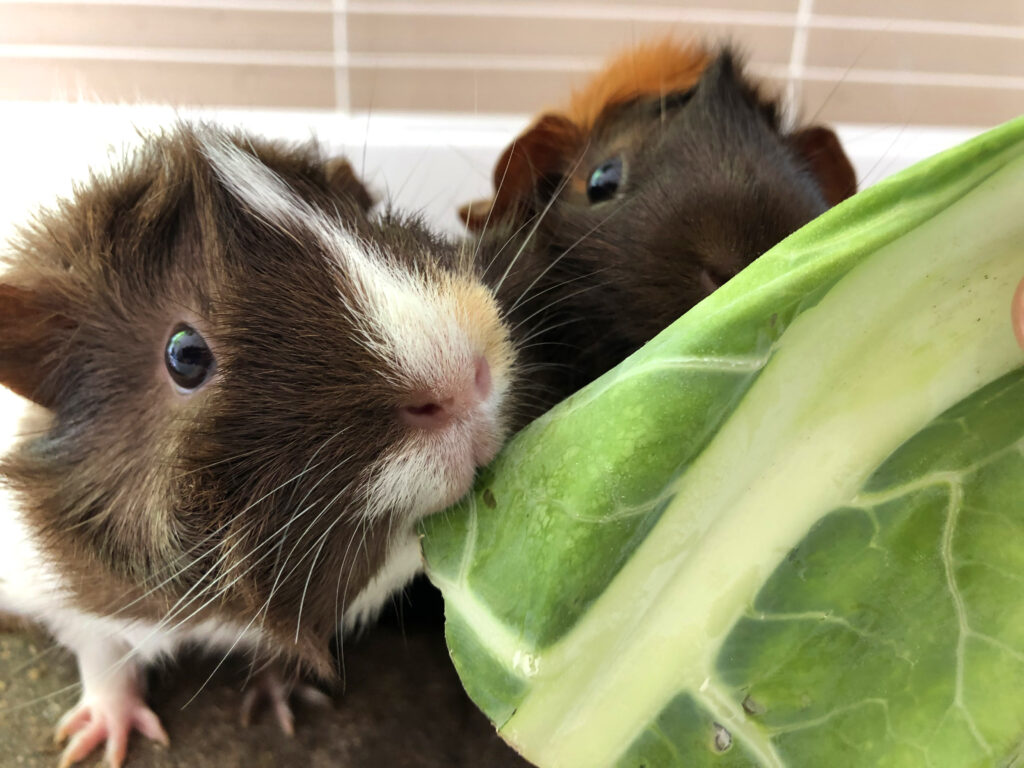
Photo by mtreasure/iStock/Getty Images Plus via Getty Images
If a few cabbage leaves are left over after dinner prep, your guinea pig may seem like the perfect volunteer to finish them off. But can guinea pigs eat cabbage?
Yes, adult guinea pigs can eat cabbage, but don’t hand over a whole leaf. Portions should stay small, and cabbage shouldn’t replace dietary staples, like hay, other fresh vegetables, and measured guinea pig pellets.
Here’s what to know about serving cabbage safely and how much your guinea pig can have.
Always check with your veterinarian before introducing any new food into your guinea pig’s diet.
Key Takeaways
- Guinea pigs can eat cabbage, but small portions are best.
- Green, red, and savoy cabbage are all OK to serve. Just make sure it’s raw and washed well.
- Skip coleslaw, sauerkraut, cooked cabbage, and other prepared versions that come with salt, sugar, fat, seasonings, or other added ingredients.
- Too much cabbage may leave your guinea pig gassy or bloated or cause softer poop and changes in appetite.
Can Guinea Pigs Have Cabbage?
Yes, guinea pigs can have fresh, plain cabbage in small amounts. Several varieties you’ll find at the grocery store, including green, red, and savoy, are all safe.
Cabbage that’s been turned into something else is a different story, though. Skip coleslaw, sauerkraut, cabbage rolls, fried cabbage, and other prepared versions. All of these can contain salt, sugar, vinegar, garlic, or onion, which are aren’t a good fit for guinea pigs.
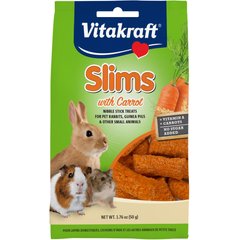
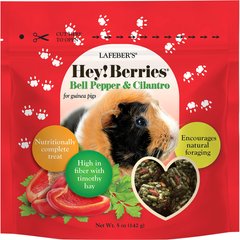
If cabbage isn’t a hit, you can also add some variety to the menu with these guinea pig treats:
Recommended Products
Is Cabbage Good for Guinea Pigs?
Cabbage has some perks for guinea pigs, but because portions are so small, it won’t make a major contribution to their overall nutrition. Still, there are a few reasons it can be a worthwhile addition to the rotation.
The main benefits of cabbage are:
- Vitamin C: Guinea pigs can’t make their own vitamin C, so they need to get it from their diet every day. Cabbage contains some, although other veggies, like bell peppers, are especially good sources.
- Plenty of water: Cabbage has a high water content, so it can contribute a little extra hydration alongside your guinea pig’s fresh drinking water.
- Fiber: Cabbage provides some fiber to support digestion, but it’s no match for hay, which should provide the bulk of your guinea pig’s fiber.
- Something different to explore: Switching up safe veggies gives your guinea pig different smells, tastes, and textures to investigate. This food-based enrichment can encourage natural guinea pig behaviors like foraging, gnawing, and exploring. Plus, a crisp piece of cabbage adds some satisfying crunch.
Is Cabbage Bad for Guinea Pigs?
Cabbage isn’t bad for guinea pigs, but it can be a little tough on the stomach when they eat too much. Some guinea pigs may also tolerate it better than others, so pay attention to how yours handles it.
A few potential downsides of cabbage include:
- Gas and bloating: Cabbage is a cruciferous vegetable, and eating too much may lead to gas, bloating, belly discomfort, softer poop, or changes in appetite.
- Less room for important foods: Cabbage should be a small addition to your guinea pig’s diet, not something they fill up on. Hay should still make up the bulk of what they eat, since it provides the fiber their digestive system needs while helping naturally wear down their constantly growing teeth.
- Problems with spoiled cabbage: Slimy, moldy, rotten, or off-smelling leaves belong in the trash, not in your guinea pig’s bowl.
- Unwanted ingredients: Prepared cabbage dishes, like coleslaw, sauerkraut, and fried cabbage, can contain salt, sugar, fat, vinegar, garlic, onion, or other ingredients that aren’t good for guinea pigs.
How Much Cabbage Can My Guinea Pig Eat?
For most adult guinea pigs, a strip of cabbage about 1 inch by 2 inches once a week is plenty. That gives them a little cabbage to crunch on without going overboard.
If it’s your guinea pig’s first time trying cabbage, start with about half that amount. Then keep an eye on their appetite and their poop over the next day or so. If everything looks normal, you can offer the full serving the next time.
How To Safely Feed Cabbage to Guinea Pigs
Cabbage doesn’t take much prep. Here’s how to safely feed it to your guinea pig:
- Choose a fresh cabbage leaf without any slimy, moldy, or rotten spots.
- Give it a good wash.
- Cut away tough core pieces.
- Slice the leaf into measured strips.
- Serve cabbage raw and plain. There’s no need to cook cabbage or add anything to it.
- Clear away leftovers within a few hours so it doesn’t wilt or spoil in the enclosure.
My Guinea Pig Ate Too Much Cabbage—What Do I Do?
If your guinea pig helped themselves to more cabbage than they should have, don’t panic. Take away the rest, make sure they have plenty of fresh hay and water, and keep an eye on how they’re eating, pooping, and behaving.
Call your veterinarian if you notice:
- A bloated or swollen belly
- Gas or signs of belly discomfort
- Soft poop or diarrhea
- Reduced appetite
- Fewer droppings
- Unusual tiredness or hiding
- Hunching, tooth grinding, or other signs of pain
If your guinea pig stops eating or pooping altogether, contact your veterinarian right away. Guinea pigs need food moving through their digestive system regularly, so a complete loss of appetite or droppings shouldn’t be a wait-and-see situation. If you can’t reach your vet, take your guinea pig to the closest emergency vet clinic.
If your guinea pig got into a dish made with garlic, onion, or another potentially harmful ingredient, you can also call the Pet Poison Helpline (855-764-7661) for advice on next steps.
What Other Vegetables Can Guinea Pigs Eat?
Cabbage can be one of the veggies in your guinea pig’s rotation, but there are plenty of others to choose from too.
Some other guinea pig-safe options include:
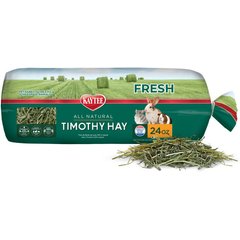
You don’t need to serve the same combination every day. Rotating different guinea pig-safe vegetables throughout the week adds variety to your guinea pig’s diet. Hay should still make up most of what they eat though, with measured guinea pig pellets and fresh vegetables rounding out a balanced diet.
Recommended Products

FAQs About Cabbage for Guinea Pigs
Can baby guinea pigs eat cabbage?
It’s best to hold off on cabbage until your guinea pig is a little older. Baby guinea pigs have specific nutritional needs while they’re growing, so talk to your veterinarian about when to introduce cabbage and other new vegetables.
Can guinea pigs eat red cabbage?
Yes, guinea pigs can eat red cabbage. Just like green cabbage, it’s best to keep portions small since eating too much may cause gas or bloating.
Can guinea pigs eat cooked cabbage?
They can, but raw cabbage is better. Raw cabbage offers an enriching crunch and doesn’t include extras, like butter, salt, or oil, that are often included in cooked cabbage.
Can guinea pigs eat cabbage every day?
No, guinea pigs shouldn’t eat cabbage every day. Having it too often can increase the chances of gas and bloating, and your guinea pig is better off getting a mix of safe veggies throughout the week rather than relying too heavily on one.
Attributions
This article was created with assistance from AI tools. The content has been reviewed for accuracy and edited by a human.