Can Guinea Pigs Eat Oranges?


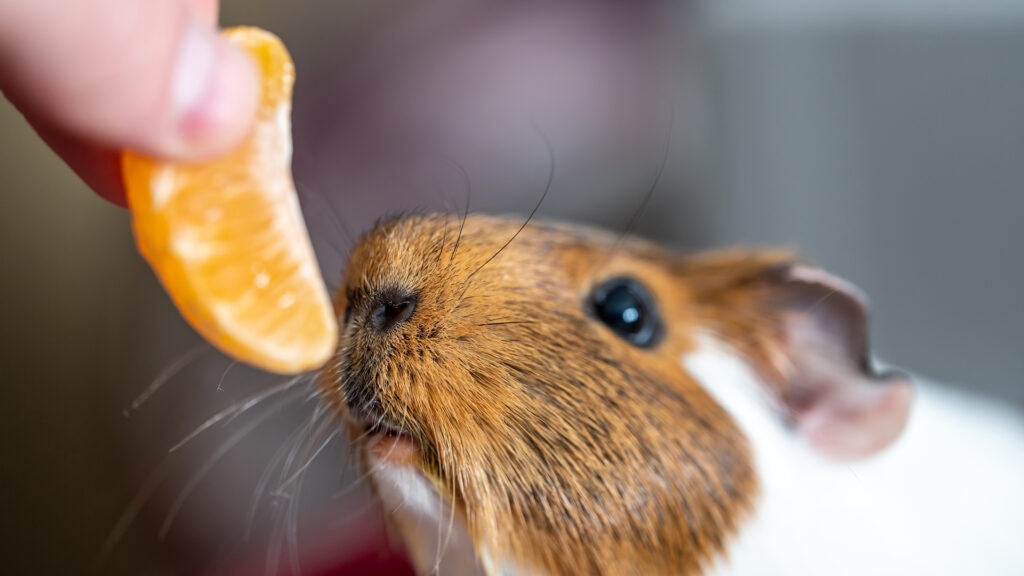
Photo by Steven White/iStock/Getty Images Plus via Getty Images
Oranges and vitamin C practically go hand in hand—and vitamin C happens to be one nutrient guinea pigs can’t make on their own. So can guinea pigs eat oranges safely?
Not quite. Guinea pigs can enjoy a small piece of fresh orange every now and then, but its sugar content and high acidity means it shouldn’t be an everyday snack.
Here’s how to share a slice without going overboard.
Always check with your veterinarian before introducing any new food into your guinea pig’s diet.
Key Takeaways
- Guinea pigs can enjoy an occasional small piece of fresh orange, but it’s best served sparingly.
- Oranges are rich in vitamin C, but your guinea pig should get most of their daily supply from a well-balanced guinea pig diet supplemented with vegetables.
- If you do share the fruit with your guinea pig, stick with fresh orange and skip juice, canned fruit, marmalade, desserts, and other sweetened or processed orange products.
Can Guinea Pigs Have Oranges?
A little fresh orange is OK for most healthy adult guinea pigs. The juicy flesh is the best part to serve, but you don’t need to obsess over removing every bit of white pith clinging to it—that part is edible, too.
The outer peel isn’t considered toxic, but it’s tougher and less appealing than the fruit itself, so it’s best to remove it (as well as any seeds) first.
Skip orange juice, canned oranges in syrup, marmalade, candied orange, and citrus-flavored snacks.
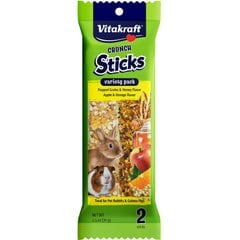
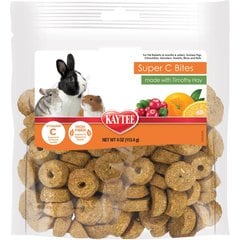
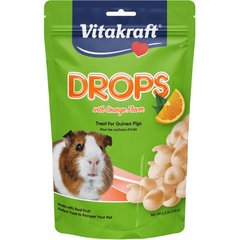
If you’re looking for another way to add some variety to your guinea pig’s routine, you can try one of these orange-flavored treats instead:
Recommended Products

Are Oranges Good for Guinea Pigs?
In small amounts, oranges can add a few worthwhile extras to your guinea pig’s diet, but they aren’t a substitute for the hay and veggies that do more of the nutritional heavy lifting.
The limited benefits are:
- Vitamin C: Guinea pigs can’t make this essential vitamin themselves, so they need to get it from their diet every day. Orange can contribute some, although it shouldn’t be their primary source.
- Extra moisture: Fresh orange contains plenty of water, so every juicy bite adds a little fluid to their diet. Always be sure to have fresh drinking water available too.
- Something new to explore: The smell, flavor, and juicy texture are a big departure from hay and everyday veggies, adding a little sensory variety to snack time. Offering different foods can also provide enrichment, helping keep guinea pigs engaged and encouraging positive behaviors.
But don’t let the orange’s healthy reputation earn it a regular spot in your guinea pig’s diet. Bell peppers and other appropriate vegetables provide vitamin C without as much sugar, making them a better choice for regular feeding.
Are Oranges Bad for Guinea Pigs?
When it comes to orange, portion size matters. A small bite is one thing; making fruit a regular part of the bowl is another.
The biggest concerns with large portions are:
- Too much sugar: Too much sugar, including from fruit, can upset the balance of bacteria in a guinea pig’s gut. That can lead to digestive problems, including loose stool or diarrhea.
- Extra calories: Regularly serving sugary fruit can contribute to excess calorie intake and weight gain, especially if treats become a big part of the diet.
- High acidity: Oranges are naturally acidic, which is another reason to keep servings small. If your guinea pig seems uncomfortable after eating citrus or has an existing mouth or dental problem, skip the orange and check with your veterinarian before offering it again.
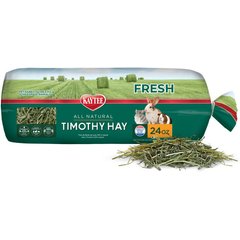
- Less room for hay: If your guinea pig fills up on orange and other treats, they may eat less hay and other foods they need. Hay provides the fiber that keeps their digestive tract moving and helps wear down their continuously growing teeth.
How Much Orange Can My Guinea Pig Eat?
Because orange is acidic, keep the portion to roughly a bite-size piece once a week at most. All fruits combined should make up no more than 10% of a healthy adult guinea pig’s diet.
Introduce orange to your guinea pig gradually and watch for changes in their appetite or poop afterward. If their digestive system seems less than impressed, orange may simply not be the snack for them.
How To Safely Feed Oranges to Guinea Pigs
Sharing orange with your guinea pig doesn’t require much prep, but this isn’t the time to hand over a whole wedge and call it a day. Here’s how to serve it:
- Choose a plain, fresh orange rather than anything canned, sweetened, or processed.
- Rinse the outside thoroughly before cutting into it, especially if you plan to leave any peel attached.
- Take out any seeds and remove any stringy pieces.
- Cut one small piece of flesh.
- Serve it as-is.
- Remove leftovers after a few hours rather than letting fresh fruit sit in the enclosure.
My Guinea Pig Ate Too Much Orange—What Do I Do?
If your guinea pig managed to turn a small treat into an orange feast, take the remaining fruit away and pay attention to how they’re acting over the next several hours. An oversized serving may lead to digestive upset, particularly if they aren’t used to eating fruit.
Call your veterinarian if you see any of the following signs:
- Soft stool or diarrhea
- Drooling or mouth discomfort
- Gas or bloating
- Reduced appetite
- Fewer or smaller droppings
- Low energy
- Signs of abdominal pain, such as hunching or reluctance to move
If your guinea pig stops eating or pooping, call your veterinarian right away. These can be signs of GI stasis, which can become life-threatening if it’s not treated right away.
If your guinea pig snuck a bite of a dessert, candy, or other orange-containing food, check the ingredient list. If you spot something that may be unsafe—or you’re not sure—you can call the Pet Poison Helpline (855-764-7661) for help.
What Other Fruits Can Guinea Pigs Eat?
Orange isn’t the only fruit guinea pigs can sample. If your piggy has a sweet tooth, there are plenty of other options you can occasionally work into snack time, including:
- Apples
- Blueberries
- Cantaloupe
- Grapes
- Pears
- Raspberries
- Strawberries
- Watermelon
No matter which fruit earns the happy wheeks, a little goes a long way. Stick with hay for most of your guinea pig’s munching.
Recommended Products

FAQs About Oranges for Guinea Pigs
Can baby guinea pigs eat oranges?
It’s best to wait until your guinea pig is around three months old before introducing sugary treats like orange. When they’re ready, start with a tiny taste rather than a full serving and introduce only one new food at a time. Because young guinea pigs have different nutritional needs than adults, check with your veterinarian if you’re unsure when to start offering fruit.
Can guinea pigs eat orange peels?
Guinea pigs can eat orange peels, but they’re tougher than the flesh and don’t offer any real advantage over simply sharing a small piece of the fruit. Stick with a small piece of the flesh instead.
Can guinea pigs drink orange juice?
No, guinea pigs shouldn’t drink orange juice. Orange juice delivers the fruit’s sugar without the same fiber, and is easy to overdo. Fresh water should be their only beverage.
Can guinea pigs eat mandarins or clementines?
Yes, an occasional tiny piece of fresh mandarin or clementine is OK for most healthy adult guinea pigs. Treat them just like oranges: Keep the serving small, remove any seeds, and skip canned, sweetened, or processed versions.
Attributions
This article was created with assistance from AI tools. The content has been reviewed for accuracy and edited by a human.