Why Is My Rabbit Sneezing? Causes, Symptoms, and When To Worry

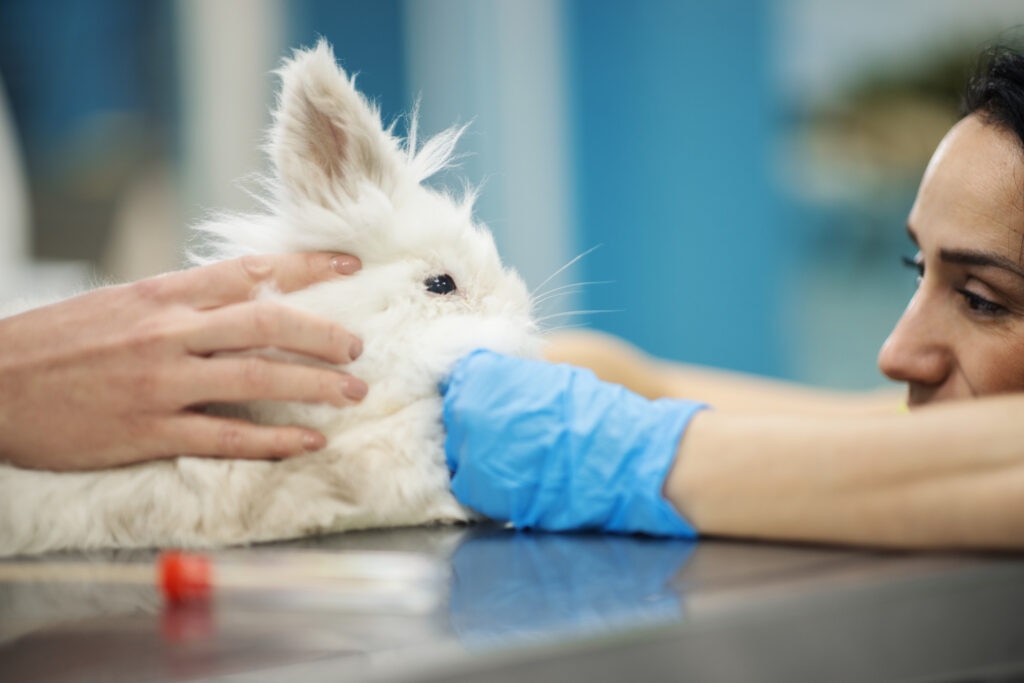
Photo by gilaxia via E+
Most rabbits sneeze occasionally to clear dust, hay particles, or other minor irritants from their nose.
However, frequent sneezing—especially when paired with nasal discharge, noisy breathing, appetite changes, or lethargy—can be a sign of an underlying health problem, such as a respiratory infection, dental disease, or environmental irritation.
Because rabbits rely heavily on breathing through their noses, ongoing sneezing should never be ignored.
While a dusty hay bale or strong household scent may be the culprit, persistent symptoms can quickly become serious if left untreated.
Understanding the common causes of rabbit sneezing and knowing when to seek veterinary care can help keep your bunny healthy and comfortable.
Key Takeaways
- Occasional sneezing in rabbits is normal, but frequent sneezing or nasal discharge may signal an underlying issue like infection, dental disease, or environmental irritation.
- Common causes of rabbit sneezing include dusty hay, strong scents, dental problems, and upper respiratory infections such as “snuffles.”
- If sneezing is persistent or paired with symptoms like discharge, lethargy, or appetite changes, prompt veterinary care is essential to prevent serious complications.
Why Is My Rabbit Sneezing?
A rabbit sneezes to help get rid of anything that maybe irritating their nose. It could be anything: dust, hay particles, nasal mites, or excess mucus. A rabbit sneezing every once in a while is typically normal and not concerning.
If your rabbit is sneezing often, has nasal discharge like thick, cloudy white, yellowish, or green mucus, noisy breathing (like snoring), or if you see changes in your bunny’s eating habits, those are signs of an underlying medical issue which should be evaluated by yourveterinarian.
Allergies
Allergies in rabbits are possible, but not well documented. It is possible that mold, pollen, certain bedding materials, or aerosolized household products (like candles or other scents) can cause inflammation in their nasal passageways, which means increased discharge and even more sneezing.
If you notice your rabbit’s nose has more discharge, or your rabbit is sneezing more often after any new items were introduced into the home, such as candles, scented plug-ins, cleaning products, hay, bedding, or any other items that can cause increased particles in the air, it is best to remove them and see if your rabbit improves. If the sneezing continues even though you removed the new item, getting your rabbit examined by an exotic veterinarian is the next best step.
Environmental Irritants
Environmental irritants are often a common cause of sneezing in rabbits. Rabbits have a sensitive respiratory system, and their body comes into close contact with many items on the floor throughout the day, such as litter, hay, and bedding.
Possible environmental irritants that can irritate and inflame the nasal passages and respiratory tract include:
- Dusty hay
- Cedar or pine wood shavings, which are very aromatic
- Scented litter
- Poor ventilation and poor air circulation
- Dirty enclosures and litter boxes, which lead to urine buildup and ammonia
- Smoke from fireplaces
- Essential oils
Dust and strong odors can cause excessive sneezing. To help reduce irritation to your rabbit’s nose, use a low-dust hay, avoid any scented products near your rabbit, clean their enclosure often, and make sure their area is well ventilated (but not drafty).
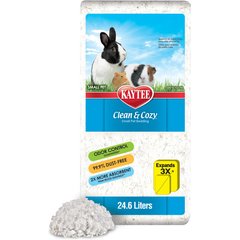
Paper-based bedding is a great alternative to aromatic pine or cedar shavings.
Recommended Products

Dental Issues
Dental disease is often a big contributor to sneezing in rabbits. Their teeth grow continuously throughout life. If they do not wear their teeth down properly, it can cause overgrowth and abnormally aligned teeth.
The roots of the teeth also sit closely to the nasal passages, so if they become infected, inflamed, or abscessed, this can lead to nasal passage irritation as well. It often causes a lot of sneezing and nasal discharge.
A sneezing rabbit could also have dental issues if they are drooling, have a decreased appetite, facial swelling, eye discharge, teeth grinding, or a one-sided runny nose.
Your rabbit should be examined by an exotic veterinarian for further evaluation.
After an exam and possible skull or dental X-rays, they likely will undergo a dental procedure and be placed on antibiotics, such as metronidazole, azithromycin, and ceftiofur, to help resolve any dental abnormalities or abscesses.
Upper Respiratory Infections (URIs)
Upper respiratory infections in rabbits is a very common cause of sneezing in rabbits. It is often also referred to as “rabbit snuffles,” because they are stuffy and often make a ‘snuffling’ sound in between sneezing.
This is often caused by a respiratory bacterial infection, which leads to excess sneezing and thick white-to-green nasal discharge. They can also have a decreased appetite, trouble breathing, weight loss, matted wet fur around their face, or lethargy. It is best to have them evaluated as soon as possible by an exotic veterinarian.
Rabbits are “obligate” nasal breathers, meaning they rely heavily on their nose to breathe and not their mouth, so a veterinarian visit and antibiotics can help them breathe easier and feel better faster!
When To Call Your Exotic Veterinarian
If your rabbit is sneezing repeatedly, has nasal or eye discharge, or seems more tired than usual and isn’t as interested in eating, it is important to have them examined in person.
Other signs to contact your vet for related to sneezing include:
- Thick, discolored, bloody, or persistent nasal discharge
- Eye squinting
- Wet or matted chin or front paws
- Decreased or no appetite
- Weight loss
- Drooling
- Facial swelling
- Noisy breathing
- Head tilt
If your rabbit is struggling to breathe, breathing with their mouth open, has blue or pale gums, is very weak, or has stopped eating or pooping, that is a medical emergency. Immediately take your rabbit to a local emergency veterinarian who sees exotic animals, or to your primary exotic veterinarian.
How To Treat Rabbit Sneezing
Treatment for rabbit sneezing depends upon the underlying cause. Sneezing can be caused by irritants, dental disease, or infection. Your veterinarian will help determine why and the best treatment options moving forward.
For environmental irritation, treatment will often include removing the cause, improving ventilation, and switching to low-dust bedding and low-dust hay.
Recommended Product

For dental disease, treatment often includes dental trimming or filing of overgrown teeth, treating tooth root infections with antibiotics and pain relief, and other dental procedures.
Recommended Product

For bacterial infection, like snuffles, antibiotics are often required. Some rabbits may also benefit from nebulization or oxygen, assisted feedings, and general supportive care.
Recommended Product

How To Prevent Rabbit Sneezing
Occasional sneezing is completely normal for rabbits. To help prevent excessive sneezing and minimize the risk of respiratory irritation, you can help your rabbit by following these guidelines:
- Choose a low-dust hay
- Do not use cedar or pine shavings
- Make sure the bedding is unscented
- Clean the litter box daily by scooping soiled litter
- Deep clean the whole enclosure weekly and replace bedding
- Keep the enclosure clean, dry, and well-ventilated (but not drafty)
- Do not use candles, perfumes, aerosol sprays, essential oils, or smoke near your rabbit
- Feed a high-fiber diet with unlimited grass hay for dental health
- Schedule annual exams with your exotic veterinarian
- Monitor daily appetite, bathroom habits, breathing, and body language
If your rabbit starts eating and pooping less, their breathing becomes labored, or they become lethargic, getting them checked out at your local veterinarian right away is the safest route, because rabbits can decline very quickly. Any runny nose, eye discharge, or breathing changes could indicate illness in rabbits and should be examined as soon as possible.
Attributions