Sort
Filter

$5.59 Chewy Price
($5.59/ea) Price per Unit
$11.09 List Price
$5.31 Autoship Price

$12.99 Chewy Price
$17.99 List Price
$12.99 Chewy Price
($12.99/ea) Price per Unit
$15.99 List Price
$12.34 Autoship Price
$21.44 Chewy Price
($21.44/ea) Price per Unit
$31.00 List Price
$20.37 Autoship Price
$19.95 Chewy Price
$25.99 List Price

$26.98 Chewy Price
($26.98/ea) Price per Unit
$35.99 List Price
$26.67 Chewy Price
($13.34/ea) Price per Unit
$29.99 List Price

$11.60 Chewy Price
($11.60/ea) Price per Unit
$25.49 List Price
$11.02 Autoship Price
$8.99 Chewy Price
($8.99/ea) Price per Unit
$11.99 List Price
$8.54 Autoship Price
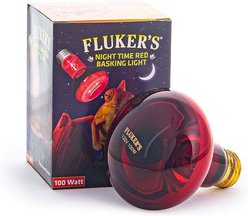
$15.37 Chewy Price
($15.37/ea) Price per Unit
$14.60 Autoship Price
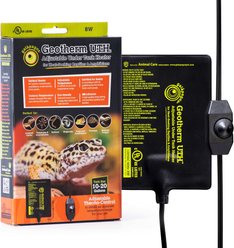
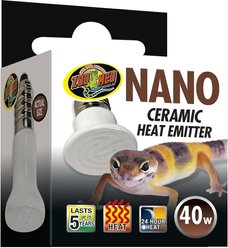
$11.69 Chewy Price
($11.69/ea) Price per Unit
$20.99 List Price
$11.11 Autoship Price

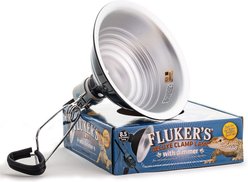
$17.59 Chewy Price
($17.59/ea) Price per Unit
$50.99 List Price
$16.71 Autoship Price
$27.99 Chewy Price
($27.99/ea) Price per Unit
$32.99 List Price
$26.59 Autoship Price
$6.69 Chewy Price
($6.69/ea) Price per Unit
$8.22 List Price
$6.36 Autoship Price

$24.98 Chewy Price
($24.98/ea) Price per Unit
$33.99 List Price
$25.75 Chewy Price
$46.99 List Price
$6.99 Chewy Price
($6.99/ea) Price per Unit
$9.99 List Price
$6.64 Autoship Price
Chameleon Lights & Heating Pads
Keep your chameleon healthy and thriving with the right chameleon heat lamp and lighting setup. Chameleon heating and lighting provide healthy sources of warmth, plus light for vision and UVB for healthy metabolism. The right heat and lighting is needed to emulate natural sunlight, and it's essential for pet chameleons kept indoors. Here's what you need to keep your chameleon looking and feeling their best:
- Chameleon heat lamp: Also known as a basking lamp or basking spot, these come in both incandescent and ceramic heat emitting varieties
- ** UVB lamp:** Chameleons need UVB light to produce vitamin D3
- Bright light: Chameleons need daytime exposure to regular white — not blue — light to regulate their day/night cycles and to properly see
Chameleons require a nighttime temperature drop and full darkness — not red light — at night, so be sure to implement timers or manually turn off lights and basking lamps at regular times daily. Heating and lighting needs for chameleons vary somewhat by species, so check the specific requirements for your chameleon before you choose. Another thing to know is that UVB bulbs need to be replaced roughly every six months. An easy way to remember is to set them to Autoship - that way, you'll never forget!
Frequently Asked Questions about Chameleon Lights & Heating Pads
Does a chameleon need a heating lamp?
A chameleon does need a heating lamp. Chameleons in the wild start the day by basking in the sun, which warms them up for the rest of the day. A heating or basking lamp will effectively emulate this radiant heat source, providing the necessary heat gradient your chameleon needs.
What type of lighting do chameleons need?
Chameleons need UVB lighting and regular full-spectrum light for their health, vision, and well-being. UVB is necessary for proper vitamin D3 production, while regular lighting helps chameleons regulate bodily functions like feeding and rest. If you have a glass or acrylic enclosure, be careful about where you put your chameleon lighting, as these materials can filter out UV rays.
What kind of heat lamp does a chameleon need?
A chameleon needs a basking lamp that provides warm, but not too intense, you want to emulate the heat of a warm, sunny day. Many chameleon keepers like incandescent bulbs for chameleons because they produce both regular white light and heat. Where you put the heat lamp is important, make sure the temperature it CREATEs is in the right range for your chameleon species and that it's not so close your chameleon can get burned.
Do chameleons need a heat lamp 24/7?
Chameleons do not need a heat lamp 24/7 - the heat lamp should only be left on during the day. Chameleons need a nighttime temperature drop for proper health and well-being, and they do not need to bask after dark.
What temperature should a chameleon be basking at?
A chameleon should be basking at a temperature ranging from the high 80s to low 90s Fahrenheit. Be careful that your basking spot doesn't put out too much — or too little — heat and that it doesn't overheat your enclosure. Heat buildup can be an issue with non-screen enclosures especially, so measure the non-basking ambient temperature to be sure it's in the right range for your chameleon species.
Save 5% on repeat deliveries
Product Type
Brand
7 Brands are shown below