Best Cat Houses
Our Top Picks
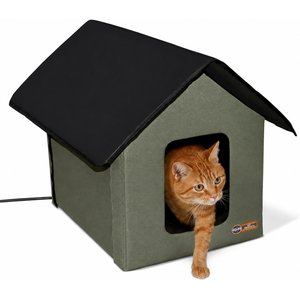
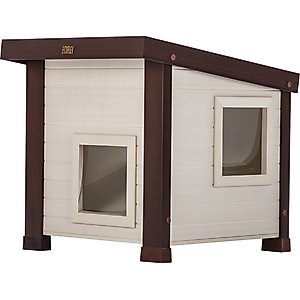
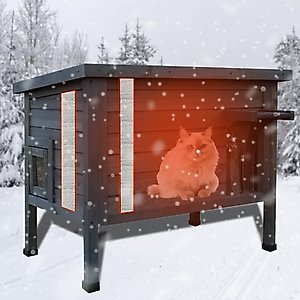
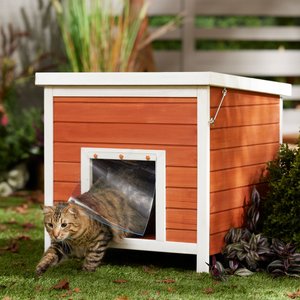
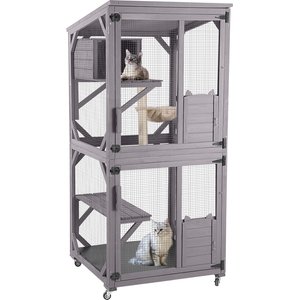
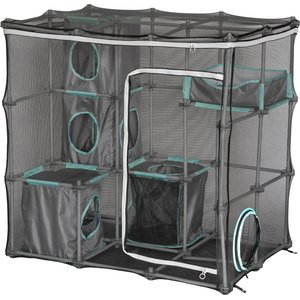
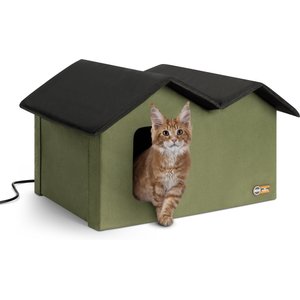
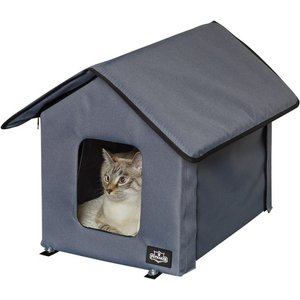
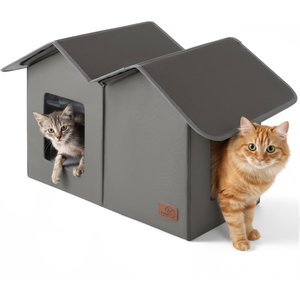
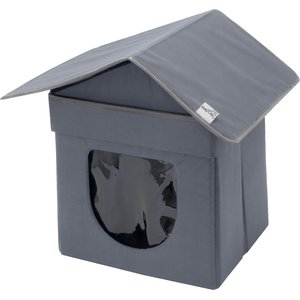
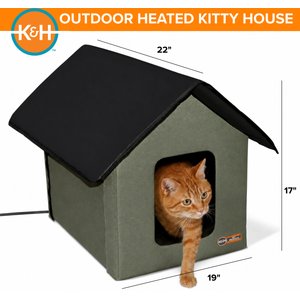
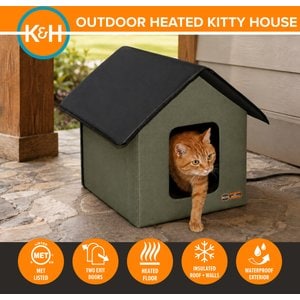
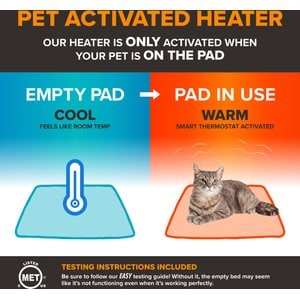
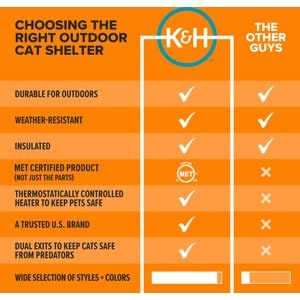
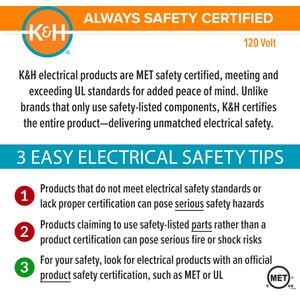
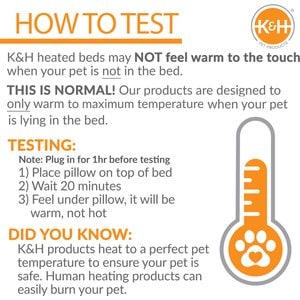

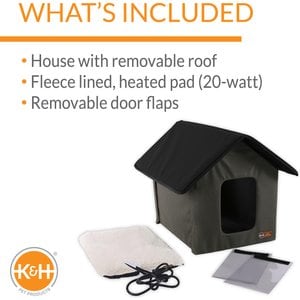
K&H Pet Products Outdoor Heated Kitty House Cat Shelter, Olive & Black
$79.99 Chewy Price
Promo, New Customers Only: Spend $49+, get $25 eGift Card
Our ratings
Comfort and Coziness
4.7/5
ExcellentDesign and Functionality
4.8/5
ExcellentDurability
4.7/5
ExcellentSize and Space
4.6/5
Excellent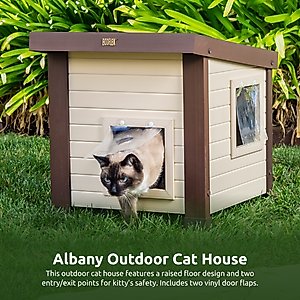
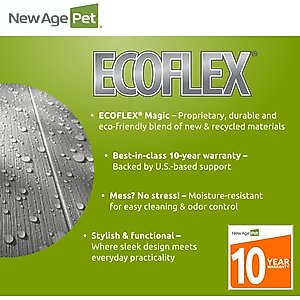
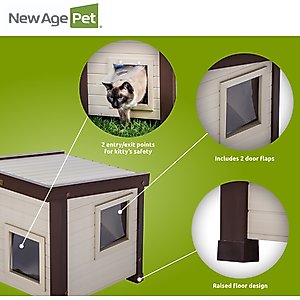
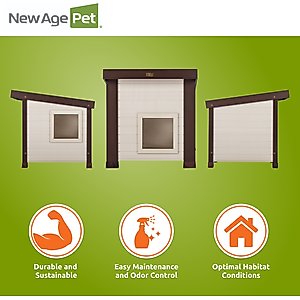
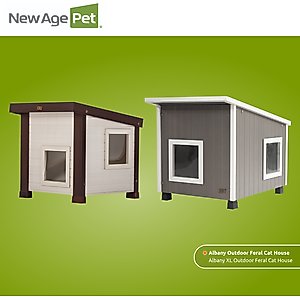
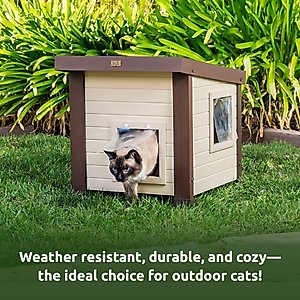
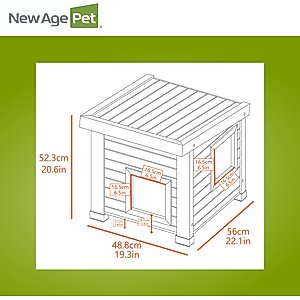
New Age Pet ECOFLEX Outdoor Cat House Shelter, Tan
$86.34 Chewy Price
Promo, New Customers Only: Spend $49+, get $25 eGift Card
Our ratings
Comfort and Coziness
4.5/5
GreatDesign and Functionality
4.5/5
GreatDurability
4.4/5
GreatSize and Space
4.5/5
Great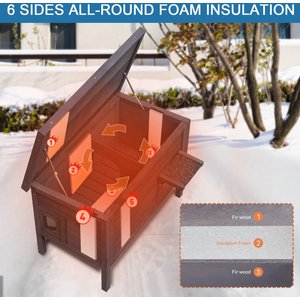
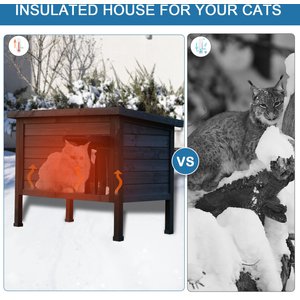
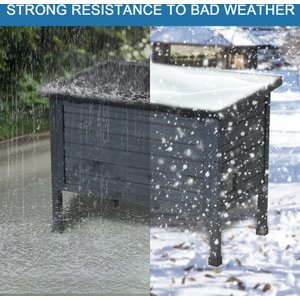
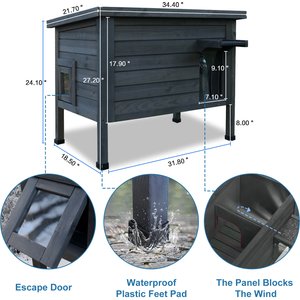
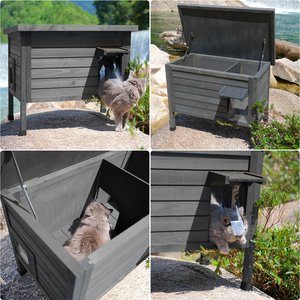
FunXplore Wooden Insulated Outdoor Cat House with Escape Door, Grey
$119.00 Chewy Price
Promo, New Customers Only: Spend $49+, get $25 eGift Card
Our ratings
Comfort and Coziness
4.7/5
ExcellentDesign and Functionality
4.8/5
ExcellentDurability
4.6/5
ExcellentSize and Space
4.8/5
Excellent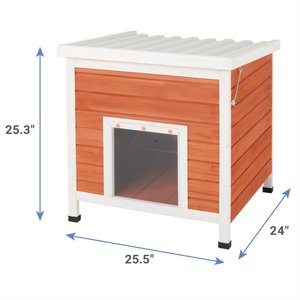
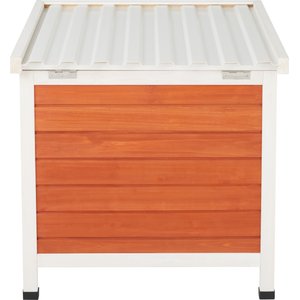
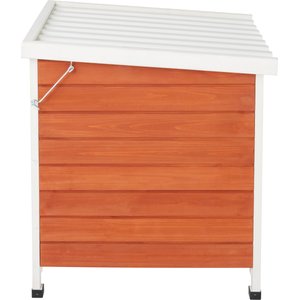
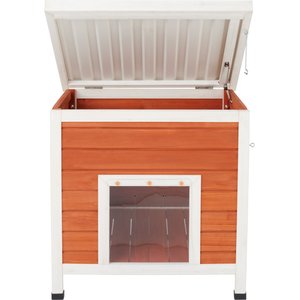


Frisco Outdoor Wooden Cat House with Retractable Roof, Brown
$88.99 Chewy Price
Promo, New Customers Only: Spend $49+, get $25 eGift Card
Our ratings
Comfort and Coziness
4.4/5
GreatDesign and Functionality
4.6/5
ExcellentDurability
4.6/5
ExcellentSize and Space
4.5/5
Great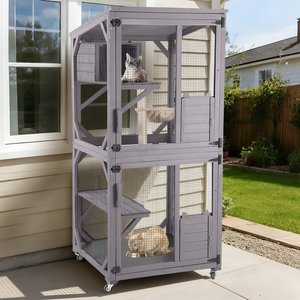
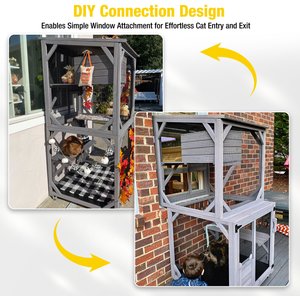
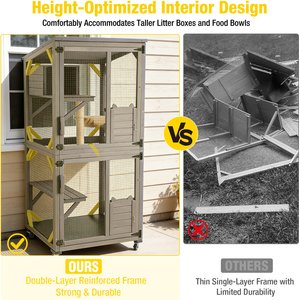
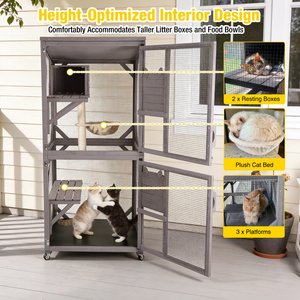
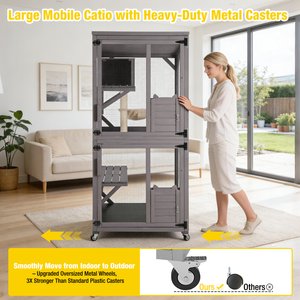
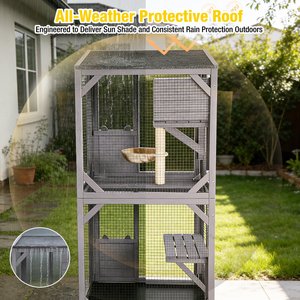
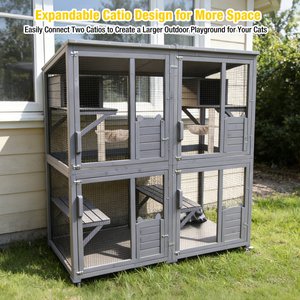
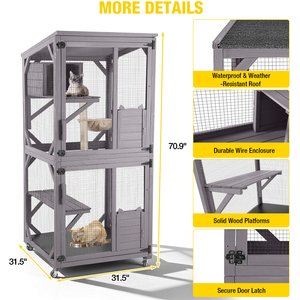
Aivituvin Catio Outdoor Cat House
$199.99 Chewy Price
Promo, New Customers Only: Spend $49+, get $25 eGift Card
Our ratings
Comfort and Coziness
4.4/5
GreatDesign and Functionality
4.6/5
ExcellentDurability
4.4/5
GreatSize and Space
4.5/5
Great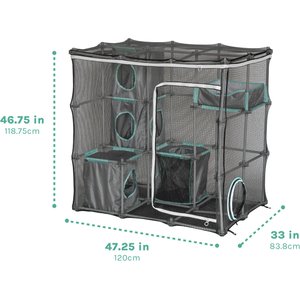
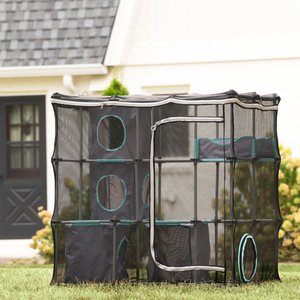
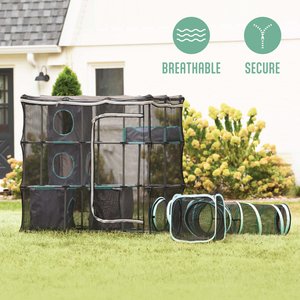
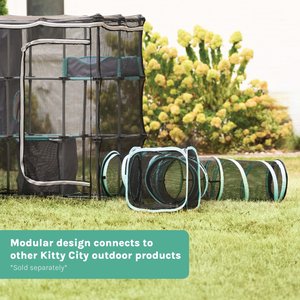
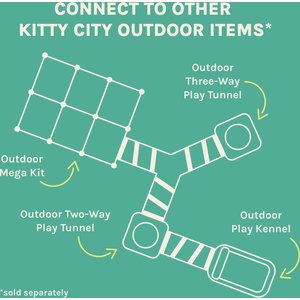
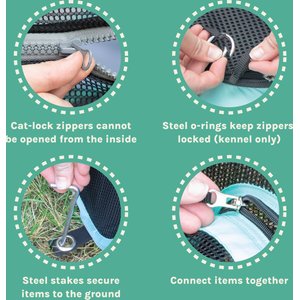
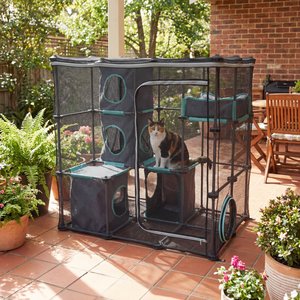
Kitty City Outdoor Catio Cat Furniture & Play Kit
$99.00 Chewy Price
Promo, New Customers Only: Spend $49+, get $25 eGift Card
Our ratings
Comfort and Coziness
4.5/5
GreatDesign and Functionality
4.6/5
ExcellentDurability
4.5/5
GreatSize and Space
4.4/5
Great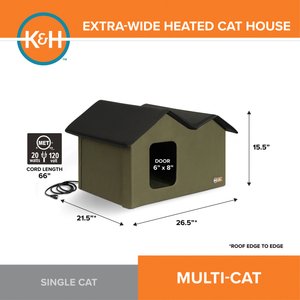


K&H Pet Products Outdoor Heated Kitty House Extra-Wide Cat Shelter, Olive/Black
$114.98 Chewy Price
Promo, New Customers Only: Spend $49+, get $25 eGift Card
Our ratings
Comfort and Coziness
4.5/5
GreatDesign and Functionality
4.5/5
GreatDurability
4.5/5
GreatSize and Space
4.5/5
Great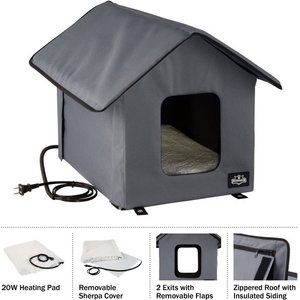
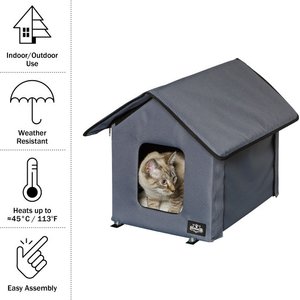
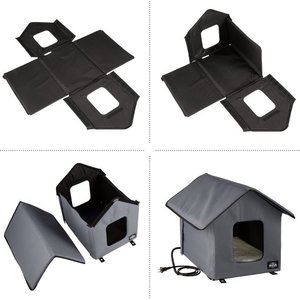
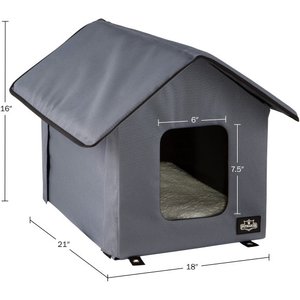
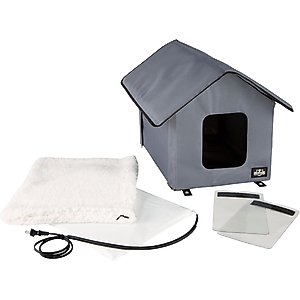
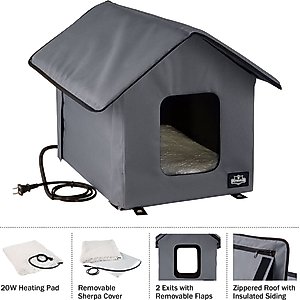
Pet Adobe Heated Cat House, Gray
$64.95 Chewy Price
Promo, New Customers Only: Spend $49+, get $25 eGift Card
Our ratings
Comfort and Coziness
4.3/5
GreatDesign and Functionality
4.2/5
GreatDurability
4.3/5
GreatSize and Space
4.4/5
Great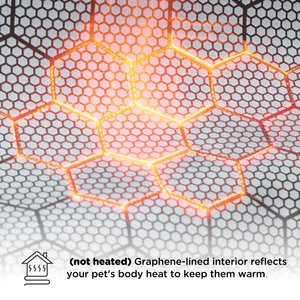
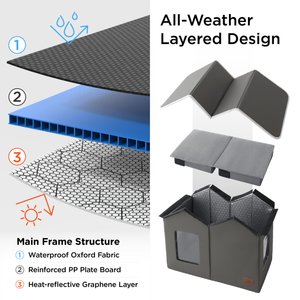
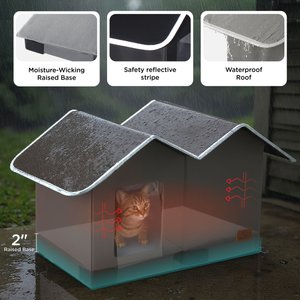
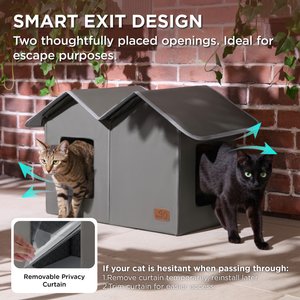
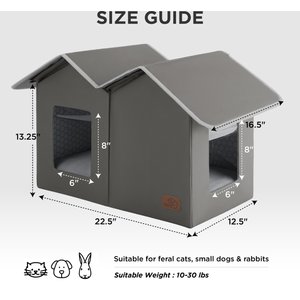
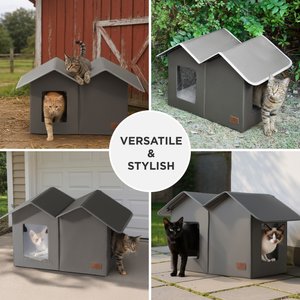
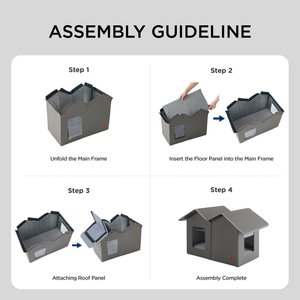
Bedsure Outdoor Extra Wide Unheated Cat House, Grey, 22.5x12.5x13.25inches
$47.99 Chewy Price
Promo, New Customers Only: Spend $49+, get $25 eGift Card
Our ratings
Comfort and Coziness
4.5/5
GreatDesign and Functionality
4.7/5
ExcellentDurability
4.5/5
GreatSize and Space
4.6/5
Excellent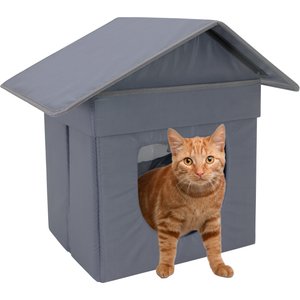
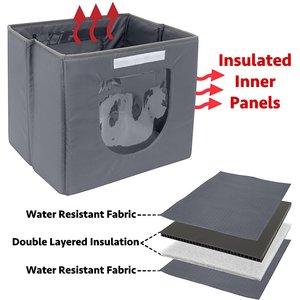
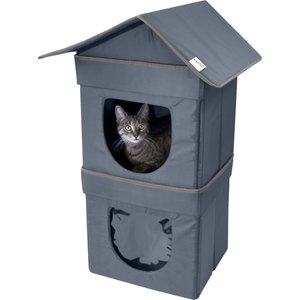
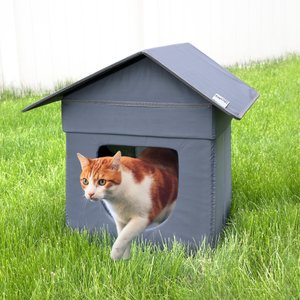
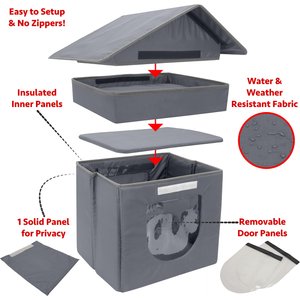

Kitty City Outdoor Cat House
$47.76 Chewy Price
Promo, New Customers Only: Spend $49+, get $25 eGift Card
Our ratings
Comfort and Coziness
4.5/5
GreatDesign and Functionality
4.5/5
GreatDurability
4.5/5
GreatSize and Space
4.5/5
Great