RagaMuffin
Updated September 8, 2026
RagaMuffin
Updated September 8, 2026
The fluffy RagaMuffin’s favorite place to be? Anywhere you are. These so-called Velcro cats are social, loving pets who can’t get enough of their people. If you’re looking for a family-friendly pet fit for all ages, the RagaMuffin might be your next best feline friend.
Easygoing, Docile, Playful
10–20 pounds
12–16 years
The RagaMuffin is renowned for their laid-back, gentle, affectionate, and easygoing nature, says Helen Sallows, chairperson and breed advisor for The United Kingdom RagaMuffin Cat Society (UKRMCS). “They are often described as one of the most people-oriented breeds and can be almost doglike when following you around.”
Unlike more aloof cats, a RagaMuffin will greet you at the door and love to snuggle in your lap. If you’re considering adding one of these cuddly cats to your family, here’s everything you need to know about caring for these precious pets.
RagaMuffin Characteristics
RagaMuffin Appearance
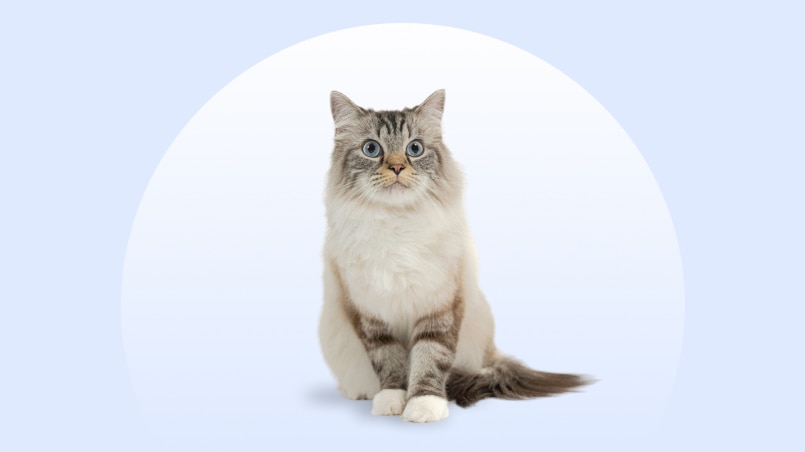
The RagaMuffin is a medium to large cat breed with soft, medium-length fur that is similar in texture to a rabbit’s. They can be any color and pattern, and they have a sweet expression that follows them into adulthood: large, expressive, walnut-shaped eyes and puffy whisker pads, says Laurie Godshall, president of the RagaMuffin Cat Fanciers and a breeder with Colorado-based High Country Cats.
- Ears
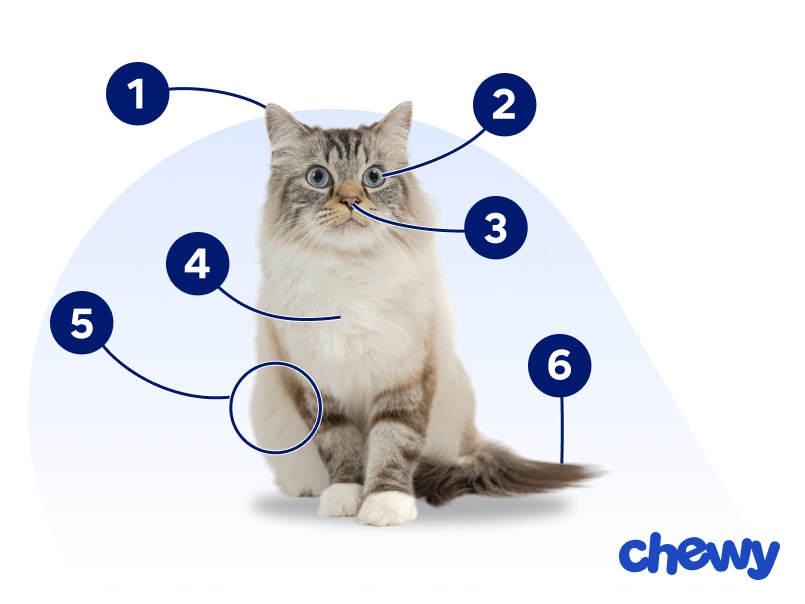
RagaMuffins have medium-sized rounded ears that tilt slightly forward. The ears are set as much on the sides of the head as they are on top of the head.
- Eyes
RagaMuffins have large, expressive, walnut-shaped eyes. Most eye colors are accepted, including odd-colored eyes, a condition called heterochromia. Mink RagaMuffins should have aqua eyes, while sepia RagaMuffins should have yellow-gold to green eyes.
- Nose
Their nose leather may be any color, and the profile has a noticeable dip or scoop. A short, rounded muzzle and puffy whisker pads contribute to the breed’s characteristic sweet expression.
- Coat Length
Their coat is medium to medium-long, with soft, dense, silky fur often compared to rabbit fur. The hair is slightly longer around the face and neck, creating a ruff.
- Coat Color
RagaMuffins come in nearly every color and pattern, including solid, tabby, mink, sepia, bicolor, and calico. Under the CFA breed standard, pointed colors are not accepted for showing.
- Tail
Their long, fully furred tail is proportionate to the body and resembles a plume or soft bottlebrush. It is medium-width at the base and tapers slightly toward the tip.
RagaMuffin Temperament
The RagaMuffin is known not only for a beautiful appearance but also for their exceptional temperament. “Their loving, relaxed personality, combined with their intelligence and devotion, makes them an outstanding companion for families, couples, retirees, and first-time cat owners alike,” Sallows says. They also make excellent emotional support animals, she says.
These lap cats are friendly and love to get involved with their people, whether that’s following you around the house, being picked up and loved on, playing games, or just chilling next to you. They also do well with other pets, but it is always important to properly socialize your cat and introduce them to other animals in your home to ensure their relationship gets off to a good start.
Related Breeds
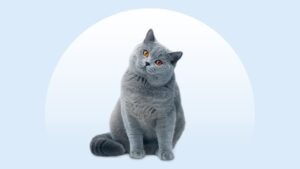


How to Care for a RagaMuffin
RagaMuffins are generally easy to care for—they have a lower-maintenance grooming routine than you might expect—and average diet and exercise needs. These cats are typically not super active but still enjoy playtime—perhaps more as a way to bond with you than to work up a sweat.
Grooming
Diet
Exercise
Environment
RagaMuffin Health
RagaMuffin cats typically live 12–16 years and are generally healthy with few health problems. However, there are several conditions common in cats to be aware of, including:
- Hypertrophic cardiomyopathy (HCM): RagaMuffins can carry a genetic mutation linked to HCM, a disease that causes the heart muscle to become too thick. Cats with two copies of this mutation have a higher risk of severe disease, which may develop as early as 1–2 years old. Reputable breeders should test their breeding cats for this mutation and screen them for heart disease. However, a negative genetic test does not rule out every form of HCM. Talk to your vet about your cat’s risk.
- Polycystic kidney disease: RagaMuffins can inherit a PKD1 mutation that causes fluid-filled cysts to form in the kidneys. These cysts may appear before 1 year of age and can lead to kidney failure later in life. Reputable breeders should test their breeding cats for the mutation.
- Obesity: Like any cat, a RagaMuffin can gain excess weight if they consume more calories than they burn. However, the breed naturally has a fatty pad on the lower abdomen, and many cats also have a normal primordial pouch that may sway when they walk. Neither should be mistaken for obesity based on appearance alone. Ask your veterinarian to assess your cat’s body condition and recommended daily calorie amount.
RagaMuffin History
The RagaMuffin cat breed is descended from the Ragdoll cat, which was first developed by breeder Ann Baker of Riverside, California, in the 1960s. Because restrictions surrounding the Ragdoll breeding program were strict, a group of breeders decided to develop the RagaMuffin as a new breed.
By crossing Ragdolls with other cats, including Persians and domestic longhairs, the RagaMuffin breed was established. The breed was first recognized by the CFA in 2003.