10 Fun Facts About Calico Cats


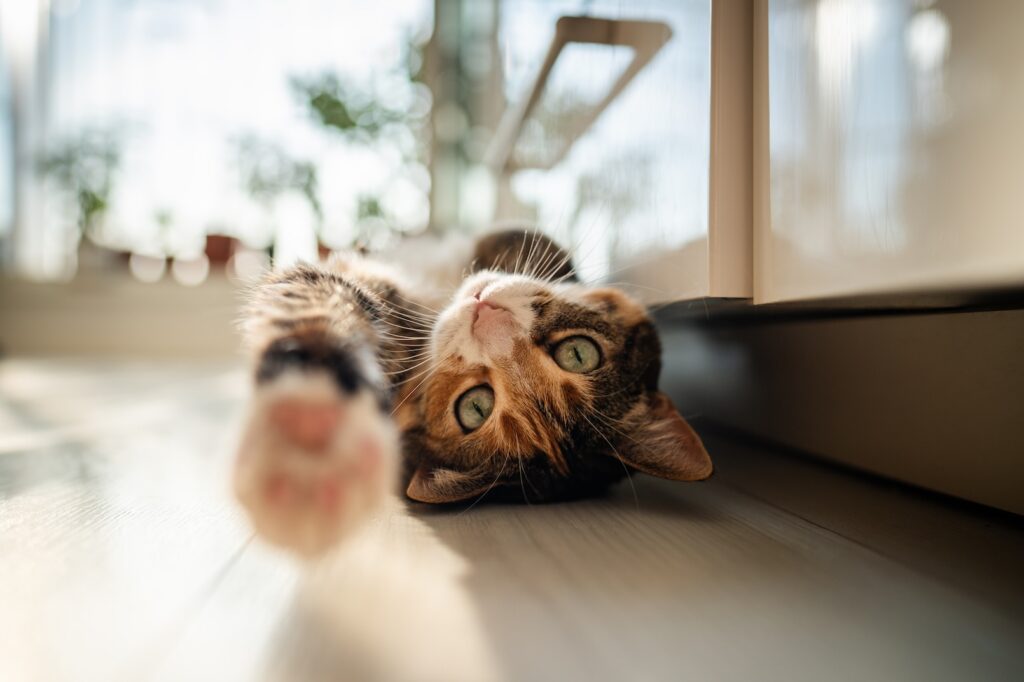
Photo by Dima Berlin/iStock / Getty Images Plus via Getty Images
Calico cats are known for their eye-catching coats, with each sporting their very own mix of black, white, and orange patches. But there’s more to these colorful kitties than their distinctive tricolor appearance.
From the genetics behind their coats to the truth about their personalities, calicos have plenty of fascinating traits worth exploring.
Key Takeaways
- Calico is a fur pattern, not a specific breed. Many different cat breeds can have a calico coat.
- Nearly all calico cats are female because the pattern is tied to X chromosomes.
- Tortoiseshell cats are similar to calicos, but the two color patterns are not quite the same.
1. Calico Is a Coat Color, Not a Breed
“One of the biggest misconceptions is that calico is a breed, when it’s actually just a coat pattern,” explains Maggie Placer, DVM, veterinary science program manager and feline health expert at EveryCat Health Foundation.
The calico pattern is characterized by three colors: white, orange, and black. The colors typically appear in distinct patches, although their size, shape, and placement vary from cat to cat.
Michelle Bernstein, MS, MA, ACAAB, a certified animal behaviorist at Switch4Good, explains that a coat pattern describes a cat’s markings, while a breed relates to a cat’s genetic parentage and inherited traits.
This means you can find calico cats among many different breeds, as well as mixed-breed cats like domestic shorthairs and longhairs.
2. The Calico Color Requires Two X Chromosomes
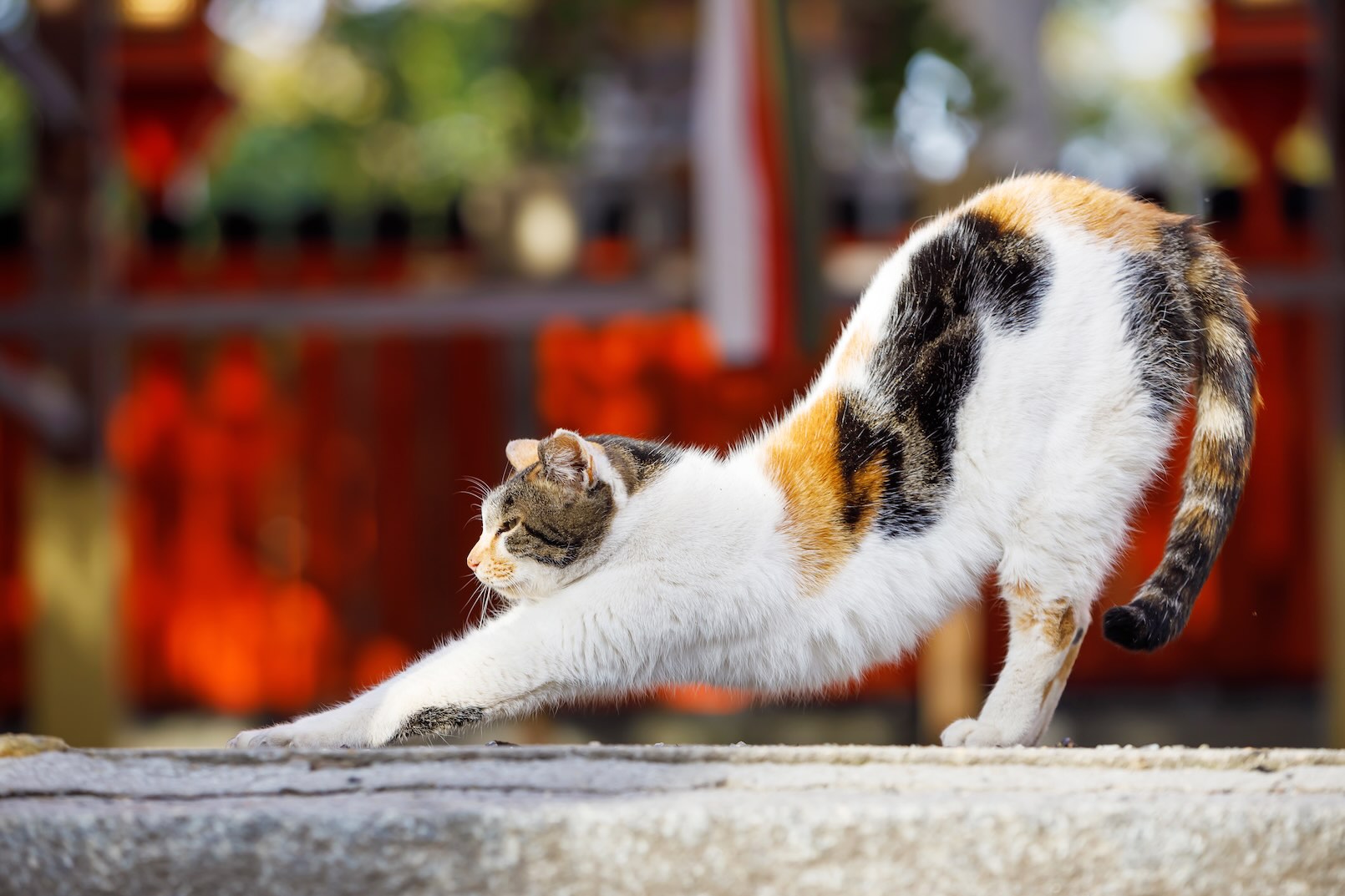
Photo by Adobe/KAEDE
The gene that determines whether a cat produces orange or black fur is carried on the X chromosome. Because female cats have two X chromosomes, that means they can carry the genetic instructions for both orange and black fur.
Early in embryonic development, different cells in female kittens randomly switch off one of their two X chromosomes. Some areas of the coat express the orange color gene, while others express the black color gene. This process, called X-chromosome inactivation, creates the patches of color seen in calico and tortoiseshell cats.
The white portions of a calico’s coat come from a separate gene that affects pigmentation. (More on that later.)
3. Nearly All Calico Cats Are Female
Nearly all tortoiseshell and calico cats are female because the genes for orange and black fur are carried on the X chromosome. Female cats have two X chromosomes (XX), while males have one X and one Y chromosome (XY). This makes male calicos extremely rare, but not impossible.
Most male calicos have an extra X chromosome, giving them an XXY pattern that allows both orange and black fur to appear in patches.
“Most of the time the [male calico] cat has an extra X chromosome, so it’s XXY instead of the normal XY,” explains Nathaniel Rakestraw, DVM, of TelaVets.com. “These guys are almost always sterile and can have some other health quirks tied to the chromosome difference.”
4. Tortoiseshell Is Not the Same as Calico
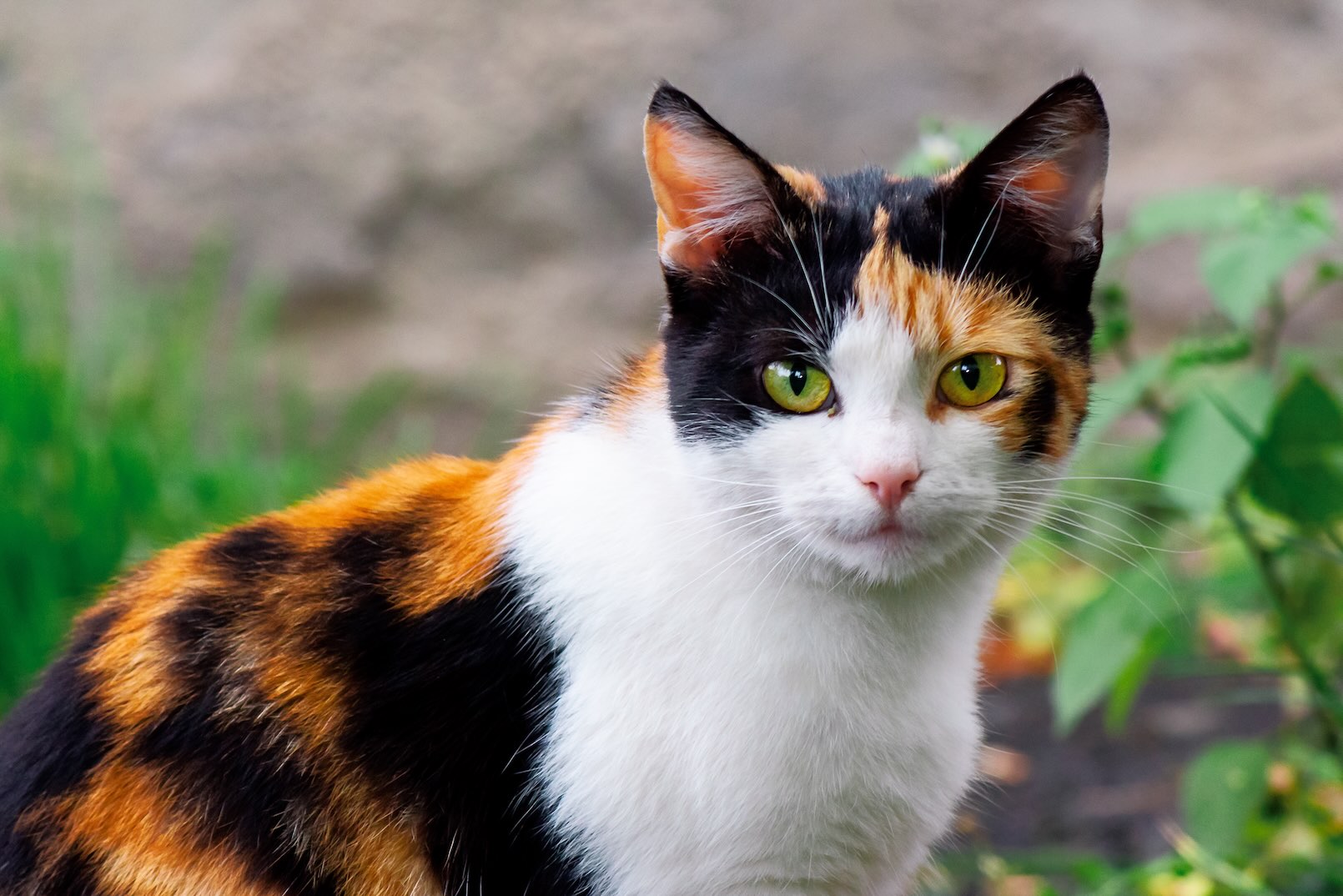
Photo by Adobe/Pellinni
Calico and tortoiseshell cats share similar coat-color genetics, but the easiest way to tell them apart is by looking at their markings.
Tortoiseshell cats, often called torties, have orange and black fur that is typically blended or mottled together, with little or no white. Calicos, on the other hand, typically have noticeable white patches that separate their orange and black markings, explains Dr. Placer.
Some cats display characteristics of both patterns. You may hear the term tortico used to describe a cat with tortoiseshell coloring and white patches.
5. Those White Patches Are Caused by a Different Genetic Mechanism
If you’re looking at both a calico and a tortoiseshell cat side by side, you’ll find that a calico is like a tortoiseshell but with crisp white patches. But how does that coloring difference occur?
Calico cats get their white patches through a genetic mechanism distinct from the one responsible for their orange and black fur. The piebald (white spotting) gene affects where pigment appears in the coat, helping create the distinctive three-color pattern.
The amount of white varies from cat to cat, which is one reason calico markings look so different. Some may have completely white torsos, while others just have cute white socks.
White spotting from the piebald gene can also appear in many other animals, including dogs and horses.
6. Coat Color Doesn’t Determine Personality
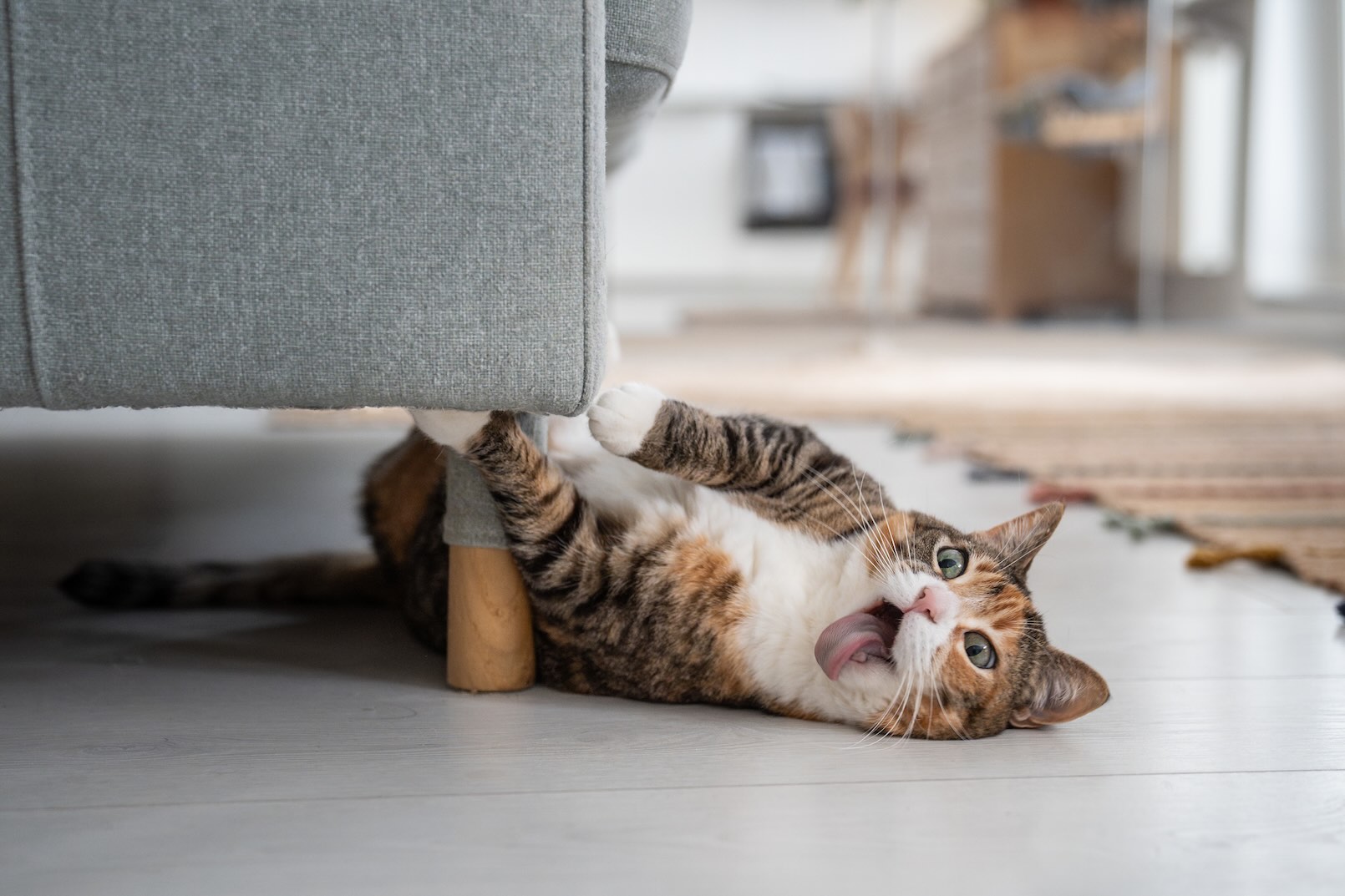
Photo by Irina Romanova/iStock / Getty Images Plus via Getty Images
You may have heard pet parents of calico cats refer to their feline friends as having a distinctive “calitude” (a play on “calico” and “attitude”). These pretty kitties have a reputation for being sassy and independent. But is there any truth to it?
Researchers at UC Davis Veterinary Medical Teaching Hospital conducted a study to find out if there’s any science behind the stereotype.
The results were more nuanced than you might expect. Pet parents of calico and tortoiseshell cats reported more frequent aggressive behaviors toward humans in certain situations. But since the study relied on surveys, it couldn’t actually establish that coat color causes these behaviors.
“While there is no proven genetic link between calico coloring and sassiness, many owners swear their calicos have larger-than-life personalities,” says Victoria Carmella, DVM, veterinarian advisor for Pet Honesty. “Every cat has a unique personality, and while coat color may be a small part of the picture, it certainly doesn’t tell the whole story.”
Bernstein also cautions against assuming that a cat’s coat determines their temperament. She says a cat’s upbringing, socialization, and individual experiences all help shape their personality. Some calicos are outgoing and playful (preferring to pounce on toys), while others are quiet and affectionate (and more likely found snoozing in a cat bed).
Recommended Products




7. Many Different Cat Breeds Can Have Calico Coats
Calico coloring can appear in several breeds, including American Shorthairs, Persians, Manx, British Shorthairs, and Maine Coons. Mixed-breed cats like domestic shorthairs and longhairs can have calico coats, too.
If you’re hoping to adopt a calico kitten, your local animal shelter or rescue may be a great place to start.
8. Dilute Calicos Have Softer Colorings
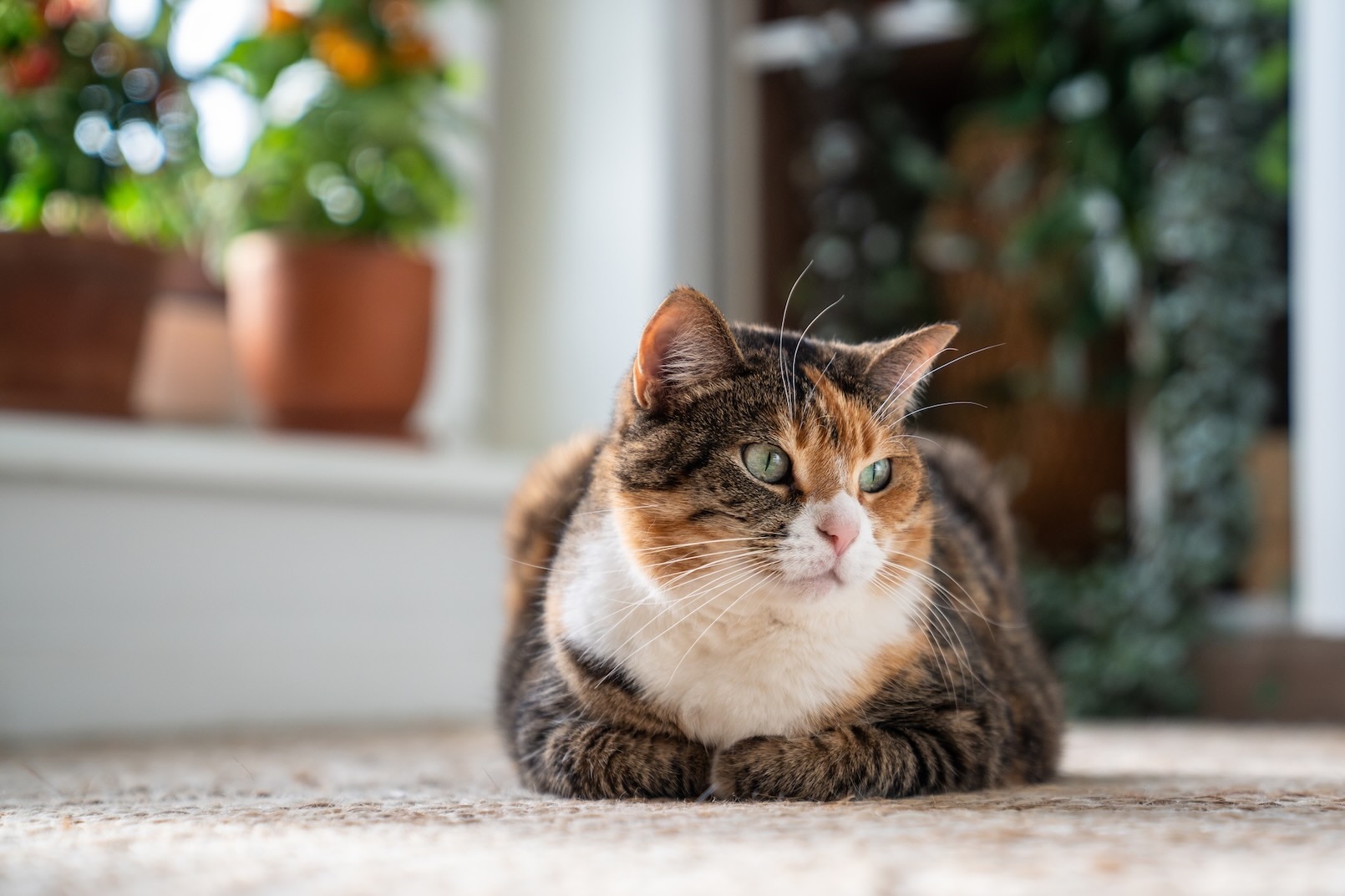
Photo by Dima Berlin/iStock / Getty Images Plus via Getty Images
Not every calico has the bold black, orange, and white coloring most people picture. A dilute calico has the same three-color pattern in softer, almost pastel shades—typically grayish-blue, peach or cream, and white.
This lighter coloring comes from a recessive gene that affects pigment distribution. Both parents have to pass along a copy of this gene for a kitten to have dilute coloring, explains Dr. Placer.
“The dilution gene simply changes how the colors appear,” she says. It doesn’t make a cat more likely to have particular personality traits or health problems.
9. No Two Calicos Have Exactly the Same Coat
Because calico markings develop through a random process early in embryonic development, each cat has a unique arrangement of colors. Even kittens from the same litter can have noticeably different calico patterns.
“The patches of color aren’t completely predetermined,” Dr. Placer says. “They develop through a random process before the kitten is even born, which means no two calicos will have exactly the same pattern.”
10. Calico Cats Have Held World-Famous Positions
One of the most famous calico cats in the world became a local celebrity in Japan not for her looks alone, but for her unusual job.
Tama was a calico cat who served as stationmaster at Kishi Station on the Wakayama Electric Railway’s Kishigawa Line. She was appointed stationmaster in 2007 in an effort to boost declining rider numbers and became a celebrated example of Japan’s “nekonomics”—the economic impact of cat mascots.
As a former stray raised near the station, Tama rose to fame and attracted record numbers of visitors to the railway and surrounding areas. Tama’s celebrity status was estimated to generate 1.1 billion yen in economic benefits for the local community.
After she died in 2015, Tama was honored with a shrine at the station, and her feline successors—including Nitama and Yontama—have continued her tradition by greeting passengers from the stationmaster’s office.
Attributions