Norwegian Forest Cat vs. Maine Coon: Which Large Cat Breed Is Best for You?


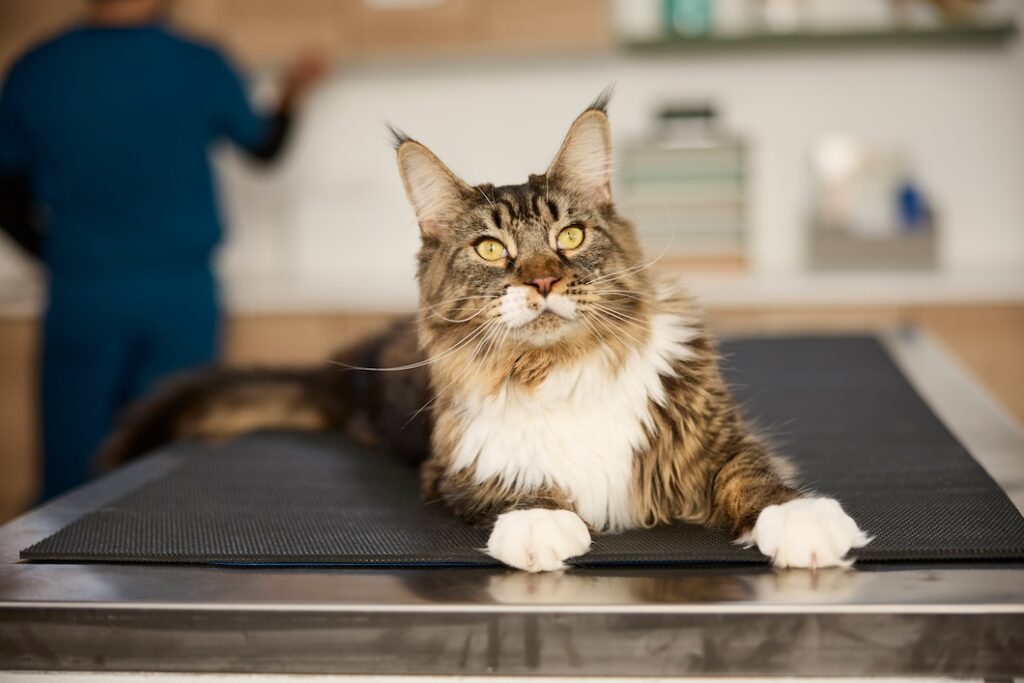
Photo by Chewy
If you’re thinking about bringing a longhaired cat into your home, you’ve likely considered the Norwegian Forest Cat and the Maine Coon. These two breeds are often mistaken for one another thanks to their large size and luxurious coats.
While they do share many similarities, there are important differences in appearance, temperament, care needs, and health considerations. Understanding the differences between a Norwegian Forest Cat versus a Maine Coon can help you decide which breed is the better fit for your lifestyle.
Key Takeaways
- Maine Coons are typically larger and more social than Norwegian Forest Cats.
- Both breeds have a thick, long coat, but Maine Coons might need more frequent grooming.
- Both breeds are smart and need daily enrichment to stay happy and healthy.
- While generally healthy, both breeds are susceptible to conditions that make regular vet care important.
History
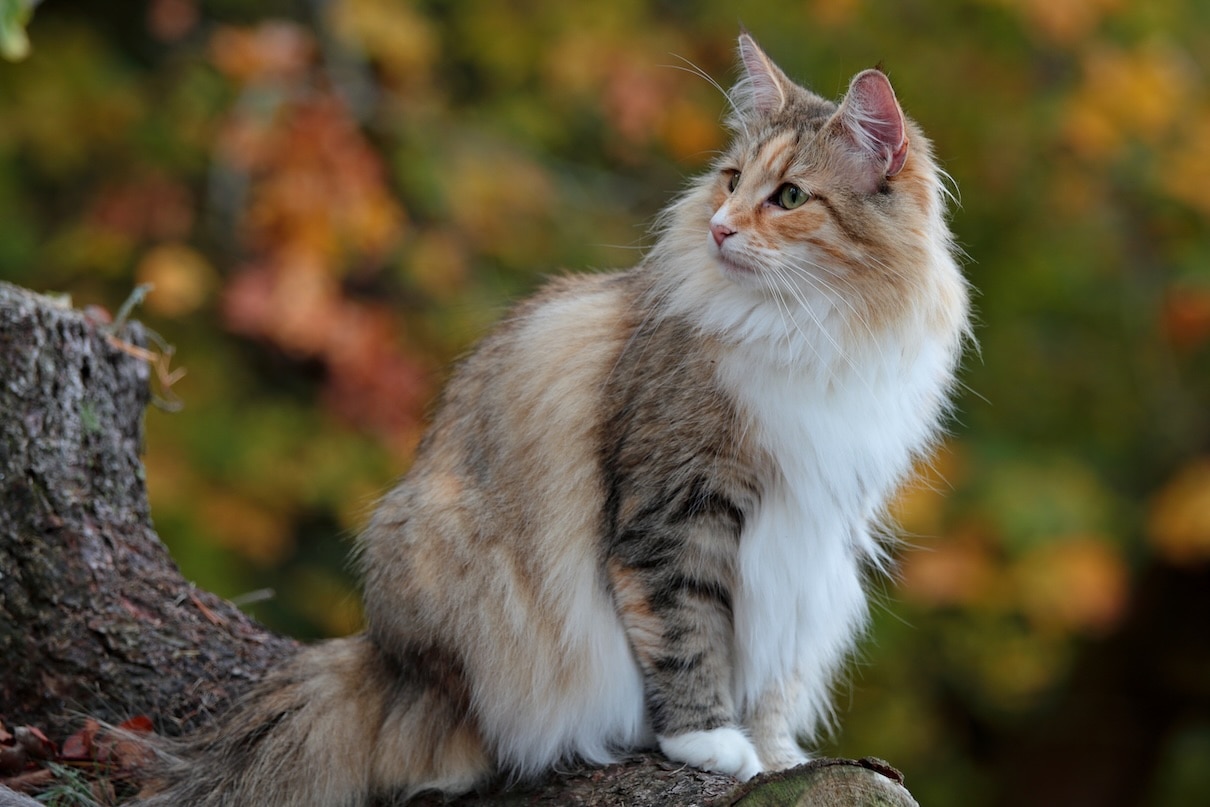
Photo by Adobe/puteli
Hailing from Norway, Norwegian Forest Cats owe their looks to evolution, which gave them their thick, water-resistant double coat and a bushy tail to stay warm during Scandinavian winters. Some speculate that Vikings used Forest Cats to hunt rodents on their ships, according to the Cat Fanciers’ Association. Although the breed almost went extinct during World War II, dedicated breeders were able to return them to a healthy population.
The Maine Coon is one of the oldest cat breeds from North America, thought to have developed in the state of Maine. Most experts believe they evolved naturally, without strategic breeding at the hands of humans. Their large size, tufted ears, and shaggy coats helped them thrive in cold New England climates.
Appearance
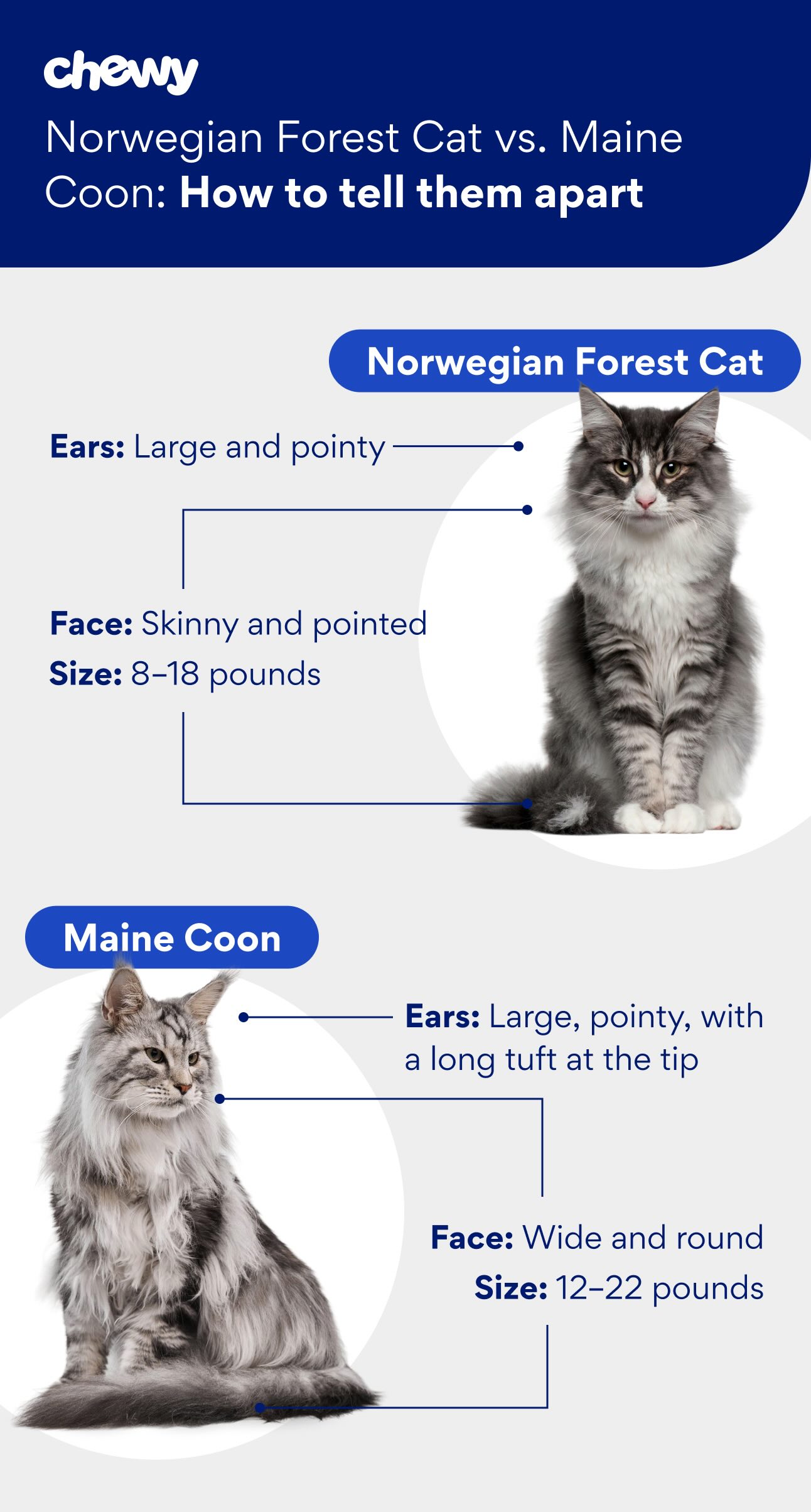
Photo by Chewy
Although Maine Coons and Norwegian Forest Cats look similar at first glance, a few key physical traits set them apart.
- Size: Both are large cats, but Maine Coons are generally larger. They typically weigh 12–22 pounds and are the largest domestic cat on average. Norwegian Forest Cats usually weigh 8–18 pounds.
- Coat: Both breeds have a long, eye-catching coat with a ruff that resembles a lion’s mane. The Norwegian Forest Cat’s coat is slightly shorter, with a water-repellent topcoat that helps keep them warm. A Maine Coon’s double coat is shaggier, with shorter layers around the belly and legs.
- Muzzle: Maine Coons have a wide head and round muzzle, while Norwegian Forest Cats feature a pointier, more triangular head.
- Ears: Both have large, pointy ears. Maine Coon ears are adorned with fur growing at the tips, known as ear tufts or lynx tips. Norwegian Forest Cats can have this tuft as well, but it’s not a constant trait of the breed.
- Tail: Both have a long, bushy tail.
Personality
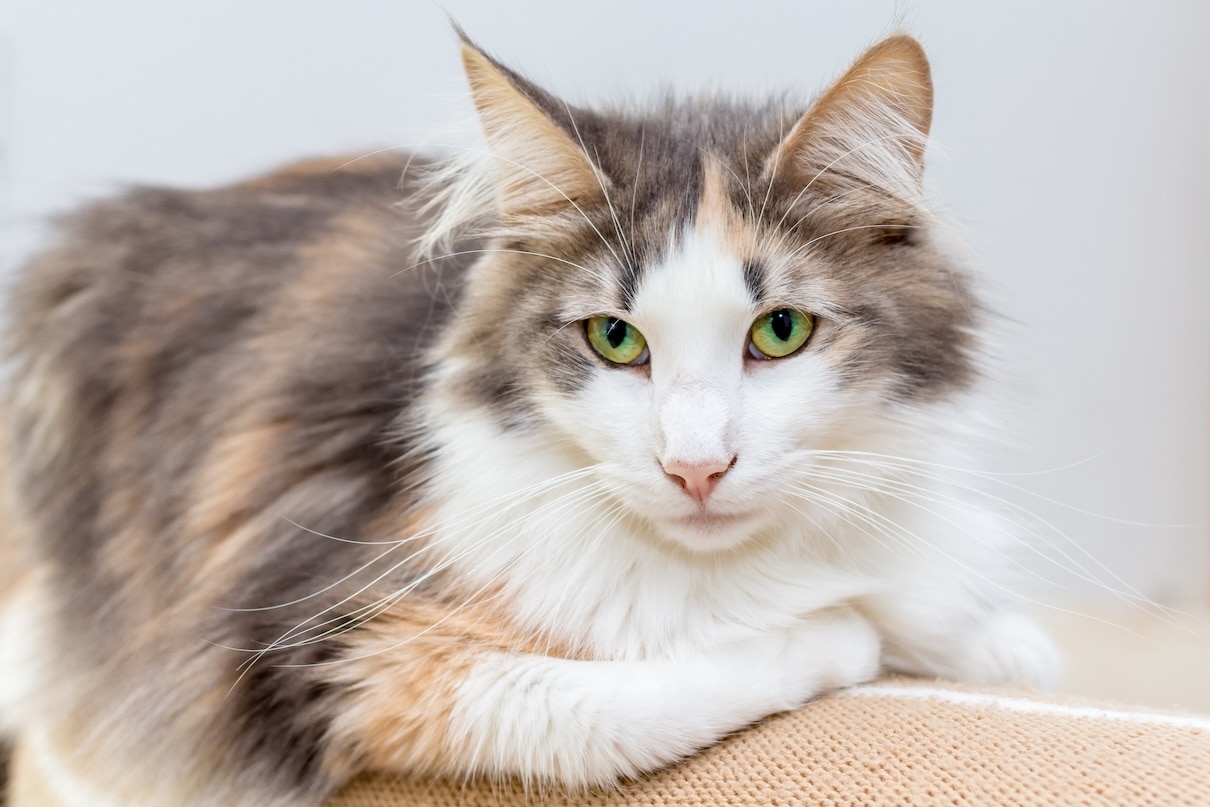
Photo by Adobe/PawelG Photo
Both breeds are known for being affectionate and intelligent, but their social styles differ.
“Norwegian Forest Cats can be a little more cautious or standoffish,” says Rita Reimers, certified cat behaviorist and former pet parent to both breeds.
She says Wegies, as they’re sometimes known, are happy to show their love. But they do so selectively, often choosing to observe a situation long before they interact with it. Compared to Maine Coons, they’re a bit more independent and less likely to seek constant physical affection.
Maine Coons, on the other hand, have earned a reputation as highly social companions.
“They call Maine Coons the dog of the cat world because they’ll follow you around the house,” Reimers says.
Maine Coons are generally loyal and loving, with a tendency to bond with one person in particular. Although they’re not necessarily lap cats due to their size, they do crave interaction and companionship and will join you on the couch or for an afternoon nap.
They’re also extremely talkative, known for making trills, grunts, and chirps to get their point across.
Exercise Needs
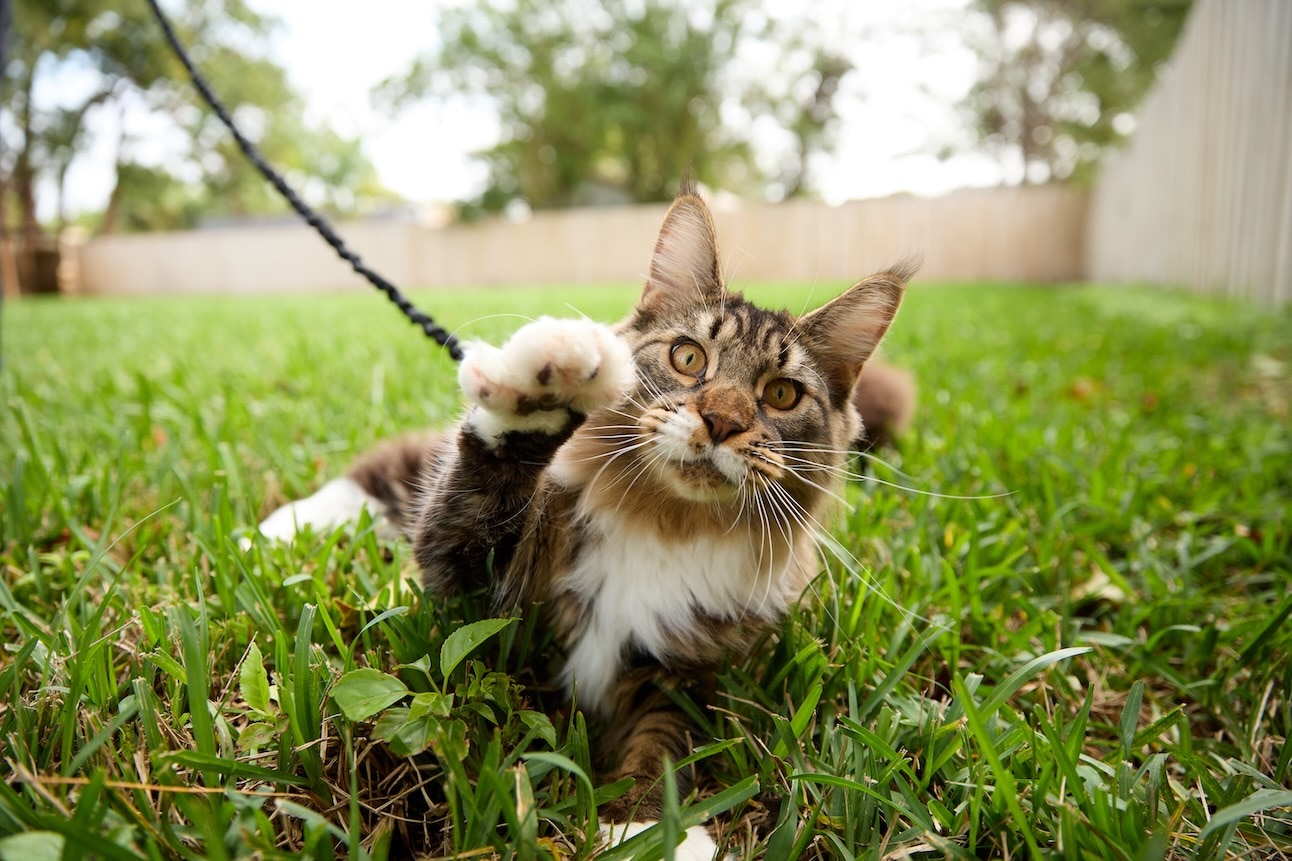
Photo by Chewy
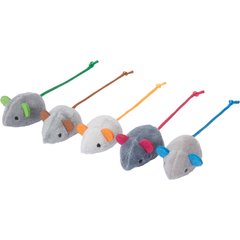
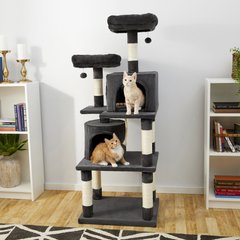
Like all cats, both Norwegian Forest Cats and Maine Coons need enough mental and physical engagement to keep them healthy and out of trouble. Encourage activity with wand toys, laser pointers, and chaser toys, and aim for about 30 minutes of activity a day.
Recommended Products
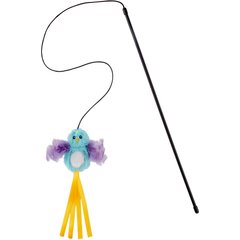
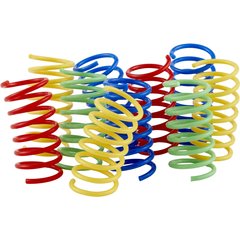
“Exercise and mental stimulation are especially important because both breeds are intelligent and socially engaged,” says Kathryn Dench, MA VetMB, chief scientific advisor at Paw Origins. “I often tell [pet parents] these breeds are the Golden Retrievers of the cat world because they tend to thrive when actively involved in household life rather than being treated as decorative pets.”
Puzzle feeders, interactive toys, and places to climb are great for both breeds. Norwegian Forest Cats are particularly skilled hunters and will enjoy toys that mimic prey.
Recommended Products
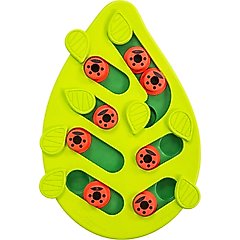
Maine Coons, on the other hand, have a unique fascination for water. If your Maine Coon seems water-curious, you can try encouraging exercise with electronic swimming fish and inviting them to splash in the tub.
Grooming
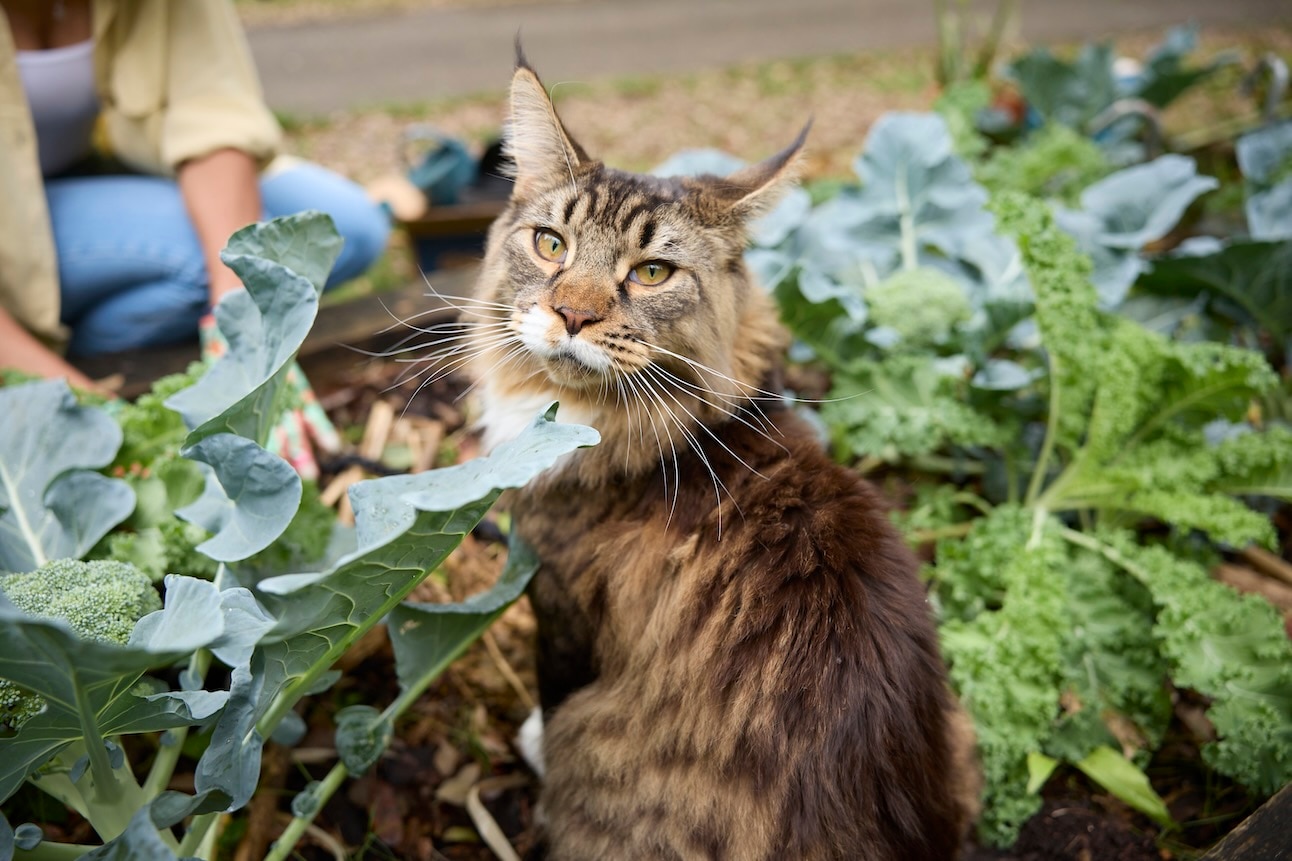
Photo by Chewy
Both breeds require regular grooming, but Maine Coons require more frequent brushing—ideally once a day, or three times a week at a minimum.
“Maine Coons often require more routine detangling around friction areas like the armpits, belly, and hindquarters because their coat texture can mat easily,” Dr. Dench says.
Norwegian Forest Cats can go longer in between brushings, requiring only weekly brushing rather than daily brushing. This helps their coat look healthy and smooth, and it prevents any irritation.
“Regular grooming is not just cosmetic,” Dr. Dench says. “Mats can become painful and even contribute to skin infections underneath.”
There are a few go-to tools you can turn to:
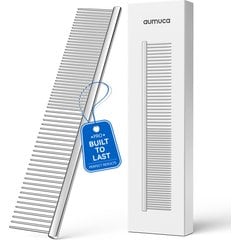
- A steel comb can gently work out tricky tangles.
Recommended Product
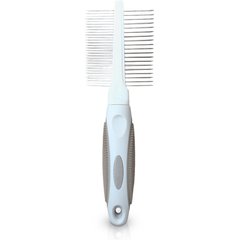
- A pin brush like the Ocean Plastic Double-Sided Cat Comb offers versatility with its two sides. The side with wider teeth is best for the body and tail, while the closer-together teeth work best for brushing your cat’s neck, ears, cheeks, and other sensitive areas.
Recommended Product
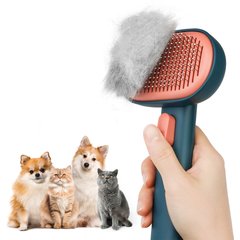
- A slicker brush removes loose hair during routine brushing sessions.
Recommended Product
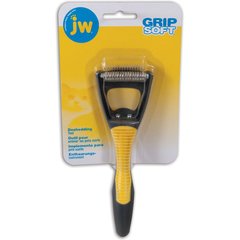
- A deshedding tool is best used a few times throughout spring and fall shedding seasons. This removes loose hair and reduces fur in your home.
Recommended Product
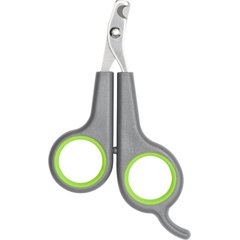
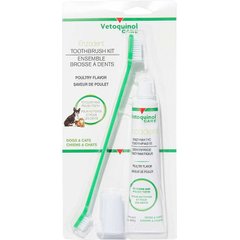
Neither breed requires baths, but both should receive routine nail and dental care. Aim to trim your cat’s nails once a month, and practice brushing your cat’s teeth at home between professional cleanings.
Recommended Products
Health
These large cats have a slightly shorter lifespan than the average domestic cat, with Maine Coons living 10–13 years and Norwegian Forest Cats living 13–15 years.
Both are considered natural breeds, meaning they developed through natural selection and generally have fewer inherited health concerns than many other purebred cats. Still, there are a few issues pet parents should be aware of, Dr. Dench says.
Both breeds can develop:
- Hypertrophic cardiomyopathy (HCM): HCM is the most common heart disease in cats, and both the Maine Coon and Norwegian Forest Cat are predisposed.
- Hip dysplasia: This occurs when the hip joint and femur bone don’t properly align, causing mobility issues. Treatment depends on the severity and can range from joint supplements to surgery.
Norwegian Forest Cats are also predisposed to a condition called glycogen storage disease type IV, a rare but serious genetic disorder. It’s important to make sure you are adopting your Wegie from a trusted breeder who screens their cats for both HCM and glycogen storage disease type IV.
And because “Maine Coons are typically larger and slower to mature,” Dr. Dench says, they may be more susceptible to obesity and mobility issues if weight gain becomes excessive.
Dr. Dench notes that overweight large-breed cats face significantly higher risks of arthritis and diabetes over time. So for both breeds, maintaining a healthy body weight is critical.
Norwegian Forest Cat vs. Maine Coon: Which Is the Breed for You?
| Size | Lifespan | Personality | Grooming Needs | Health Considerations | |
|---|---|---|---|---|---|
| Norwegian Forest Cat | 8–18 pounds | 13–15 years | Smart, independent, sweet | Moderate to high | HCM, glycogen storage disease type IV, hip dysplasia |
| Maine Coon | 12–22 pounds | 10–13 years | Affectionate, loyal, social | High | HCM, hip dysplasia, obesity, arthritis |
Ultimately, choosing between a Norwegian Forest Cat and a Maine Coon comes down to personal preference. If you’re looking for an independent yet devoted companion, the Norwegian Forest Cat may be an excellent match. If you’d prefer an especially social and cuddly cat and don’t mind daily brushing, a Maine Coon could be the better fit.
Whichever you choose, be ready to offer lots of enrichment, attention, and regular grooming to these intelligent, affectionate breeds.
Attributions