10 Large Cat Breeds That Give You Lots to Love


Photo by iStock/Getty Images Plus via Getty Images
When choosing a feline companion, bigger isn’t always better—but it sure can be a whole lot cuddlier. From fluffy lap cats to energetic adventurers, large cat breeds are known for their striking looks, affectionate personalities, and larger-than-life presence in the home.
Key Takeaways
- Large cat breeds can be affectionate, people-oriented companions—many are gentle and social at home.
- “Large” varies by breed; adult weights in this list range from 6–25 pounds, so match size and energy level to your household.
- Active large breeds (like Bengals and Savannahs) need daily enrichment: interactive play, climbing space, and mental stimulation.
- Bigger cats often need sturdier gear (large litter boxes, supportive beds, stable scratching posts/cat trees), and consistent vet care to support healthy weight and joints.
What Are the Biggest Types of Domestic Cats?
While some giant breeds of cats have wild appearances and athletic builds, many are surprisingly gentle and easygoing. Whether you’re looking for a playful companion, a loyal shadow, or a cat who doubles as a weighted blanket, each of these large domestic breeds can add peace and smiles to your home life.
1. Maine Coon
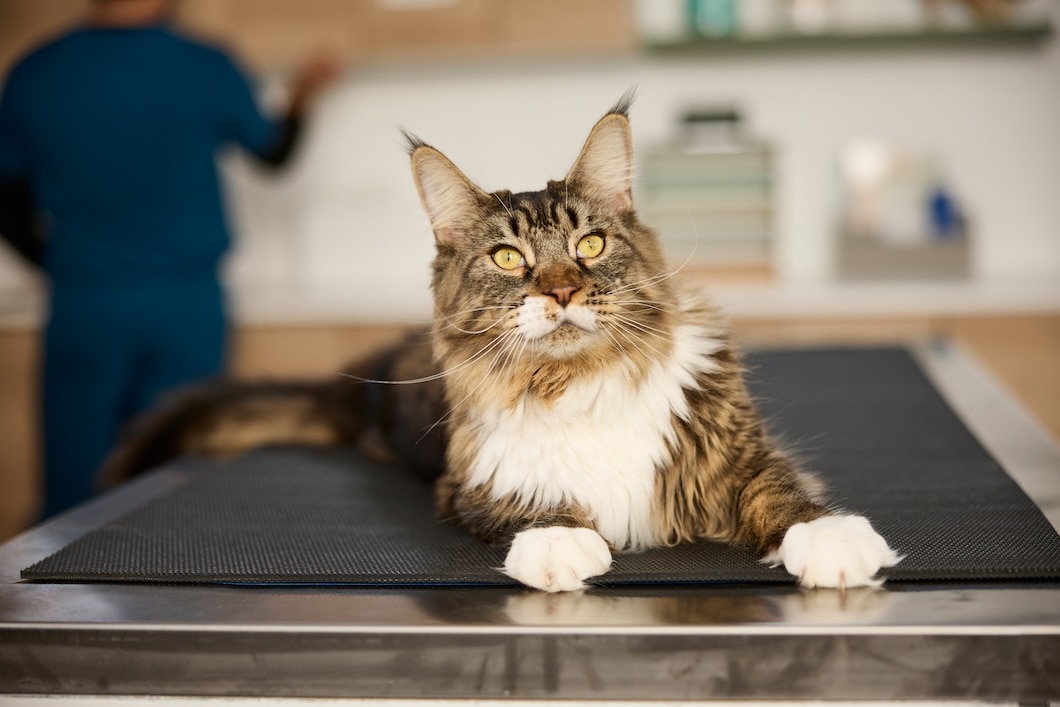
Photo by Chewy
- Size: 10–25 pounds
- Lifespan: 12–15 years
- Temperament: Friendly, playful
Generally known as the biggest domestic cat, the Maine Coon is as affectionate as they are large. These gentle giants will happily follow you around—whatever it takes to stay by your side.
Their playful nature can mean they get mischievous from time to time, but their friendly temperament will keep you wrapped around their toe beans.
2. Norwegian Forest Cat
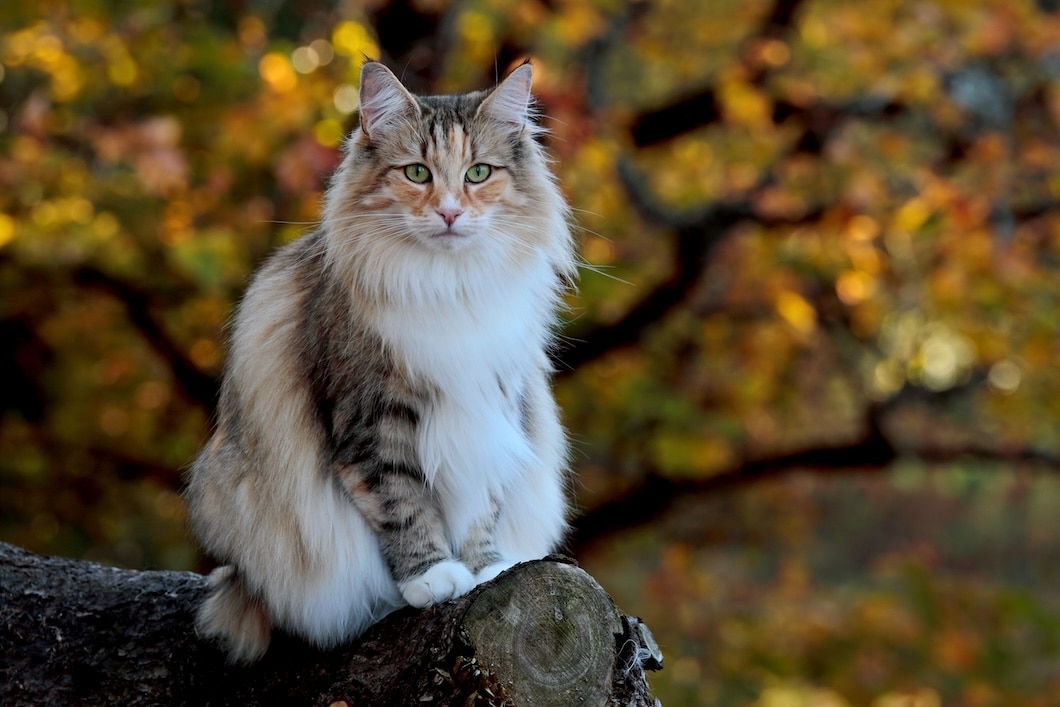
Photo by Oleh_Slobodeniuk/iStock via Getty Images
- Size: 8–18 pounds
- Lifespan: 13–15 years
- Temperament: Gentle, adaptable
The Norwegian Forest Cat—also known as the Wegie—is another friendly cat, so they’re a great large breed for families with children or other cats and dogs. Their long, fluffy coat gives them a regal appearance and makes them look even bigger than they are.
3. Siberian
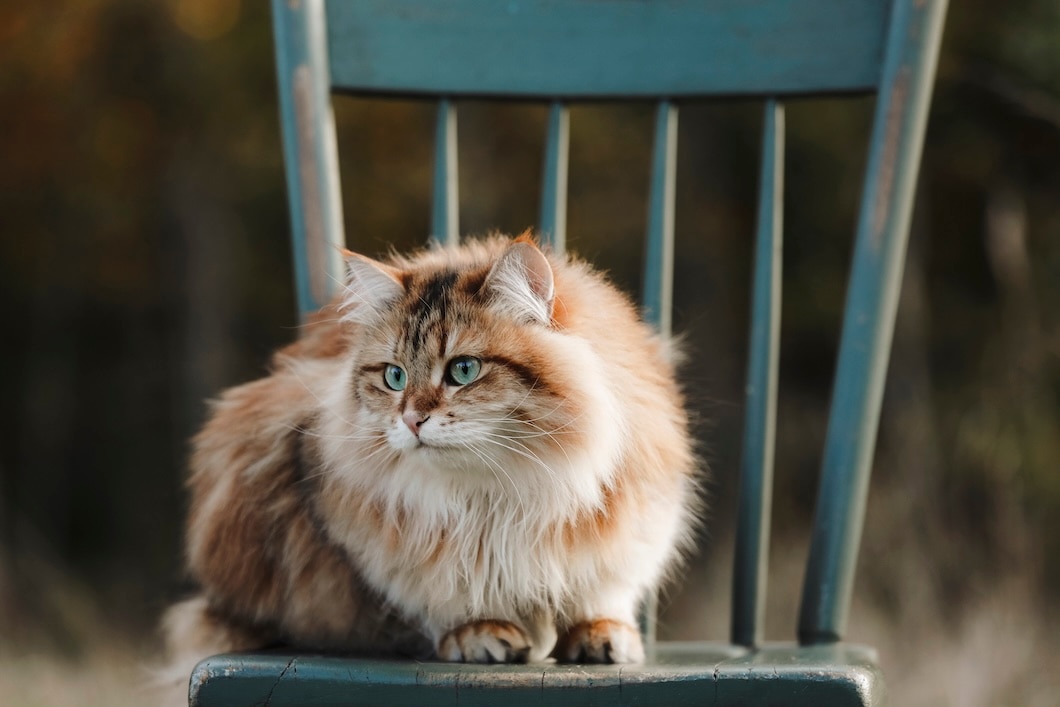
Photo by LindaYolanda/E+ via Getty Images
- Size: 12–15 pounds
- Lifespan: 11–18 years
- Temperament: Calm, affectionate
With long, luscious hair that some consider hypoallergenic (although no cat truly is), the Siberian can be a good pick for families with cat allergies. This large and cuddly breed will be your shadow, patiently waiting for the next opportunity to curl up by your side.
4. Bengal
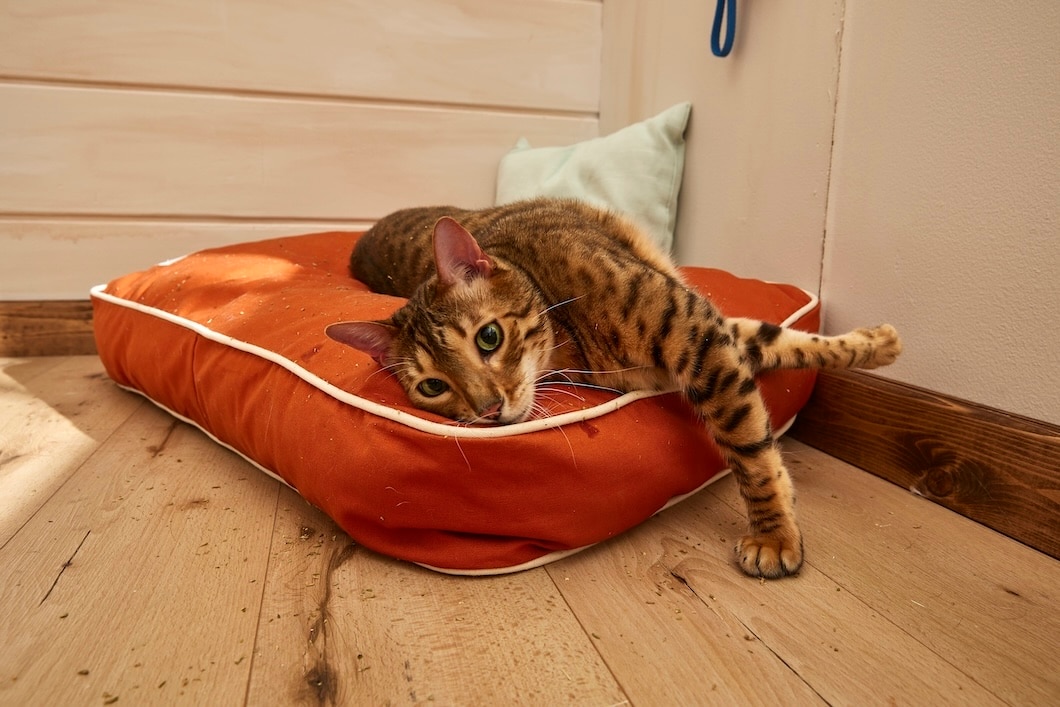
Photo by Chewy
- Size: 6–15 pounds
- Lifespan: 12–17 years
- Temperament: Social, energetic
The Bengal remains one of the most popular cat breeds, thanks to their lively personality and striking appearance.
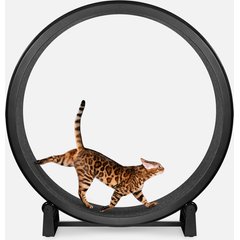
These cats are smart and adventurous, so they do best with families who enjoy their high energy and have plenty of ways to keep them engaged. Play with your cat every day with wand teasers and chasers—you can even invest in a cat exercise wheel.
Recommended Products


5. Savannah
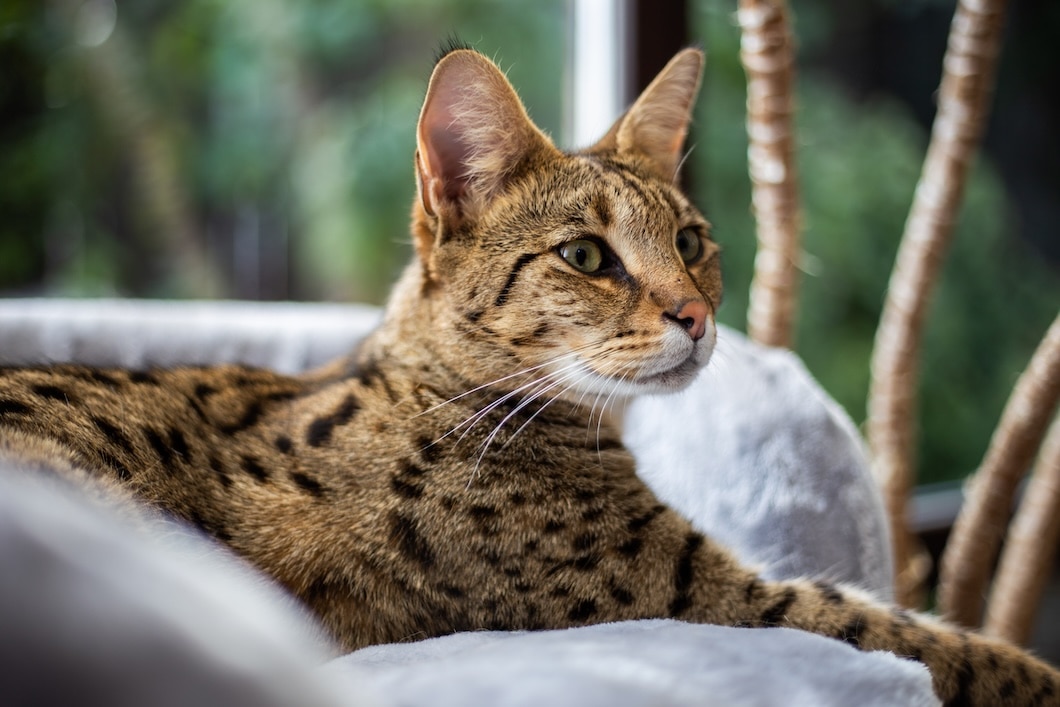
Photo by Hennadii Naumov/iStock/Getty Images Plus via Getty Images
- Size: 12–25 pounds
- Lifespan: 12–15 years
- Temperament: Active, independent
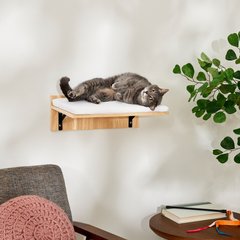
With a striking, spotted coat resembling that of their wild ancestor, the African Serval, the Savannah is an exotic option when it comes to large domestic cat breeds. These cats are highly active and will need plenty of spaces to climb and explore, like cat trees, window perches, and cat shelves.
Recommended Products
6. Ragdoll
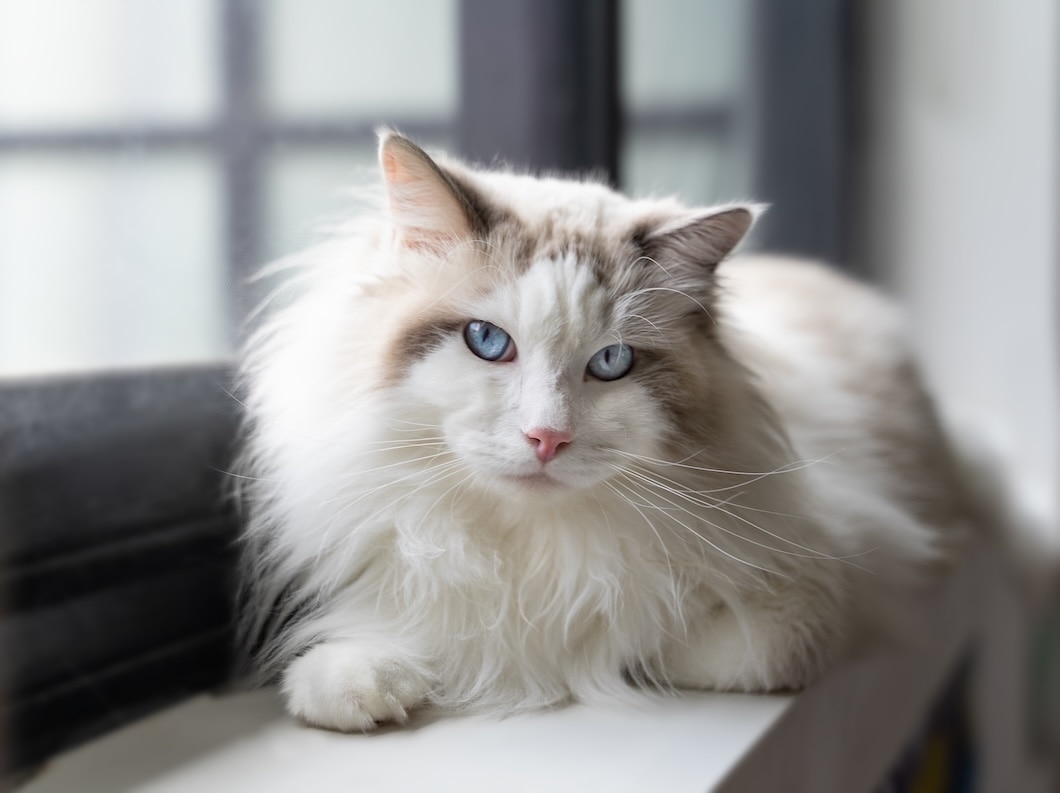
Photo by Julia Gomina/iStock/Getty Images Plus via Getty Images
- Size: 10–20 pounds
- Lifespan: 13–18 years
- Temperament: Laid-back, loving
Like their name suggests, Ragdoll cats will often go limp when receiving pats and affection from their people. That makes the Ragdoll one of the cuddliest of all big domestic cats.
Because they’re so chill, they often need encouragement to play so they can stay active and avoid weight gain.
7. RagaMuffin
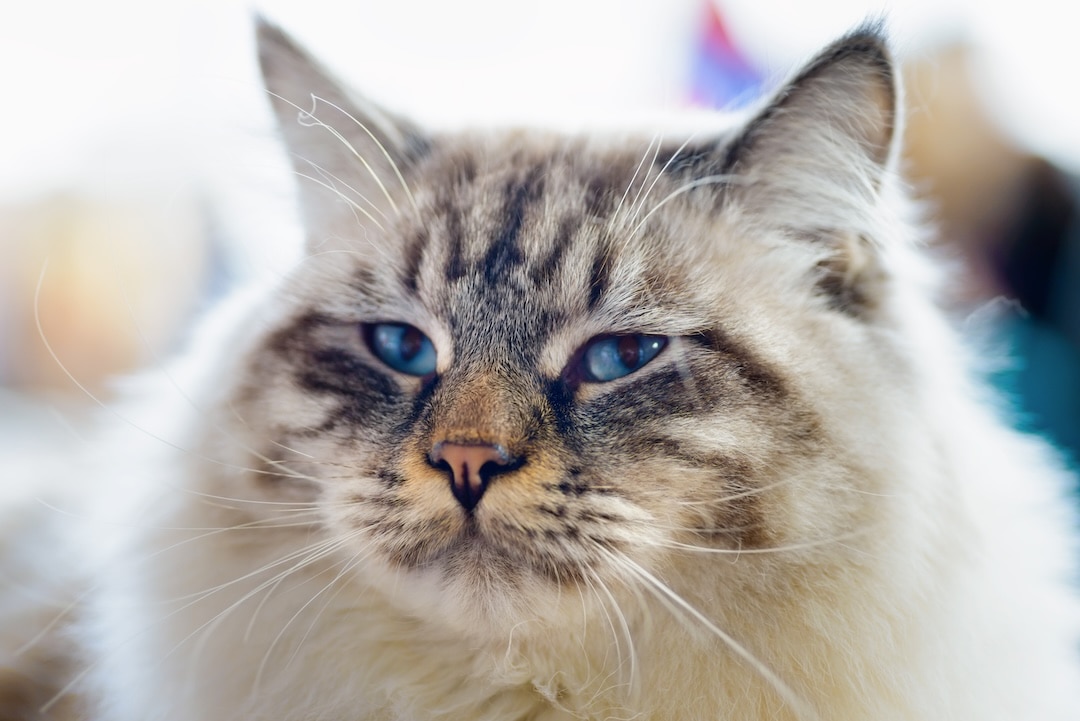
Photo by Adobe/Sergey Skleznev
- Size: 8–20 pounds
- Lifespan: 12–18 years
- Temperament: Sweet, snuggly
One of the largest feline breeds, the RagaMuffin will continue to grow until age 4. Whatever size or age, this breed is the epitome of a lap cat, but they also love a good playtime.
Despite their long, silky coats, RagaMuffins do not require daily grooming. Brushing them once or twice a week is usually enough to keep their coats healthy.
Recommended Product

8. American Bobtail
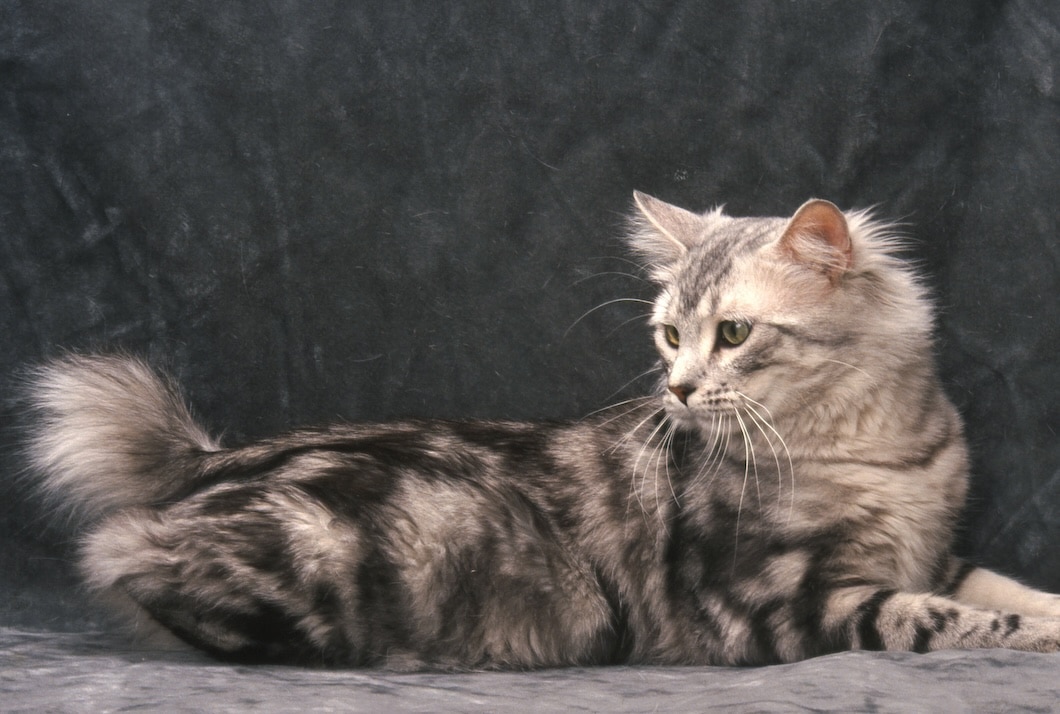
Photo by Adobe/Callalloo Twisty
- Size: 7–16 pounds
- Lifespan: 11–15 years
- Temperament: Smart, social
The American Bobtail has a short tail and a wild expression—but don’t let that look fool you. Though they were bred to resemble bobcats, this giant domestic cat is quite affectionate and will be happy to socialize with kids and pets alike.
9. British Shorthair
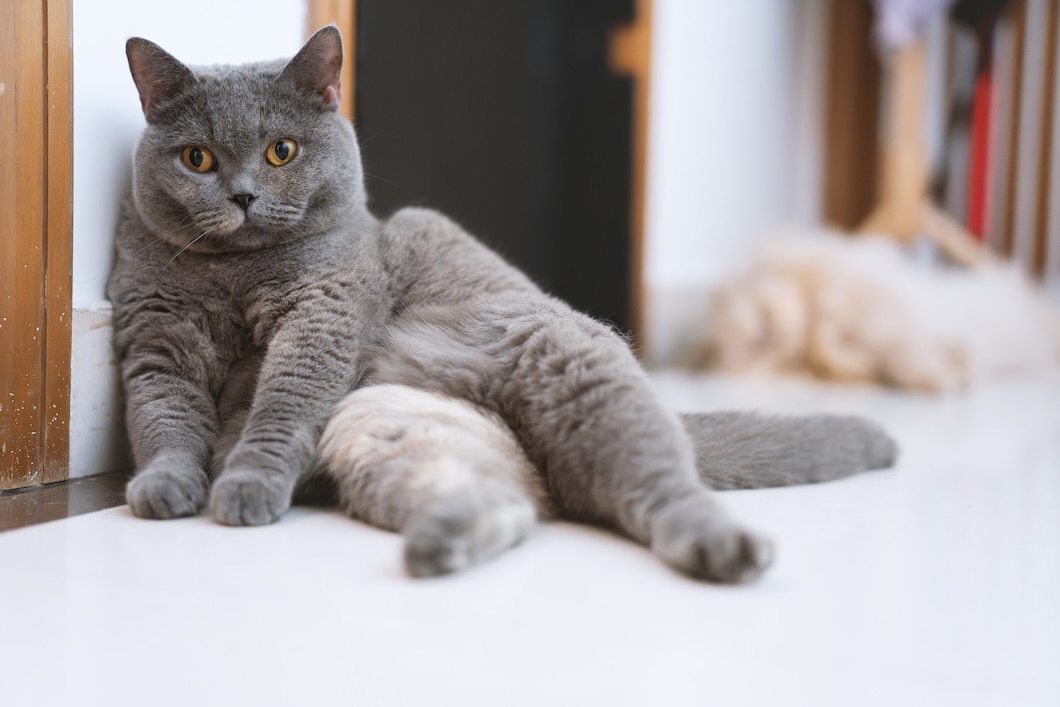
Photo by chuangxin zhou/iStock/Getty Images Plus via Getty Images
- Size: 9–18 pounds
- Lifespan: 12–17 years
- Temperament: Calm, loving
With their silky, short coat and round face, the British Shorthair will be quick to earn your affection. Known for enjoying their humans without being clingy, this cute, large house cat will keep you company.
10. Turkish Van
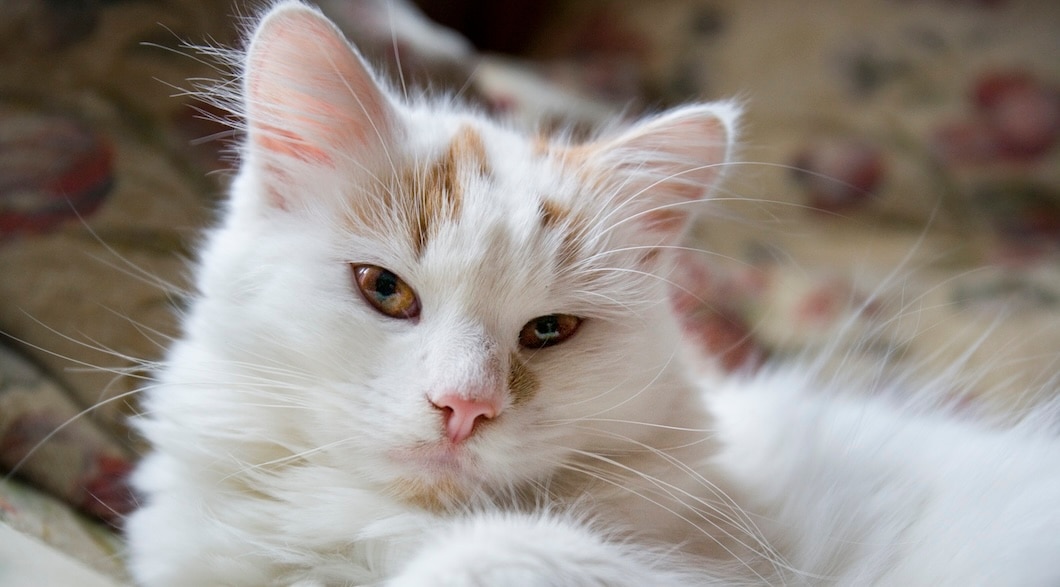
Photo by Andrew Linscott/iStock/Getty Images Plus via Getty Images
- Size: 8–20 pounds
- Lifespan: 13–17 years
- Temperament: Fun-loving, curious
A rare and ancient breed, the Turkish Van wears a unique, water-resistant coat that allows them to swim and play in water. They love to splash around and explore, whether it’s the bath or a puddle.
Turkish Vans are loyal, loving, and highly intelligent, making them an engaging and enjoyable cat companion.
How To Care for Large Cat Breeds
Large cat breeds come with a few extra care considerations.
Choose the Right Gear
Because these cats are heavier and taller than the average feline, they need roomy litter boxes, oversize beds, and sturdy scratching posts that can comfortably support their weight.
Recommended Products
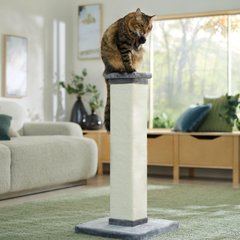
Cat trees and window perches should also be securely anchored to prevent tipping or injury during play.
Prioritize Exercise
Exercise is especially important, as some giant breeds of cats are prone to sedentary behavior and weight gain. Interactive toys, secure climbing spaces, and regular play sessions can help keep them active and mentally stimulated.
Stay Vigilant for Health Concerns
Pet parents should also stay informed about breed-specific health concerns. For instance, Maine Coons and Norwegian Forest Cats can be susceptible to hip dysplasia and joint issues due to their larger frames.
Routine veterinary care, a balanced diet, and maintaining a healthy weight can go a long way in supporting your cat’s long-term health and mobility.
Attributions