10 Orange Cat Breeds Packed With Personality


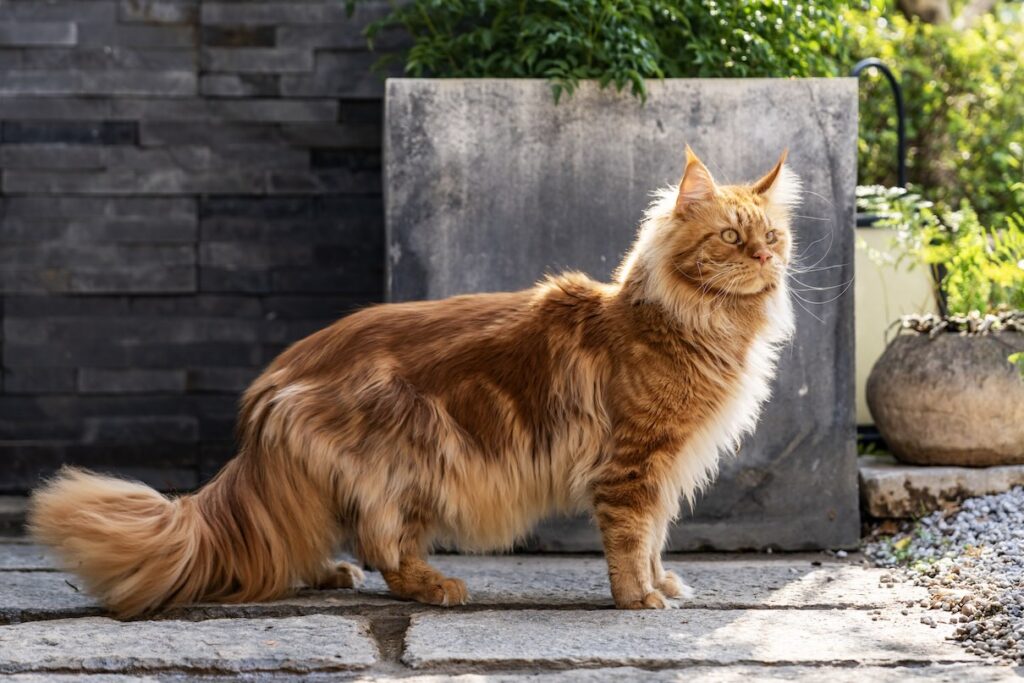
Photo by owngarden/E+ via Getty Images
Garfield, Puss in Boots, and Heathcliff are just a few famous orange domestic cats who have taken center stage in comics and movies. These felines are often depicted as clever, witty, and mischievous, helping orange cats earn a memorable reputation.
In real life, many cat breeds can have an orange coat and bring just as much delight to your daily routine. Keep in mind that orange is just one possible coat color for these breeds; many other shades and patterns are possible, too.
Find your next feline friend among these 10 orange cat breeds.
Key Takeaways
- Many different cat breeds can have an orange coat.
- Most orange cats are male; only about 20% are female.
- Popular orange cat breeds include the Maine Coon, Manx, and Persian.
- When choosing a cat, consider their individual personality and care needs—not just their appearance.
10 Orange Cat Breeds
1. Abyssinian
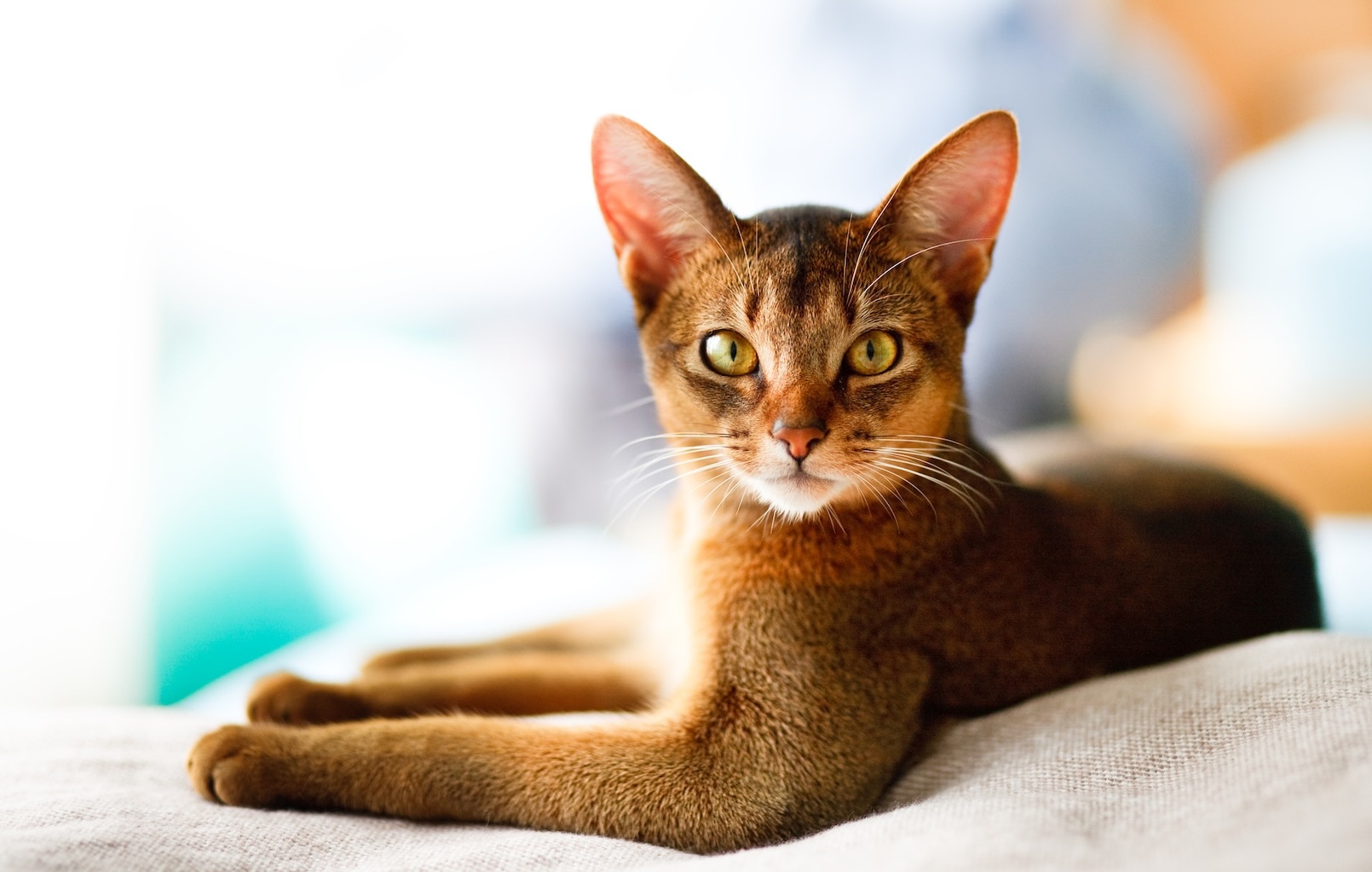
Photo by anobis/iStock / Getty Images Plus via Getty Images
- Size: 6–12 pounds
- Lifespan: 14–17 years or more
- Temperament: Energetic, playful, affectionate
The athletic Abyssinian sports a ruddy coat, which is a rich, warm shade of orange. The striking color suits these elegant felines, who are characterized by a long-legged, svelte build and large, almond-shaped eyes.
When it comes to this orange cat’s behavior, expect an Abyssinian to stick to you like glue. These cats are known for following their pet parents around the house, usually hoping for playtime.
Abyssinians can become mischievous if they don’t receive enough mental enrichment, so make it a priority to give them plenty of attention and toys each day.
Recommended Products
2. American Shorthair
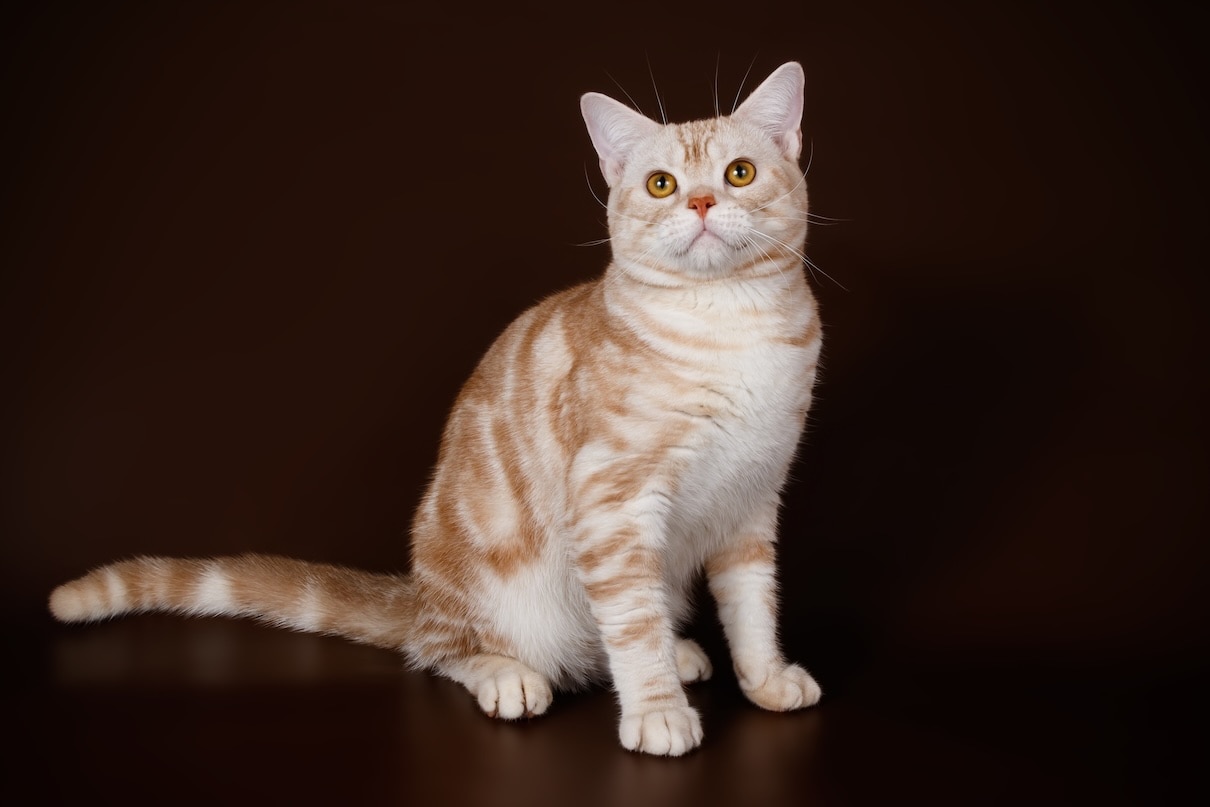
Photo by Adobe/Aleksand Volchanskiy
- Size: 6–15 pounds
- Lifespan: 15–20 years
- Temperament: Social butterfly, adaptable, playful
The American Shorthair is a popular, friendly cat breed with a coat that can come in many shades and patterns, including a rich red that often appears orange.
The American Shorthair’s unique coat feels textured without losing softness. And that’s a good thing because American Shorthairs frequently crave touch. Generally, these affectionate and sociable cats love to be by your side, especially when you pet them just right.
3. British Shorthair
- Size: 10–17 pounds
- Lifespan: 12–20 years
- Temperament: Calm, loyal, affectionate
The British Shorthair is a stout cat with a plush coat, round face, and bright eyes. Although blue is the breed’s best-known coat color, British Shorthairs come in many other colors, including orange-red shades.
British Shorthair cats are social and form close bonds with their family members. They’re also generally a low-energy breed that may prefer napping to scaling cat trees, so make sure they have plenty of cozy resting spots, such as cat beds and blankets.
Recommended Products
4. Maine Coon
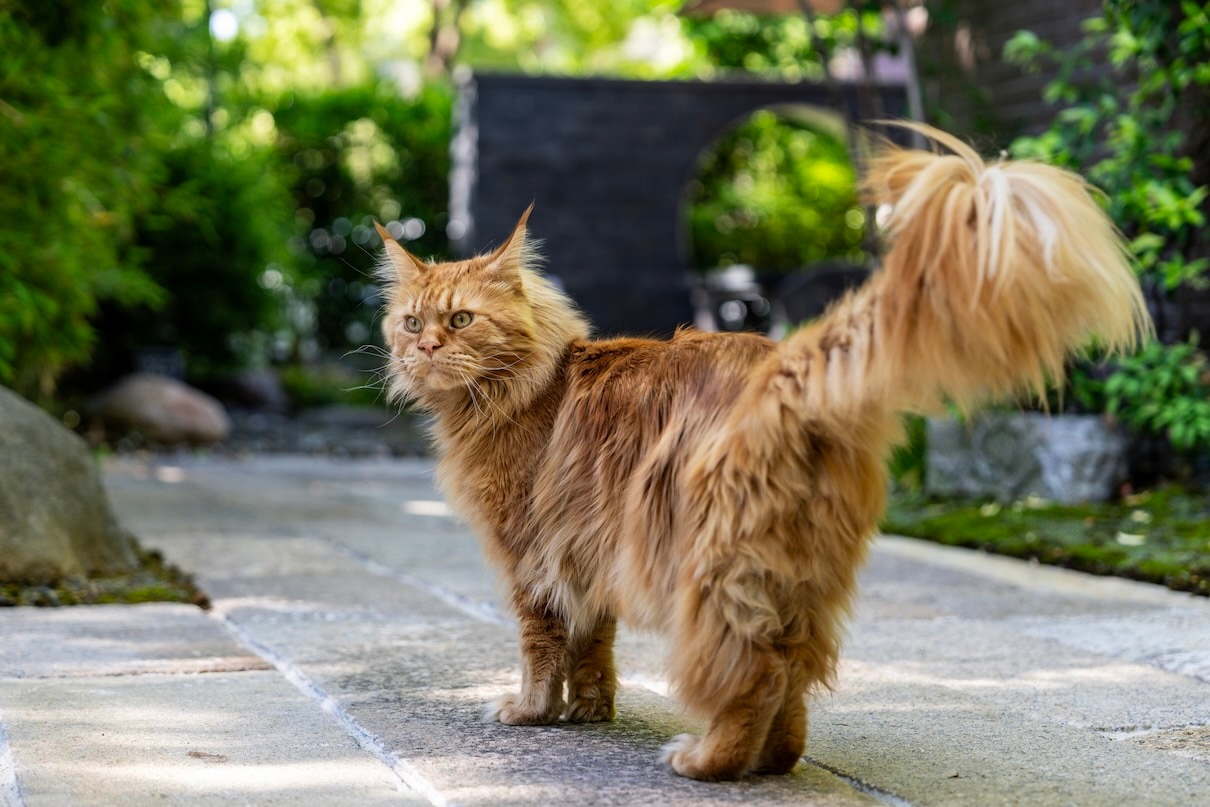
Photo by owngarden/E+ via Getty Images
- Size: 12–22 pounds
- Lifespan: 10–13 years
- Temperament: Intelligent, loving, loyal
Large and lovable Maine Coon cats have a prominent neck ruff, a big, fluffy tail, and pointed ears. An orange tabby coat isn’t unusual for these friendly felines, although they come in many other colors and patterns, too.
An orange Maine Coon cat—or a Maine Coon of any color—likely won’t be shy about making their needs known. These cats can be vocal when they think it’s time for food, fun, or affection.
Don’t be surprised if your Maine Coon is also interested in splashing around in the sink or sneaking into the shower. This is one cat breed that loves water!
5. Manx
- Size: 8–12 pounds
- Lifespan: 16–20 years
- Temperament: Playful, easygoing, affectionate
One especially distinctive orange cat breed is the Manx. Depending on their genetics, these cats may have a short bobbed tail, a full-length tail, or no tail at all.
They also have a compact build and hind legs that are longer than the front legs, giving them a gait that’s sometimes compared to a bunny hop.
Manx cats love to play and often form a particularly close bond with one person.
6. Munchkin
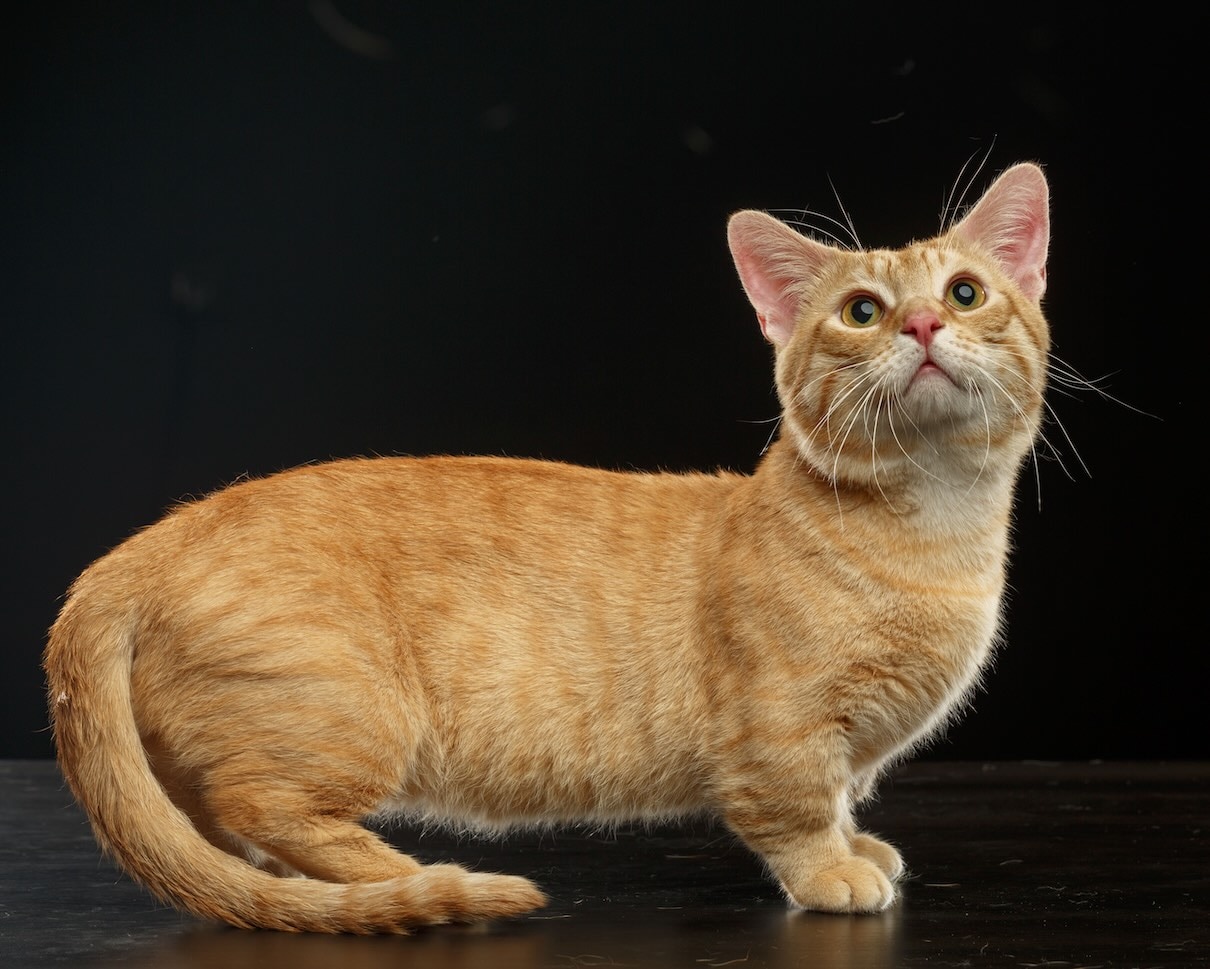
Photo by Adobe/TrapezaStudio
- Size: 5–10 pounds
- Lifespan: 15–18 years
- Temperament: Affectionate, cheeky, loyal sidekick
For a cat with a kittenlike appearance, consider the Munchkin. These kitties are short in stature but big on fun. They love to play and be involved in their household’s daily activities.
Munchkins have short legs because of a genetic trait, but their body otherwise has typical feline proportions. They come in many coat colors and patterns, including orange, calico, bicolor, and tabby coats.
7. Norwegian Forest Cat
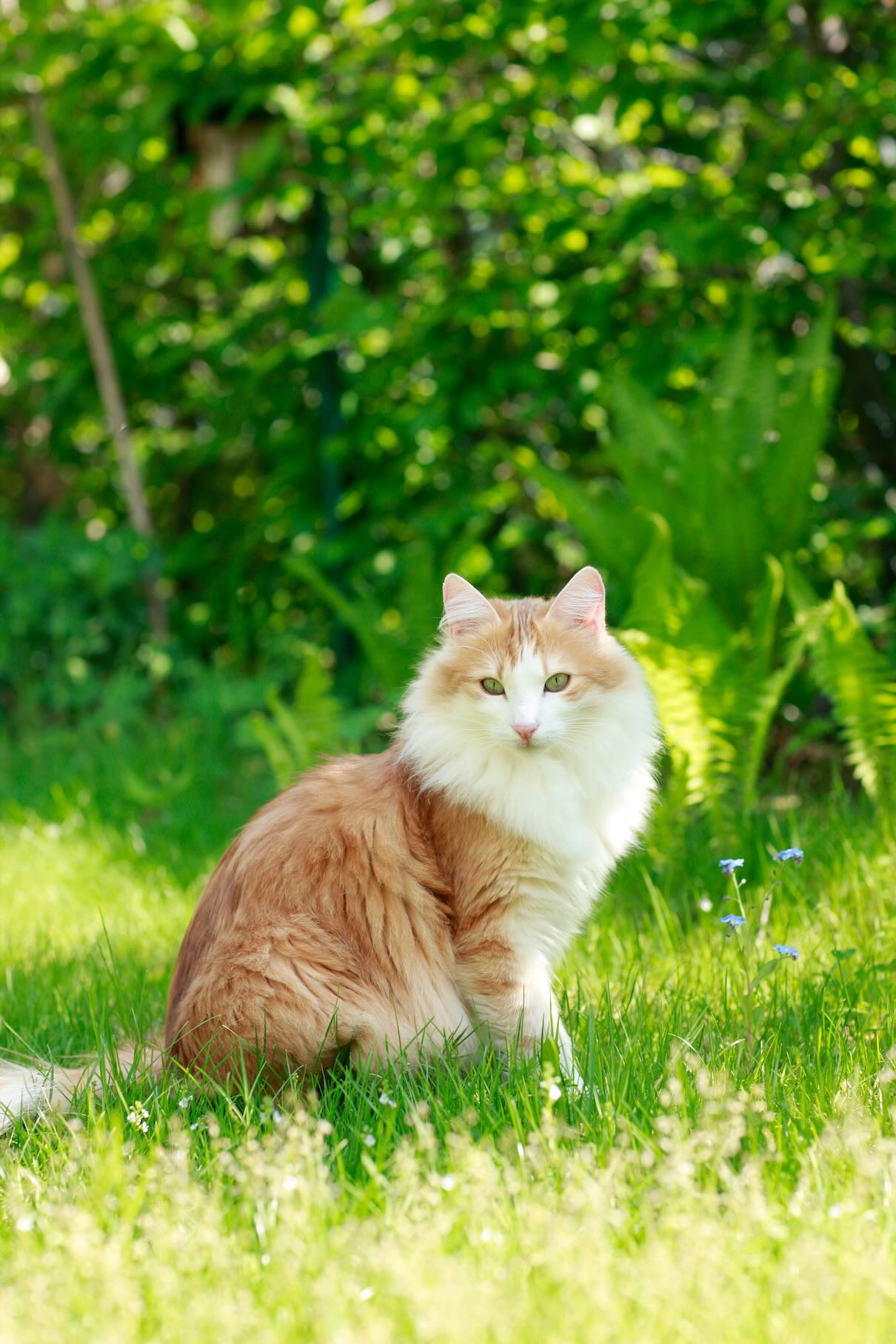
Photo by Adobe/absolutimages
- Size: 8–18 pounds
- Lifespan: 13–15 years
- Temperament: Observant, confident, sweet
The Norwegian Forest Cat combines grace with striking good looks. These popular large cats have a soft, dense double coat that can be solid or patterned, including a brilliant red that appears orange.
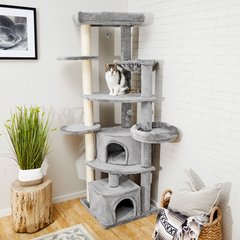
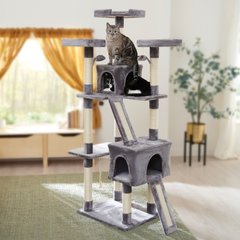
“Wegies,” as they’re affectionately known, tend to be social without being overly demanding and energetic without being hyperactive. Because they can be big, provide sturdy perches and cat trees that can safely support their weight.
Recommended Products
8. Persian
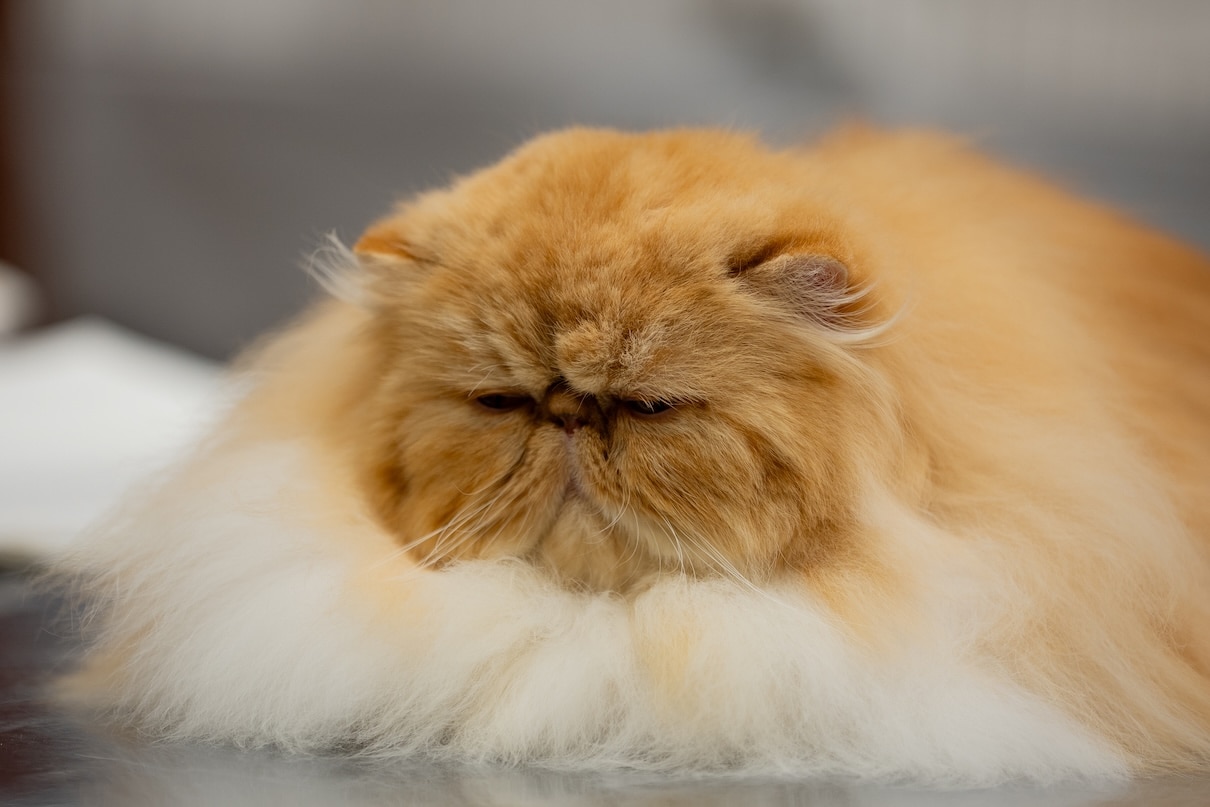
Photo by Robert Nieznanski/iStock / Getty Images Plus via Getty Images
- Size: 7–14 pounds
- Lifespan: 10–17 years
- Temperament: Affectionate, calm, refined
Persian cats come in a rainbow of colors, including orange. Although the color is officially classified as red, this Persian coat color can appear as a deep, vibrant shade of orange.
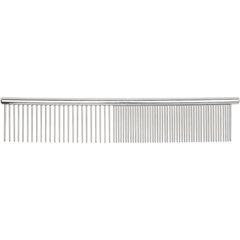
An orange Persian cat will typically have tabby markings that accentuate the breed’s characteristically long, fluffy coat. Pet parents need to brush that gorgeous coat every day to help prevent tangles and mats.
Recommended Product
9. Scottish Fold
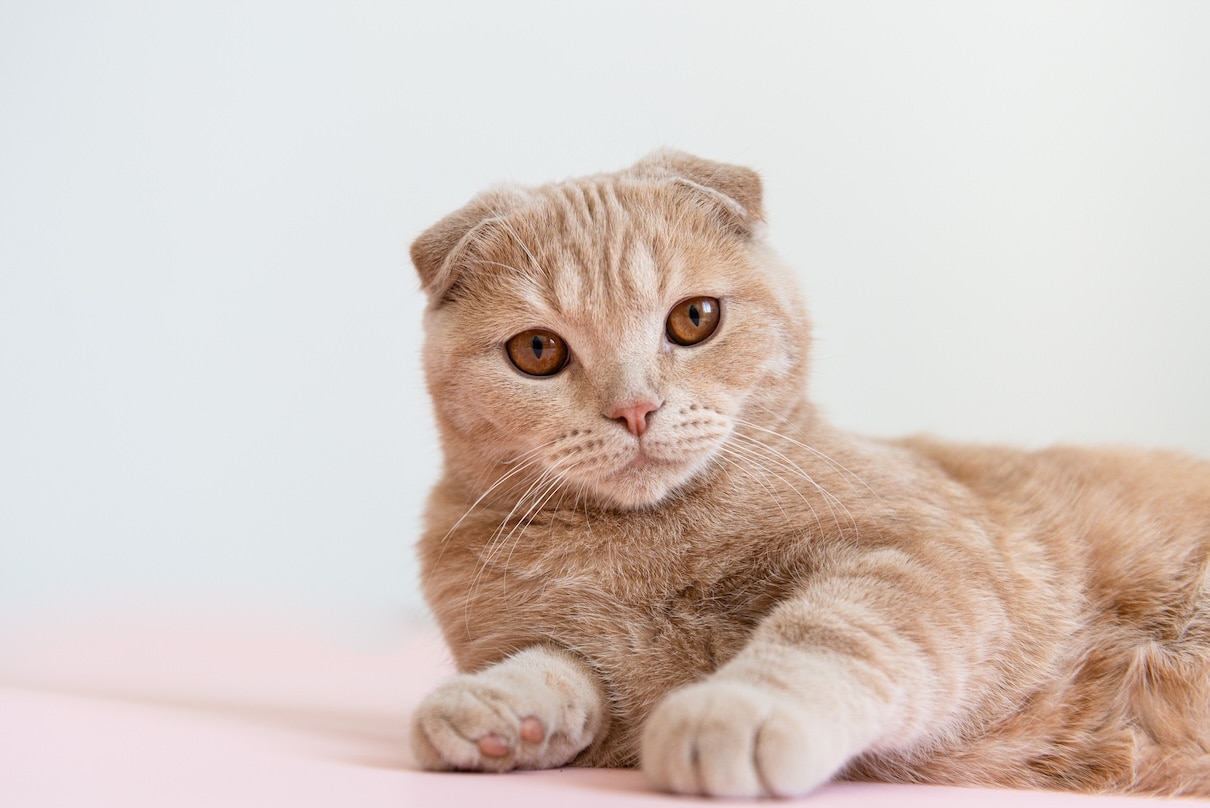
Photo by Dzina Kryshtopchyk/iStock / Getty Images Plus via Getty Images
- Size: 7–10 pounds
- Lifespan: 11–16 years
- Temperament: Devoted, inquisitive, easygoing
The Scottish Fold has a short, plush coat that can be a light ginger shade or a deeper orange, among many other possible colors.
Although the breed is best known for folded ears, some Scottish Fold kittens are born with straight ears. Either way, their round face and sweet disposition help these cats stand out.
10. Turkish Van
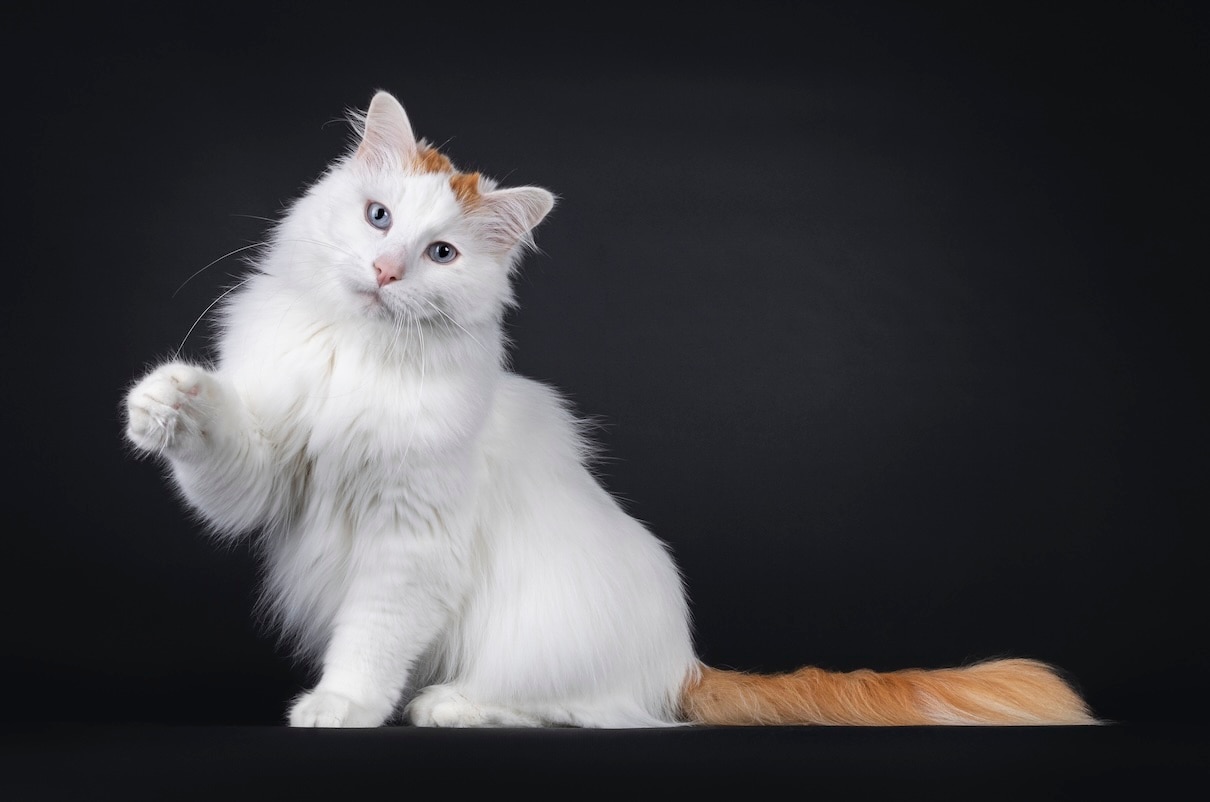
Photo by Nynke van Holten/iStock / Getty Images Plus via Getty Images
- Size: Up to 20 pounds
- Lifespan: 13–17 years
- Temperament: Athletic, smart, confident
Often described as having a doggy disposition, Turkish Van cats are known for playing fetch or taking a swim. These active and adventurous kitties have a mostly white coat with the distinctive Van pattern—patches of color on the head and tail. Those patches can be orange.
FAQs About Orange Cats
Are orange cats always male?
No, but most are. There’s only about a one in five chance an orange cat will be female. Because the gene responsible for an orange coat color is attached to the X chromosome, there’s a higher probability for an orange cat to be male.
Here’s a quick genetics breakdown: Male cats only have one X chromosome—if it has the orange coat gene, they’ll definitely be orange. Female cats, on the other hand, have a double X chromosome, and both copies would need to carry the orange coat gene for a cat to inherit the trait. So, female orange cats are rarer.
Are all orange cats tabby?
Yep, the gene responsible for making a cat’s coat orange also causes tabby markings to show. Other coat colors have genes that can (but don’t always) hide these markings.
What is the orange cat personality?
Scientifically, there is no such thing as “typical orange cat behavior” because this physical trait is separate from a cat’s breed. Many different breeds include orange cats and some of these breeds are very gregarious—like the Maine Coon—while others enjoy a bit more solitude, like the British Shorthair.
Attributions