Bloating in Cats: Causes, Symptoms, and Treatment

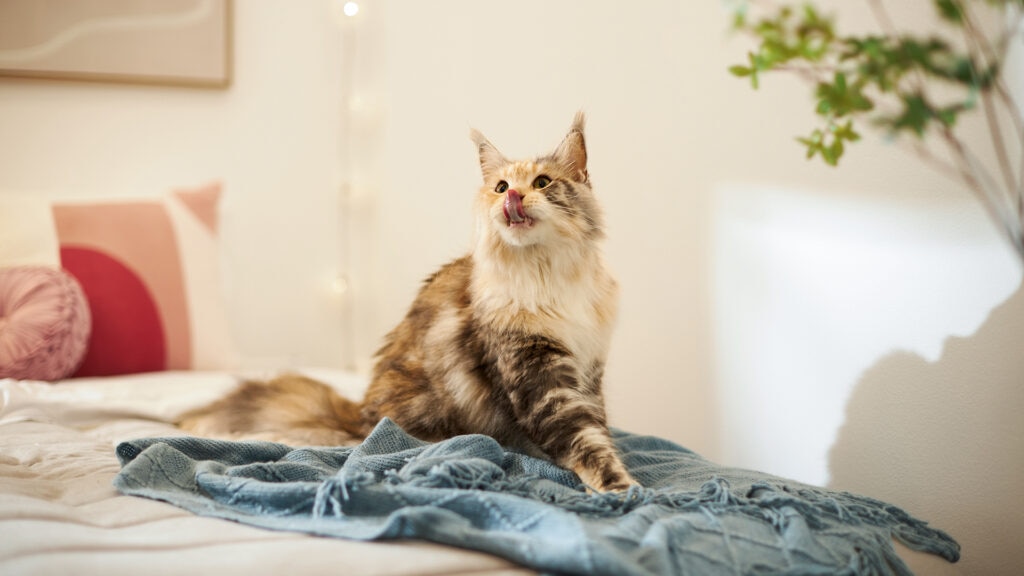
Photo by Chewy
Is your cat’s belly looking bigger than usual? They may be suffering from abdominal bloating.
Bloating refers to swelling or distension of the abdomen, which can result from gas, fluid buildup, or other causes. This can be the result of something simple, like overeating, or be a sign of something more serious going on.
Key Takeaways
- Bloating in cats refers to abdominal swelling or distension, which can result from gas, fluid buildup, digestive problems, or other medical conditions.
- A bloated belly may be accompanied by vomiting, constipation, decreased appetite, or discomfort.
- Kittens can develop a bloated belly due to issues such as intestinal parasites, constipation, or feeding problems.
- Sudden or painful abdominal swelling, especially with other concerning symptoms, requires prompt veterinary attention.
What Is Bloating in Cats?
Bloating occurs when gas, fluid, or, less commonly, a mass causes the abdomen to swell.
Bloating in cats can result from gas or fluid building up, leading to a potbellied appearance.
Gas can build up inside the stomach and/or intestines, causing them to enlarge and push the belly outward.
Fluid can also accumulate inside the abdominal cavity if an underlying disease is present.
What Causes Bloating in Cats?
Bloating in cats can have several causes, from eating a little too much to a more serious health issue:
- Overeating or eating too fast: Too much food can distend the stomach, while eating quickly can cause a cat to swallow excess air.
- Inflammation in the stomach or intestines: This can occur in kittens with intestinal parasites, such as roundworms or hookworms. Parasites can irritate the gastrointestinal (GI) tract and increase gas and fluid. Eating something they shouldn’t (like a bug) or trying a new food or treat can also upset the stomach and GI flora.
- Constipation: When stool and gas back up, the abdomen can become bloated.
- An intestinal blockage: Food and gas can build up when they can’t move through the GI tract normally. Cats generally don’t develop gastric dilatation-volvulus (GDV) like deep-chested dogs, though rare cases have been reported.
- Fluid in the abdomen: Fluid can collect because of an infection, such as feline infectious peritonitis (FIP), or right-sided heart failure.
- An abdominal tumor: Rarely, a tumor can grow large enough to make the belly look distended.
What Are the Symptoms of Bloating in Cats?
Signs of bloating in cats include:
- Swelling of the abdomen
- Discomfort when the belly is touched or when you pick up your cat
- Vomiting or retching
- Not eating or decreased appetite
- Diarrhea
- Constipation
- Lethargy
- Gas
While mild bloating may resolve after a few hours, there are some forms of bloating that require more urgent attention. If your cat is not eating, vomiting, and acting depressed, seek care right away.
How Is Bloating in Cats Diagnosed?
Your vet will start with a thorough exam and feel your cat’s abdomen. They may also recommend:
- Radiographs (X-rays) to look for gas or fluid in the abdomen.
- Abdominal ultrasound to evaluate for fluid, organ abnormalities, or masses.
- A fecal flotation or PCR test to check for parasites.
- Blood work to check for an underlying disease that may have contributed to the bloating.
How Is Bloating in Cats Treated?
Bloating in cats is treated by addressing the underlying cause:
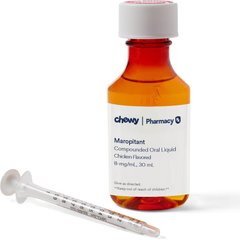
- Nausea or vomiting: Your veterinarian may prescribe Cerenia to help control vomiting or help alleviate belly pain.
Recommended Product
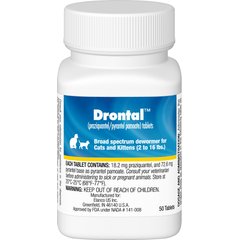
- Parasites: These are usually treated with deworming medications, like fenbendazole or Drontal.
Recommended Products

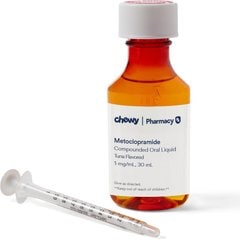
- Constipation: Treatment may include a laxative, such as Laxatone for mild cases, or medication to help with gut motility, like metoclopramide.
Recommended Products

- More serious causes: These may require hospitalization.
When Should You Worry About Bloating in Cats?
If your cat has mild gas or indigestion but is still eating and perky, your veterinarian may recommend probiotics. Keep an eye on how they’re acting:
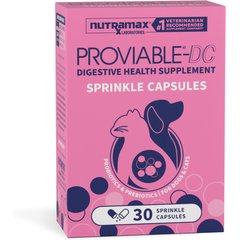
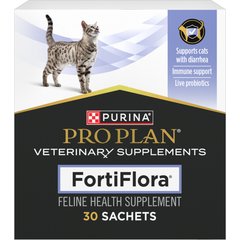
- Mild gas or indigestion: Ask your veterinarian whether Proviable or FortiFlora may help.
Recommended Products
- A full-looking belly, but otherwise normal behavior: Schedule a veterinary visit to determine the cause.
- A distended belly with lethargy, refusal to eat, or vomiting: Seek veterinary care right away.
How To Prevent Bloating in Cats
A few simple habits can help you stay on top of your cat’s digestive and overall health:
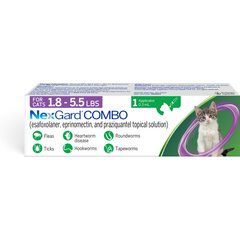
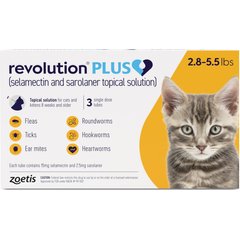
- Keep up with parasite prevention. Products like NexGard Combo or Revolution Plus can help protect against parasites that may lead to bloating. These monthly products are applied to the skin on the back of the neck.
Recommended Products
- Schedule a checkup for a new kitten. Intestinal parasites are common in kittens, and routine deworming is recommended. Regular vet visits can help keep your new kitten healthy.
- Pay attention to your cat’s intake and output. If they aren’t having regular bowel movements or their appetite decreases, schedule a visit with your vet.
FAQs About Bloating in Cats
Is it normal for a kitten to have a bloated belly?
Bloated bellies are common in kittens, often due to intestinal parasites. However, a kitten with a bloated belly should be examined by a veterinarian to determine the cause.
Why is my cat’s stomach bloated but they’re acting normal?
It could be simple indigestion, overeating, or an underlying medical condition.
Can worms cause bloating in cats?
Yes, worms can lead to bloating in cats.
How do you get rid of bloating in cats?
Bloating is treated in different ways depending on the underlying cause. Sometimes deworming or stomach medications are prescribed.
Attributions