Do Cats Like Being Alone?

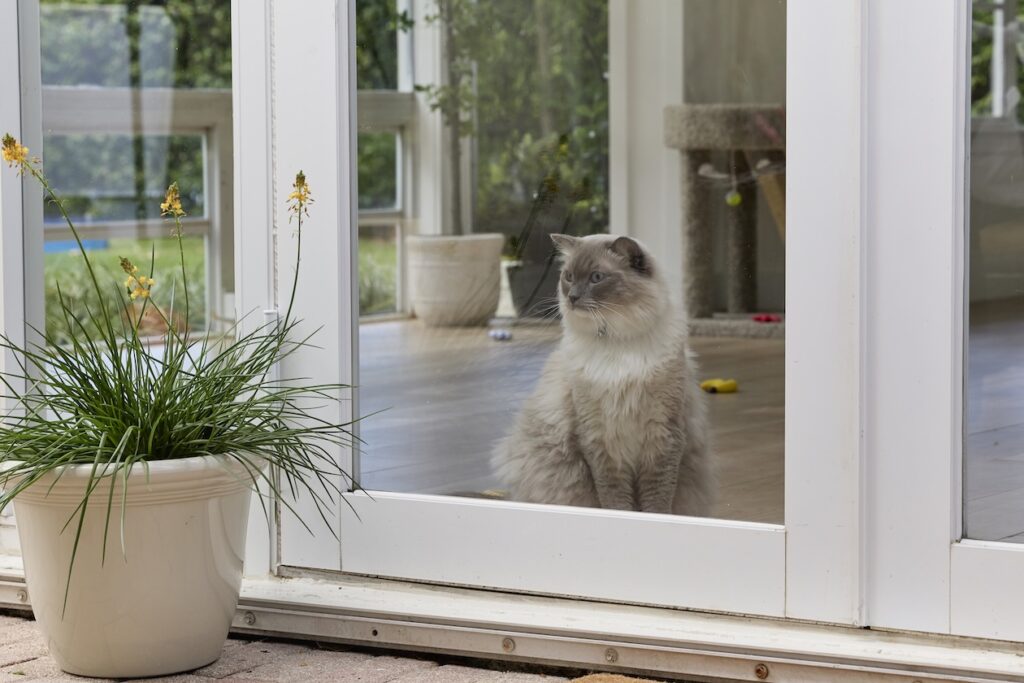
Photo by Chewy
There’s a common perception that cats are independent creatures who prefer to keep to themselves. While this can be true for some cats in some situations, most cats actually do need social interaction and connection to thrive.
Key Takeaways
- Cats are facultatively social, meaning they can form close bonds with other cats and humans when those relationships support their well-being.
- Cats may also seek solitude when they are sleeping, sick, or overstimulated.
- Cats can get lonely and most shouldn’t be alone for longer than 8–12 hours at a time.
Do Cats Like Being Alone?
Social bonding can be an important part of every cat’s life, so it’s not accurate to assume all cats enjoy being alone all the time.
In 2023, researchers published an article in the journal Behavioral Processes looking at facial expressions in cats and how they use those facial expressions in social interactions with other felines.
Though it’s not the focus of the article, the researchers noted that cats are “facultatively social,” which means they can selectively form close bonds with other cats and humans when they need those bonds for survival and stress management.
So while it’s not accurate to say all cats always enjoy being alone, cats can (and do!) prefer solitude in certain situations.
For example, a cat may like to be alone when:
- They are feeling overwhelmed, such as by common feline phobias like loud noises or new pets or people in the home
- They are sleeping (which some cats will do for 12–16 hours per day), so their rest is not disturbed by light or sound from other members of the household
- They are feeling overstimulated from too much petting, grooming, or other types of social interaction with humans or other animals
- They are in pain or sick
It’s not accurate to say all cats always enjoy being alone. However, cats can prefer solitude in certain situations.
Signs Your Cat Wants To Be Alone
Cats can show several different body language cues when they want to be left alone.
One of the most common signs that a cat should be left alone is if they are sleeping or resting in a “loaf” position with their head upright and legs and tail tucked under their body. A cat who is sleeping or otherwise appears relaxed should generally be left alone for the time being. They’ll approach you when they’re ready.
When awake and moving around, you can tell if a cat wants to be left alone if:
- They walk away from you when you approach them
- Their posture stiffens
- They lean their entire body away from you as you get closer
- They flatten their ears against their head or turn them outward (often known as “airplane ears“)
- Their pupils dilate
- Their skin twitches if they are being pet, which signals overstimulation
- They growl, hiss, or gently swat
Paying attention to these cues can help prevent cats from resorting to scratching with their claws out or even biting.
Do Cats Get Lonely?
Yes, cats can (and do!) get lonely. Some more outgoing cats may spend more time around their favorite people than others, but almost every cat needs some level of social interaction to thrive.
A 2023 article in The Veterinary Journal explains that up to 68% of cats are securely attached to their pet parents and prefer to approach people who pay attention to them and who initiate the interaction. Another study highlighted in the article showed that, on average, cats spent 65% of their time near their favorite person when given a choice between their person, favorite food, toys, and preferred scents.
Almost every cat needs some level of social interaction to thrive.
As such, your cat’s bond with you is very important to them. When they initiate interactions with you, it causes a release of oxytocin in your cat’s body, also known as the “love hormone.”
When your cat is left alone too long, it can cause a spike in cortisol, the hormone involved in stress, which can negatively affect their behavior and physical health.
Signs Your Cat Is Lonely
Cats can show loneliness in a variety of ways, including:
- Eating or drinking less
- Having litter box issues, such as peeing or pooping outside the box
- Doing less of their favorite activities, such as climbing, playing with their toys, or watching wildlife
- Grooming themselves more than normal
- Knocking things over
- Scratching furniture
- Chewing on things they shouldn’t
- Becoming clingier than normal, such as following you around the house, rubbing against you, or pawing at you
How Long Can a Cat Be Left Alone?
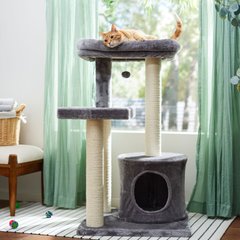
For the most part, adult cats can tolerate up to 8–12 hours of alone time, provided they have access to their food and water, places to rest or hide, elevated perches, windows to watch the outside world, and favorite toys to entertain them.
Recommended Products


Kittens or highly social cats who need more attention should only be alone for a few hours maximum. If you’ll be away from home for longer, it’s probably best to have a pet sitter check in on your cat and play with them for about 10–15 minutes to prevent your cat from feeling lonely in your absence.