Icelandic Sheepdog
Updated October 13, 2026
Icelandic Sheepdog
Updated October 13, 2026
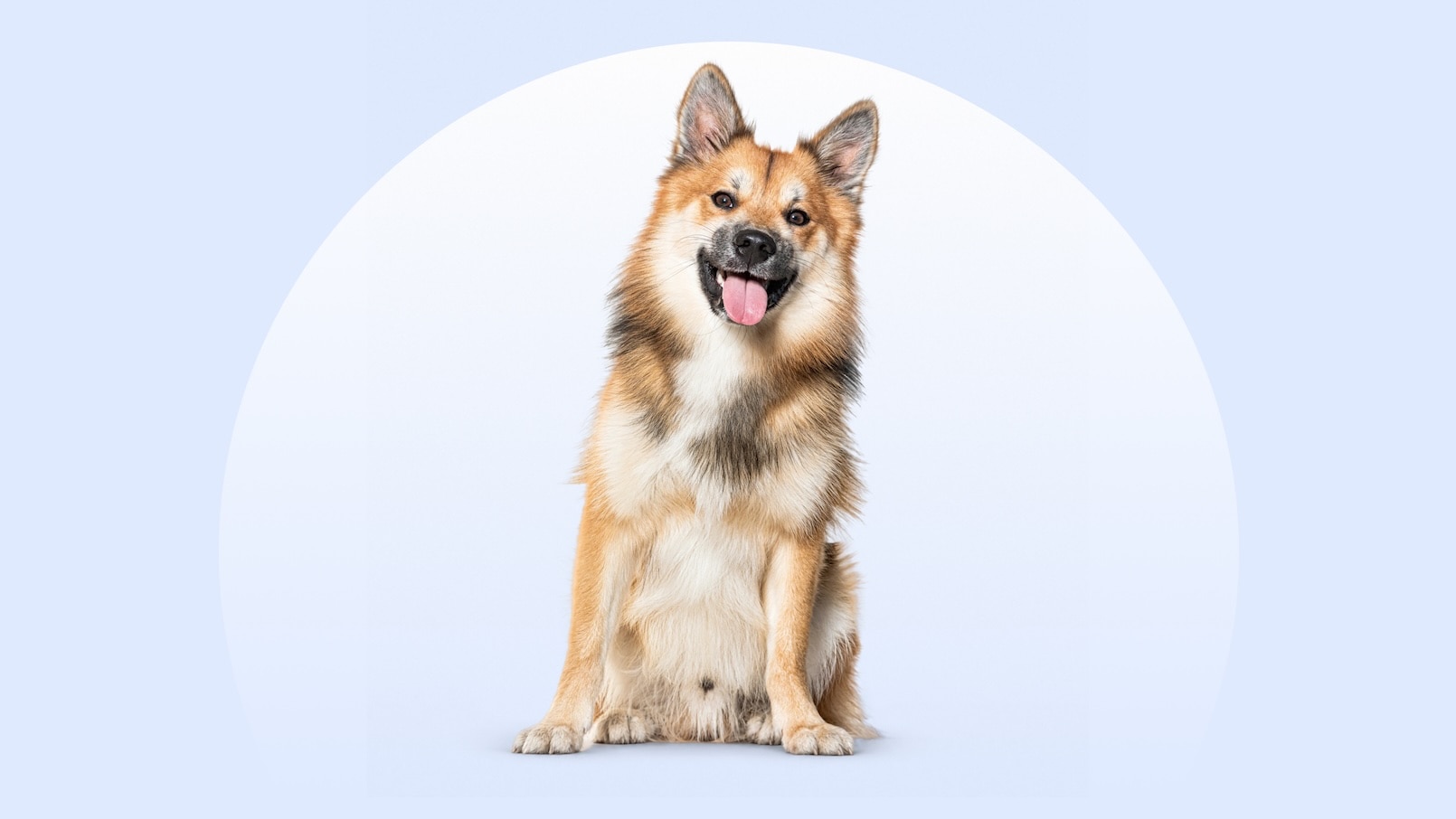
The cheerful Icelandic Sheepdog wears a perma-grin that’s guaranteed to brighten your day. As a herding breed native to Iceland, these friendly and affectionate dogs love humans, learning tricks, and greeting everyone (and everything) with a hearty bark.
Devoted, Playful, Affectionate
25–30 pounds
16.5–18 inches
12–14 years
Black, Chocolate, Cream, Fawn, Gold, Gray, Sable, Red, and Tan
As Iceland’s only native dog breed, the Icelandic Sheepdog, nicknamed “Icie,” has a long history of herding sheep, cattle, and horses. Today’s Icies still enjoy having a “job,” whether that’s running agility or simply following their favorite person around the house. They’re vocal, too—an inherited trait from their herding days when a loud bark was needed to get the job done.
Icies are deeply devoted to their humans and don’t like to be away from them for long. They do best with pet parents who want a friendly and fluffy “Velcro” dog who’s always along for the ride.
Icelandic Sheepdog Characteristics
Icelandic Sheepdog Appearance
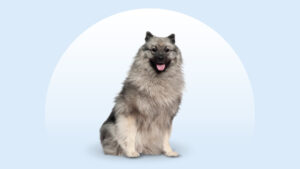
If hearing “sheepdog” only makes you think of the large and shaggy Old English Sheepdog, think again. The Icelandic Sheepdog is small to medium and has a foxlike face, fluffy coat, and a bushy tail that curls over the back.
Icies are a Nordic spitz breed, so they share certain traits—like a thick, double coat and pointed ears—with breeds like Siberian Huskies and Pomeranians.
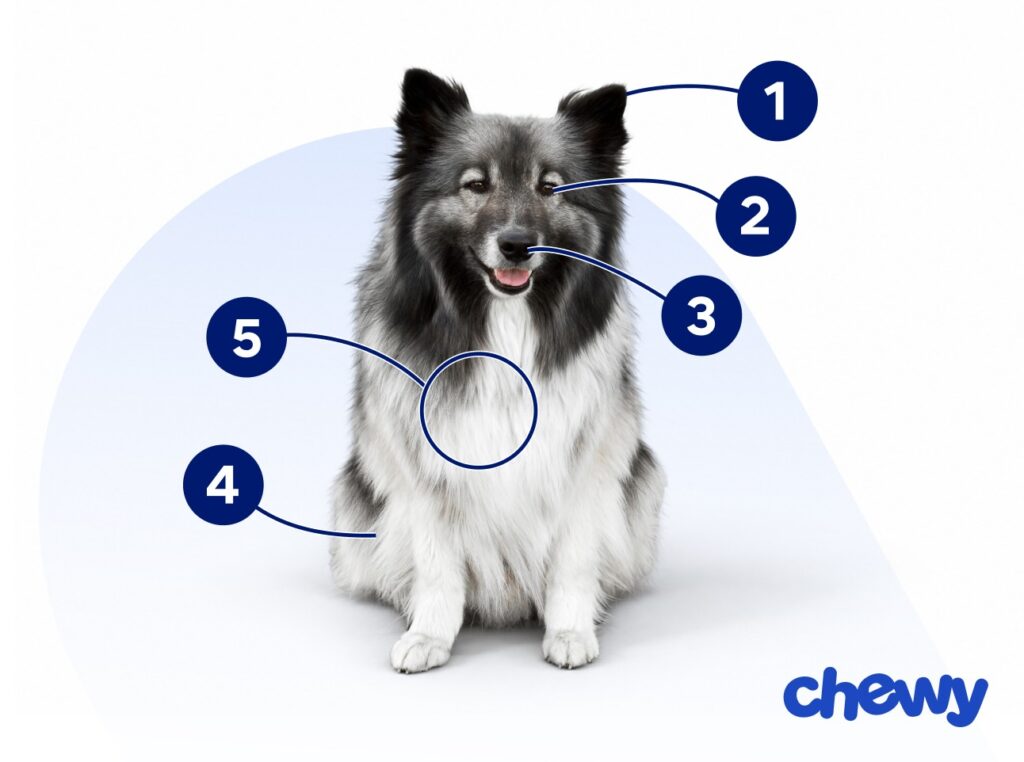
- Ears
The Icelandic Sheepdog has medium, triangular, and wide-set ears that stand up straight.
- Eyes
Their almond-shaped eyes are typically dark brown with a black rim.
- Nose
Icelandic Sheepdogs usually have black noses, though some are dark brown.
- Coat Length
Their thick, double coats can be short or long, depending on the dog.
- Coat Color
Icelandic Sheepdogs come in a variety of colors, including black, chocolate, cream, fawn, gray, gold, red, and more—all of which are typically paired with white markings. Some may have masks, sable shading, tan points, or tricolor coats.
- Tail
Icies are famous for their bushy tails that curl up and over and rest on their backs.
Icelandic Sheepdog Temperament
If you’re looking for a devoted best friend, the Icelandic Sheepdog fits the bill. “Icelandic Sheepdogs tend to be social, affectionate, playful, and very engaged with their families,” says Megan Petroff, DVM, FFCP, director of the clinical behavioral medicine service at Gold Coast Center for Veterinary Care in Huntington, New York.
Because they were bred to work alongside people, Dr. Petroff says Icies keep close tabs on their humans and love being a part of their day. They form deep bonds and don’t love alone time, and they can be prone to separation anxiety.
They typically get along great with children and other pets when properly introduced and socialized. Like any dog, it’s still important to monitor their interactions, particularly with young children.
They do best when pet parents are home often or can regularly take them along on outings and adventures, says Wailani Sung, DVM, DACVB, a board-certified veterinary behaviorist and owner of Bay Area Vet Behavior in Walnut Creek, California.
Since these dogs are herders, loud barks were just part of a day’s work—how else could they get sheep to listen?—they’re a vocal, opinionated breed. An Icie might bark when they’re excited, when someone is at the door, or just because—so pet parents should be OK with a talkative breed.
“Pet parents should be prepared to work on appropriate barking behavior rather than expecting to eliminate barking completely,” says Dr. Petroff.
Their herding history shows up in other ways, too. Dr. Petroff says Icies like to track movement and monitor the household, and some will chase or circle anything that moves, including kids and other pets.
It’s not “bad” behavior but an innate response that needs a proper outlet. These smart, inquisitive dogs do particularly well with nose work, agility, obedience classes, and, of course, playtime.
Related Breeds





How to Care for a Icelandic Sheepdog
Like all dogs, Icelandic Sheepdogs do best when given a healthy diet, daily exercise, and plenty of love and attention. Two standouts in their care are their thick, double coat, which needs regular grooming, and their need for daily mental stimulation.
Grooming
Training
Diet
Exercise
Environment
Icelandic Sheepdog Health
The average Icelandic Sheepdog life expectancy is 12–14 years. With proper care, including diet, exercise, and enrichment, you can help them live long, healthy lives.
As with all breeds, there are a few issues to keep in mind:
- Hip and elbow dysplasia: In these conditions, the hip or elbow joints don’t fit together properly, which can lead to pain and arthritis. Dr. Sung says your vet can perform an X-ray to diagnose both conditions. Keeping your Icie at a healthy weight is an important part of managing these conditions.
- Luxating patella: This is when the kneecap slips out of its normal place, causing an occasional hitch in your Icie’s step. Dr. Sung notes that your veterinarian can check for this condition by palpating your dog’s knees.
- Cataracts: Ranging from mild to severe, cataracts cloud your dog’s eye and can impair their vision. Ask your veterinarian to check your Icie’s eyes at their annual checkup. They can refer you to a veterinary ophthalmologist as needed.
This is not a complete list of all of the health problems that Icelandic Sheepdogs can develop. Staying on top of wellness care is vital.
Icelandic Sheepdog History
Vikings, cattle, and close calls—oh my! The Icelandic Sheepdog’s story starts more than 1,000 years ago, when Norse settlers brought spitz-type dogs to the area. Over time, these dogs became a farmers’ best friends, herding sheep, horses, and other livestock.
In the 1800s, Icies nearly went extinct due to a canine distemper epidemic and a tax on dog ownership imposed after a tapeworm infestation in Iceland. By the 1950s, it was rare to find an Icie outside remote areas in Iceland.
Enthusiasts were determined to increase the breed’s numbers, so they created breeding programs. In 1969, the Icelandic Kennel Club was created to help further preserve the breed. Thanks to their efforts, the breed survived.
In 2010, Icies joined The American Kennel Club’s herding group, which includes the Belgian Sheepdog, Australian Shepherd, Belgian Malinois, and Australian Cattle Dog.
While the Icelandic Sheepdog remains relatively rare outside its homeland, it has a devoted following worldwide, thanks to its charming, loving personality.