Finnish Lapphund
Updated October 19, 2026
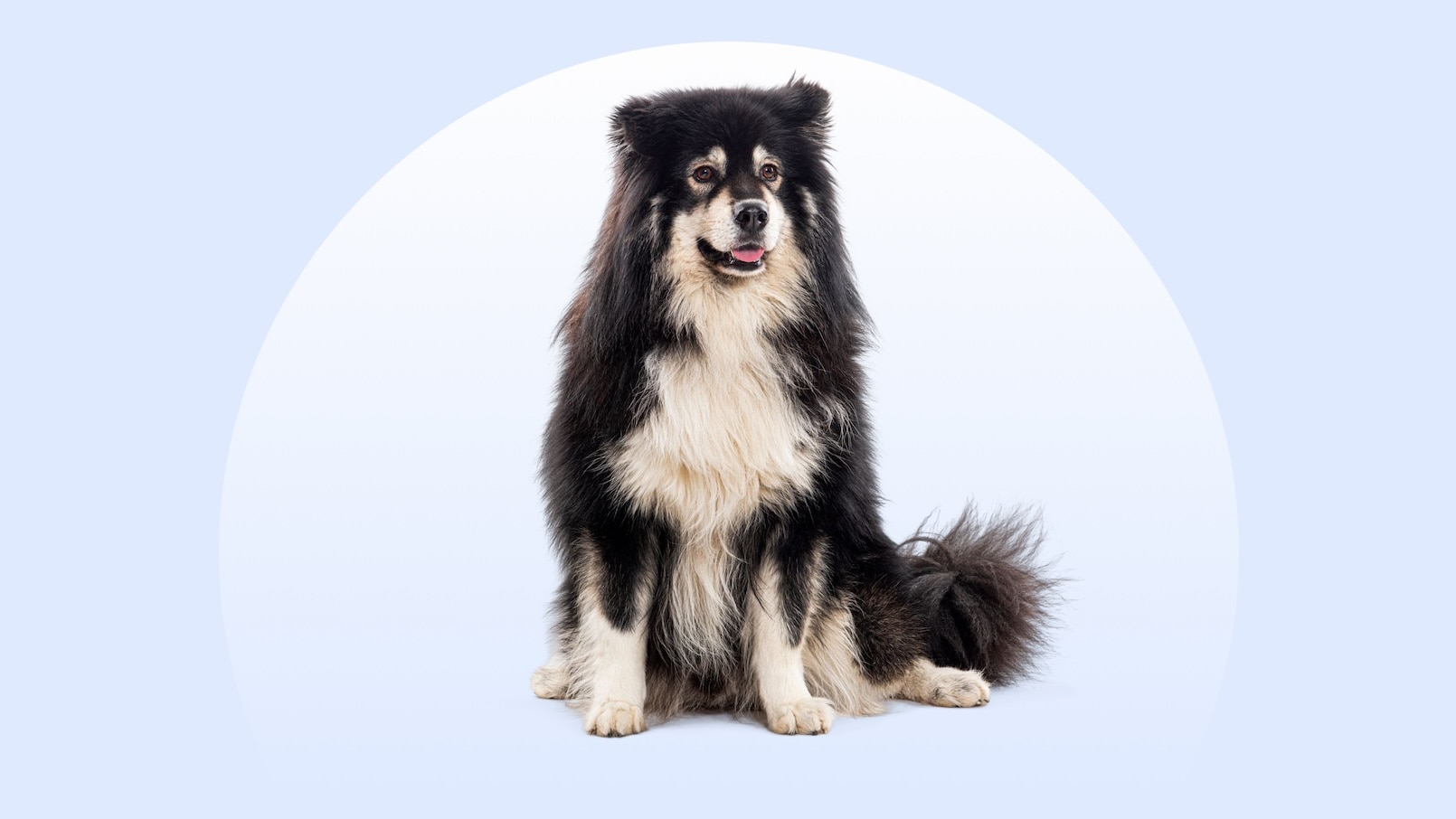
Finnish Lapphund
Updated October 19, 2026
Eager to please and big-hearted, the Finnish Lapphund does best with a pet parent who can offer consistent positive-reinforcement training and companionship. These sensitive softies want nothing more than to make you happy, so gentle guidance goes a long way—especially when teaching the “quiet” cue.
Attentive, Spirited, Clever
33–53 pounds
16–21 inches
12–15 years
Black, Brown, Cream, Blue, Lilac
If we told you your future bestie used to herd reindeer in the Arctic, you’d probably picture a tough, no-nonsense dog in a bushy coat. You’d be right about the coat—but Lappies are softies underneath all that fluff, too.
The Finnish Lapphund is a people-pleaser whose world centers around making you happy. And as a bonus, they’ll stick to you like glue.
What does a day with a Lappy look like? Expect your morning coffee to be paired with a fluffy head resting on your leg, followed by a lively game of backyard fetch, and an afternoon with them acting as your personal supervisor—ensuring no trip to the kitchen (or bathroom!) goes unaccompanied.
Because these former working dogs are happiest with a job, they thrive in busy households with people who are ready to shower them with love, puzzle toys, and daily adventure.
Finnish Lapphund Characteristics
Finnish Lapphund Appearance
Lappies are a spitz dog breed, a group known for deep chests, dense double coats, and a tail that curls over the back.
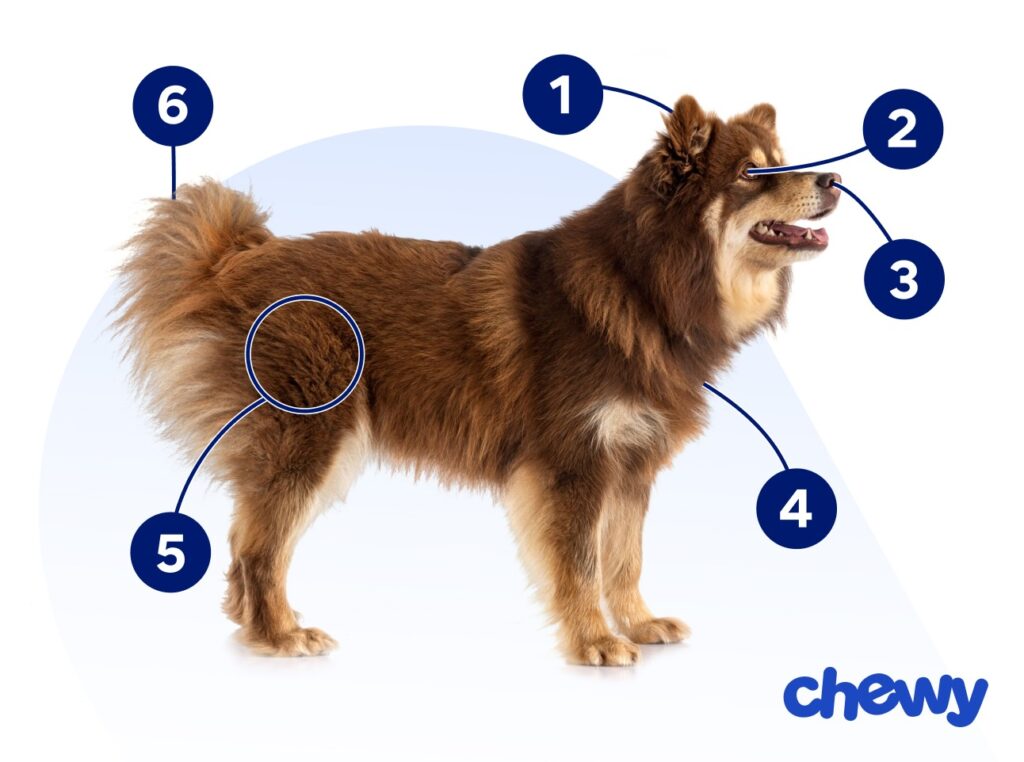
- Ears
Their small, triangle-shaped ears are covered in a bushy coat of fur and are wide-set on the head. They’re perky and add to the pup’s sweet, enthusiastic expression.
- Eyes
Their oval-shaped eyes tend to be dark but may be lighter in light-coated Lappies, as eye color corresponds with coat color. Yellow and blue eyes are not standard.
- Nose
Most Lappies have black noses. The exception is brown Lappies, who have a brown nose.
- Coat Length
Finnish Lapphunds have a thick double coat. The outer layer is straight, long, and a little coarse, while the undercoat is super soft and dense. The fur is shorter on the head and front of the legs in all Lappies, while males sport a more abundant mane around their neck.
- Coat Color
Finnish Lapphunds come in all colors except merle, which is a marbled look of dark and lighter dilute areas. They often have one main color with markings on their head, neck, chest, legs, tail, or underside.
- Tail
A classic spitz trademark, the Finnish Lapphund’s tail curves over their back or side. When they’re resting, your Lappy may let their tail hang—this is especially common in females. Their tails are medium length and covered in long fur.
Finnish Lapphund Temperament
Lapphunds are so eager to please that their submissiveness is sometimes mistaken for shyness. But really, it just shows how tuned in they are to your every mood. They’re wonderfully adaptable, whether trotting along on errands or making fast friends with the family cat, as long as they’re by your side.
That easygoing nature has a catch, though: A bored or under-exercised Lappy won’t always complain. Instead, they may find ways to entertain themselves, like turning your favorite pillow into a chew toy.
You’ll also notice their startle reflex. A sudden noise or touch can send a Lappy leaping sideways. It’s a lightning-fast instinct their ancestors relied on to dodge flailing reindeer hooves! They recover quickly, but it’s important to teach kids not to sneak up on animals.
Speaking of reindeer, Lappies were bred to keep stubborn herds moving, which means they bark a lot. Starting training early will save your sanity and keep peace with the neighbors.
Lappies can live in warm climates but really love when the temperature drops. Cold-weather snuggles will likely be on the agenda, but don’t be offended if they’re less enthusiastic about cuddling on a warm afternoon.
Related Breeds
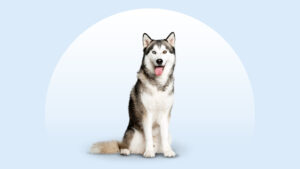
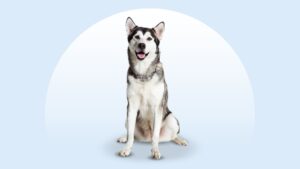

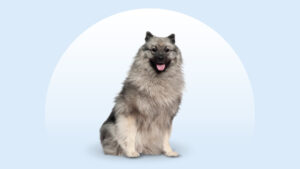


How to Care for a Finnish Lapphund
If it made you happy, a Lappy would let you brush them until day’s end! But you don’t actually need to spend endless hours grooming this pup. That leaves plenty of extra time for play and training, which are excellent ways to bond.
Grooming
Training
Diet
Exercise
Environment
Finnish Lapphund Health
Finnish Lapphunds are a relatively healthy breed with an average lifespan of 12–15 years.
The best way to promote good health is to get your puppy from a reputable breeder, as they take care to test their breeding stock for hereditary diseases to prevent passing them down.
From there, it’s up to you as a responsible pet parent to maintain your dog’s vaccination schedule and veterinary checkups. Purchasing pet insurance for your Lapphund puppy can help you manage unexpected medical costs. Here are some common health conditions to be aware of in Lapphunds:
- Elbow and hip dysplasia: These orthopedic conditions occur when joints develop abnormally, leading to arthritis and pain. Choosing a puppy from parents without a history of elbow or hip dysplasia can help reduce risk. That said, both conditions can also be caused by an improper diet (causing overly rapid growth as a puppy), too much strain on joints during puppyhood, or obesity.
- Progressive retinal atrophy (PRA): This inherited eye disorder eventually results in loss of vision. A genetic screening test can be used to identify dogs carrying the gene and remove them from breeding programs.
- Degenerative myelopathy (DM): This nonpainful disease of the nervous system acts similarly to amyotrophic lateral sclerosis (ALS, or Lou Gehrig’s disease) in humans. It causes weakness in the hind limbs, which eventually leads to the inability to stand. Fortunately, genetic testing can identify dogs carrying the disease, who should not be used for breeding.
Finnish Lapphund History
The breed’s origins trace back to the seminomadic Sami people in Lapland (the Arctic region spanning northern Finland, Sweden, Norway, and parts of Russia). Archaeological digs in Lapland have unearthed remains of Lapponian dogs dating back as far as 7000 BCE.
Over centuries, the Sami people settled down, shifting from hunting and gathering to reindeer herding—and their dogs adapted right alongside them. Lappies transitioned from hunting and guardian dogs into essential herding pups who managed huge reindeer herds.
However, with the rise of snowmobiles in the 20th century, their work became less necessary, and the number of Lapponian dogs declined.
In 1940, however, breed enthusiasts began collecting original Sami dogs to preserve the line. With their work, the Finnish Kennel Club recognized the Lapponian Shepherd Dog five years later, which initially included both short- and long-coated varieties.
By 1996, the club split them into two distinct breeds: the long-coated Finnish Lapphund and the short-coated Lapponian Herder (Lapinporokoira).
While Lappies likely first arrived in the United States as pets of Finnish immigrants (they remain wildly popular in Finland today), organized efforts to establish the breed in the U.S. didn’t begin until 1987. Despite the love for these sweet Arctic pups, the Finnish Lapphund didn’t achieve full recognition in the AKC herding group until 2011.