Beagle vs. Basset Hound: Which Dog Is Right for You?


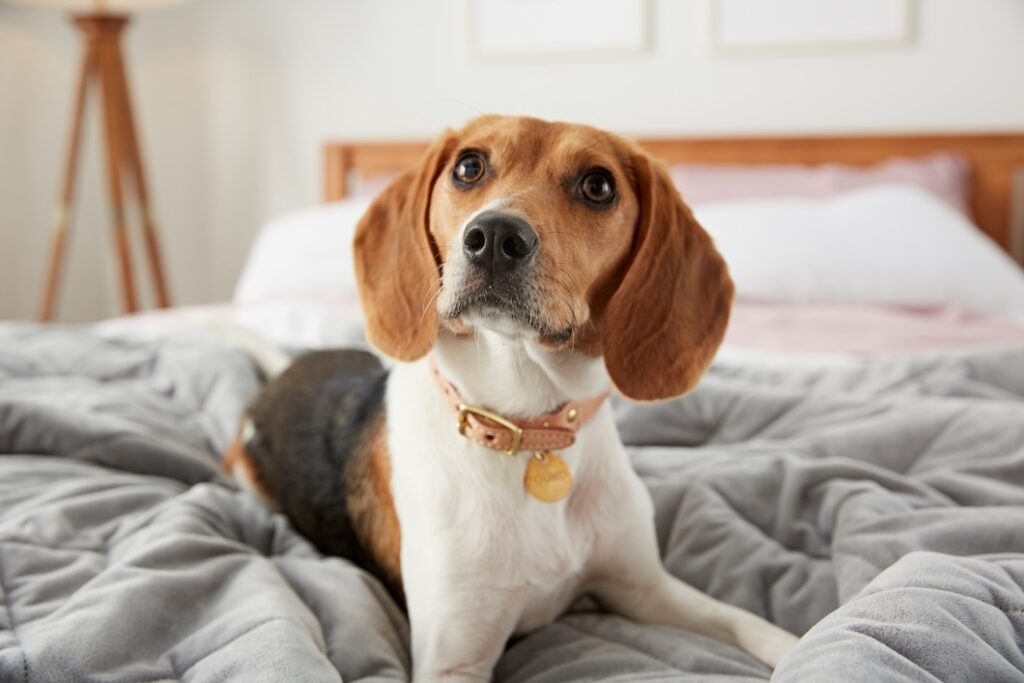
Photo by Chewy
Choosing between a Beagle and a Basset Hound? These two scent hounds share a lovable personality, expressive eyes, and impressive noses, but they have important differences when it comes to care.
Below, we’ll compare Beagles and Basset Hounds side by side so you can decide which breed may be the better fit for your home, routine, and activity level.
Key Takeaways
- Beagles are generally more energetic and active than Basset Hounds.
- Basset Hounds are larger and heavier, but they have short legs and a low-to-the-ground build.
- Both breeds were developed as scent hounds and can become distracted by interesting smells during walks.
- Beagles typically have lower grooming needs, while Basset Hounds may need extra skin and ear care.
- Both breeds thrive with positive reinforcement training, daily exercise, and plenty of time with their people.
History
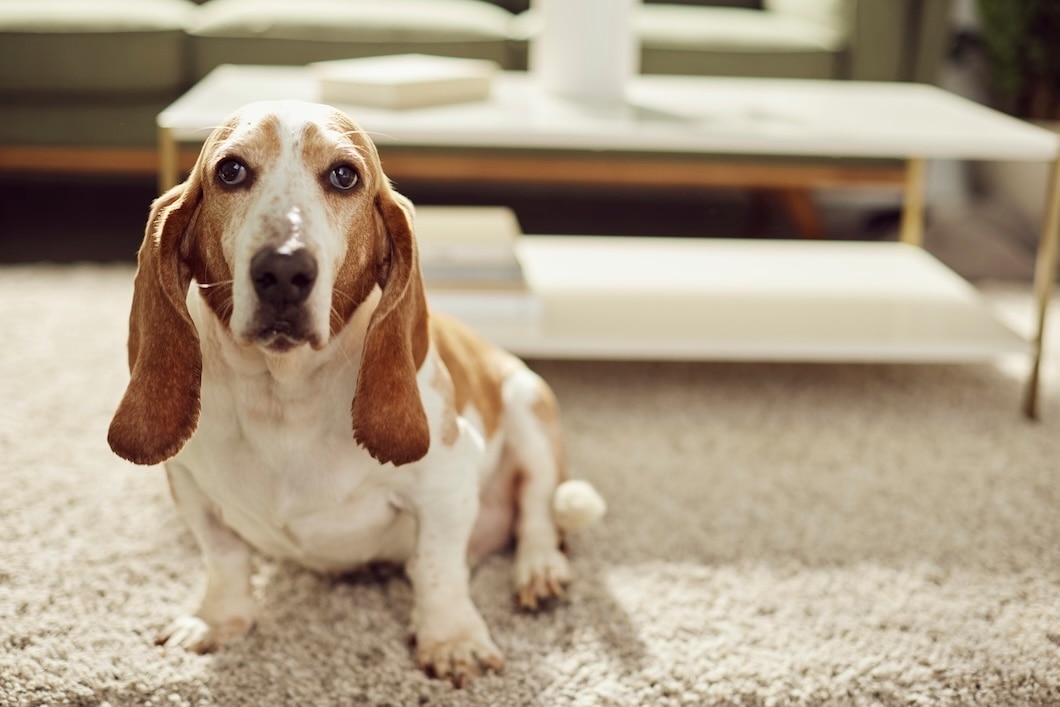
Photo by Chewy
Beagles originated in England, where they were bred to hunt rabbits and other small game by following scent trails. Their excellent noses and endurance made them popular hunting companions. Today, Beagles are also beloved family dogs known for their cheerful personalities and curiosity.
Basset Hounds originated in France and, like Beagles, were developed as scent hounds for tracking small game. Their long ears, powerful noses, and short legs helped them stay close to scent trails during hunts. Modern Basset Hounds are often known for their laid-back personalities and affectionate nature.
Appearance

Photo by Chewy
Beagles and Basset Hounds are both scent hounds with floppy ears and soulful expressions, but their builds are quite different.
- Size: Beagles typically stand 13–15 inches tall and weigh 20–30 pounds, although a smaller type stands under 13 inches and weighs less than 20 pounds. Basset Hounds typically stand less than 15 inches tall but often weigh 40–65 pounds.
- Build: Basset Hounds have a long torso and short legs. While Basset Hounds are short, they are much heavier than Beagles.
- Coat: Both breeds have short, smooth coats that are relatively easy to maintain and come in a wide variety of colors.
- Head: Basset Hounds typically have looser skin, droopier eyes, and more facial wrinkles than Beagles.
- Ears: Both breeds have soft ears that droop forward, but Basset Hound ears are bigger, longer, and help them pick up scents from the ground.
Personality

Photo by loops7/E+ via Getty Images
Beagles are friendly, curious, and social pups who enjoy being around people and other dogs. Because they were bred to work in groups, many Beagles enjoy companionship and may not like being left alone for long periods. Their curious noses can also lead them into mischief if they aren’t mentally engaged.
Basset Hounds are typically calm, affectionate, and easygoing. While they still enjoy playtime and going on walks, they’re often more relaxed than Beagles and might need a little encouragement to get their steps in every day.
As with any breed, personality varies by individual dog. Early socialization, positive reinforcement training, and daily care all shape how a dog behaves.
Exercise Needs
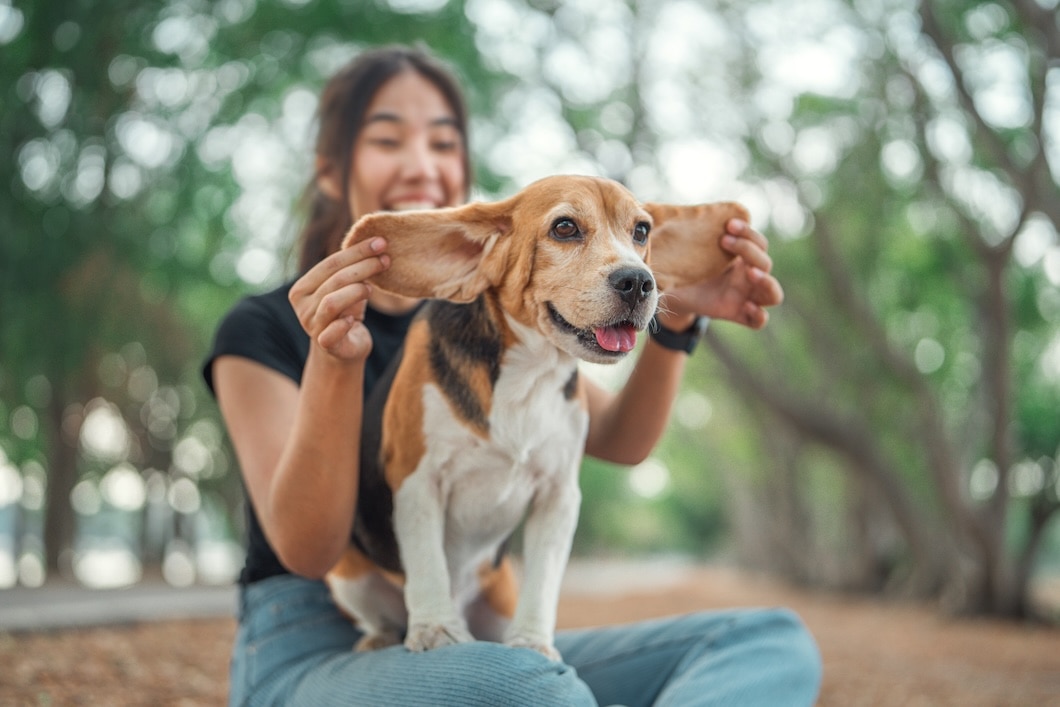
Photo by oatawa/iStock/Getty Images Plus via Getty Images
Beagles are energetic scent hounds who generally need about one hour of exercise each day, though some may benefit from even more activity depending on their age and personality. Many enjoy brisk walks, hiking, and interactive play sessions, especially activities that let them use their nose.
Basset Hounds also need daily exercise, but their activity needs are typically a bit lower. Most Basset Hounds benefit from about 30–60 minutes of low-impact activity each day, such as leisurely walks and play sessions.
Mental enrichment is just as important as physical exercise. Puzzle toys, going on sniff walks, and nose work can help keep both breeds engaged.
Recommended Products
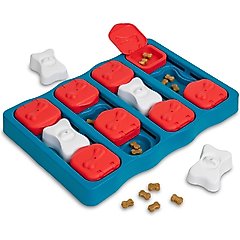
While they may not have the same endurance as Beagles, Basset Hounds still enjoy scent-based activities and outdoor exploration. Since the breed can be prone to obesity, back problems, and joint concerns, consistent exercise and maintaining a healthy weight are especially important.
And because scent hounds can become distracted by interesting smells, secure leashes and fences are important for both Beagles and Basset Hounds.
Recommended Product
Grooming
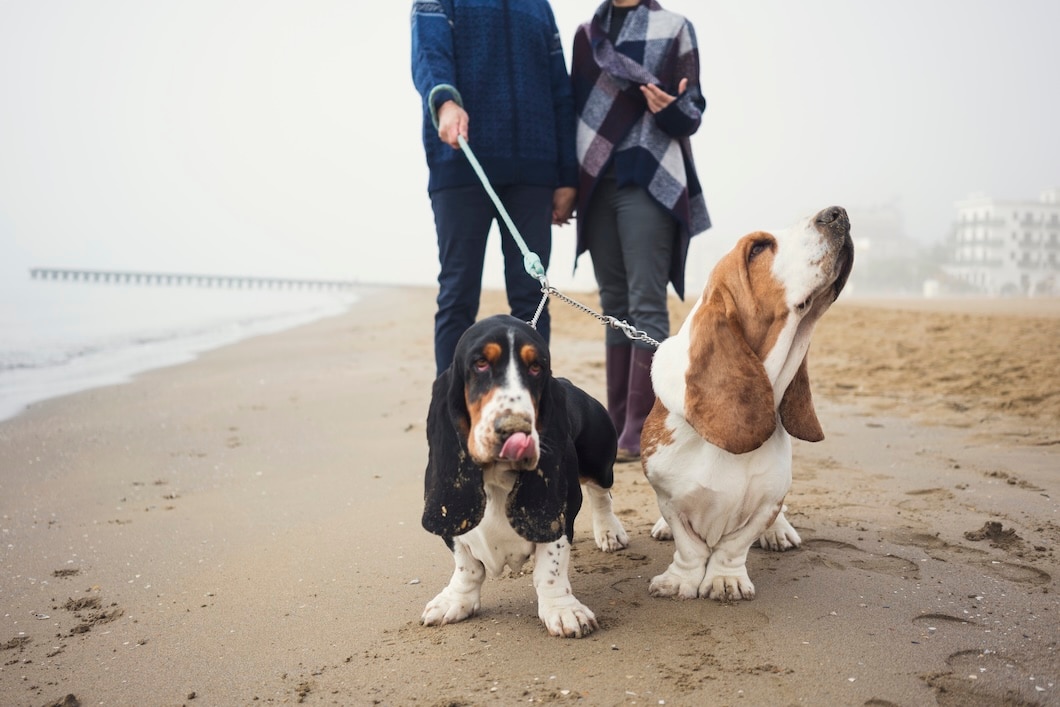
Photo by Vesnaandjic/E+ via Getty Images
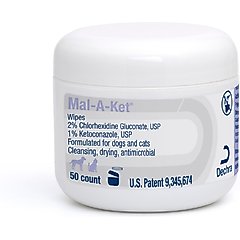
While both Beagles and Basset Hounds have relatively short coats, Basset Hounds may need a bit more grooming maintenance overall: Their skin folds and long ears should be checked and cleaned regularly at your vet’s instruction to help reduce moisture buildup and irritation. Vetnique wipes are good for general upkeep, while Mal-A-Ket Wipes are useful for managing infection.
Recommended Products


Beagles and Basset Hounds both shed year-round, but German Shepherd-level shedding isn’t usually a concern with either breed. Both are moderate shedders and can typically be managed with weekly brushing. You might need to increase brushing to a few times a week during spring and fall seasonal shedding.
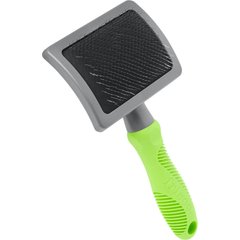
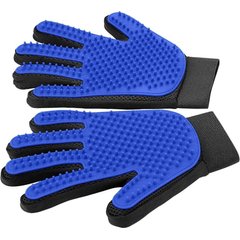
Basset Hounds may leave more hair around the house because of their larger size and dense coat. Typically in the spring and fall, dogs may “blow” part of their coat to prepare for warmer or cooler temperatures. In these seasons, both breeds may benefit from more frequent brushing to help remove loose hair and keep their coat healthy. A grooming glove or slicker brush can both work well.
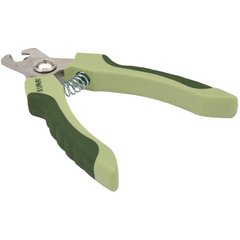
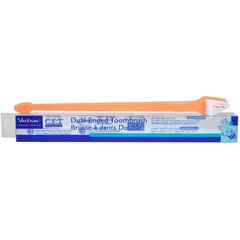
For both breeds, regular nail trims and dental care are important as well. Check your dog’s skin, paws, ears, and coat for changes regularly.
Recommended Products
Health
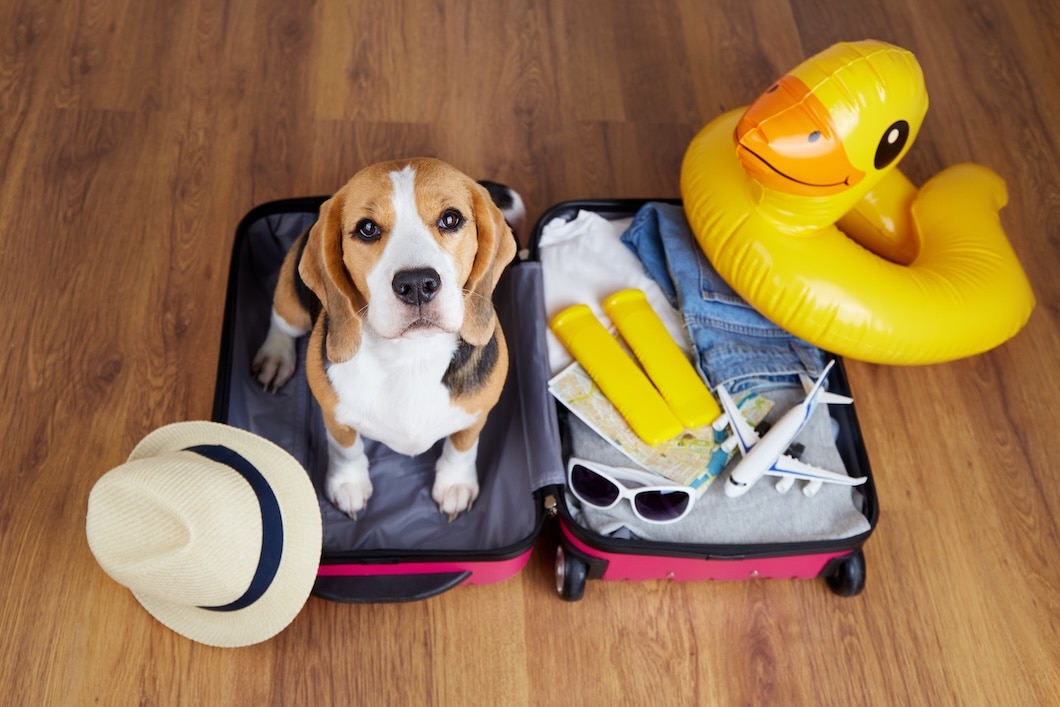
Photo by Viktoriya Telminova/iStock/Getty Images Plus via Getty Images
It’s not always accurate to say one breed is “healthier” than another, as health depends on an individual’s genetics, preventive care, lifestyle, diet, and veterinary care. That said, each of these breeds has specific things pet parents should know to watch for.
Beagles may be susceptible to several health conditions, including:
Basset Hounds may be prone to certain health concerns, including:
- Elbow dysplasia
- Gastric dilatation-volvulus (GDV) and bloat
- Entropion and ectropion
- Skin infections and ear infections
- Von Willebrand disease and other bleeding disorders
The two breeds are also susceptible to intervertebral disc disease (IVDD), hip dysplasia, and patellar luxation. Maintaining a healthy weight and avoiding excessive jumping can help reduce strain on a dog’s joints and back.
This is not a complete list of all the health problems that can affect these two breeds. Keeping them active, feeding a balanced diet, and scheduling routine veterinary care can help support their overall health.
Regular veterinary checkups and working with responsible breeders can also help pet parents better understand what a breed-specific health screening should entail.
| Breed | Size | Lifespan | Exercise Needs | Grooming Needs | Health Considerations |
|---|---|---|---|---|---|
| Beagle | Most are 13–15 inches; 20–30 pounds | 10–15 years | About 1 hour daily | Low | Moderate |
| Basset Hound | Under 15 inches; 40–65 pounds | 12–13 years | 30–60 minutes daily | Moderate | Moderate |
A Beagle may be a good fit for active pet parents who want a playful, energetic companion for walks, games, and adventures. They tend to do best with plenty of mental enrichment and opportunities to use their noses.
A Basset Hound may be a better fit for pet parents looking for a calmer, more relaxed companion who still enjoys daily walks and family time. Their lower energy level may work well in quieter households.
Both breeds can make affectionate, loyal companions when their exercise, training, grooming,
and health needs are consistently met.
FAQs
Are Beagles or Basset Hounds easier to train?
Both Beagles and Basset Hounds are smart and sometimes stubborn scent hounds. Training each breed requires patience, consistency, and plenty of positive reinforcement. Beagles are often more eager to stay active and engaged during training sessions, while Basset Hounds may prefer a slower pace.
Do Beagles or Basset Hounds bark more?
Beagles are generally more vocal than Basset Hounds and often bark or howl when excited, bored, or following a scent. Basset Hounds can also be vocal and are known for their deep baying sound, but may be quieter indoors than Beagles.
Are Beagles or Basset Hounds better for apartment living?
Both breeds can adapt to apartment living if they get enough daily exercise and mental enrichment. Basset Hounds are often calmer indoors, which may make apartment life easier for some households. Beagles typically have higher energy levels and may need more activity and enrichment to stay content in smaller spaces.
Which breed has a stronger sense of smell: Beagle or Basset Hound?
Both breeds are excellent scent hounds with powerful noses, but Basset Hounds are widely considered one of the best scent-tracking breeds in the world, second only to the Bloodhound. Beagles also have an exceptional sense of smell and are commonly used in scent-detection work because of their drive and trainability.
Attributions