Dog Skin Tumors: Signs, Types, and Treatment

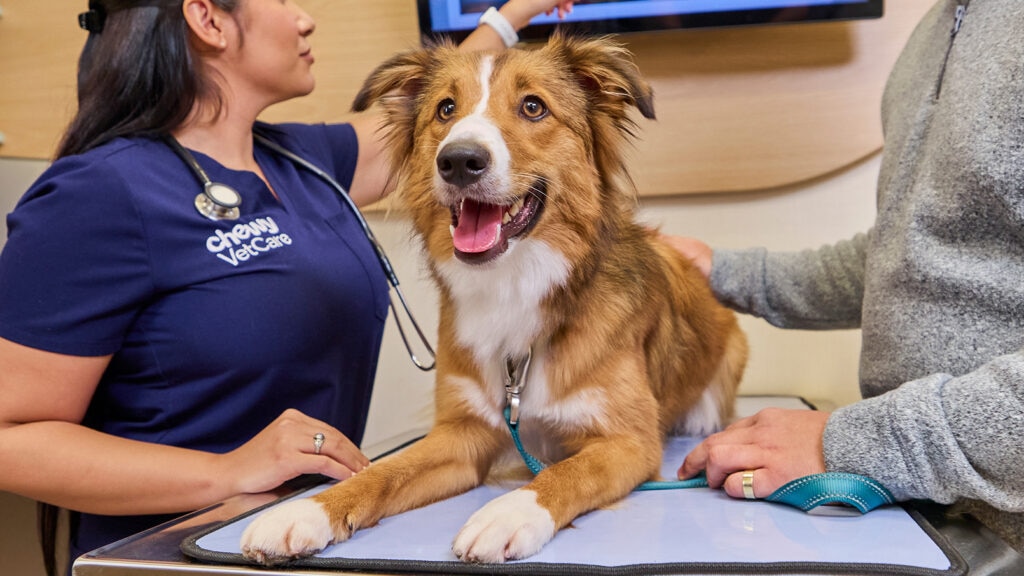
Photo by Chewy
Dog skin tumors are growths that form on the skin’s surface or just beneath it—and they’re actually very common in dogs. While some lumps are relatively harmless, others can be more serious, and it’s not always easy to tell the difference at home. That’s why it’s important to have your veterinarian check out any new or changing bump.
Key Takeaways
- Dog skin tumors are abnormal growths on or under the skin that may be benign (noncancerous) or malignant (cancerous).
- Not all bumps on a dog’s skin are dangerous, but any new lump should be checked by a veterinarian.
- Common dog skin tumors include lipomas, mast cell tumors, and sebaceous adenomas.
What Are Dog Skin Tumors?
A tumor, also called a growth or a mass, develops when cells multiply uncontrollably. Tumors can be noncancerous (benign) or cancerous (malignant, meaning they can be locally aggressive or spread to other areas).
What Do Dog Skin Tumors Look Like?
Dog skin tumors have a wide variety of appearances. Veterinarians may describe dog skin tumors based on a few key features:
- Size: Tumors can be as small as a pinpoint or grow large enough to notice easily.
- Color: They may be flesh-colored, red, dark brown, or black.
- Texture: Some feel smooth, while others are bumpy or cystic (fluid-filled).
- Firmness: Tumors can feel firm, solid, or soft and movable under the skin.
- Mobility: Some lumps move freely under the skin, while others may feel attached or affect how your dog moves if they grow large.
While appearance alone can’t tell you whether a tumor is cancerous, there are a few signs that may be more concerning. Cancerous tumors may:
- Grow rapidly
- Become very large
- Bleed or look infected
- Appear red or inflamed
- Feel firm to the touch
- Be more common in older dogs
Types of Dog Skin Tumors
Tumors in dogs can be benign or malignant. In a 2025 study, around 60% of skin tumors were benign in dogs.
Benign Skin Tumors in Dogs
The most common types of benign skin tumors in dogs include:
- Lipomas: These fatty tumors may become large and sometimes interfere with movement.
- Sebaceous adenomas: Commonly located on the head, these small tumors arise from oil glands and may become crusty or infected.
- Histiocytomas: This hairless tumor tends to develop in puppies and young adult dogs, and typically goes away on its own.
- Papillomas: Caused by a virus, papillomas are warts that usually occur in puppies and typically resolve on their own.
Malignant Skin Tumors in Dogs
The most common types of cancerous skin tumors found in dogs include:
- Mast cell tumors (MCTs): MCTs are common in bully breeds, may occur in clusters, and often turn red or inflamed when touched or handled. They can have a variable appearance and about 30% are aggressive.
- Malignant melanomas: Melanomas arise from pigment-producing skin cells, so they typically appear brown or black. These tumors commonly occur on the lips or near the toenails and can be difficult to treat.
- Squamous cell carcinomas (SCCs): SCCs tend to occur on sun-exposed areas of light-colored skin or on the toes and often recur after surgery.
- Soft tissue sarcomas: These tumors form in the tissue below the skin, can grow very quickly, and often become locally invasive.
What Causes Skin Tumors on Dogs?
As with the development of any cancer, many factors likely play a role in skin tumor development. Possible contributors to skin tumors include:
- Genetics: Some breeds, including Pit Bulls, small terriers, and Schnauzers, are more prone to skin tumors than others, suggesting that genes play a role.
- Age: Older dogs may be more likely to develop skin tumors.
- Environment: UV light exposure, environmental toxins, and DNA damage can affect the risk of tumor development.
When Should You Be Concerned About a Lump?
Anytime you find a new lump on your dog, it’s worth having your vet take a look.
If the lump is small, non painful, and growing slowly or not at all, you can wait until your next routine vet visit to bring it up.
However, see your vet right away if your dog has a lump that:
- Changes in size
- Bleeds or looks infected
- Causes your dog pain or discomfort
How Veterinarians Diagnose Dog Skin Tumors
To diagnose a skin tumor, your vet will perform a complete physical exam to check your dog’s overall health and measure the skin mass. Additional tests might include:
- Fine needle aspiration (FNA): Cells are collected from the mass and examined under a microscope.
- Biopsy: A larger piece of tumor tissue is collected and sent to a lab for analysis.
- Imaging: Chest X-rays and abdominal ultrasound may be used to check for tumor spread.
Dog Skin Tumors Treatment
Treatment for a dog’s skin tumor depends on the kind of mass and whether it is benign or malignant.
Treatment For Benign Tumors
If a benign tumor is small and slow-growing, your vet may recommend simply monitoring it. Occasionally, benign tumors require surgical removal only if they’re causing your dog problems.
Treatment For Malignant Tumors
Malignant tumors can be life-threatening without treatment. Options depend on the type of tumor and whether it has spread and may include one or more of the following:
- Surgery: Removing the tumor can reduce the chance of it spreading to other areas of the body.
- Chemotherapy: Medications can be given that target and kill tumor cells.
- Radiation: Focused X-ray energy can be used to shrink inoperable tumors or reduce a tumor’s size before surgical removal.
- Targeted therapy: Treatment may be chosen based on the tumor or the pet’s genetic makeup.
How Can I Help My Dog at Home?
You can help ensure your dog has the best outcome after tumor removal or when managing skin tumors by:
- Monitoring lumps for changes
- Preventing licking or chewing with a cone or recovery suit
Recommended Products


- Following up with your veterinarian
- Keeping your pet calm (ask your vet about supplements like Wuffes)
Recommended Product

Recommended Products


Can Dog Skin Tumors Be Prevented?
Tumors can be difficult to prevent because it’s unclear exactly what causes tumors in dogs. However, you can reduce your dog’s general risk of developing cancer by:
- Scheduling routine checkups
- Limiting sun exposure
- Evaluating new lumps promptly
- Providing wellness care (e.g., vaccines, dental cleanings, parasite prevention)
FAQs About Dog Skin Tumors
Are dog skin tumors always cancerous?
Dog skin tumors can be benign (noncancerous) or malignant (cancerous). Only a veterinarian can determine if a specific skin tumor is cancerous.
How can I tell if a tumor is cancerous?
You can’t tell from appearance whether a skin tumor is cancerous. Veterinarians can collect cells from a tumor and evaluate them under a microscope or send them to a lab to determine if the mass is cancerous.
Should I be worried about bumps on my dog’s skin?
Lumps and bumps on dogs’ skin are common, especially as pets get older. However, you should consult your vet about any new growths to determine if they’re cause for concern.
Can dog skin tumors go away on their own?
Most dog skin tumors don’t typically go away without treatment. Exceptions include viral papillomas (warts) and histiocytomas, which occur in puppies and young adults and often resolve after a few months.
How fast do malignant tumors grow in dogs?
Although fast-growing tumors in dogs are often malignant, not all malignant tumors grow quickly. You may notice a gradual or sudden change in size over days, weeks, or months.
Attributions