Pancreatic Enzymes for Dogs: Why Vets Recommend Them



Photo by FatCamera/E+
Pancreatic enzymes in dogs are used to aid in digestion (digestive enzymes). These supplements can be useful for dogs with a health condition called exocrine pancreatic insufficiency (EPI), but they are not intended for general stomach upset or other digestive problems.
Most dogs with normal digestion don’t need a daily enzyme supplement, and there are risks associated with giving your dog digestive enzymes without a vet’s recommendation.
Read on to learn about when enzyme supplements are appropriate for dogs and what to do if your dog has digestive issues.
Key Takeaways
- Dogs diagnosed with EPI and other malabsorption conditions are the main candidates for pancreatic enzyme supplementation.
- Most dogs with normal digestion don’t need enzyme supplements, and their routine use is not well-supported.
- Common side effects can include diarrhea, vomiting, gas, and mouth irritation.
- Talk with your vet before using any enzyme product, especially if your dog has a pork allergy or takes antacids.
Can Dogs Take Enzymes?
Yes, dogs can take pancreatic enzymes when a veterinarian recommends them. They are intended to replace enzymes normally made by the pancreas in dogs diagnosed with EPI.
EPI develops when the pancreas doesn’t make enough digestive enzymes on its own. Dogs with EPI commonly lose weight, seem hungrier than usual, and pass large, loose stools.
Enzyme supplements are usually unnecessary for dogs who don’t have EPI. Although digestive issues are common in dogs, a specific veterinary diagnosis and treatment plan is important, since GI problems can be caused by many things.
How Do Enzymes Work in Dogs?
Your dog’s pancreas makes digestive enzymes that help break down nutrients, including proteins, fats, and carbohydrates. If the pancreas stops making enough enzymes, an enzyme supplement is typically recommended to replace the enzymes that are lacking, allowing food to be digested normally.
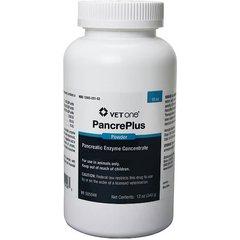
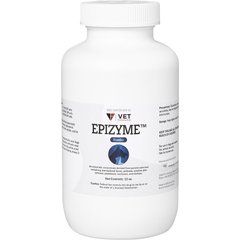
Veterinary pancreatic enzyme products typically include three enzymes: lipase to help break down fats, protease to break down proteins, and amylase to break down carbohydrates. They are available in powder, tablet, and capsule form.
Benefits of Enzymes in Dogs
Pancreatic enzyme replacement is one part of a veterinary-guided care plan for dogs with EPI. Enzyme support can help dogs with EPI digest food more effectively, although nutrient absorption may not completely return to normal.
Outside of EPI, there is no solid evidence that enzyme supplements help with other digestive problems, and enzyme supplementation should not be started without a diagnosis of EPI.
Recommended Products
Potential Side Effects of Enzymes in Dogs
Pancreatic enzymes can cause diarrhea, stomach cramps, nausea, vomiting, gas, mouth irritation, and ulcers in the mouth or esophagus.
Since some enzyme products are derived from pigs, they should not be used in pets with pork allergies. The powder can irritate the eyes, nose, skin, or lungs if it is inhaled.
Let your vet know if your dog is taking antacids, because they may reduce the effect of pancreatic enzymes.
How to Give Your Dog Enzymes
Pancreatic enzyme powder is usually mixed into a dog’s food, and your vet may tell you to let the food-and-powder mix stand briefly before serving. Follow the label and your vet’s instructions at each meal.
If your dog takes antacids or other digestive medicines, ask your vet how to time them so they don’t interfere with the effectiveness of the enzymes.
Use enzyme supplements only under veterinary guidance, especially if your dog has not been diagnosed with EPI.
What to Do If Your Dog Takes Too Much Enzymes
If your dog got into pancreatic enzyme powder or was given extra doses, call your vet, an emergency hospital, or The Pet Poison Helpline (855-764-7661) right away.
Get help quickly if your dog has severe vomiting, diarrhea, or mouth pain.
Frequently Asked Questions
Do enzyme supplements help healthy dogs?
No. Most dogs with normal digestion make enough enzymes and don’t need pancreatic enzyme supplementation.
Are pancreatic enzymes the same thing as digestive enzymes?
Pancreatic enzyme products are a type of digestive enzyme replacement. They typically include lipase, protease, and amylase.
Do enzyme supplements replace a balanced diet?
No. Enzymes break down nutrients eaten as part of a balanced diet, and don’t replace meals.
Can pancreatic enzymes help pancreatitis?
No. There is no evidence that enzyme supplementation reduces the recurrence of chronic pancreatitis.
Do these products need a veterinarian’s guidance?
Yes. Pancreatic enzymes should not be given unless your pet has been diagnosed with EPI by a veterinarian and they recommend supplementation as part of the treatment plan.
Attributions
This article was created with assistance from AI tools. The content has been reviewed for accuracy and edited by a human.
References
- Overview Of The Exocrine Pancreas In Dogs And Cats. Merck Veterinary Manual. Accessed April 14, 2026.
- Exocrine Pancreatic Insufficiency In Dogs And Cats. Merck Veterinary Manual. Accessed April 14, 2026.
- All About Digestive Enzymes for Dogs. PetMD. Accessed April 14, 2026.
- Pancreatic Enzymes for Dogs and Cats. PetMD. Accessed April 14, 2026.
- Drugs That Affect Digestive Functions In Monogastric Animals. Merck Veterinary Manual. Accessed April 14, 2026.