Best Incubator For Chicken Eggs
Our Top Picks

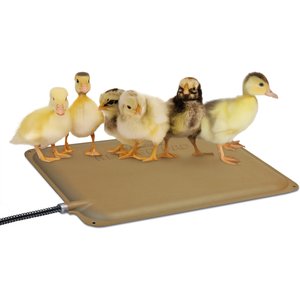

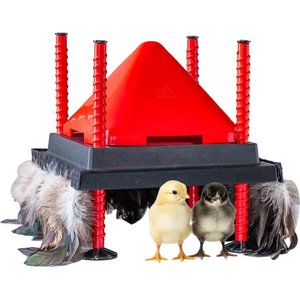
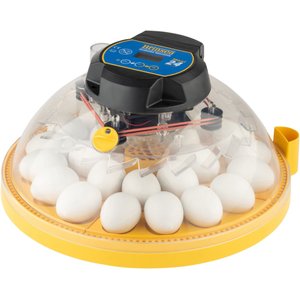
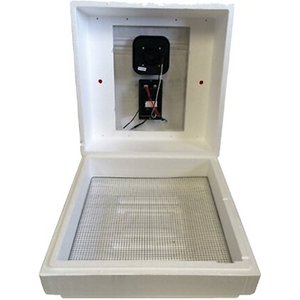


K&H Pet Products Snuggle-Up Bird Warmer, Small/Medium
$35.20 Chewy Price
Promo, New Customers Only: Spend $49+, get $25 eGift Card
Our ratings
Automatic Turning
4.3/5
GreatEgg Capacity
4.2/5
GreatHumidity Control
4.2/5
GreatTemperature Control
4.2/5
Great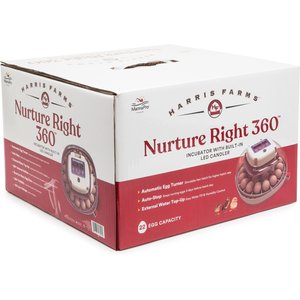
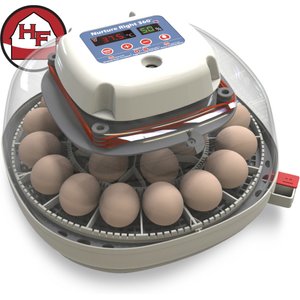
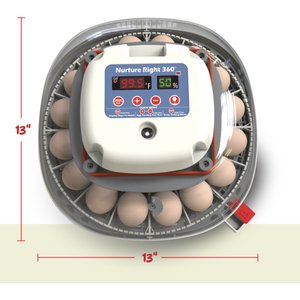
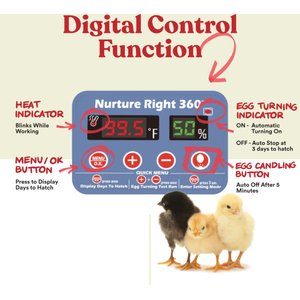
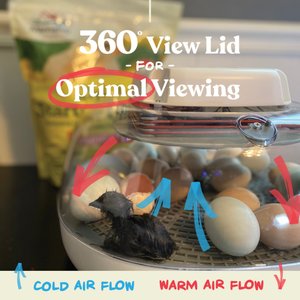
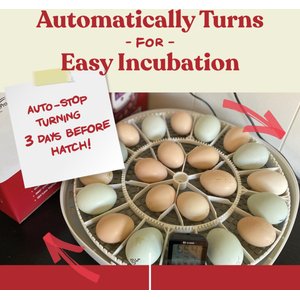
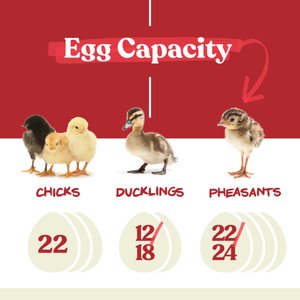
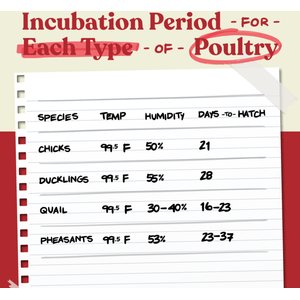
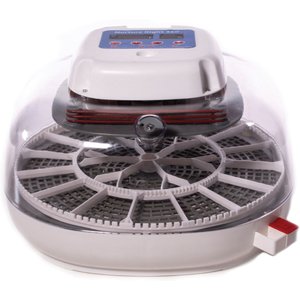
Manna Pro Harris Farms Nurture Right Incubator
$124.99 Chewy Price
Our ratings
Automatic Turning
4.5/5
GreatEgg Capacity
4.6/5
ExcellentHumidity Control
4.7/5
ExcellentTemperature Control
4.7/5
Excellent
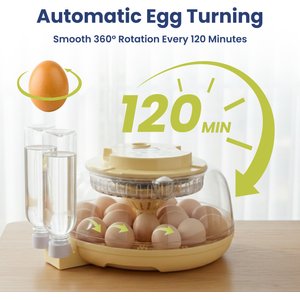
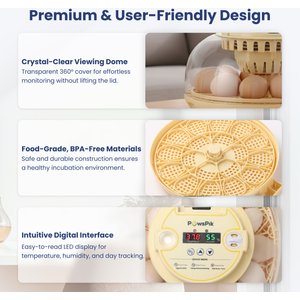
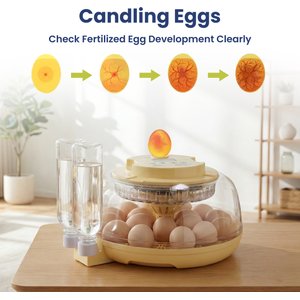
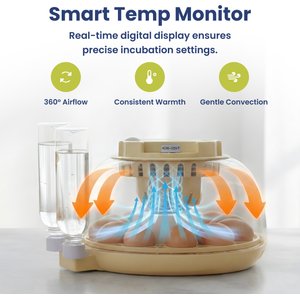
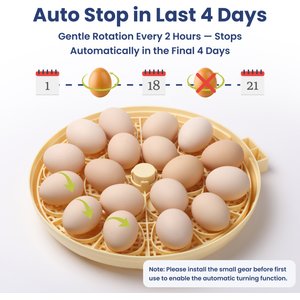
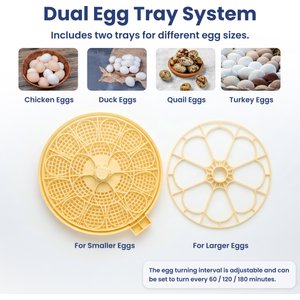

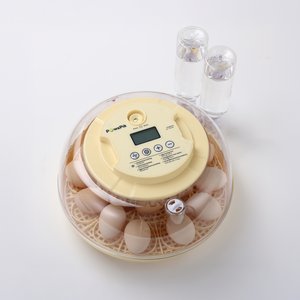
PawsPik Automatic 18 Egg Smart Incubator, Medium
$69.99 Chewy Price
Promo, New Customers Only: Spend $49+, get $25 eGift Card
Our ratings
Automatic Turning
4.6/5
ExcellentEgg Capacity
4.7/5
ExcellentHumidity Control
4.7/5
ExcellentTemperature Control
4.5/5
Great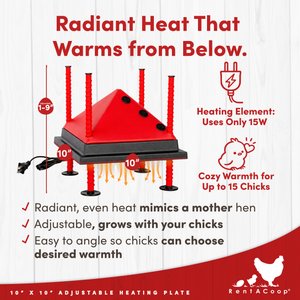
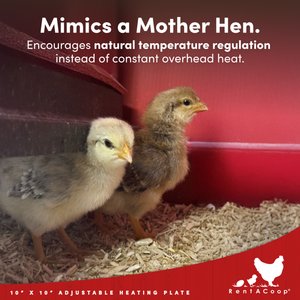
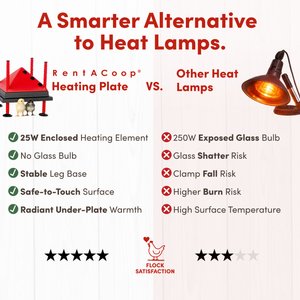
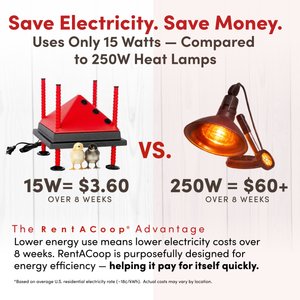
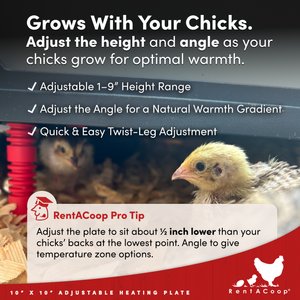
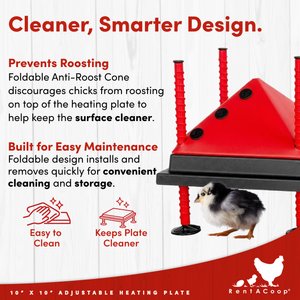
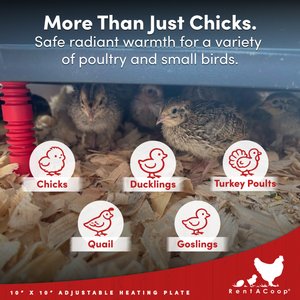

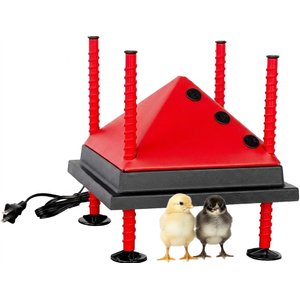
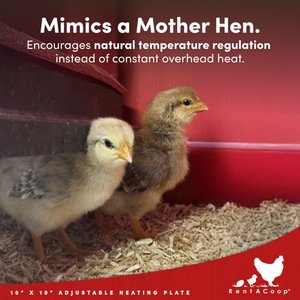
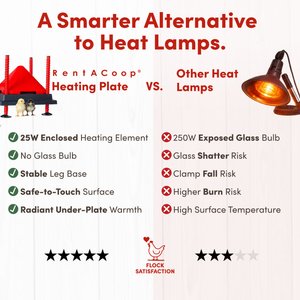
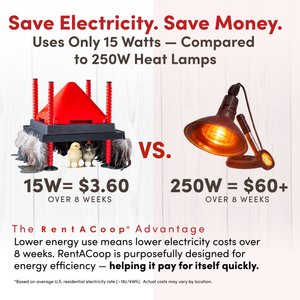
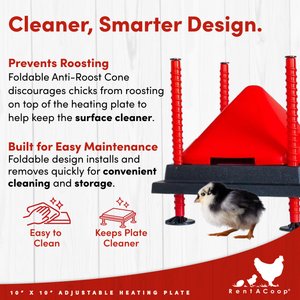
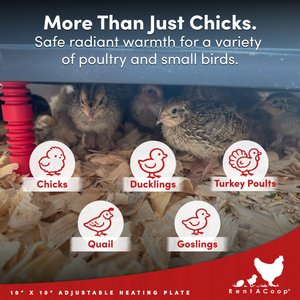
RentACoop Chick Brooder Heating Plate, 10 x 10-in, 15 watt
$49.95 Chewy Price
Our ratings
Automatic Turning
4.6/5
ExcellentEgg Capacity
4.7/5
ExcellentHumidity Control
4.5/5
GreatTemperature Control
4.6/5
Excellent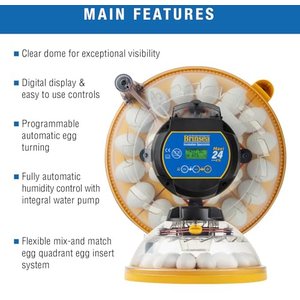
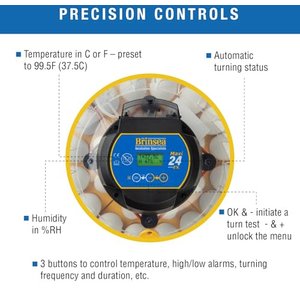
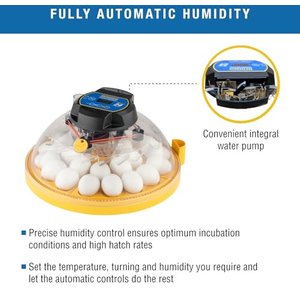
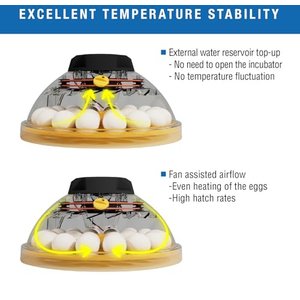
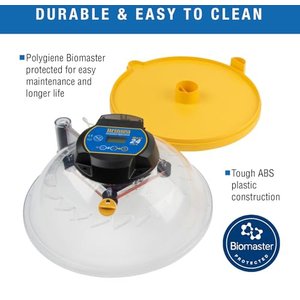
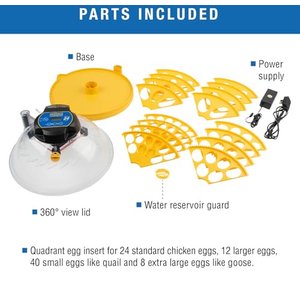
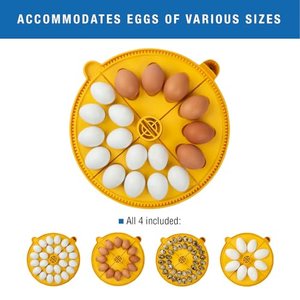
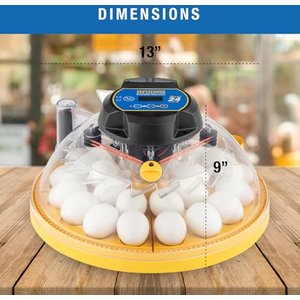
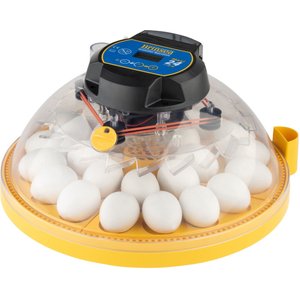
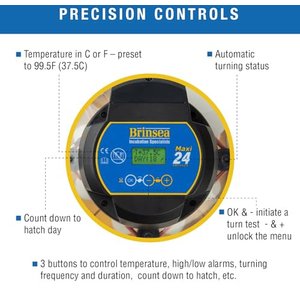
Brinsea Maxi 24 EX Automatic with Humidity Control 24 Egg Incubator, Yellow
$244.80 Chewy Price
Promo, New Customers Only: Spend $49+, get $25 eGift Card
Our ratings
Automatic Turning
4.8/5
ExcellentEgg Capacity
4.7/5
ExcellentHumidity Control
4.6/5
ExcellentTemperature Control
4.6/5
Excellent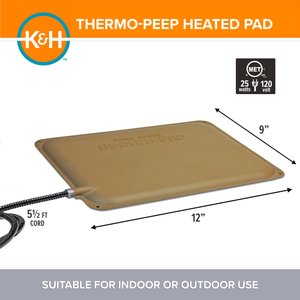
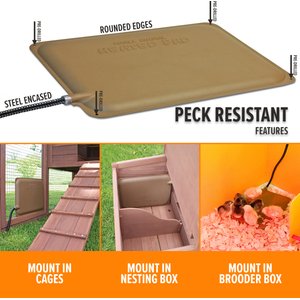
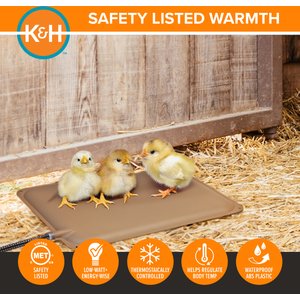
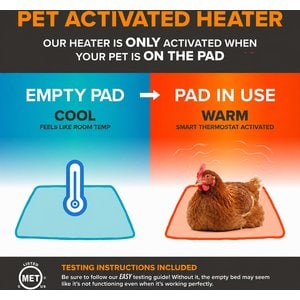
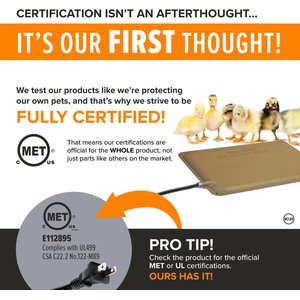
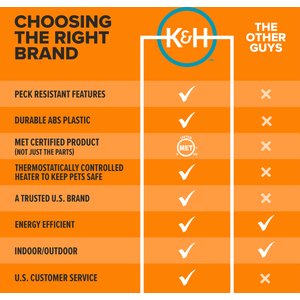
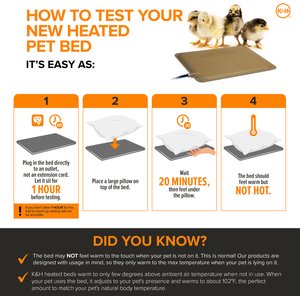

K&H Pet Products Thermo-Peep Heated Pad
$28.69 Chewy Price
Promo, New Customers Only: Spend $49+, get $25 eGift Card
Our ratings
Automatic Turning
4.5/5
GreatEgg Capacity
4.6/5
ExcellentHumidity Control
4.5/5
GreatTemperature Control
4.5/5
Great
Farm Innovators Heated Chicken Mat
$59.99 Chewy Price
Promo, New Customers Only: Spend $49+, get $25 eGift Card
Our ratings
Automatic Turning
4.3/5
GreatEgg Capacity
3.9/5
GoodHumidity Control
4.4/5
GreatTemperature Control
4.4/5
Great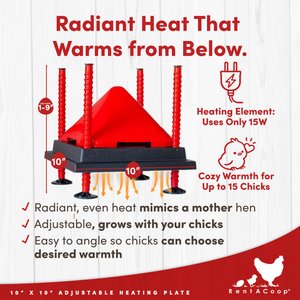

Our ratings
Automatic Turning
4.8/5
ExcellentEgg Capacity
4.4/5
GreatHumidity Control
4.5/5
GreatTemperature Control
4.5/5
Great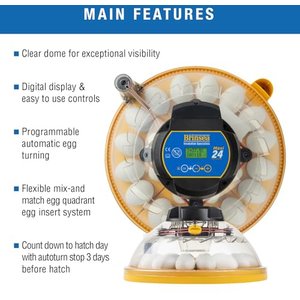
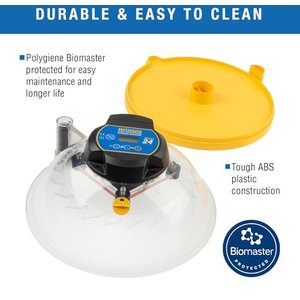
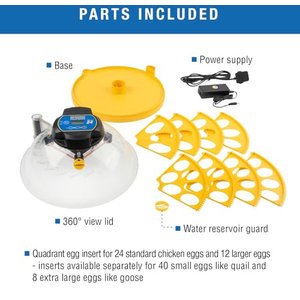
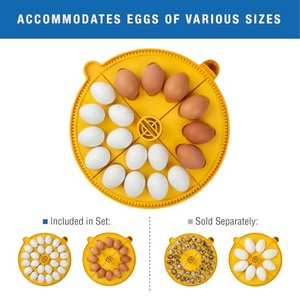
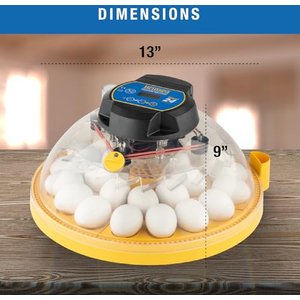

Brinsea Maxi 24 Advance Automatic 24 Egg Incubator, Yellow
$349.99 Chewy Price
Promo, New Customers Only: Spend $49+, get $25 eGift Card
Our ratings
Automatic Turning
4.8/5
ExcellentEgg Capacity
4.6/5
ExcellentHumidity Control
4.6/5
ExcellentTemperature Control
4.6/5
ExcellentFarm Innovators Still Air Digital Bird Incubator
$59.99 Chewy Price
Promo, New Customers Only: Spend $49+, get $25 eGift Card
Our ratings
Automatic Turning
4.4/5
GreatEgg Capacity
4.3/5
GreatHumidity Control
4.3/5
GreatTemperature Control
4.2/5
Great