Best Chicken Water Heaters
Our Top Picks
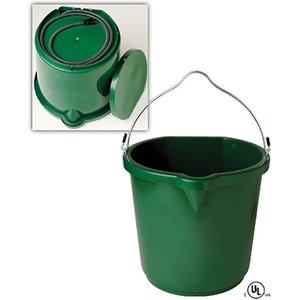
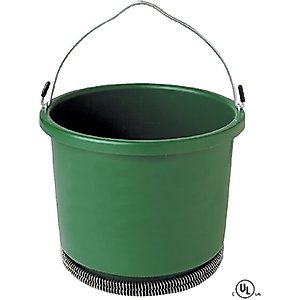
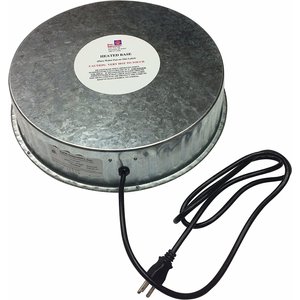
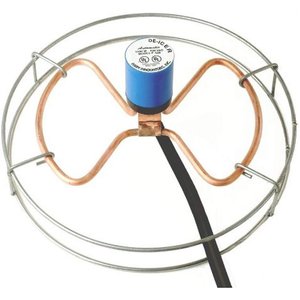
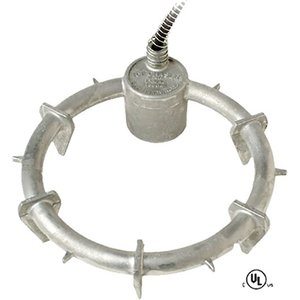
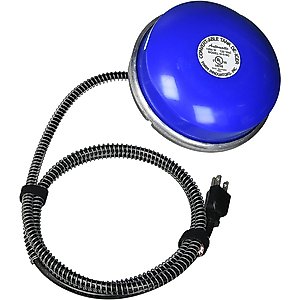
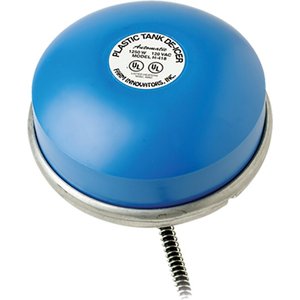
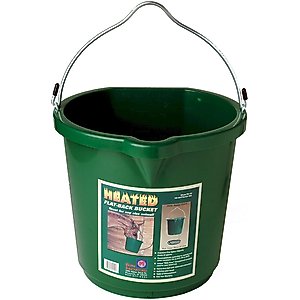
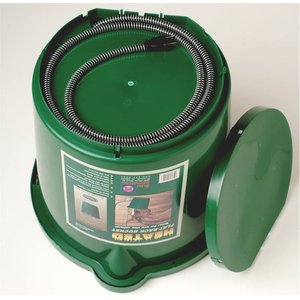
Farm Innovators Heated Flat-Back Bucket, 5-gal
$45.99 Chewy Price
($9.20/gl)
Promo, New Customers Only: Spend $49+, get $25 eGift Card
Our ratings
Durability
4.4/5
GreatEase of Use
4.5/5
GreatEnergy Efficiency
4.5/5
GreatHeating Capacity
4.4/5
Great
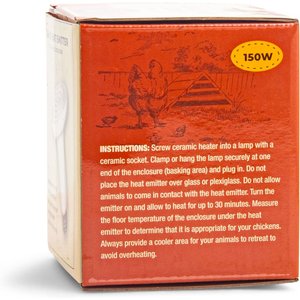
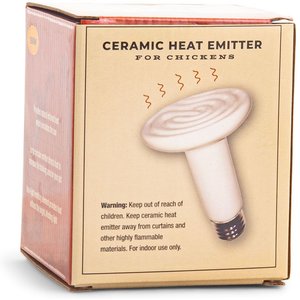

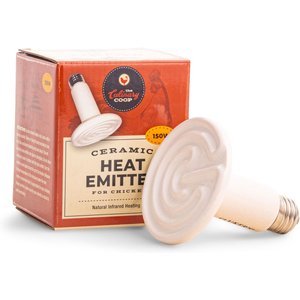
Culinary Coop Ceramic Chicken Heat Emitter, 150-watt
$14.17 Chewy Price
Promo, New Customers Only: Spend $49+, get $25 eGift Card
Our ratings
Durability
4.3/5
GreatEase of Use
4.3/5
GreatEnergy Efficiency
4.5/5
GreatHeating Capacity
4.7/5
Excellent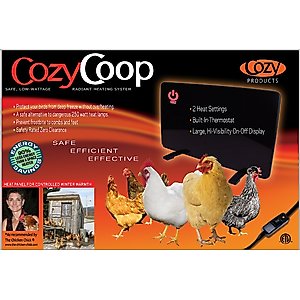


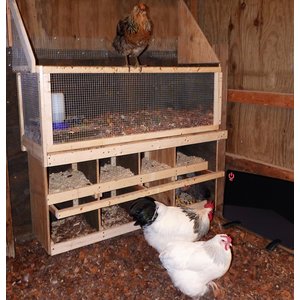
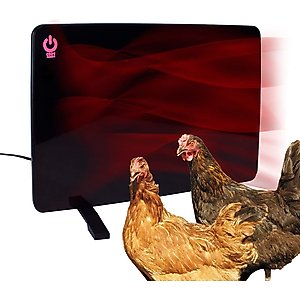
Cozy Products Flat Panel Chicken Coop Heater
$54.69 Chewy Price
Promo, New Customers Only: Spend $49+, get $25 eGift Card
Our ratings
Durability
3.9/5
GoodEase of Use
4.1/5
GreatEnergy Efficiency
4.3/5
GreatHeating Capacity
4.2/5
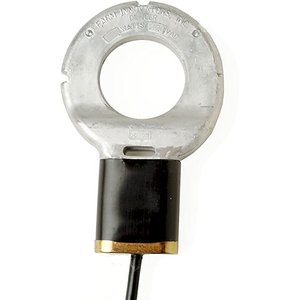
GreatFarm Innovators Utility Cast Aluminum De-Icer, 250-watt
$45.49 Chewy Price
Promo, New Customers Only: Spend $49+, get $25 eGift Card
Our ratings
Durability
4.4/5
GreatEase of Use
4.5/5
GreatEnergy Efficiency
4.6/5
ExcellentHeating Capacity
4.4/5
Great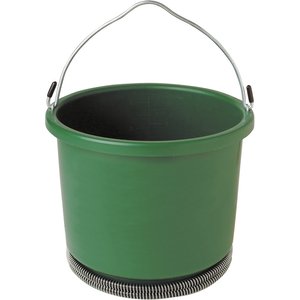
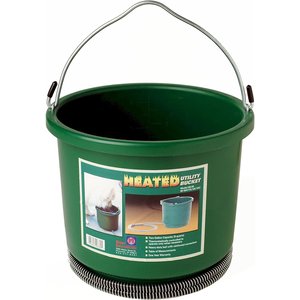
Farm Innovators Heated Bucket, 2-gal
$44.99 Chewy Price
($22.50/gl)
Promo, New Customers Only: Spend $49+, get $25 eGift Card
Our ratings
Durability
4.7/5
ExcellentEase of Use
4.7/5
ExcellentEnergy Efficiency
4.6/5
ExcellentHeating Capacity
4.4/5
GreatFarm Innovators Heated Chicken Base
$49.99 Chewy Price
Promo, New Customers Only: Spend $49+, get $25 eGift Card
Our ratings
Durability
4.2/5
GreatEase of Use
4.2/5
GreatEnergy Efficiency
4.3/5
GreatHeating Capacity
4.3/5
GreatFarm Innovators Submergible Plastic Stock Tank De-Icer & Attached Guard, 1500-Watt
$47.99 Chewy Price
Promo, New Customers Only: Spend $49+, get $25 eGift Card
Our ratings
Durability
4.5/5
GreatEase of Use
4.5/5
GreatEnergy Efficiency
4.5/5
GreatHeating Capacity
4.6/5
Excellent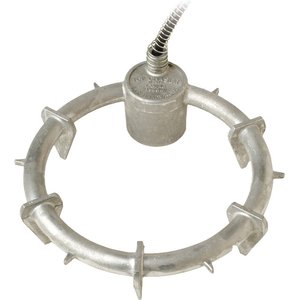
Farm Innovators Cast Aluminum Submergible De-Icer, 1500-watt
$68.04 Chewy Price
Promo, New Customers Only: Spend $49+, get $25 eGift Card
Our ratings
Durability
4.2/5
GreatEase of Use
4.5/5
GreatEnergy Efficiency
4.1/5
GreatHeating Capacity
4.0/5
GreatFarm Innovators Convertable Stock Tank De-Icer
$38.49 Chewy Price
Promo, New Customers Only: Spend $49+, get $25 eGift Card
Our ratings
Durability
4.5/5
GreatEase of Use
4.7/5
ExcellentEnergy Efficiency
4.7/5
ExcellentHeating Capacity
4.5/5
GreatFarm Innovators Cast Aluminum Floating Plastic Tank De-Icer
$52.75 Chewy Price
Promo, New Customers Only: Spend $49+, get $25 eGift Card
Our ratings
Durability
4.4/5
GreatEase of Use
4.7/5
ExcellentEnergy Efficiency
4.6/5
ExcellentHeating Capacity
4.5/5
Great