Best Dog Agility Training Equipment
Our Top Picks


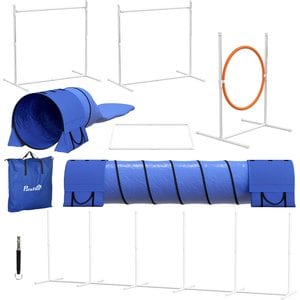


Cool Runners Agility Dog Training Weave Poles
$71.99 Chewy Price
Promo, New Customers Only: Spend $49+, get $20 off
Our ratings
Durability
4.7/5
ExcellentPortability
4.5/5
GreatSafety Features
4.8/5
ExcellentVersatility
4.6/5
Excellent

HDP Collapsible Agility Dog Training Tunnel, Blue
$34.50 Chewy Price
Promo, New Customers Only: Spend $49+, get $20 off
Our ratings
Durability
4.3/5
GreatPortability
4.6/5
ExcellentSafety Features
4.5/5
GreatVersatility
4.7/5
Excellent


TRIXIE Dog Agility Hurdle Cone Set, Orange/Yellow
$26.99 Chewy Price
Promo, New Customers Only: Spend $49+, get $20 off
Our ratings
Durability
4.4/5
GreatPortability
4.3/5
GreatSafety Features
4.5/5
GreatVersatility
4.6/5
Excellent


FitPAWS K9FITbone Dog Training Regular Balancing Bone, Aqua
$86.95 Chewy Price
Promo, New Customers Only: Spend $49+, get $20 off
Our ratings
Durability
4.4/5
GreatPortability
4.4/5
GreatSafety Features
4.5/5
GreatVersatility
4.5/5
Great

Cool Runners Agility Lightweight PVC Dog Training Tunnel with Tunnel Bags, 15-ft
$209.99 Chewy Price
Promo, New Customers Only: Spend $49+, get $20 off
Our ratings
Durability
4.7/5
ExcellentPortability
4.6/5
ExcellentSafety Features
4.6/5
ExcellentVersatility
4.6/5
Excellent


TRIXIE Agility Dog Training Tunnel, 6.5-ft
$26.99 Chewy Price
Promo, New Customers Only: Spend $49+, get $20 off
Our ratings
Durability
3.9/5
GoodPortability
4.1/5
GreatSafety Features
4.2/5
GreatVersatility
4.2/5
Great


Better Sporting Dogs 5 Piece Complete Starter Dog Agility Set
$159.99 Chewy Price
($32.00/ea)
Promo, New Customers Only: Spend $49+, get $20 off
Our ratings
Durability
4.2/5
GreatPortability
4.3/5
GreatSafety Features
4.3/5
GreatVersatility
4.3/5
Great


FitPAWS Dog Balancing Wobble Board, 36-in
$186.95 Chewy Price
Promo, New Customers Only: Spend $49+, get $20 off
Our ratings
Durability
4.4/5
GreatPortability
4.5/5
GreatSafety Features
4.4/5
GreatVersatility
4.5/5
Great


Better Sporting Dogs 3 Piece Essential Agility Equipment Set Dog Toy, Blue
$99.99 Chewy Price
($33.33/ea)
Promo, New Customers Only: Spend $49+, get $20 off
Our ratings
Durability
4.5/5
GreatPortability
4.6/5
ExcellentSafety Features
4.6/5
ExcellentVersatility
4.6/5
Excellent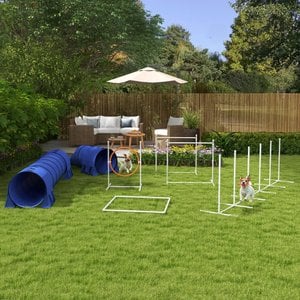
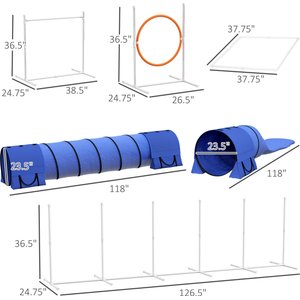
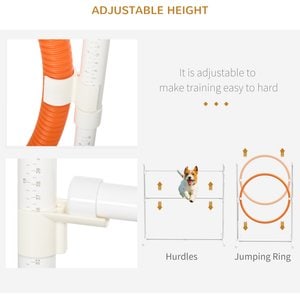
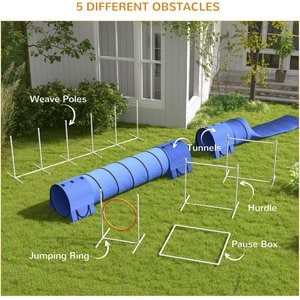
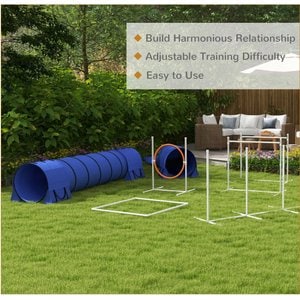
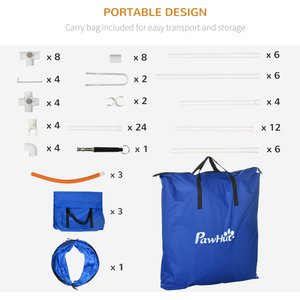
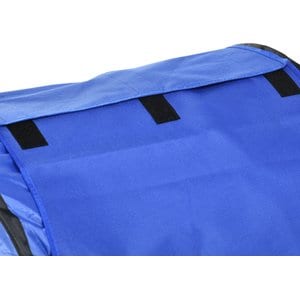

PawHut 7 Piece Dog Agility Training Equipment Set
$119.99 Chewy Price
($17.15/ea)
Promo, New Customers Only: Spend $49+, get $20 off
Our ratings
Durability
4.3/5
GreatPortability
4.5/5
GreatSafety Features
4.6/5
ExcellentVersatility
4.5/5
Great