Exotic Shorthair
Updated October 20, 2026
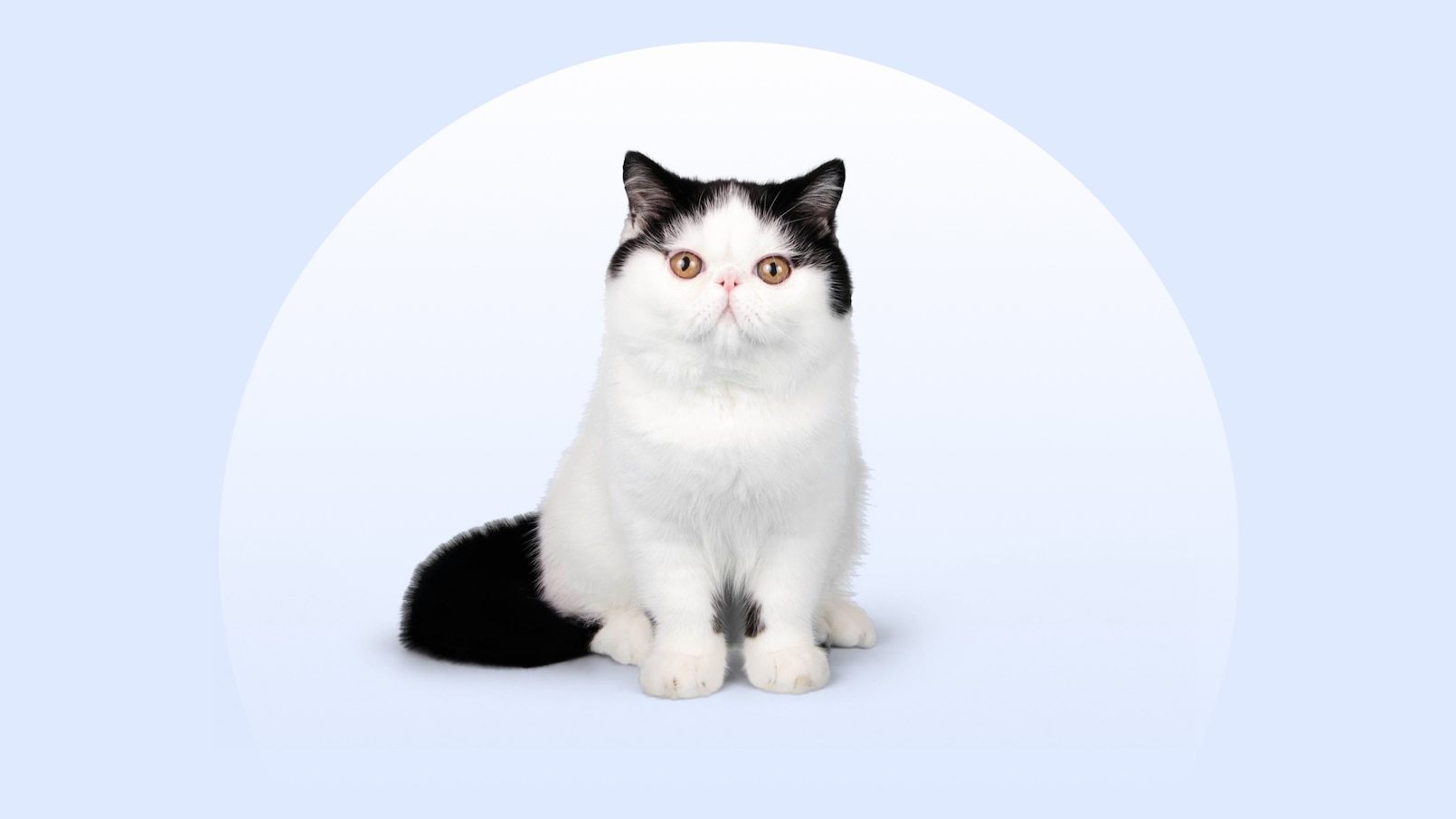
Exotic Shorthair
Updated October 20, 2026
Beloved for their flat, round face and dense, fluffy coat, Exotic Shorthairs are affectionate companions who love to be in your company. They are related to Persians, but their shorter coat is less demanding when it comes to grooming.
Sweet, Cuddly, Laid-Back
10–12 pounds
10–15 years
If you want a loving, devoted sidekick with an impossibly cute appearance, it may be time to bring home an Exotic Shorthair cat.
This breed is part of the Persian family; they share the same adorable flat face, round head shape, and big eyes, but their shorter coat only needs a quick daily combing.
Known for their playful, affectionate personality, your Exotic Shorthair will follow you around from room to room. They’re always eager to be in the company of a loved one, whether it’s a child, adult, cat, or dog.
Exotic Shorthair Characteristics
Exotic Shorthair Appearance
Exotic Shorthairs are adored for their large, affectionate eyes; flat faces; and thick, plush coats. This is a medium-sized cat, but their fluffy coat often makes them look larger.
Exotic Shorthairs share the same short nose and round face as their Persian siblings, but with shorter hair (and less maintenance!).
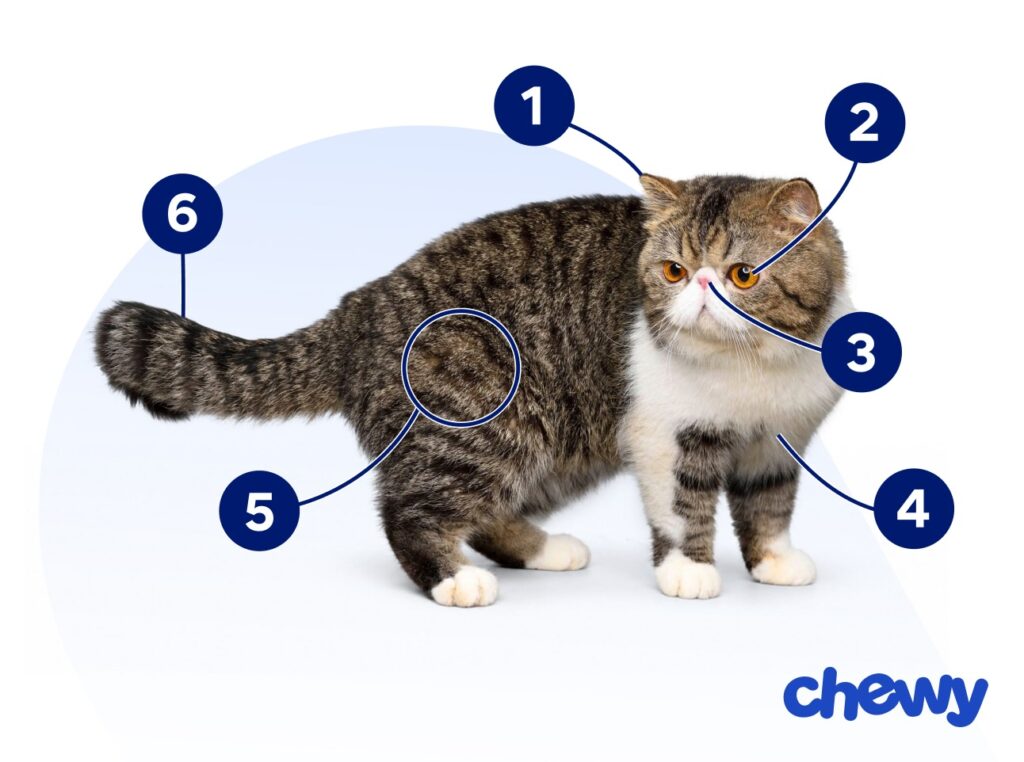
- Ears
The Exotic Shorthair has small, rounded ears. Their ears sit far apart and close to their head, adding to the overall rounded look of their face.
- Eyes
They have large, round eyes that come in different colors, including copper, green, or blue. Their eyes are wide-set with a sweet expression.
- Nose
This breed has a short, broad muzzle with a flat, broad nose.
- Coat Length
While the Exotic Shorthair cat has a shorter coat than their Persian siblings, their coat is still plush and dense, and longer than most other shorthair cat breeds.
- Coat Color
Their coat comes in many colors, including black, blue, blue-cream, brown, calico, chocolate, cream, golden, lilac, red, seal, silver, tortoiseshell, and white. They may also come in patterns, including bicolor, Himalayan, shaded, smoke, tabby, tortoiseshell, and tricolor.
- Tail
They have a short, thick tail covered in their plush coat.
Exotic Shorthair Temperament
It’s easy to fall in love with the Exotic Shorthair’s affectionate and playful personality. Generally a friend to all, this breed gets along well with both people and pets. In fact, they adore company of any kind.
“They don’t necessarily all love to be carried around,” says Lynn Cooke, Exotic Breed Council Secretary of the Cat Fanciers’ Association (CFA) and owner of Callyn Cattery. “But they will love to be near you, sit on you, or follow you around.”
Some Exotic Shorthair parents find this cat breed to be particularly doglike. “Some of them even fetch,” Cooke says. They are friendly, outgoing, and curious—especially as kittens. And while they can be relaxed and happy lounging around, this breed is often slightly spunkier than their Persian relatives.
“I think, in some ways, they seem to be smarter than the Persians,” says Lori Normand, who owns Sagewynd, an Exotic Shorthair cattery in Victoria, British Columbia. “They’re a little more active than a Persian, and I think they’re a little more loving than a Persian.”
Related Breeds
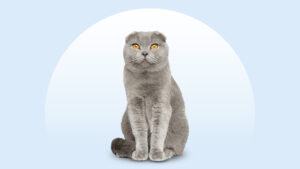
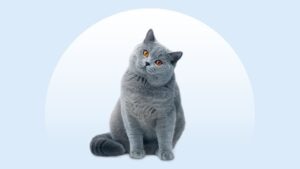
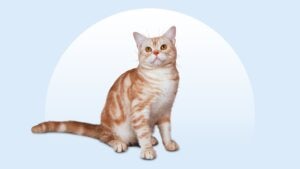


How to Care for a Exotic Shorthair
Exotic Shorthairs are easygoing cats who don’t have many demanding needs. You’ll spend most of your time feeding them a balanced diet, combing them daily, and giving them plenty of love and attention.
While they are a shorthair breed, they’re still heavy shedders, so keep that in mind if you plan to bring one home.
Grooming
Diet
Exercise
Environment
Exotic Shorthair Health
Because the Exotic Shorthair was originally a hybrid breed, “the gene pool is quite vast,” says Cooke, making this a generally hardy breed. Most Exotic Shorthairs will live between 10–15 years, although some may live up to 18 years, Cooke says.
While reputable breeders will selectively breed out any genetic health concerns, these cats are still prone to issues that are common in cats and brachycephalic breeds.
- Polycystic kidney disease: Polycystic kidney disease (PKD) is a genetic condition in which multiple cysts (pockets of fluid) build up in the kidneys. Over time, the cysts can grow and multiply, damaging the kidney tissue and leading to potentially fatal kidney failure. The Persian breed group—which includes the Exotic Shorthair—is the most susceptible to PKD of any cat breed. Exotic Shorthair parents should have their cats screened for this at an early age.
- Brachycephalic obstructive airway syndrome: The Exotic Shorthair is considered a brachycephalic breed, meaning they have shorter skulls and flat faces. This look only adds to their charm, but it can come with a few health risks. One such condition is called brachycephalic obstructive airway syndrome (BOAS), where the brachycephalic anatomy limits normal breathing.
- Watery eyes: Because of their flat faces, Exotic Shorthairs may have watery eyes, which can cause symptoms such as wetness and tear staining. When caused by facial structure as opposed to infection or injury, there is no treatment necessary for watery eyes. Pet parents should instead focus on cleaning their cat’s eyes as part of the grooming process.
- However, if the watery eyes are accompanied by symptoms like swelling, redness, or pawing at the eyes, have your cat checked by a veterinarian to ensure there is no other underlying cause.
Exotic Shorthair History
The Exotic Shorthair breed’s origin traces back to the West Coast in the 1950s, when several breeders decided to cross Persians with American Shorthairs. Because the short-hair gene is dominant over the long-hair gene, the crossbreeding resulted in shorthaired kittens with the faces and bodies of Persian cats.
It took the Exotic Shorthair breed a little time to gain traction and interest. By 1966, the breed had gained enough popularity that the CFA decided to officially recognize it.
When the breed was first getting started, breeders intended for kittens to be silver only, according to The International Cat Association. The breed was called Sterling to match the color. But as more kittens were born with more colors, the name changed to Exotic Shorthair.
Because their coat is not as short as many shorthair breeds, the CFA has since dropped the word “Shorthair” and now refers to the breed as the Exotic.