8 Flat-Faced Cat Breeds You’ll Love


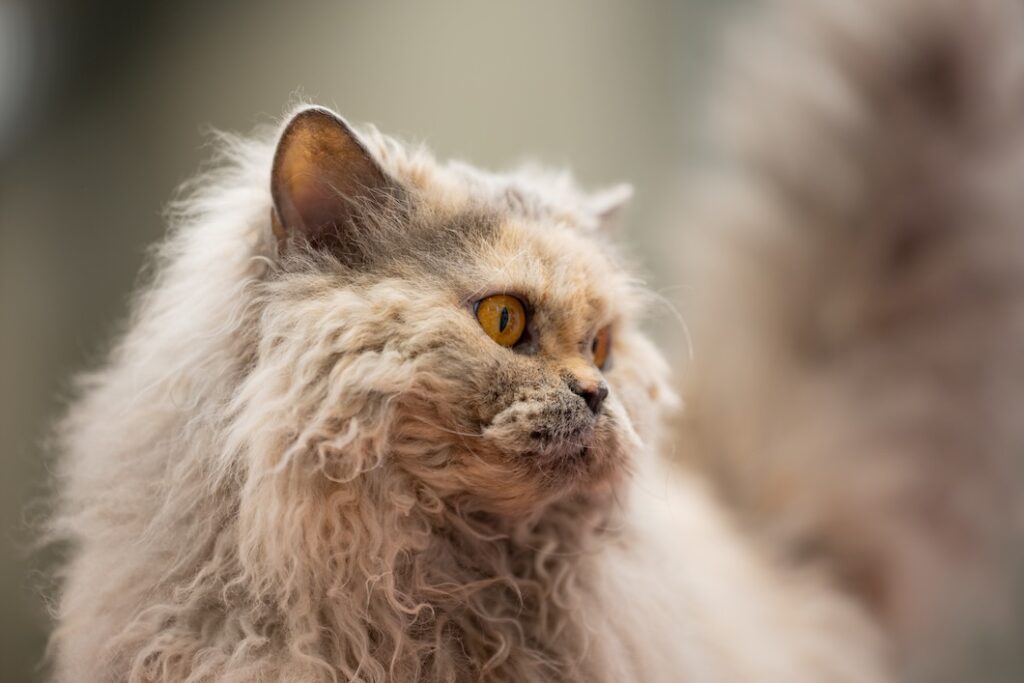
Photo by Robert Nieznanski/Getty Images Plus via Getty Images
Flat-faced cat breeds, also called brachycephalic cat breeds, are known for their unique appearance. And while those flat faces are cute, they also come with unique care considerations. Here’s what to know about popular squished-face cats and how you can help them live happy, healthy lives.
Key Takeaways
- Flat-faced cat breeds are loved for their distinctive smooshed faces that give them a unique look.
- Each flat-faced cat breed has something different to offer, from the Persian’s calm, regal personality to the playful, affectionate nature of the Burmese.
- Shortened facial structures can increase their risk of breathing, eye, dental, and skin problems in some smooshed-faced cats.
- Flat-faced cats benefit from sticking to a healthy weight, regular grooming and dental care, moderate exercise, and routine veterinary checkups.
What Are the Most Popular Flat-Faced Cat Breeds?
Flat-faced cats have a devoted fan club for good reason: Their round faces, big eyes, and sweet expressions are hard to resist, but that distinctive look can also affect how comfortably some of these cats breathe.
Before bringing home a flat-faced cat, pet parents need to be in-the-know about brachycephalic airway syndrome (BOAS), one of the biggest health concerns for brachycephalic cats.
BOAS can make breathing more difficult, says Maggie Placer, DVM, veterinary science program manager at the EveryCat Health Foundation. “Cats with BOAS may snore, breathe loudly, get tired more quickly during play, have trouble in hot weather, gag, or seem to work harder to breathe,” Dr. Placer says.
With that context in mind, here are some of the most popular flat-faced cat breeds.
1. Persian
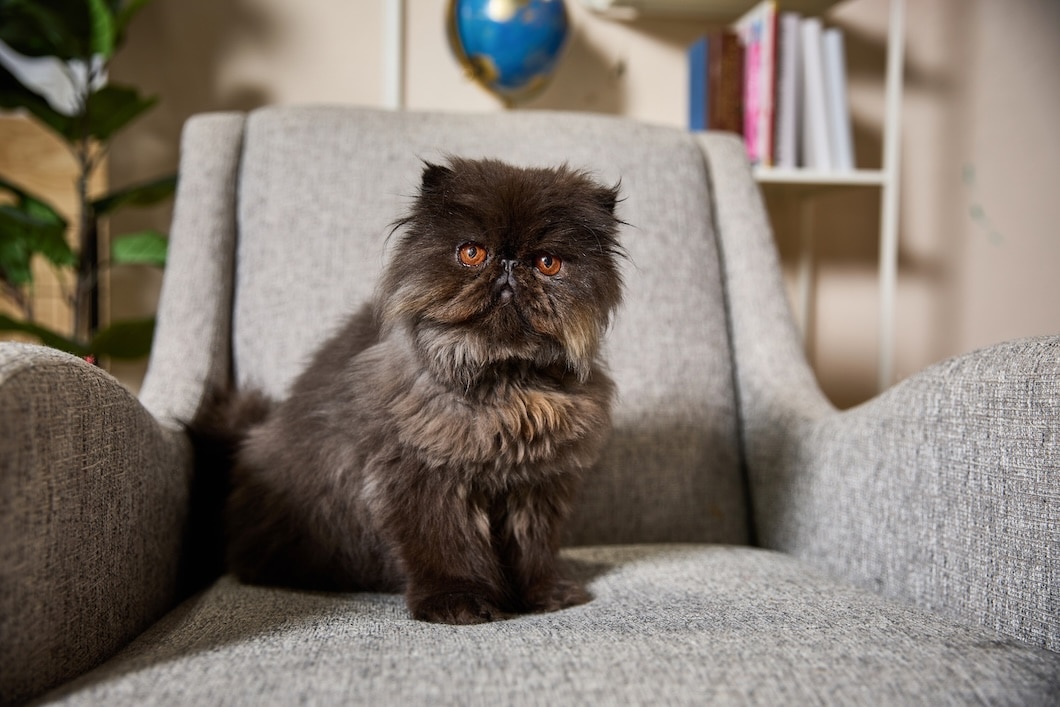
Photo by Chewy
- Lifespan: 10–17 years
- Temperament: Affectionate, calm, refined
When you think of a flat-faced cat, the Persian is probably top of mind. Their smooshed face is a distinctive characteristic of this breed, along with their regal appearance—and a persona to match.
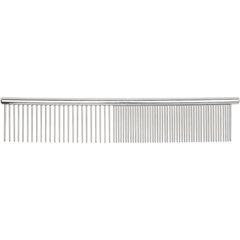
A good metal comb and slicker brush should be first on your shopping list when bringing home a Persian cat, as they need daily brushing sessions.
Recommended Products

That’s not the only high-maintenance thing about them, though. Dr. Placer also says the Persian is the most likely breed to experience brachycephalic-related health problems.
Their extremely flat facial structure puts Persians at the highest risk for breathing difficulties (BOAS), eye ulcers, excessive tearing, dental crowding, facial fold dermatitis, and, in some bloodlines, polycystic kidney disease (PKD), she says. Careful breeding may lower the risk of some of these problems, and regular veterinary care can help manage issues if they come up.
2. Exotic Shorthair
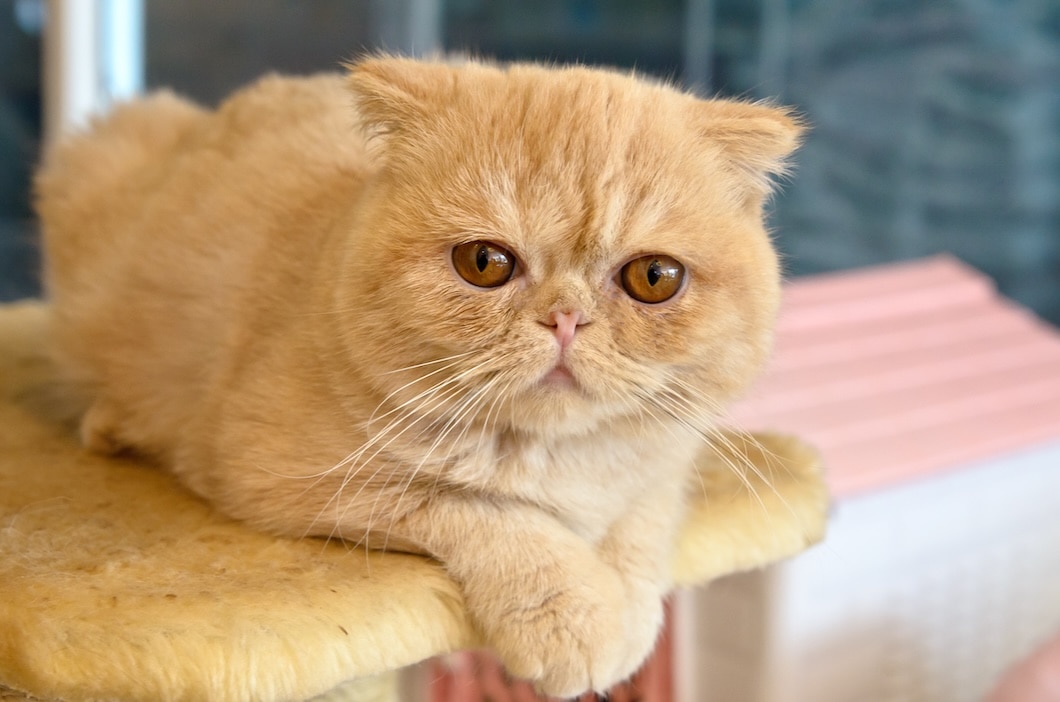
Photo by JeepFoto/Getty Images Plus via Getty Images
- Lifespan: 8–15 years
- Temperament: Affectionate, playful, patient
The Exotic Shorthair is a gentle breed related to the Persian, according to The International Cat Association (TICA). Since Exotic Shorthairs share much of the Persian’s facial structure, they tend to experience many of the same breathing, eye, and dental issues, Dr. Placer says.
Exotic Shorthairs also have dense coats but not as much fur as a Persian. With this breed, you get the best of the Persian personality without the high-maintenance grooming.
3. Himalayan
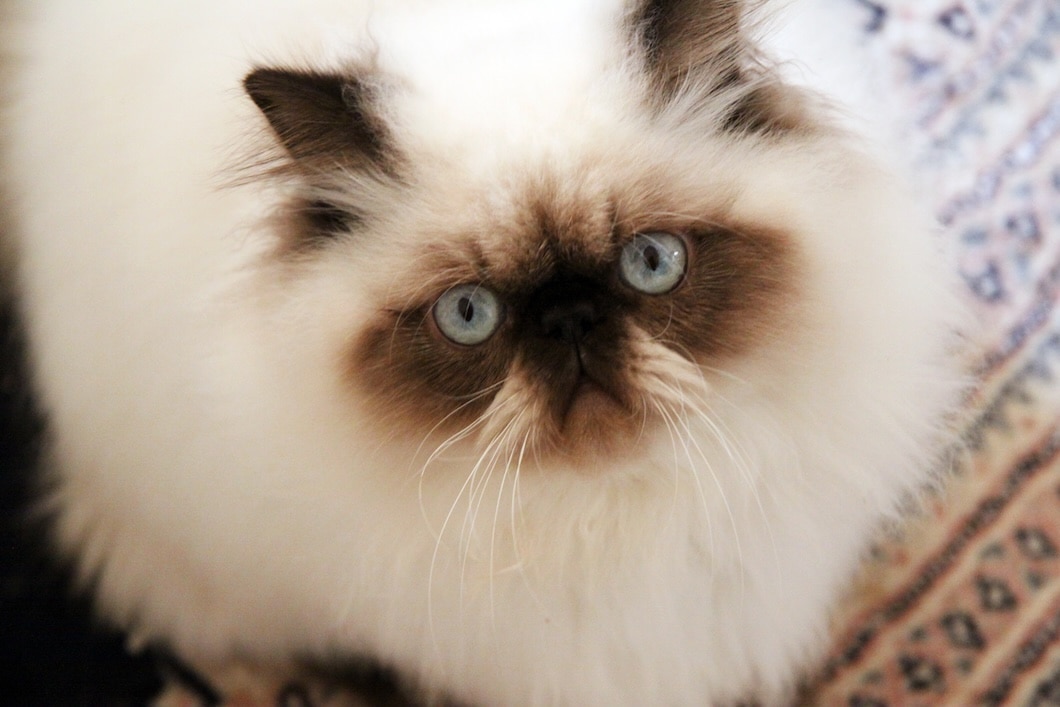
Photo by PiratePhotography/Getty Images Plus via Getty Images
- Lifespan: 12–18 years
- Temperament: Affectionate, social, laid-back
Himalayans’ flat faces aren’t their only standout quality: Their beautiful blue eyes and color-point coat pattern set them apart. Because they are another type of Persian cat, they also have a high risk of brachycephalic-related health problems.
Himalayans also need their eyes monitored regularly for irritation or eye infections, and pet parents should use pet-safe wipes on their faces daily to avoid tear staining.
Recommended Product

4. British Shorthair
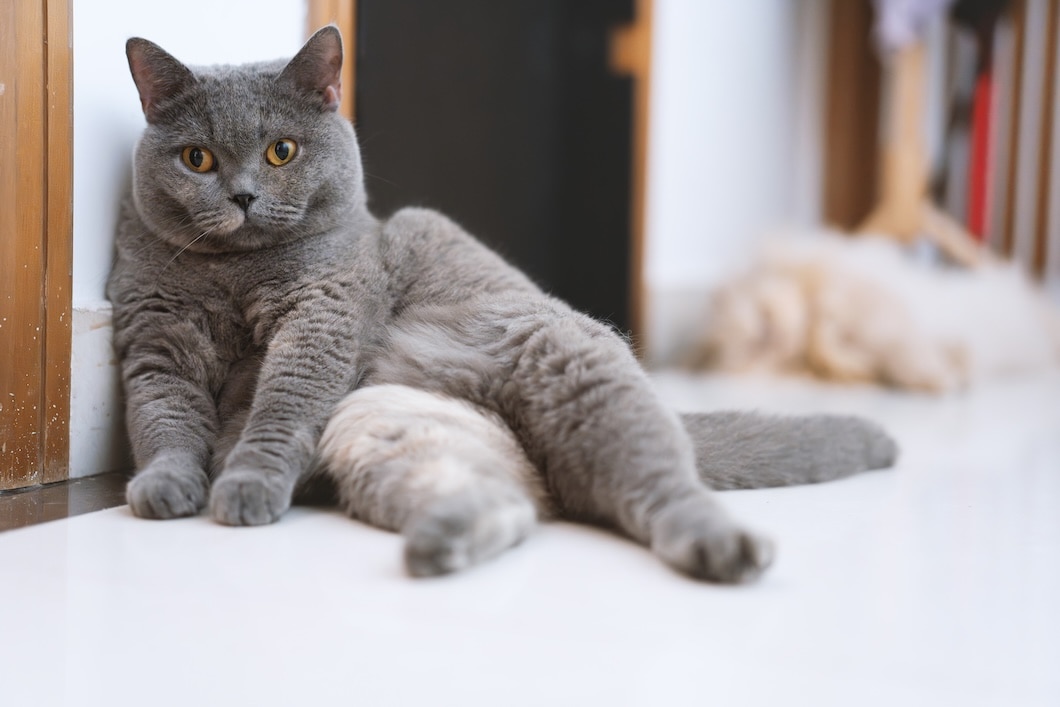
Photo by chuangxin zhou/Getty Images Plus via Getty Images
- Lifespan: 12–20 years
- Temperament: Calm, loyal, affectionate
British Shorthair cats have lovable chubby cheeks—but tempting as it may be, this breed probably doesn’t want to be picked up or cuddled. (Don’t worry, other cats on this list do!)
While friendly, these smooshed-face cats tend to prefer their own space (though they won’t hesitate to snooze next to you). Quality time is much more their love language, rather than physical touch.
5. British Longhair
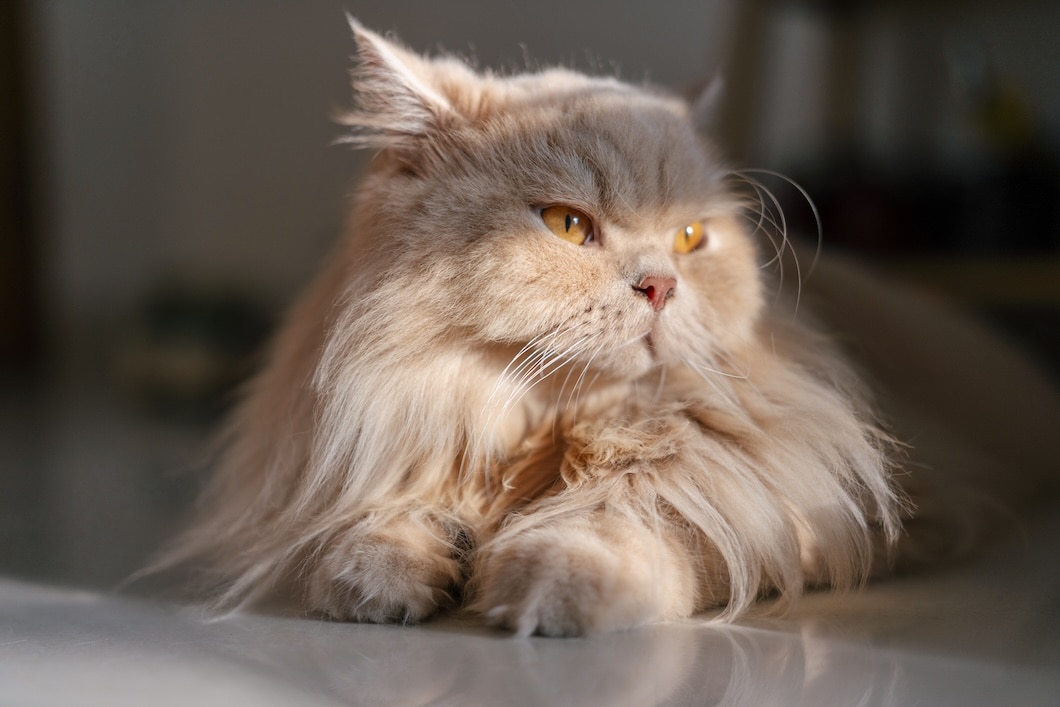
Photo by chuangxin zhou/Getty Images Plus via Getty Images
- Lifespan: 12–20 years
- Temperament: Easygoing, warm, independent
British Longhairs have the personality of a British Shorthair mixed with a Persian, resulting in one sweet, squishy-faced cat. They love cuddling up on the couch, meaning they’re not very active, so it’s important to find ways to help them maintain a healthy weight.
British Longhairs aren’t big climbers either, so invest in a low-height cat tree to entice them to actually use it. Be sure to also keep a wand toy around for impromptu playtime. All that long hair can be a handful, so brush your cat daily to keep their coat free of mats and in healthy condition.
Recommended Product
6. Scottish Fold
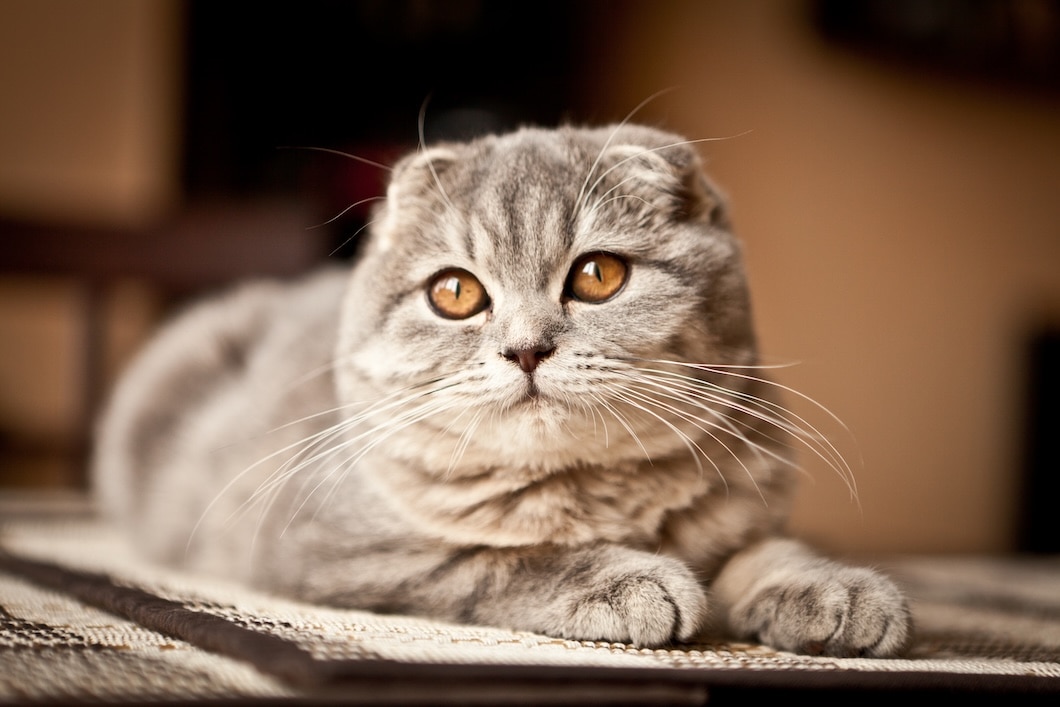
Photo by lafar/Getty Images Plus via Getty Images
- Lifespan: 11–16 years
- Temperament: Devoted, inquisitive, easygoing
The Scottish Fold name comes from their folded ears, which are caused by a genetic mutation. These affectionate cats maintain a kitten-like appearance for most of their lives, but those characteristics can come with health issues like osteochondrodysplasia (OCD), which causes the folded ears and can affect cartilage development.
Also called Scottish Fold disease, OCD can lead to problems with arthritis and lameness. Be sure to take your cat to the vet regularly to monitor for health problems and treat them promptly to ensure your cat has the healthiest life possible.
7. Selkirk Rex
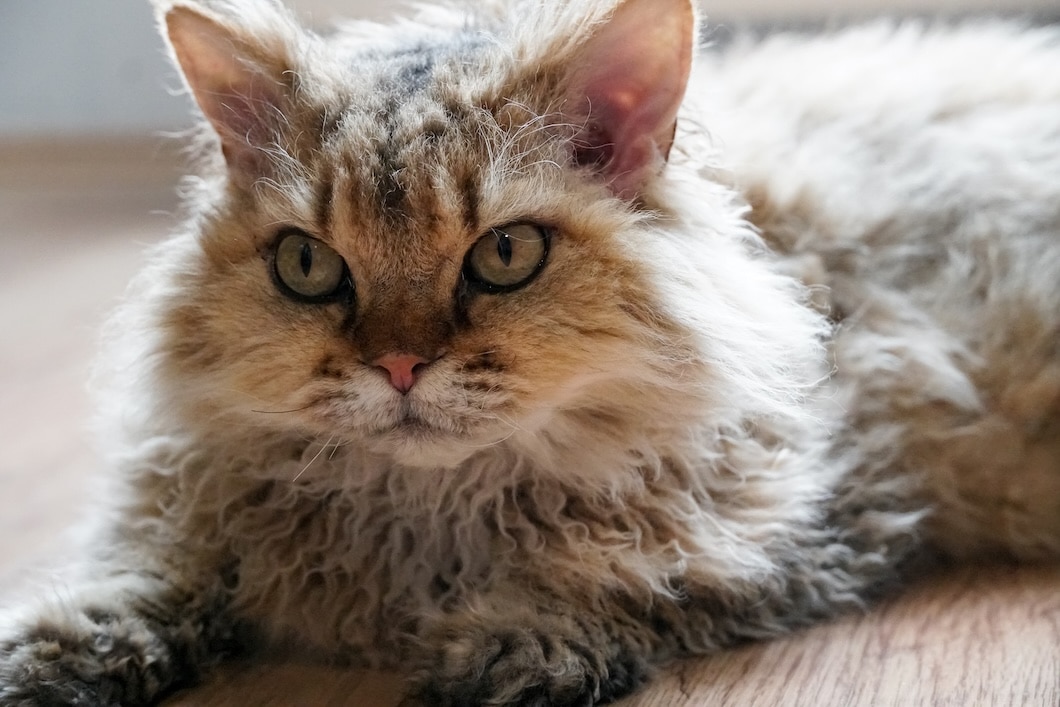
Photo by Adobe/Stanislaw
- Lifespan: 14–20 years
- Temperament: Loving, patient, docile
Now this is a cat who likes to cuddle. And it is truly a treat to snuggle up with a Selkirk Rex: Their famously fluffy, curly coat feels like scooping up a teddy bear.
Despite being descended from Persians, the Selkirk Rex is a generally healthy breed, according to TICA. But it’s still important to take them to regular vet checkups, groom them frequently, feed them a healthy diet, and avoid exposing them to the heat.
8. Burmese
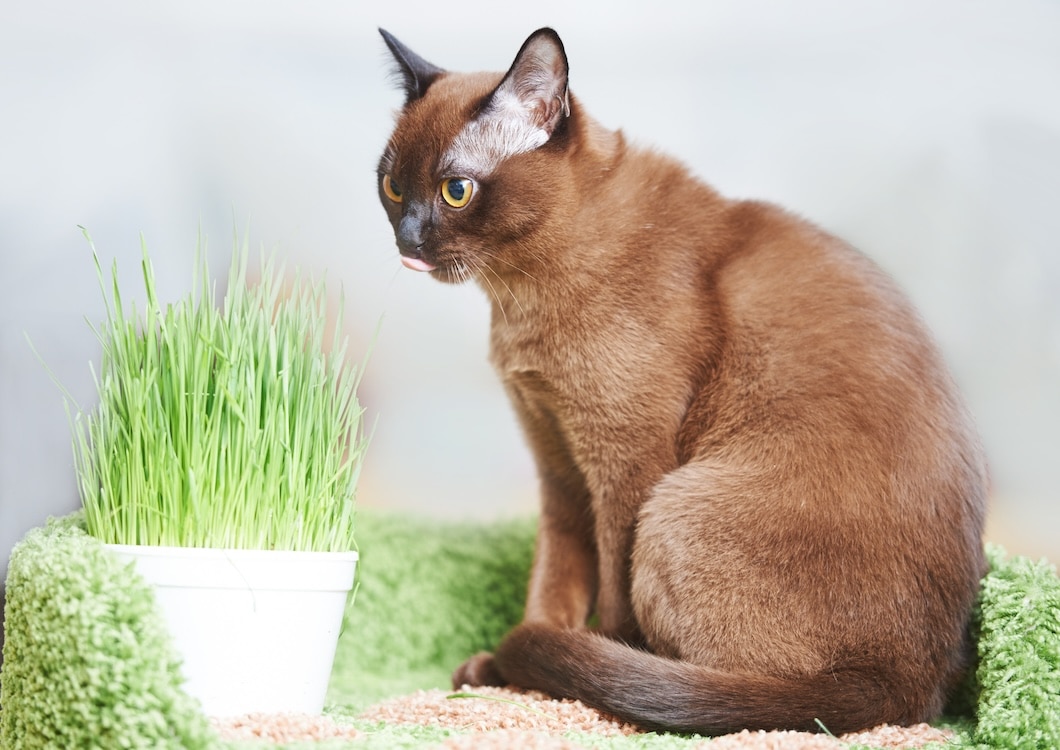
Photo by Adobe/Kadmy
- Lifespan: 9–13 years
- Temperament: Cuddle companion, attention-lover, playful partner
The Burmese is the Golden Retriever of cats—and not only in looks, but also in their sweet personality. These cats are happy to follow you around and be picked up for snuggles, making them ideal pets for families with small children.
How To Care for Flat-Faced Cat Breeds
While brachycephalic cats can make wonderful companions, “giving them the best chance at a long, healthy life starts with choosing a responsible breeder who prioritizes health over extremely flat facial features,” Dr. Placer says.
Once they’re home, these tips from Dr. Placer can help reduce the risks of many of the health problems these breeds face:
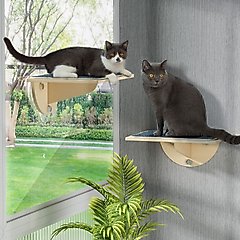
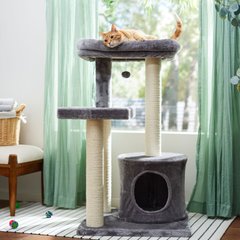
- Exercise: Exercise should be kept moderate and tailored to the individual cat, Dr. Placer says. “Short play sessions of about 5–10 minutes are usually better than long, intense bursts of exercise,” she says. Fitting bursts of exercise into their day is important for flat-faced cats, and Dr. Placer suggests things like interactive cat toys, puzzle feeders, climbing trees, and food-dispensing toys as effective ways to encourage activity.
Recommended Products

- Weight management: Maintaining a lean body condition is one of the best things pet parents can do, since extra weight can make cats’ breathing problems much worse, Dr. Placer says. Avoid overfeeding your kitty, and try feeding them smaller kibble or wet food if your cat has significant dental crowding. Your vet can tell you how many calories to feed each day between food and treats.
- Eye care: Some cats with flat faces tend to have eye problems. Since they have shallow eye sockets, their eyes are more exposed. Conditions like excessive tearing, corneal ulcers, entropion, and eye irritation are more common in brachycephalic cat breeds than others. Dr. Placer recommends checking their eyes regularly, keeping them clean, and treating problems early to help prevent more serious issues.
- Dental care: “Their shortened jaws often mean crowded or misaligned teeth, which makes it easier for food and plaque to build up,” Dr. Placer says. Regularly brush your cat’s teeth and schedule routine professional dental cleanings to avoid severe dental problems.
- Skin care: Skin fold dermatitis is a common condition in flat-faced cat breeds, which occurs when moisture gets trapped in the wrinkles of the face and neck. Keep these areas clean and dry, and talk to your cat’s veterinarian about medications or antimicrobial wipes you can use to treat skin fold dermatitis if your cat frequently develops flare-ups.
- Grooming: Long-haired breeds like Persians, Himalayans, and British Longhairs require daily brushing to prevent mats and tangles, but short-haired breeds still benefit from routine grooming.
- Veterinary care: Generally healthy adult cats need an annual wellness exam, while senior cats should be examined twice a year. However, if your cat experiences breathing problems, chronic eye issues, dental disease, or recurring skin fold infections, Dr. Placer says they may need more frequent checkups. “Because many of these conditions are easier to treat when caught early, regular veterinary exams and close monitoring are especially important for brachycephalic breeds,” she says.
Attributions