How to get rid of cat dandruff


Have you noticed a few flakes in your kitty’s fur? Yes, cat dandruff is a thing. Mild dandruff is usually not a cause for concern, but dandruff paired with other symptoms can point to a more serious medical condition.
To dive in deeper, we talked with Dr. Christine Cain, an associate professor of dermatology at the University of Pennsylvania School of Veterinary Medicine, to discuss some of the causes and treatments for cat dandruff.
Key Takeaways
- Cat dandruff is made up of visible flakes of dead skin and can result from dry skin, poor grooming, and underlying health conditions.
- Mild dandruff is common, but excessive dandruff or dandruff accompanied by skin irritation, weight loss, or behavior changes should be evaluated by a veterinarian.
- Regular brushing, proper nutrition, parasite prevention, and maintaining adequate humidity can help reduce dandruff in many cats.
- Your veterinarian can diagnose the underlying cause of dandruff and recommend the most appropriate treatment if home care isn't enough.
What Is Cat Dandruff?
Cats get dandruff when their outer layer of dead skin cells sheds. Those cells, which look like white flakes, accumulate on your cat’s coat and skin.
What Is the Difference Between Cat Dander and Dandruff?
Cat dander and cat dandruff are related but different. Both are dead skin cells flaking off your cat, but there are a few differences between the two:
- Size: Dander is microscopic, while dandruff appears as visible flakes.
- Commonality: All cats have dander, while only some experience dandruff.
- Seriousness: Dander is normal for cats, while dandruff may indicate health problems.
It’s also essential to know the difference between cat dandruff and flea dirt, a sign of a flea infestation.
“Flea dirt is, disgustingly, flea poop. It’s digested blood,” says Dr. Cain. It’s black and resembles tiny specks of pepper, distinct from dandruff’s white flakes.
What Causes Cat Dandruff?
Why do cats get dandruff? There are several reasons your feline friend can suffer from dry, flaky skin:
Lack of Grooming
If your cat isn’t grooming and removing dandruff on their own, you may notice a buildup of white flakes.
Cats suffering from obesity may have difficulty grooming themselves, so they may develop dandruff in hard-to-reach areas, like their back and tail. In overweight cats, dandruff is often accompanied by greasy hair or matted fur.
But obesity is not always the reason behind poor cat grooming; your pet might not be feeling well enough to clean themselves. Flaky skin and an overall decrease in coat quality are signs your cat may not be feeling their best, Dr. Cain says.
Environmental Factors
Cold weather and low humidity can make your cat’s dandruff even worse, especially during the winter when they’re indoors in a warm, dry environment all day. Hairless cats are more sensitive to these environmental changes.
Stress
Like humans, cats experience anxiety, which can cause changes in their overall skin health, leading to dry, flaky skin.
External Parasites
Fleas and mites are a common culprit behind cat dandruff. Sometimes, pet parents confuse flea dirt (which looks like black specks) with white, flaky dandruff.
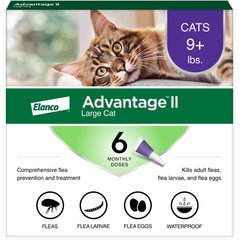
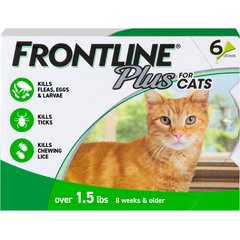
It’s essential to take preventive steps to protect your cat against fleas. “I would encourage people to make sure their cats are on a good parasite control,” says Dr. Cain. “Even indoor-only cats can be exposed.”
Recommended Products
Health Problems
Cats who can’t properly groom may suffer from an underlying health condition.
Pain from an oral infection or dental disease could make grooming painful for your cat.
An endocrine disease, such as hyperthyroidism, could be causing dandruff.
Sometimes, dandruff is a symptom of internal cancer, but in that case, the dandruff would be very obvious. “Usually, these are cats that have really pronounced, flaky skin. Look for huge sheets of flaky skin coming off,” says Dr. Cain.
Infections
It’s less common for cats to suffer from skin infections than dogs. However, your cat can develop red, irritated or infected skin. Cats can also develop ringworm, a fungal skin infection that can cause dandruff and hair loss.
Improper Diet
It’s essential to feed your cat a balanced diet to maintain healthy skin and fur.
Cats who are too overweight to groom themselves properly may need a veterinary diet to help them lose weight and be healthier.
Cat Dandruff Symptoms
Cat dandruff is most noticeable as white flakes in your cat’s fur, but it can also occur alongside other changes to their skin and coat. Depending on the underlying cause, you may notice one or more of the following symptoms:
- White flakes on the coat or skin
- Dry, flaky skin
- Greasy or matted fur
- Red or irritated skin
- Excessive scratching or grooming
- Hair loss or thinning fur
- Poor coat quality or a dull-looking coat
If your cat has dandruff along with hair loss, skin sores, or changes in appetite, energy level, or grooming habits, schedule an appointment with your veterinarian to determine the underlying cause.
How To Get Rid of Dandruff on Your Cat
There are many causes of dandruff, so there’s no single solution for every cat. Here are some common solutions:
1. Brush Your Cat Gently
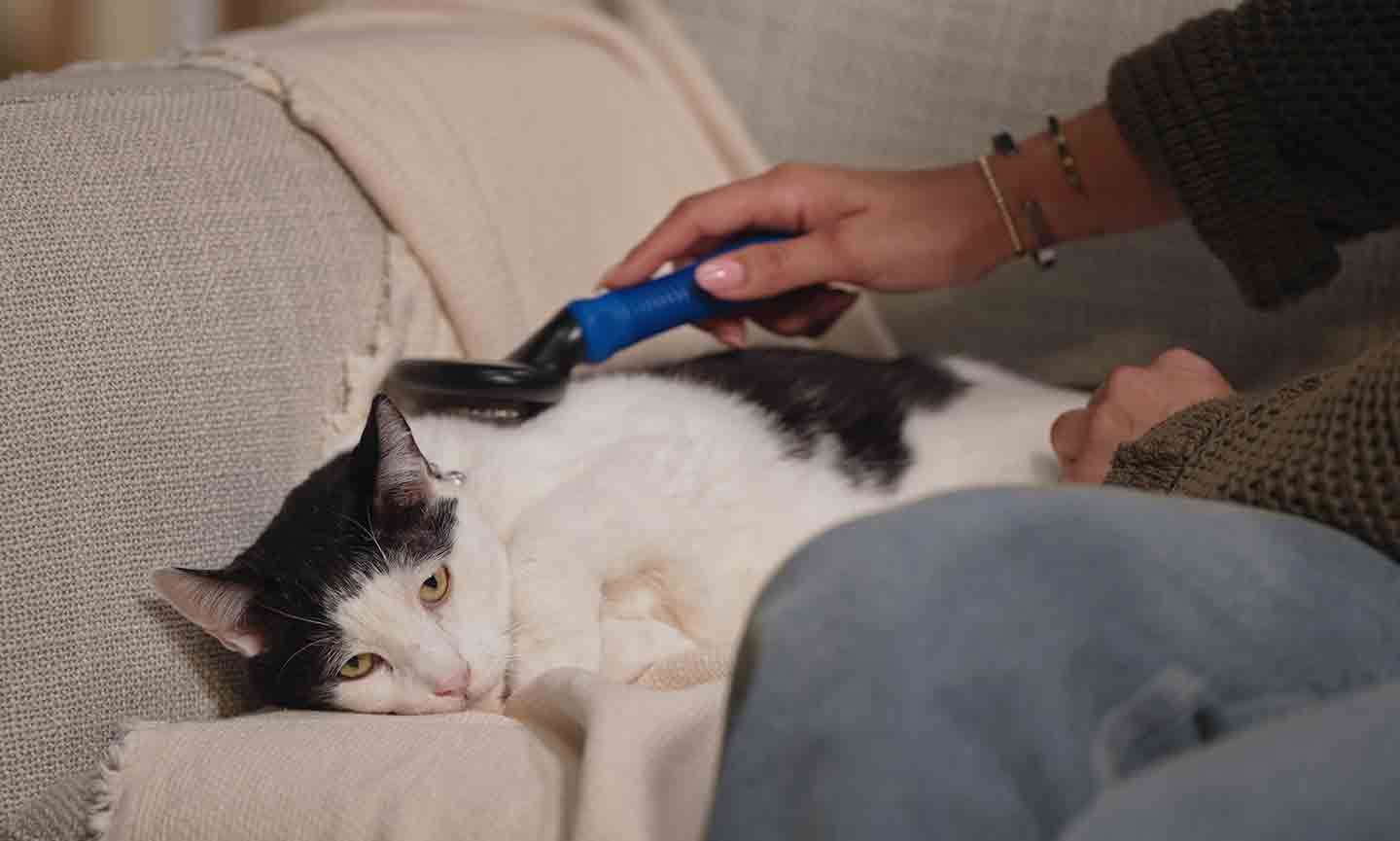
A gentle brushing can often remove dandruff from your cat’s fur. This is especially true if your cat is having difficulty grooming hard-to-reach areas of their fur.
If your cat’s fur is matted, you may need to clip back the hair in those areas and regularly brush those spots during your cat grooming routine.
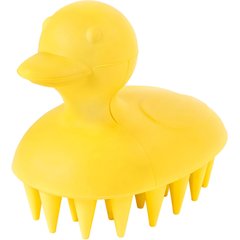
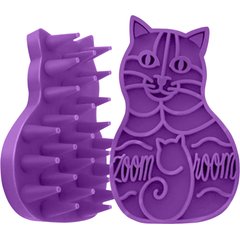
Recommended Products
2. Use a Humidifier

In the winter, use a humidifier in your house to help add moisture to the air. This will help keep your cat’s skin from getting dry and flaky.
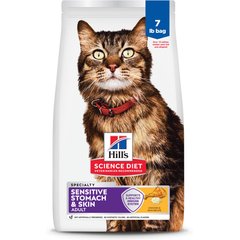
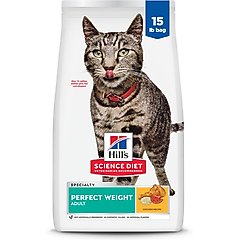
3. Consider Their Diet
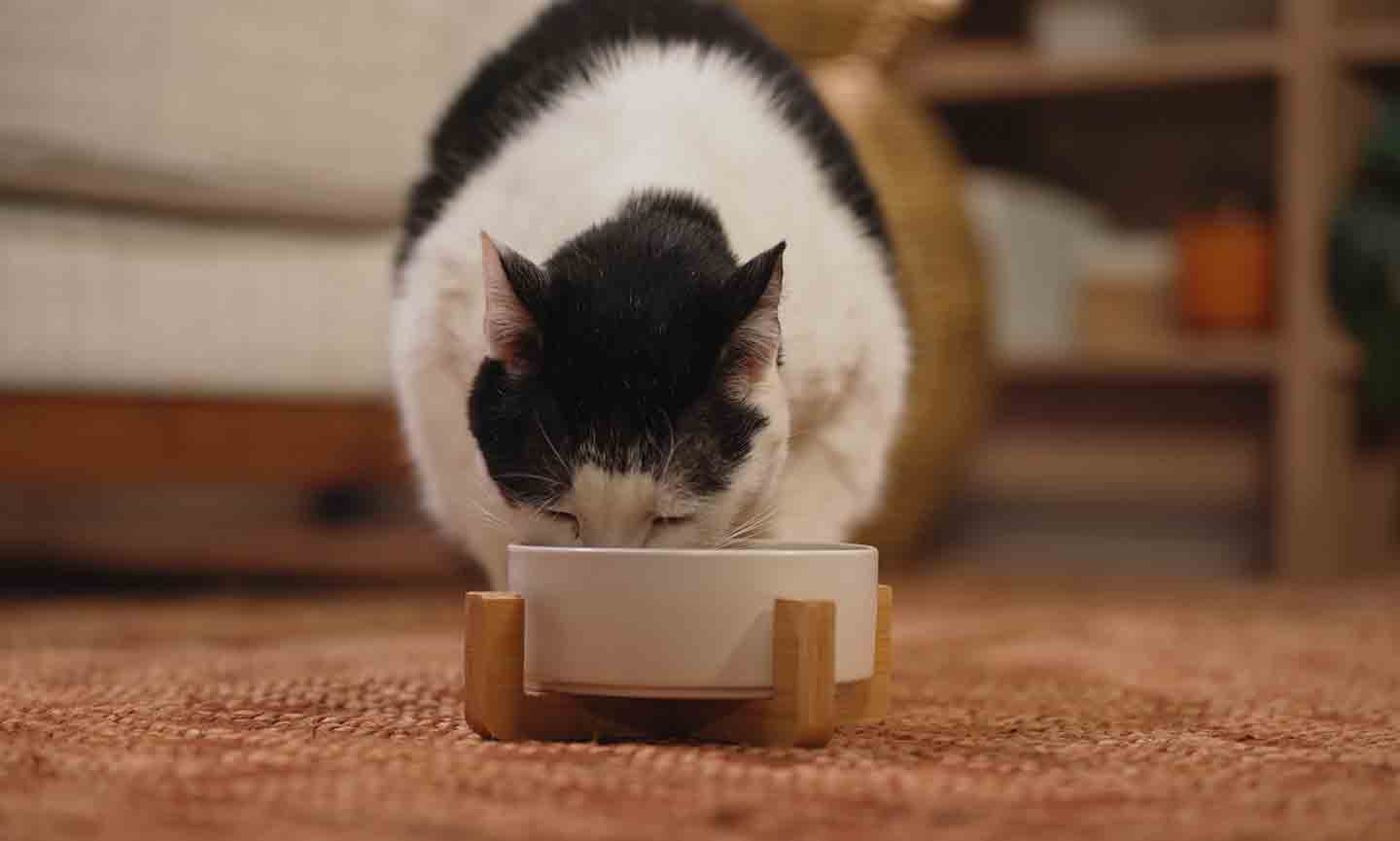
Your cat’s diet should be designed for their life stage (kitten, adult, senior) and nutritionally complete and balanced to help keep their skin and fur looking and feeling good.
If your cat is so overweight they can’t properly groom themselves, contact your vet. They may recommend putting your cat on a veterinary diet to promote weight loss and a lean, healthy body condition.
Recommended Products
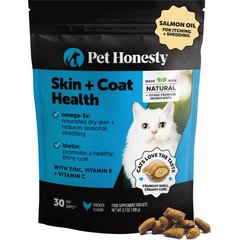
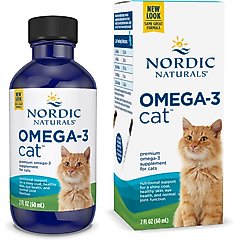
Adding a supplement with omega-3 fatty acids can also help your cat’s skin to stay healthy and flake-free. Omegas help the skin by calming inflammation, restoring the skin’s moisture barrier, and reducing itching.
Recommended Products
Before starting with any supplement, discuss it with your vet to make sure it’s the right choice for your cat.
Should I Give My Cat a Bath?
Dandruff makes your cat look dirty—so, should you bathe them? Probably not, says Dr. Cain.
“I wouldn’t necessarily encourage people to bathe their cats,” she says, explaining that while some skin conditions will require you to bathe your cat, treating light dandruff isn’t typically one of them. For most cats, baths stress them out, which could actually make their dandruff worse.
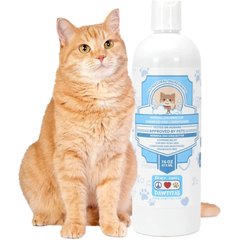
However, some cats will tolerate—and even enjoy—a bath. For them, washing away dandruff may be helpful. Use a gentle, moisturizing shampoo designed for cats to help promote healthy skin and coat.
Recommended Products

When To See Your Vet
Cat dandruff isn’t typically a cause for concern, but if you notice dandruff along with other symptoms, it could be a sign your cat needs to see their veterinarian.
Talk to your vet if you notice these symptoms in addition to dandruff:
- Lethargy
- Changes in their eating habits
- Changes in their drinking habits
- Changes in their litter box routine
- Changes in their grooming behavior
FAQs About Cat Dandruff
Why does my cat have white flakes in their fur?
If you observe white flakes in your cat’s fur, it’s probably dandruff. Feline dandruff occurs when the outer layer of dead skin cells sheds and accumulates in your cat’s coat. Flea dirt, which looks like black specks on your cat’s skin, can sometimes be mistaken for dandruff, but it’s a sign of a flea infestation.
Is it bad if my cat has a lot of dandruff?
Excessive dandruff is typically a sign that something more may be going on with your cat’s health, so this is a signal to talk with your veterinarian. Look for additional symptoms, such as red, irritated skin; matted fur; or changes in mood or behavior, along with the dandruff as additional clues.
What can I feed my cat for dandruff?
Your cat should be eating a healthy, balanced diet, so it’s essential to ensure your daily cat foods don’t have obvious nutrient deficiencies. Some fish-based diets are higher in omega-3 fatty acids, but it’s best to talk with your veterinarian before switching your cat’s food.
Understanding the causes and treatments for cat dandruff can help maintain your feline friend’s health and well-being. With proper care and veterinary guidance, pet parents can effectively manage the effects of dandruff, helping their cats live happy, comfortable lives.
Attributions