How Long Do Cats Live? It Depends


Photo by iStock.com/diane555
When you bring home a new kitten, you’re in for a life of feather wand chasing, biscuit making, and a furry shadow following you to the bathroom. It’s a lifelong commitment—but just how long can vary.
No two cats are the same, and a cat’s lifespan depends on several different factors. So, how long do cats live? And how can you help your kitty live a healthy, happy life?
Key Takeaways
- The average cat lives about 12 years, though some can reach 20 years or more with proper care.
- Indoor cats typically live longer than outdoor cats because they’re not exposed to the dangers outdoor cats face.
- Breed, genetics, and spay or neuter status also affect a cat’s lifespan.
- Regular vet care, a balanced diet, and daily playtime can help extend your cat’s life expectancy.
How Long Do Cats Live?
The average cat lifespan is about 12 years, according to a 2023 study.
But there are always exceptions, and some cats live much longer or shorter lives, depending on various factors.
In fact, some fortunate felines can live to be as old as 20, and in very rare cases, even older. The oldest cat ever on record was a tabby mix named Creme Puff, who lived to be an astonishing 38 years old!
Cat life expectancy has also risen in recent years, according to studies. Over the past four decades, the average cat lifespan has risen from 7 years in a 1984 study to today’s 12-year estimate.
What Impacts a Cat’s Lifespan?
iStock.com/Nils Jacobi
More than breed or genetics, whether you have an indoor cat or outdoor cat is the biggest indicator of your cat’s life expectancy.
Indoor Cats vs. Outdoor Cats
Indoor cats—ones who exclusively live inside a house—tend to live longer than their indoor-outdoor or outdoor-only counterparts. On average, indoor cats live 13–17 years. An outdoor cat’s life expectancy, by comparison, is just two to five years.
One major reason for this is because “indoor cats are protected from many of the hazards that outdoor cats face, such as cars, disease, fights with other animals, and exposure to harsh weather,” says Alex Schechter, DVM and founder of Burrwood Veterinary in Detroit.
Additionally, indoor cats are typically provided with vet-recommended cat food and regular veterinary care, which increase their chances of living long, healthy lives.
Recommended Products


If you’d like your indoor cat to have outdoor time, consider taking them for supervised outings on a cat leash and harness.
Recommended Product

Outdoor cats don’t have a safe home to take shelter in, are typically not provided food or veterinary care, and face many dangers that indoor cats never encounter.
Cats who live indoors but are allowed unsupervised time outside fall somewhere in the middle; they have a shorter lifespan than indoor-only cats, but a longer lifespan than outdoor cats. This group of cats faces the same risks as outdoor-only cats, just not as often.
Breed
Certain cat breeds are known to have longer lifespans than others.
- Siamese, Burmese, and Persians are some of the longest-living cats, with typical lifespans of 15–20 years.
- Some big domestic cat breeds live shorter lives, like the Maine Coon’s average lifespan of 10–13 years.
- Breeds with smaller gene pools also have shorter lifespans. The Devon Rex, for example, typically lives 9–15 years.
- One 2015 study also shows that mixed breed cats have a longer average lifespan than purebred cats. This is thought to be because the risk of inheriting breed-specific diseases is reduced.
Spay and Neuter Status
Spaying or neutering your cat can increase your cat’s lifespan for a couple of reasons. For one, it can reduce the risk of certain reproductive cancers, like mammary cancer.
Neutering is also tied to behavioral changes, like reduced territorial aggression and roaming, which can potentially put cats in contact with dangers like FeLV, FIV, or FIP.
How Long Do Cats Live in Human Years?
iStock.com/jeffbergen
Don’t worry, we’ll make the math as painless as possible!
According to the 2021 AAHA/AAFP Feline Life Stage Guidelines, cats have five life stages:
- Kitten: birth to 1 year old
- Young adult: 1–6 years old
- Mature adult: 7–10 years old
- Senior: 10 years old and older
- End-of-life: Any age
To better understand where your cat is on their life journey, it can help to calculate your cat’s age in human years. While this is not a hard science, researchers have created guidelines for converting your cat’s age to human years:
- Your cat’s first year of life equals roughly 15 human years.
- Your cat’s second year of life equals approximately nine additional years, making them about 24 human years when they are 2 years old.
- Each additional year following your cat’s second year of life equals about four human years. For example:
- Year 3 = 28 human years
- Year 4 = 32 human years
- Year 5 = 36 human years
So, by the time your cat reaches senior age (around 7–10 years old), they are roughly 44–56 in human years.
How To Help Your Cat Live a Longer Life
iStock.com/LElik83
While some things affecting the cat lifespan, like genetics, are out of your control, there are several steps you can take a pet parent to help your cat live a long life.
Here are a few of the top tips Dr. Schechter recommends:
- Keep your cat indoors: Keeping your cat indoors can help protect them from hazards such as cars, predators, and diseases.
- Provide a balanced diet: Feed your cat a nutritionally balanced food that meets their specific needs. Ask your vet for recommendations on the best cat food.
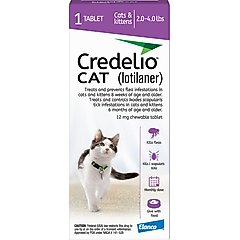
- Stay on top of preventative care: Regular check-ups with your veterinarian and staying up-to-date with vaccinations can help prevent health issues. Keeping your cat on year-round flea and tick and heartworm preventatives will also reduce the risk of associated health issues.
Recommended Products


- Provide exercise and mental stimulation: Provide your cat with exercise and mental stimulation through interactive toys and playtime. This can help keep them physically and mentally healthy. Dr. Schechter recommends 30 minutes of interactive playtime per day.
Recommended Products



- Minimize stress: Try to maintain a calm and stable home environment, and provide your cat with a cozy cat bed, scratching posts, and cat trees.
Recommended Products



- Get them spayed or neutered: If you haven’t already, consider spaying or neutering your cat. This can help prevent specific health and behavioral issues that can hinder lifespan.
While cats don’t have nine lives (if only!), your feline friend has the potential to live one long, healthy, happy life when cared for properly.
FAQs About How Long Cats Live
What is the average lifespan of a cat?
The average cat lifespan is about 12 years, though some cats live to 20 years or more. A cat’s life expectancy can vary based on lifestyle (indoor vs. outdoor), breed, genetics, spay or neuter status, and the quality of care they receive throughout their lives.
Do indoor cats live longer than outdoor cats?
Indoor cats typically live longer than outdoor cats because they’re protected from many outdoor dangers, including cars, infectious diseases, fights, and harsh weather. Indoor cats typically live an average of 13 to 17 years, while outdoor cats live an average of just 2 to 5 years.
Can cats live to be 20 years old?
Some cats can live to 20 years or more, though the average cat lifespan is about 12 years, and individual lifespan can vary widely from one cat to another.
What factors affect how long cats live?
A cat’s lifespan depends on whether they live indoors or outdoors, their breed, genetics, whether or not they are spayed/neutered, and if they receive regular veterinary care or not.
How can I help my cat live a longer life?
Consistent veterinary care, a balanced diet, daily play and enrichment, and supervised outdoor time can help support your cat’s health, safety, and quality of life.
Attributions