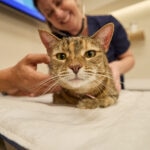
Why Is My Cat Wheezing? Symptoms, Causes, and Treatment


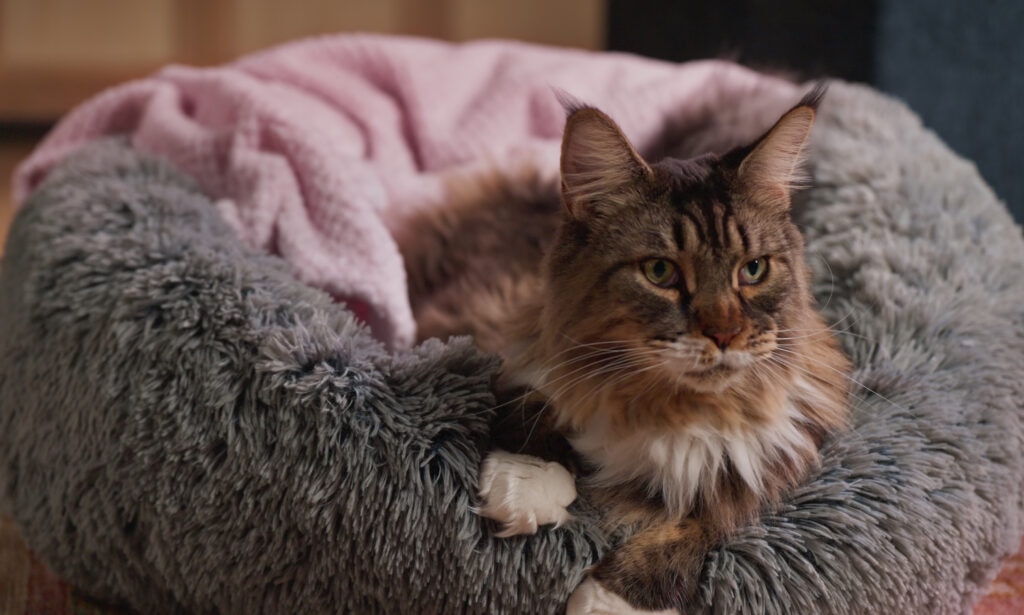
Photo by Chewy
A raspy, whistling sound is enough to make any cat parent stop in their tracks and wonder, “Why is my cat wheezing?”
Wheezing is never normal in cats and means they’re having trouble breathing. All causes are serious, and some can even be life-threatening.
If your cat is breathing heavily with their mouth open, has blue-tinged gums, or is showing signs of distress, seek emergency veterinary care right away.
Key Takeaways
- Wheezing in cats is never normal—it means your cat is struggling to breathe and needs veterinary attention.
- Common causes include asthma, infections, parasites, heart disease, or airway blockages.
- Diagnosis and treatment depend on the cause and may involve imaging, medication, or removing obstructions.
- While your cat recovers at home, keep them comfortable with a quiet space, easy access to essentials, and minimal stress.
What Is Cat Wheezing?
In a healthy respiratory tract, air moves smoothly through the airways. The process isn’t completely silent, but it’s usually quiet.
When the airways become narrowed or partially blocked, the airflow changes, which can create noisy, high-pitched breathing known as wheezing. Think of it like air trying to move through a narrow straw: the tighter the space, the noisier the airflow.
The high-pitched sound associated with wheezing differentiates it from similar noises, such as congestion, coughing, sneezing, gagging, or regurgitating.
Symptoms of Wheezing in Cats
Wheezing in cats on its own isn’t a condition, but along with other symptoms, it can signal that something is wrong.
Here are symptoms to look out for:
- Whistling, raspy, or squeaking sounds when your cat breathes, especially as they exhale
- Labored or heavy breathing
- Open-mouth breathing
- Flaring nostrils as your cat tries to take in more air
- Extended neck or crouched posture while wheezing
- Coughing or hacking
- Lethargy or reduced activity
- Decreased appetite
- Blue-tinged gums or tongue, which indicate a lack of oxygen (this is a medical emergency)
If you notice any signs of wheezing in your cat, contact your veterinarian or a vet emergency clinic right away.
Why Is My Cat Wheezing?
Wheezing in cats isn’t normal and indicates that your cat is having difficulty breathing.
Here are some reasons a cat might wheeze:
- Asthma: Asthma in felines is caused by an allergic response to triggers, such as dust, smoke, pollen, and scented products. This causes inflammation and narrowing of the lower airways, which can result in wheezing, coughing, and labored breathing.
- Chronic bronchitis: This chronic inflammation of the airways, often linked to asthma, also causes wheezing in cats.
- Infections: Viral, bacterial, or fungal respiratory infections can cause wheezing. If not treated, some can progress to pneumonia.
- Parasites: Heartworms and lungworms can irritate the lungs and airways, leading to inflammation, coughing, and wheezing.
- Foreign objects: If your cat inhales a foreign object, it can become lodged in their respiratory tract and block the airway.
-
- In rare cases, a complete blockage can occur, which is a life-threatening emergency. If your cat inhales a foreign object, immediately rush them to the vet.
- Cancer: Certain upper airway tumors in cats cause wheezing. For example, a tumor on the neck may press on the voice box, a tumor from lymphoma can obstruct airflow from within.
- Heart disease: Conditions that affect the heart can lead to fluid buildup in the lungs, which may cause wheezing, coughing, or trouble breathing.
How Veterinarians Treat Wheezing in Cats
Your vet will need to determine the underlying cause of your cat’s wheezing before they treat it.
A veterinary evaluation may include:
- Physical exam: Your vet will listen to your cat’s lungs and heart with a stethoscope, check their breathing rate and effort, and look for signs of distress.
- Imaging tests: Chest X-rays can assess the lungs and airways for signs of asthma, infection, fluid buildup, or tumors.
- Blood work: Blood work detects signs of infection, inflammation, or other health issues.
- Parasite testing: Your vet will screen for parasites, such as heartworm or lungworm, which can affect the respiratory system.
- Airway sampling: Your vet might collect fluid or cells from the airways to look for infection, inflammation, or abnormal cells.
- Additional tests: If your vet suspects allergies or heart disease, they may recommend further diagnostics.
Treatment depends on the underlying cause and may include:
- Medications: Corticosteroids like prednisolone or inhalers (you’ll need an adapter too) may reduce inflammation and open the airways, particularly for asthma.
Recommended Products


- Antibiotics or antivirals: These meds, like Clavamox and Famciclovir, treat respiratory infections.
Recommended Products


- Foreign object removal: If an object, such as a small toy or piece of food, is lodged in the airways, your vet will remove it.
- Parasite treatment: A treatment like Revolution Plus can get rid of lungworms or heartworms.
Recommended Product

- Heart disease management: Your vet will help address fluid buildup or other cardiac-related problems.
- Environmental changes: Reducing allergens or irritants can erase your cat’s symptoms.
Recovery and Management of Cat Wheezing
After a vet visit, your cat may feel stressed, tired, or out of sorts.
Here are some simple ways to help them feel better:
Set Up a Cozy Space
Choose a calm, low-traffic area, such as a spare room or a quiet corner, where your cat can rest without being disturbed by kids, other pets, or loud noises.
Provide a soft, warm bed, such as the Frisco Faux Suede Donut Cuddler Bed or the Bedsure Round Orthopedic Bolster Bed. Add a soft blanket, such as the PetAmi Fluffy Fleece Throw Blanket, to make their space extra warm and inviting.
Avoid using any candles, diffusers, or calming sprays around cats who are wheezing, as it can make their breathing worse.
Recommended Products



Put Essentials Front and Center
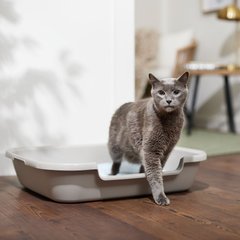
Place your cat’s food, water, and litter box nearby so they don’t have to travel far. “Senior” litter boxes, like the KittyGoHere Senior Cat Litter Box or the Frisco Senior & Kitten Cat Litter Box, are great for easy access for cats of all ages.
Recommended Products

Try elevated bowls, such as Necoichi Tilted Stress Free Raised Cat Food Bowls, to make eating and drinking more comfortable. Elevated food bowls put less stress on the neck and can help decrease vomiting and regurgitation in cats that are not feeling well.
Recommended Product

Keep the Environment Calm
Dim lighting, soft voices, and a stable routine can go a long way toward helping your cat feel secure. If your cat is easily stressed, ask your vet about giving them something calming, like the Nutramax Solliquin Soft Chew Calming Behavioral Health Supplement or the Purina Pro Plan Veterinary Diets Calming Care Cat Supplement.
Recommended Products


Let Them Know You’re There for Them
Sit quietly nearby, give gentle pets, and offer slow blinks to show your affection. If they prefer to be alone, let them have their space while they recover.
FAQs About Cat Wheezing
How can I tell if my cat is in respiratory distress?
Rapid or labored breathing, open-mouth breathing, flaring nostrils, an extended neck, or blue-tinged gums or tongue are signs of respiratory distress and a medical emergency. If you notice any of these symptoms, seek emergency veterinary care.
What can I give my cat for wheezing?
Never give your cat any medication for wheezing without guidance from a veterinarian. They will determine the appropriate treatment.
Should I be worried if my cat is wheezing?
Yes. If your cat is wheezing, they should be seen by a veterinarian as soon as possible.
Attributions