Why Does My Cat Lie on My Chest? Is This Normal?


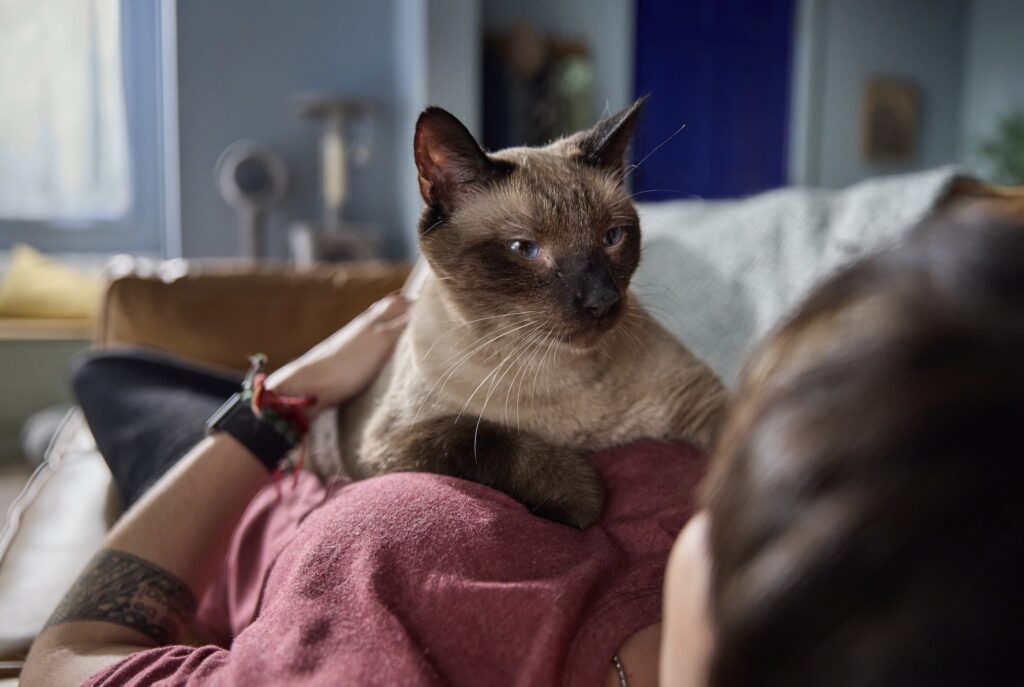
Photo by Chewy
Q: When I lie down, my cat makes a beeline for my chest—then curls up and takes a nap. It’s adorable, but why does my cat lie on my chest? Is this normal?
A: Yes! It’s perfectly normal for cats to lie on their favorite person’s chest. Your cat might claim this particular spot for several reasons, including your warmth, scent, and the feeling of safety you provide. It’s usually a sign that your cat feels comfortable with you.
Key Takeaways
- Yes, it’s normal for your cat to lie on your chest—and it’s often a sweet sign that they feel safe and comfortable with you.
- Your warmth, familiar scent, heartbeat, and breathing can make your chest an especially soothing place to snooze.
- Curling up on you may also help your cat bond with you, share their scent, or get a little extra attention.
- Chest naps are generally safe, but a nearby cat bed may be better for kittens, senior cats, less-mobile cats, or restless sleepers.
- Contact your veterinarian if this behavior is new and comes with changes in appetite, weight, activity, sleep, or overall behavior.
Why Does My Cat Lie on My Chest?
Your cat likely has plenty of cozy places to lounge, so why do they keep choosing your chest? Here are some of the most common reasons this spot is often a cat’s top choice.
They Feel Safe With You
“Cats are naturally cautious animals, and sleeping is one of the times when they are most vulnerable,” says Wailani Sung, DVM, DACVB, a board-certified veterinary behaviorist at Joybound People & Pets in Walnut Creek, California.
By choosing to sleep directly on top of you, your cat is putting themselves right within your reach while their guard is down, which is a strong sign they trust you, explains Joey Lusvardi, an IAABC certified cat behavior consultant and owner of Class Act Cats in Minneapolis, Minnesota.
“They may even think you’d protect them should something dangerous happen while they sleep,” he adds.
They’re Soaking Up Your Warmth
“Because cats naturally seek warmth to help conserve energy and maintain their body temperature, a person’s chest can be an especially attractive place to settle down,” Dr. Sung says.
But why choose you over a sunny windowsill or fuzzy blanket? Your chest combines warmth with a sense of safety and closeness. In other words, you’re basically a heated cat bed.
Your Heartbeat and Breathing May Be Soothing
There’s something your chest offers that even the coziest cat bed can’t: the steady beat of your heart and the rise and fall of your breathing.
These rhythmic sounds and movements may have a calming effect on cats, Dr. Sung says. In fact, these rhythms may remind them of snuggling up with their mother and littermates as a kitten, she adds.
They’re Bonding With You
Ever see two feline friends snoozing in a cuddle pile? Your cat curling up on your chest may be a version of the same social behavior, Lusvardi says.
Choosing to spend that kind of close, relaxed time with you can reinforce the bond you share—it’s a sign that your cat considers you part of their social circle.
They Enjoy Your Familiar Scent
Scent is a big part of a cat’s world, helping them communicate with others and identify what (and who) is familiar. That includes you: Your unique scent helps your cat recognize you as someone they know and trust.
Curling up directly on your chest puts them about as close to that familiar scent as they can get. This familiarity, combined with your warmth, can make your chest an especially appealing place to settle in.
They’re Marking You as Their Own
Cats have scent glands on their cheeks and paws, and when they rub against you, knead, or spend extended time in close contact, they may be depositing their scent, Dr. Sung explains.
Rather than “claiming” you in a territorial sense, this behavior is more like your cat’s way of saying, “You’re part of my inner circle,” she adds.
They Want Your Attention
Sometimes your cat’s motives are a little less sentimental: They might want something.
If lying on your chest reliably gets them pets, earns them attention, or convinces you to get up and serve dinner, they may quickly learn that this behavior gets results.
It’s the Comfiest Option
Lastly, there may be a very simple explanation for your cat’s chest-lying obsession: It’s the comfiest seat in the house. It’s warm, soft, and close to their favorite human.
That said, if your cat seems to choose your chest because there aren’t many other cozy options around, consider adding a couple more inviting cat beds or blankets throughout the house. They may still pick you, of course, but at least they’ll have options.
Recommended Products

Why Does My Cat Sleep on My Chest at Night?
Have you noticed that your cat is especially fond of turning you into their own personal mattress at bedtime? According to Dr. Sung, there may be a few reasons that nighttime makes your chest even more appealing:
- You’re finally staying put. During the day, you’re probably moving from room to room, but bedtime gives your cat a nice long stretch of uninterrupted cuddle time.
- You’re a reliable source of warmth. Cats naturally seek out warm resting spots, and your body provides steady heat throughout the night.
- Your heartbeat and breathing may be soothing. The steady rhythm of your heartbeat and the gentle rise and fall of your breathing may help your cat feel calm and relaxed at night.
- They know it’s time for bed. Cats are creatures of habit, and they may learn that you getting into bed signals it’s time to call it a night, too. If snoozing on your chest has become part of that bedtime routine, they may head straight for their favorite spot when you lie down.
Is It Safe To Let Your Cat Sleep on Your Chest?
“For many cats, sleeping on a person’s chest is perfectly safe,” Lusvardi says. “However, there are some risks.”
The biggest concern is accidentally trapping or injuring them if you roll over or shift positions while asleep, he explains. A young, healthy cat can typically hop off if you start moving, but some cats may have a harder time getting out of the way, including:
- Young kittens: Their small size and developing coordination may make it harder for them to move away quickly if you shift or roll over.
- Senior cats: Senior cats may be slower or less agile, making it harder for them to react quickly if needed.
- Injured, ill, or less-mobile cats: Pain, weakness, or mobility issues may make it harder for them to move out of the way quickly if you shift in your sleep.
If you’re a restless sleeper or your cat falls into one of these higher-risk groups, encourage them to snooze in a cozy cat bed close to you instead, Lusvardi suggests.
As for your safety and comfort, having a cat snooze on your chest may not be a great idea if their weight makes it harder for you to breathe comfortably, disrupts your sleep, or causes pain or discomfort.
When To Worry About Your Cat Lying on Your Chest
“For the majority of cats, sleeping on a person’s chest is a completely normal behavior and usually reflects affection, comfort, and trust,” Dr. Sung says. However, if the behavior is new or noticeably different for your cat, it’s worth looking into, she notes.
Check in with your vet if you notice any of the following changes:
- Sudden clinginess or seeking constant physical contact
- Changes in sleeping habits
- Changes in weight or appetite
- Increased vocalization
- Reduced activity levels
- Signs of pain, discomfort, or illness
Changes like these can sometimes point to stress, anxiety, pain, or an underlying medical condition, Dr. Sung says.
How To Handle Your Cat Lying on Your Chest
How you handle this behavior depends on whether you want the chest snuggles to continue or you’d prefer a little more breathing room.
If You Enjoy It
If you’re happy to serve as your cat’s favorite lounging spot:
- Let them get comfy. Allow your cat to choose how and where they settle rather than holding them in place.
- Give them some pets (if they want them). If your cat enjoys being petted while they lounge, gentle strokes can make cuddle time even better. Pay attention to their body language and stop if they’ve had enough.
- Let them leave when they’re ready. Your cat should always be able to hop down or reposition themselves freely. This is especially important if you’re likely to fall asleep.
If You’d Rather They Didn’t
Not everyone wants 12 pounds of feline parked on their chest, and that’s OK. If you’d rather your cat snooze elsewhere, the key is making another resting spot worth choosing.
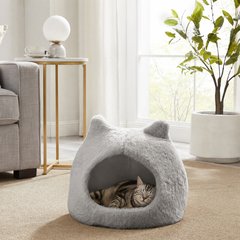
- Give them a cozy alternative. Set up a comfortable cat bed or soft blanket near you so your kitty can stay close without being directly on top of you.
Recommended Products

- Make the new spot rewarding. Encourage your cat to settle there by luring them over with a couple of cat treats. Once they’re settled, offer another treat and some praise to help them associate the spot with good things.
Recommended Products



- Gently redirect them. If your cat climbs back onto your chest, calmly move or lure them to their designated spot. Being consistent can help them learn where you’d prefer them to settle.
- Skip the scolding. Don’t yell at, scare, or punish your cat for climbing onto you. They’re likely seeking comfort, closeness, or another positive interaction, so calmly redirecting them is a better way to change the routine.
FAQs About Cats Lying on Your Chest
If my cat lies on my chest, does it mean they love me?
Maybe! It can certainly be a sign of affection. Choosing to lie on your chest shows that your cat feels safe, comfortable, and connected to you.
Do cats protect you while you sleep?
Not exactly. There’s no evidence that cats lie on your chest specifically to protect you while you sleep. In fact, your cat may see it the other way around—they may feel safer sleeping on you because they trust you to protect them if something happens.
Why does my cat knead my chest?
Kneading is a comforting behavior that begins during kittenhood, when kittens knead their mother while nursing. Adult cats may knead when they’re feeling relaxed and content, such as when they’re cozied up on your chest.
Why do cats lie on your chest and purr?
Your cat may lie on your chest and purr because they feel safe and relaxed being close to you. Consider it a great sign that you’ve earned your cat’s trust.
Why does my cat sleep on my chest all of a sudden?
Your cat may have simply discovered a new favorite sleeping spot, but pay attention to any other changes. Check with your vet if their new sleeping habit comes with sudden clinginess, changes in appetite or activity, unusual vocalization, or other signs of illness or discomfort.
Attributions