
Teddy Roosevelt Terrier
Updated June 25, 2026
Teddy Roosevelt Terrier
Updated June 25, 2026
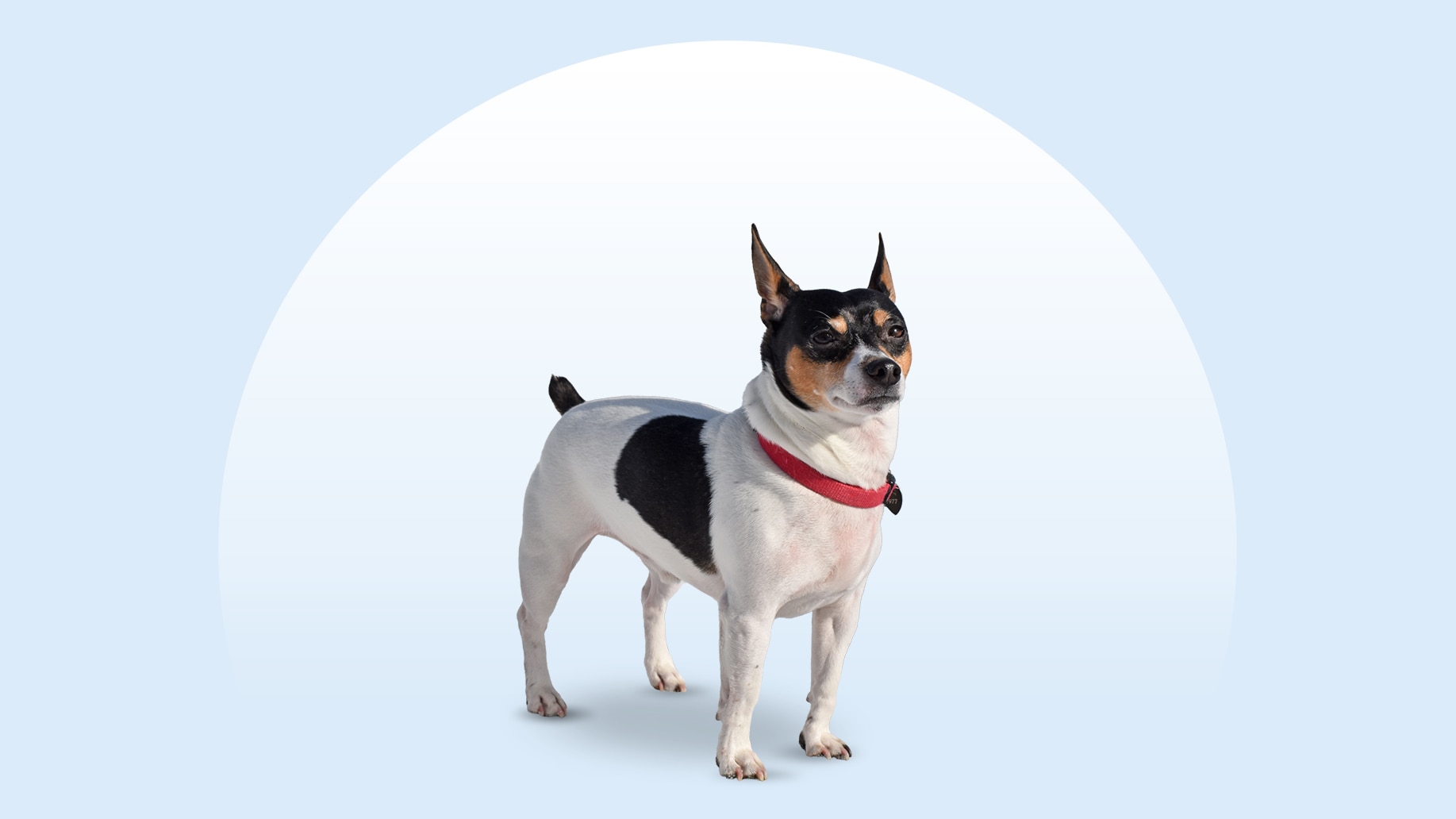
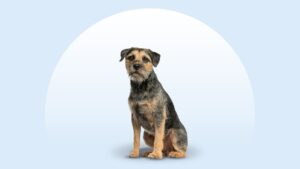
The Teddy Roosevelt Terrier is a small dog with a big personality. Originally bred to keep mice and rats out of farms and homes, they’re smart, loyal, and always ready for action. These affectionate pups thrive in active households where they get plenty of exercise, mental stimulation, and time with their favorite humans.
Loyal, Energetic, Intelligent
8–25 pounds
8–14 inches
12–16 years
White with a wide range of colorful markings, including black, blue, chocolate, red, fawn, and silver
If you’re looking for a dog who can keep up with your busy life and still curl up with you at the end of the day, the Teddy Roosevelt Terrier might be your perfect match.
Expect a dog who’s equal parts playful and determined, with a strong desire to be involved in everything you’re doing. You’ll have a little shadow following you from room to room, always curious and ready to jump into whatever you’re doing. Life with a Teddy is rarely boring—and honestly, that’s part of the charm.
The breed takes its name from U.S. President Theodore Roosevelt, who had similar dogs in his time and is said to have coined the term “rat terrier.” Teddy Roosevelt Terriers are shorter and more heavily built than today’s Rat Terriers.
Teddy Roosevelt Terrier Characteristics
Teddy Roosevelt Terrier Appearance
The Teddy Roosevelt Terrier is compact and muscular, with a body that’s a bit longer than it is tall. They sit lower to the ground than many terrier breeds, which gives them a sturdy, grounded look.
Overall, they’re built for function but still have a classic terrier appearance.
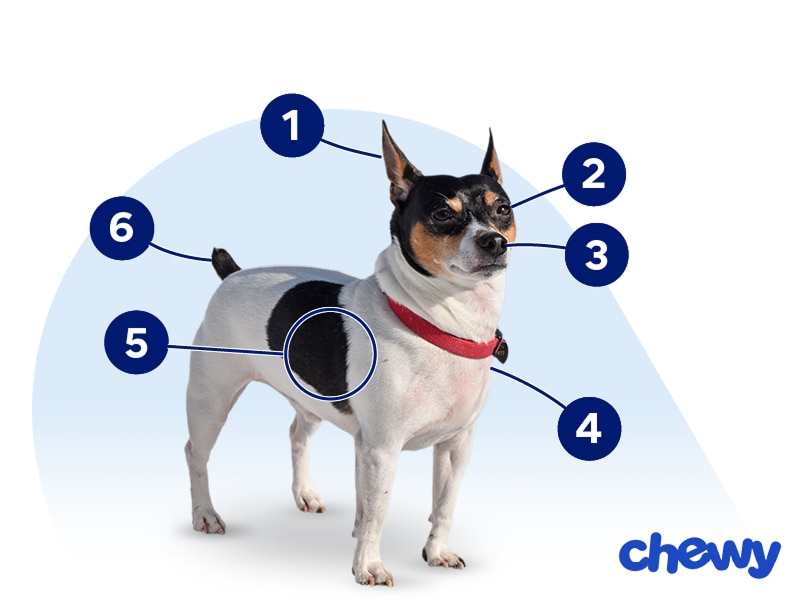
- Ears
Their ears can be erect, tipped, or button-shaped, adding to their alert and expressive appearance. They’re typically set high on the head and move with the dog’s mood.
- Eyes
Their eyes are round to oval and usually dark, with a bright, alert expression that makes it seem like they’re always paying attention.
- Nose
The nose is usually black, though it may match coat color in some dogs, especially those with a lighter or chocolate coat.
- Coat Length
Teddy Roosevelt Terriers have a short, dense, smooth coat that lies close to the body and is easy to maintain.
- Coat Color
Most Teddies are white with patches of black, tan, or other colors.
- Tail
The tail may be naturally bobbed or left long. When they’re active, it’s usually carried upright or slightly curved. It’s also common to see Teddy Roosevelt Terriers with a docked tail, though this is a controversial procedure that many veterinary organizations oppose.
Teddy Roosevelt Terrier Temperament
The Teddy Roosevelt Terrier temperament is one of the breed’s biggest selling points. These dogs are deeply loyal and form strong bonds with their families. They love being involved in daily life and don’t do well when left alone for long stretches.
“Teddies are incredibly adaptable and tend to match the energy of their humans,” says Crystal Mudgett-Epley, president of the United Teddy Roosevelt Terrier Club of America. But, she says, they have an “off-switch” that makes them easier to live with than many other high-energy terriers, like the always-on-the-go Parson Russell Terrier.
“They enjoy having a job, even if that just means being involved in your daily routine,” she says. “While they typically do well with other pets when raised together, their natural prey drive means recall training is especially important.”
They’re usually social dogs, and they’ll be even friendlier with early and consistent socialization. Teddy Roosevelt Terrier puppies need socialization to learn that new people, animals, and environments are not scary so they can grow into confident, calm adults.
Related Breeds



How to Care for a Teddy Roosevelt Terrier
Living with a Teddy Roosevelt Terrier means keeping both their body and mind engaged. They’re fairly low-maintenance in some areas (like grooming), but they need consistency, structure, and daily interaction to thrive.
Grooming
Training
Diet
Exercise
Environment
Teddy Roosevelt Terrier Health
Like most breeds, the Teddy Roosevelt Terrier can be prone to certain health conditions, but responsible breeding and regular veterinary care can help reduce the risks.
“We recommend choosing a breeder who provides genetic testing for conditions like primary lens luxation and chondrodystrophy (a risk factor for intervertebral disk disease),” Rickey says. “As with many small breeds, a cardiac exam and patellar luxation check around 1 year of age are also important.”
Many responsible breeders also share results through the Orthopedic Foundation for Animals (OFA), which helps track health testing.
Here are some common health conditions to look out for:
- Intervertebral disk disease: A painful spinal condition that can lead to weakness and paralysis.
- Primary lens luxation: A painful eye condition where the lens shifts out of place.
- Patellar luxation: A condition where the kneecap slips out of place. It can cause limping or discomfort and may require surgery in severe cases.
- Dental disease: Small breeds like the Teddy Roosevelt Terrier are more prone to dental disease. Regularly brushing your dog’s teeth with a dog-safe toothpaste and toothbrush, along with routine veterinary dental cleanings, is the best way to help prevent dental disease.
- Obesity: Without proper diet and exercise, Teddy Roosevelt Terriers can gain weight. Obesity in dogs can lead to many other health problems, so work with your veterinarian to help keep your dog at a healthy weight.
“Teddies are generally very healthy and hearty dogs,” Mudgett-Epley says. Routine veterinary care, good nutrition, and daily activity go a long way toward keeping them healthy.
Teddy Roosevelt Terrier History
The Teddy Roosevelt Terrier has roots in early American farm life. The breed was developed from small working terriers and other dogs brought over by European immigrants. These dogs were bred for their ability to hunt and control vermin on farms and in homes, making them valuable companions.
Over time, breeders began refining the type to create a sturdier, low-set version of the Rat Terrier. This eventually became known as the Teddy Roosevelt Terrier.
The breed is named after President Theodore Roosevelt, who was known for keeping small terriers to help control pests at the White House. One of his terriers, a Rat Terrier named Skip, is believed to have inspired the breed’s development.
The American Kennel Club officially recognized the breed in 2026.