How To Set Up Your Bearded Dragon’s Enclosure


Photo by Chewy
A proper bearded dragon cage setup is essential for your lizard’s health and well-being. Creating the right habitat—with appropriate lighting, temperature, and space—helps your bearded dragon thrive.
We spoke with experts to learn more about what supplies you’ll need for a bearded dragon enclosure setup—plus, some creative ideas to spruce up their space.
Key Takeaways
- A proper bearded dragon enclosure setup requires UVB lighting, a basking temperature of about 105 F, and a cool zone around 78 F.
- Adult bearded dragons need at least a 120-gallon enclosure (4’ x 2’ x 2’) to support natural behaviors like climbing and basking.
- Safe substrates, sturdy decor, and enrichment items help create a functional and stimulating bearded dragon habitat.
- Tools like infrared thermometers and hygrometers are essential for monitoring temperature and humidity levels.
Bearded Dragon Enclosure Checklist
A complete bearded dragon enclosure setup requires the following essential supplies:
- Bearded dragon enclosure
- UV index meter
- UVB lighting
- Infrared thermometer
- Hygrometer
- Bearded dragon-safe substrate
- Bearded dragon climbing structures
- Basking rocks
- Hides or caves
- A dig box
- Non-toxic toys
Bearded Dragon Tank Essentials
Bearded dragon tank essentials are the core components—such as the enclosure, lighting, heating, and monitoring tools—needed to create a safe and healthy habitat.
Here’s what to look for:
Bearded Dragon Enclosures
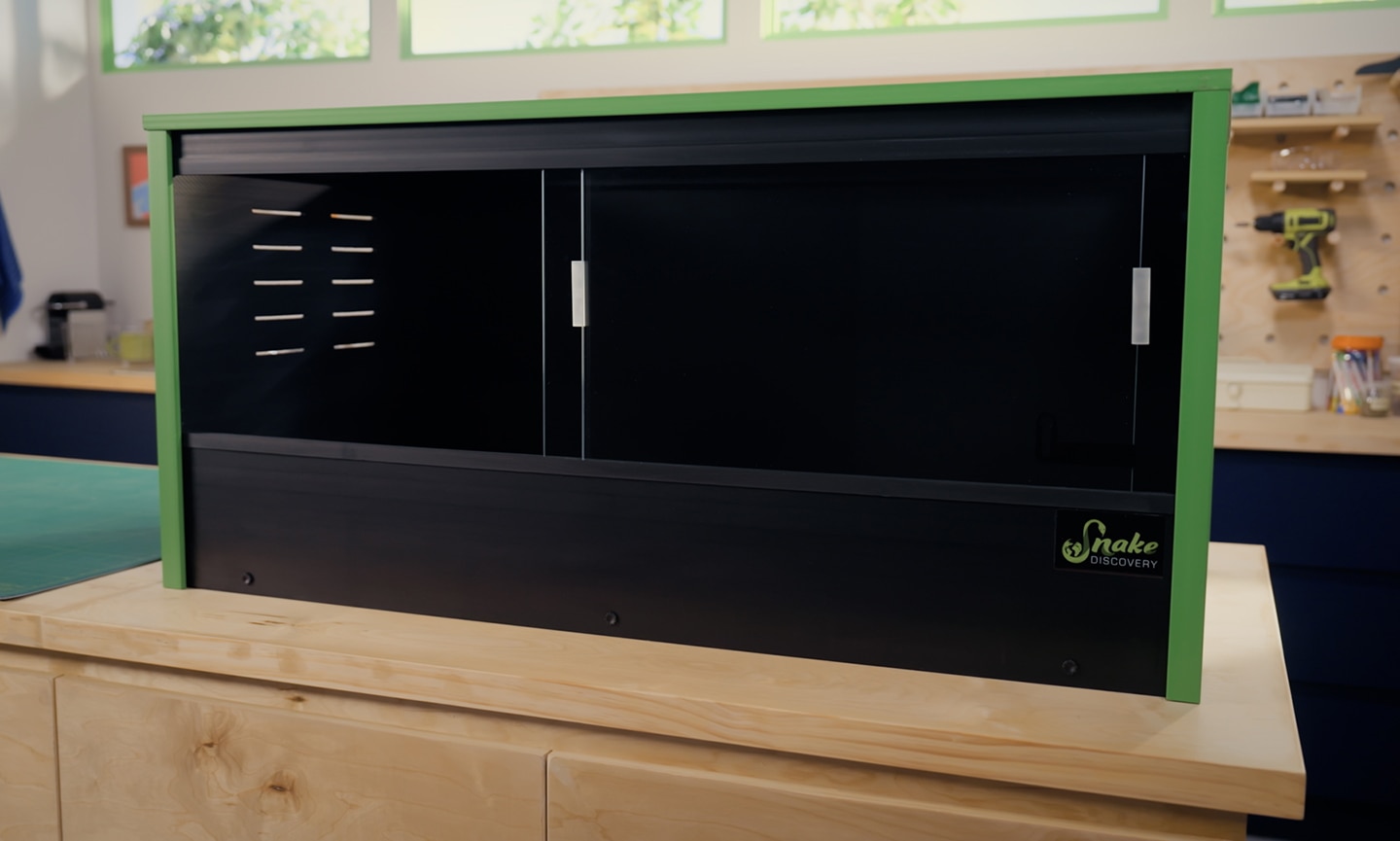
Photo by Chewy
There are several different kinds of enclosures for reptiles, but which are best for a bearded dragon habitat?
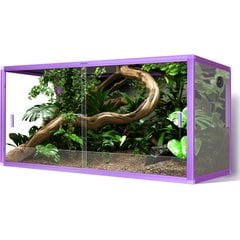
PVC or composite enclosures are top choices because they are lightweight, durable, and excellent at holding in heat and humidity. No matter the type of tank, it should have a screen top and allow for adequate ventilation to maintain a thermal gradient with a basking spot reaching 105 degrees and the overall humidity level of 40–60% relative humidity, according to the UC Davis Weill School of Veterinary Medicine.
Recommended Product

Enclosure size is critical for a bearded dragon’s health. Your ideal bearded dragon cage size depends on how old and how big your beardie is.
Bearded dragons can grow to be around 1.5–2 feet long and weigh 10 to 20 ounces, so whether they’re still growing or not is crucial to determining the size of their habitat. They should always have enough space for their essentials and enrichment items, as well as what they love to do—roam, dig, climb, and bask.
A good rule to follow is that the enclosure should be at least three times your bearded dragon’s body length.
The general recommendation for fully-grown, adult bearded dragons is at least 120 gallons (4’ x 2’ x 2’). Baby and young beardies can use a smaller enclosure ranging between 40 and 75 gallons, respectively, until they begin to reach full maturity.
If you have more than one bearded dragon, make sure to give each a separate tank.
Recommended Products

Bearded Dragon Lighting and Heating
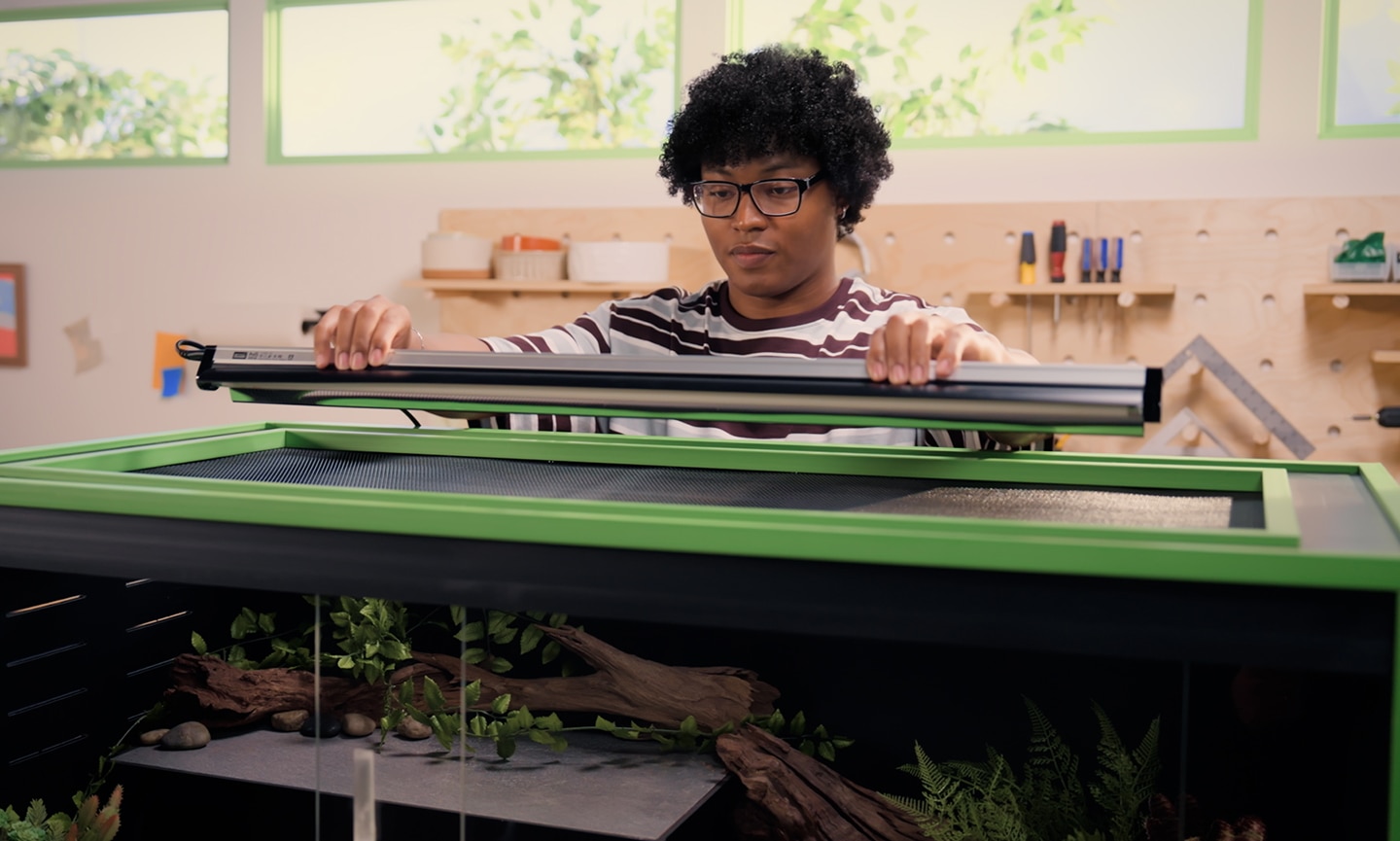
Photo by Chewy
“Reptiles are essentially solar-powered, relying on the sun to kickstart their metabolic processes and maintain their optimal body temperature,” says Walter Merker, DVM, exotic animal veterinarian at Orange Grove Animal Hospital in Tucson, Arizona.
When kept as pets, he says, lizards need us to “recreate the sun.”
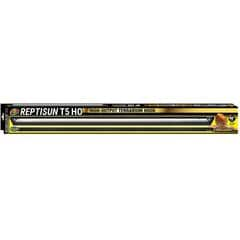
To do this, reptile veterinarians recommend bulbs with a 12–14% UVB output to promote vitamin D synthesis. Without proper ultraviolet lighting, bearded dragons are unable to absorb calcium, which can result in debilitating bone deformities, Dr. Merker says.
He considers the Arcadia dragon-specific lighting or the Zoo Med T5 high-output bulbs to be the “gold standard” for keeping a beardie healthy.
Recommended Products

If possible, he says it’s ideal to use the Solarmeter 6.5 UV Index Meter to determine the appropriate distance to mount UV bulbs away from the basking site.
Recommended Product

Heating is also crucial for beardies’ digestive health, because proper heat enables digestion and metabolism. Aim for a consistent 105 degrees Fahrenheit for your beardie’s basking spot to make sure their metabolism functions correctly.
A great enclosure is all about a thermal gradient, Dr. Merker says. “You need that 105 degree Fahrenheit hot spot, but you also need ‘cool zones’ around 78 degrees so the dragon can self-regulate,” he explains.
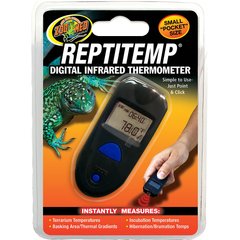
Rather than guessing, he suggests measuring with an infrared temperature meter to check the temperature of the basking site. Some options to try include the Exo Terra infrared reptile thermometer and the Zoo Med ReptiTemp digital infrared thermometer.
Recommended Products

Bearded Dragon Substrate and Flooring
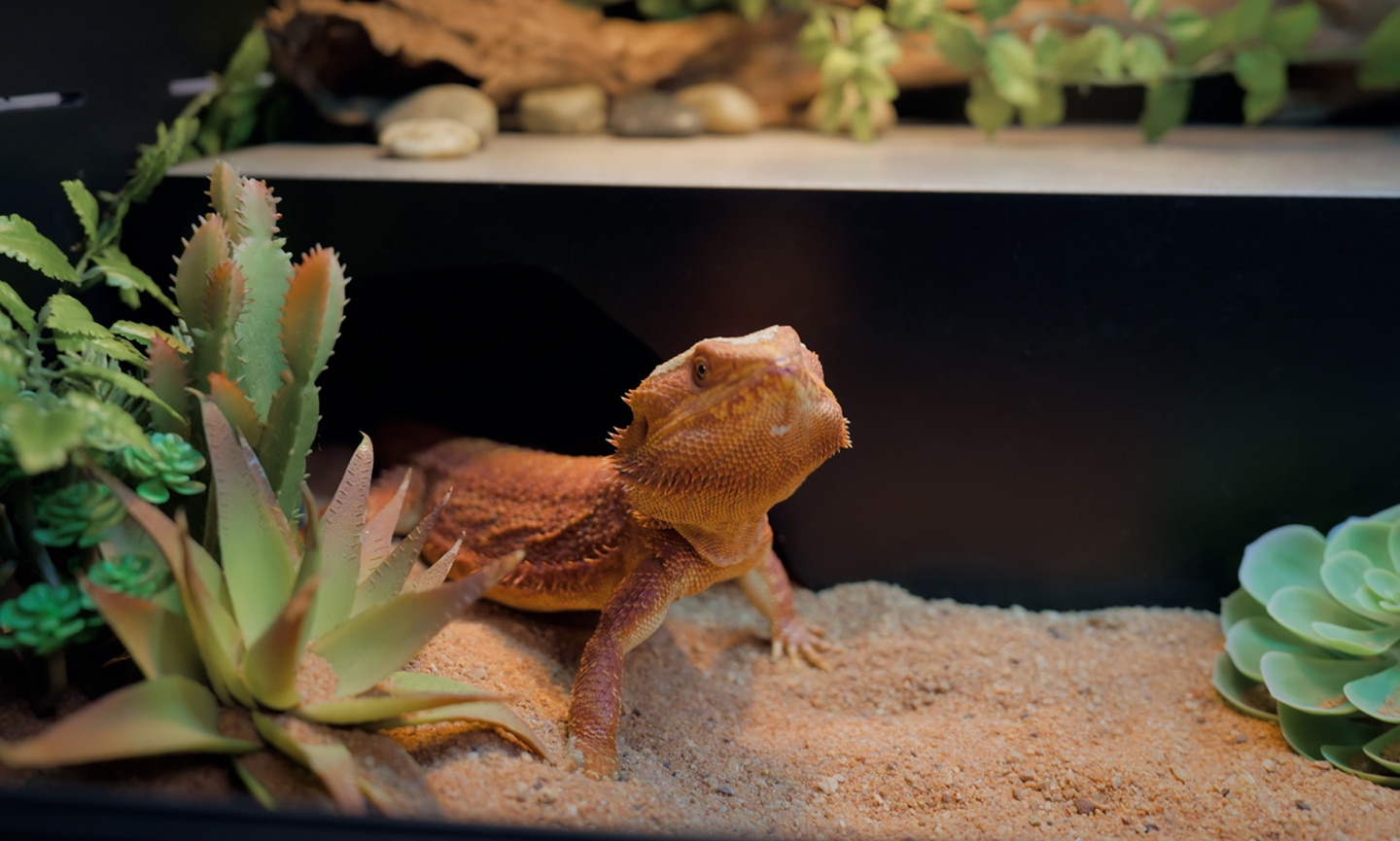
Photo by Chewy
Substrate and flooring are the foundation of your beardie BFF’s enclosure—they’re what they’ll be placing their cute little claws on. These materials should be safe, comfortable, and easy for you to clean and maintain.
Examples of substrate and flooring that can be used in a bearded dragon enclosure include:
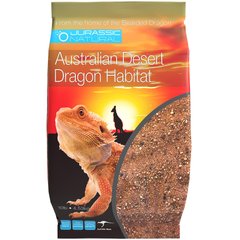
- Natural, very fine desert sand or children’s play sand
Recommended Products

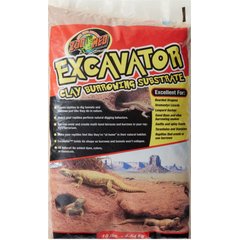
- Excavator clay (as part of a mixture with bearded dragon-safe sand and topsoil)
Recommended Product
- Newspaper
- Paper towels
Avoid unsafe or unsuitable materials that can harm your beardie or increase health risks, such as:
- Plain sand (including calcium-based sand)
- Coconut fiber
- Pebbles or gravel
- Wood chips or shavings
- Vinyl tiles
Bearded Dragon Decor and Accessories
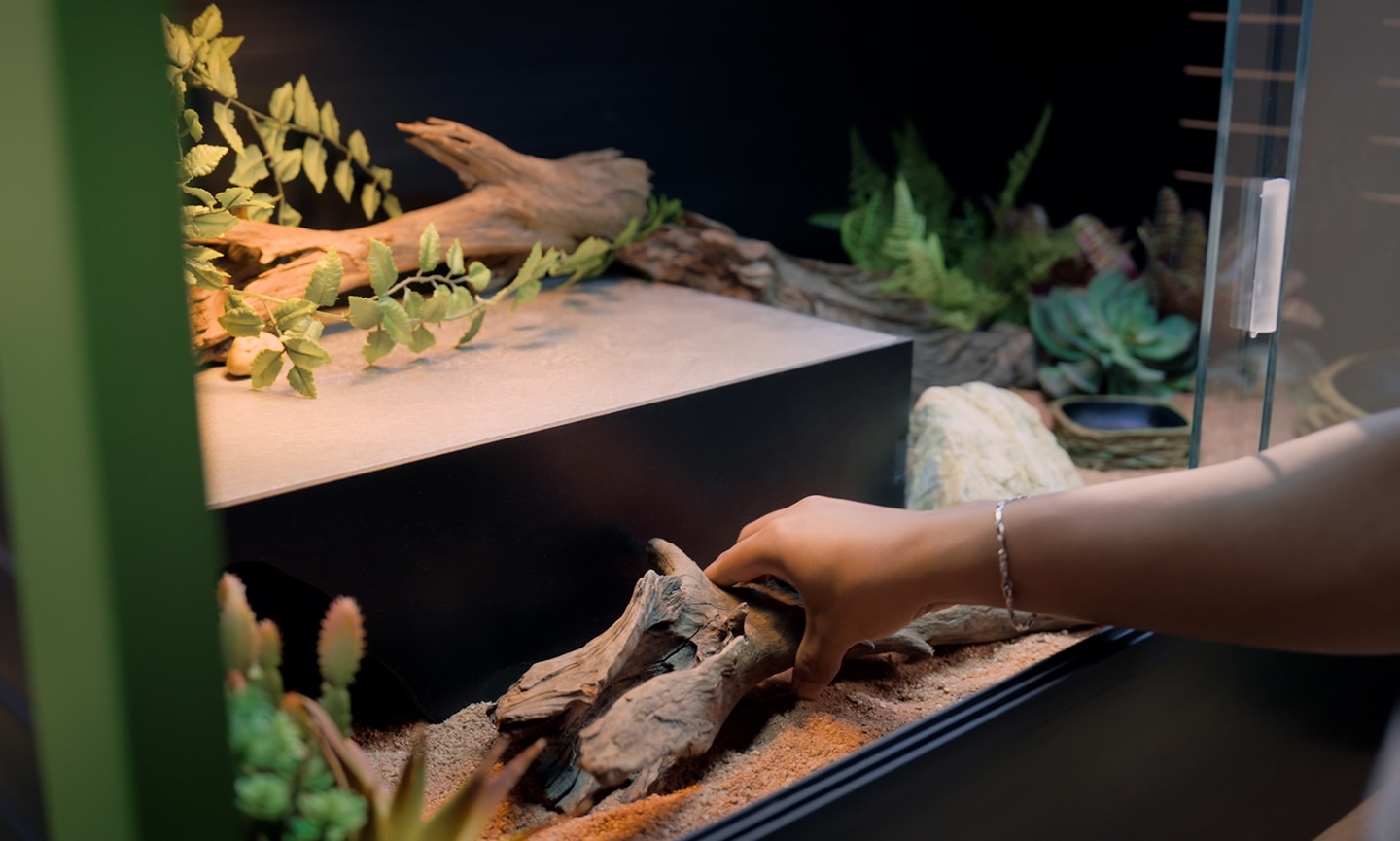
Photo by Chewy
The decor you choose for your beardie’s enclosure should be safe, comfortable, functional, and enriching.
To make them feel at home, think three-dimensionally, Dr. Merker says. They’ll need safe and engaging enrichment items, such as:
- Climbing structures
- Basking rocks
- Hides
- A dig box
- Non-toxic toys
Recommended Products
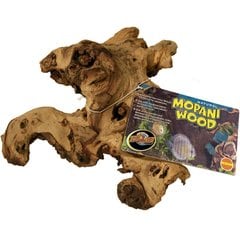
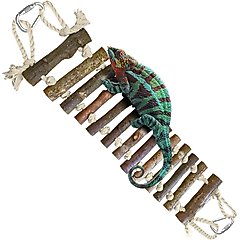

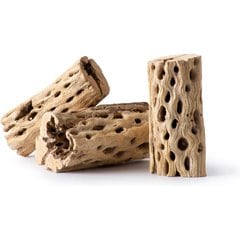
Dr. Merker recommends opting for safe, natural decor. He cautions against incorporating decor and accessories that are held up by suction cups, since they aren’t natural, they can be difficult to sanitize, and most importantly, they may fail, which could lead to potential falls and injuries.
It’s best to reposition decor or rotate it every so often to keep things interesting for your bearded dragon, similar to how we rearrange and redecorate our rooms!
Pro tip: Use sturdy branches that utilize both vertical and horizontal space. This encourages natural perching and makes beardies feel more secure.
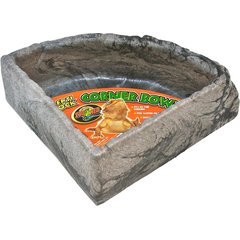
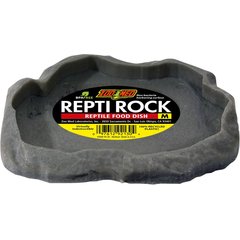
Your bearded dragon will also need food bowls and water dishes. Look for sturdy, non-porous materials like ceramic or heavy-duty plastic that are easy to clean and won’t tip over.
Shallow dishes work best for both food and water, allowing easy access while reducing the risk of spills or drowning.
Avoid rough edges that could cause injury, and choose sizes that fit comfortably within the enclosure without crowding your dragon’s space.
Recommended Products
How To Set Up Your Bearded Dragon’s Enclosure
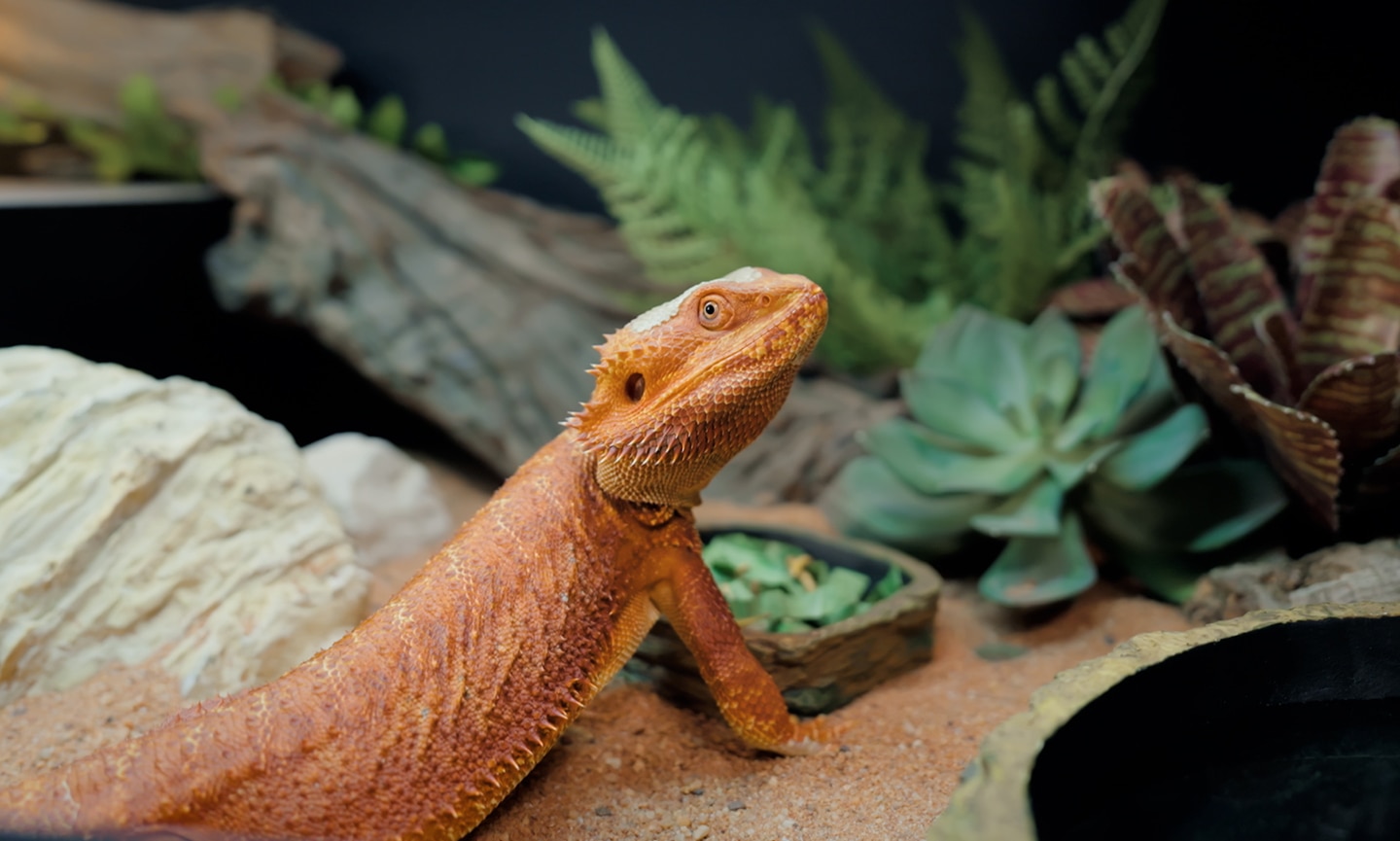
Photo by Chewy
To set up a bearded dragon enclosure, you’ll need to install proper substrate, lighting, heating, and monitoring tools to create a safe, temperature-controlled habitat. Follow these steps:
- Place the substrate in the enclosure evenly, making sure to spot-clean daily and change as necessary.
- Put your lighting and heat source in the tank for your beardie’s basking spot and adjust it to the proper wattage.
- Set up two thermometers to keep track of the temperature, one in the cool area of the tank and the other in the warm area.
- Put the hygrometer in the center of the enclosure.
- Place food and water dishes on the cool side of the tank.
- Add enrichment items, such as hideaways and climbing decor.
Creative Bearded Dragon Enclosure Ideas
Want to make your little lizard’s space stand out? Here are some creative bearded dragon enclosure setup ideas to try:
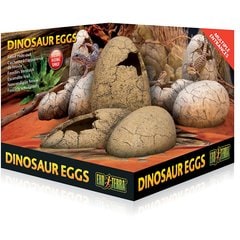
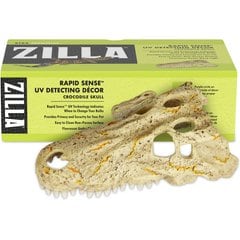
- Stick with a theme. You can take inspiration from your beardie’s natural environment, the prehistoric age, or anything you think they’ll dig—literally!
Recommended Products
- Set up a terrarium background. An eye-catching cling can help bring your BFF’s enclosure to life.
Recommended Products

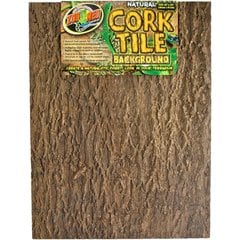
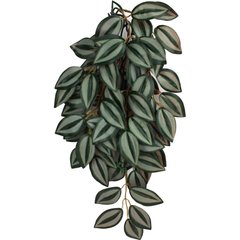
- Incorporate plants. Because bearded dragons can see colors and like watching their surroundings, they’re bound to appreciate some vibrant greenery. Not only are plants aesthetically pleasing, but they also provide your beardie with enrichment and a hiding/playing/snoozing spot. You can opt for non-toxic, artificial plants for easy cleaning, or use live plants that are also safe for them to chew on.
Recommended Products
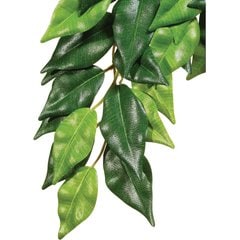

- Add other natural elements. Accessories like branches, cork flats, and ornaments can elevate their space. Above all else, these should be safe and practical for your bearded dragon. And if they look cool? Well, that’s just a bonus!
Recommended Product
Attributions