Grain-Free Cat Food: Is It Right for Your Cat?

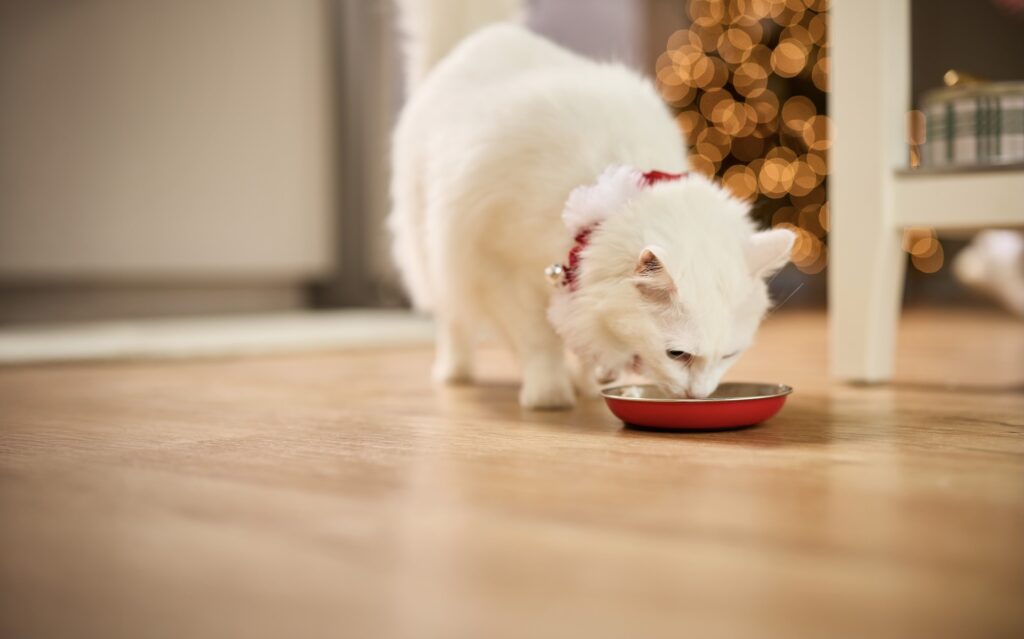
Photo by Chewy
You’ve probably heard of grain-free cat foods and maybe even heard them touted as a healthy alternative for cats. But what’s the truth about this diet?
Here are the pros and cons of a grain-free cat food for your feline bestie.
Speak with your veterinarian before changing your cat’s diet.
Key Takeaways
- Grain-free cat food may benefit cats with diagnosed grain allergies or sensitivities.
- Grain-free doesn't mean carbohydrate-free, as these diets often contain other carbohydrate sources.
- Some grain-free diets have been linked to heart disease concerns, making veterinary guidance important.
- Talk to your veterinarian before switching your cat to a grain-free diet.
What Is Grain-Free Cat Food?
Grain-free cat foods avoid the grains that are traditionally used in cat foods.
Those grains include:
However, it’s easy to confuse “grain-free” and “carbohydrate-free.” Many cat foods that don’t contain grains still include carbohydrate-rich ingredients like potatoes, sweet potatoes, peas, beans, and lentils.
(It’s important to note, though, that cats don’t actually need carbs; too many carbs can even be detrimental. That said, most cat foods—whether or not they are made with grains—do contain some carbs.)
Here are some important comparisons between regular cat food and grain-free cat food:
Regular Cat Food vs. Grain-Free Cat Food
| Feature | Regular Cat Food | Grain-Free Cat Food |
|---|---|---|
| Contains grains? | Yes (usually wheat, rice, corn, or oats) | No (grains are usually replaced with peas, lentils, potatoes, sweet potatoes, or beans) |
| Commonly recommended for | Most healthy cats | Cats with grain allergies or sensitivities |
| High protein | Sometimes | Sometimes |
| Low carbohydrate | Sometimes | Sometimes |
| Heart disease risk | No documented link | Potential link |
| Cost | Tends to be less expensive | Tends to be more expensive |
| Vet-recommended | Yes (when complete and balanced) | Sometimes, for specific cats |
Is Grain-Free Cat Food Good for Cats?
It depends on your cat. Most cats do just fine eating diets that contain a small amount of grain, but some cats can benefit from grain-free cat foods.
Your vet might suggest exploring grain-free cat food if your cat has:
- Food allergies or sensitivities: If your cat has been diagnosed with a food allergy or sensitivity and one of their triggers is a grain, then a grain-free food can help relieve their symptoms. However, the most common triggers for cats with food allergies are beef, fish, and chicken—not grains.
- Other nutritional needs: Pet food manufacturers may avoid grains to keep cat foods low in carbohydrates and high in protein. This dietary profile is a good match for the nutritional needs of many cats, but your veterinarian is the best judge of this.
Is Grain-Free Cat Food Bad for Cats?
Sometimes. Grain-free cat foods are usually safe, but there are some risks associated with them, especially if your cat doesn’t need them.
- Possible link to heart disease: Although the connection between grain-free diets and heart disease is somewhat stronger in dogs, there have been reported cases of dilated cardiomyopathy in cats who have eaten diets with large amounts of pulses (dried lentils, peas, and beans, for example) instead of grain.
- Food quality concerns: Only purchase AAFCO-compliant cat foods that provide complete and balanced nutrition. Some grain-free cat foods are made by companies that haven’t earned a solid reputation for producing excellent products.
When Should You Choose Grain-Free Cat Food for Your Cat?
Talk to your veterinarian before making any major changes to your cat’s diet, including switching to grain-free cat food.
If your vet agrees that going grain-free is a good option—because your cat has been diagnosed with an allergy to grains, for example—they can help you pick out the best grain-free cat food (and treats!) based on your cat’s specific needs.
Best Grain-Free Cat Food
Grain-Free Wet Cat Food
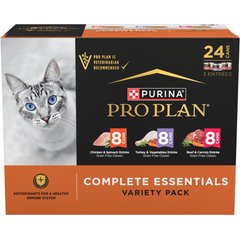
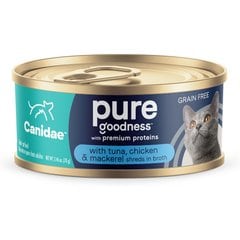
Grain-free wet cat foods tend to be high in protein and low in carbohydrates.
Recommended Products
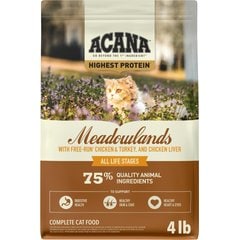
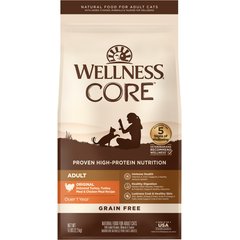
Grain-Free Dry Cat Food
Grain-free dry cat food, like all dry cat food, must include carbohydrates to hold its form, but those carbs don’t have to come from grains.
Recommended Products
Grain-Free Kitten Food
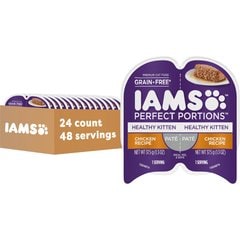
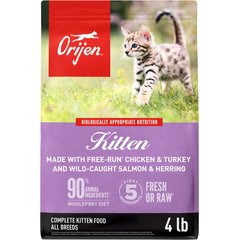
A kitten’s rapid growth and development require extra nutritional support, so pick a grain-free kitten food formulated specifically for this stage of life.
Recommended Products
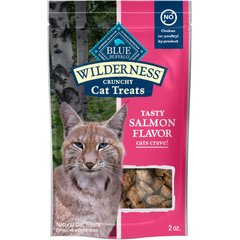
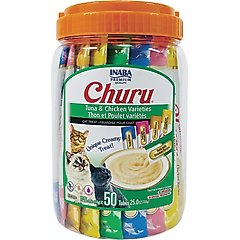
Grain–Free Cat Treats
Whether your cat likes crunchy tidbits or lickable delicacies, you can find grain-free cat treats for them.
Recommended Products
FAQs About Grain-Free Cat Food
Do cats need grain-free food?
No. Most cats do not need grain–free food. However, it can be beneficial if your cat has been diagnosed with an allergy or sensitivity to grains. Your vet can offer the best guidance.
Why do vets not recommend grain-free cat food?
Most veterinarians don’t recommend grain-free cat food unless your cat has been diagnosed with an allergy or sensitivity to grains. Typically, it’s important to focus on the right balance of nutrients instead of avoiding grains altogether.