Otterhound
Updated October 23, 2026
Otterhound
Updated October 23, 2026
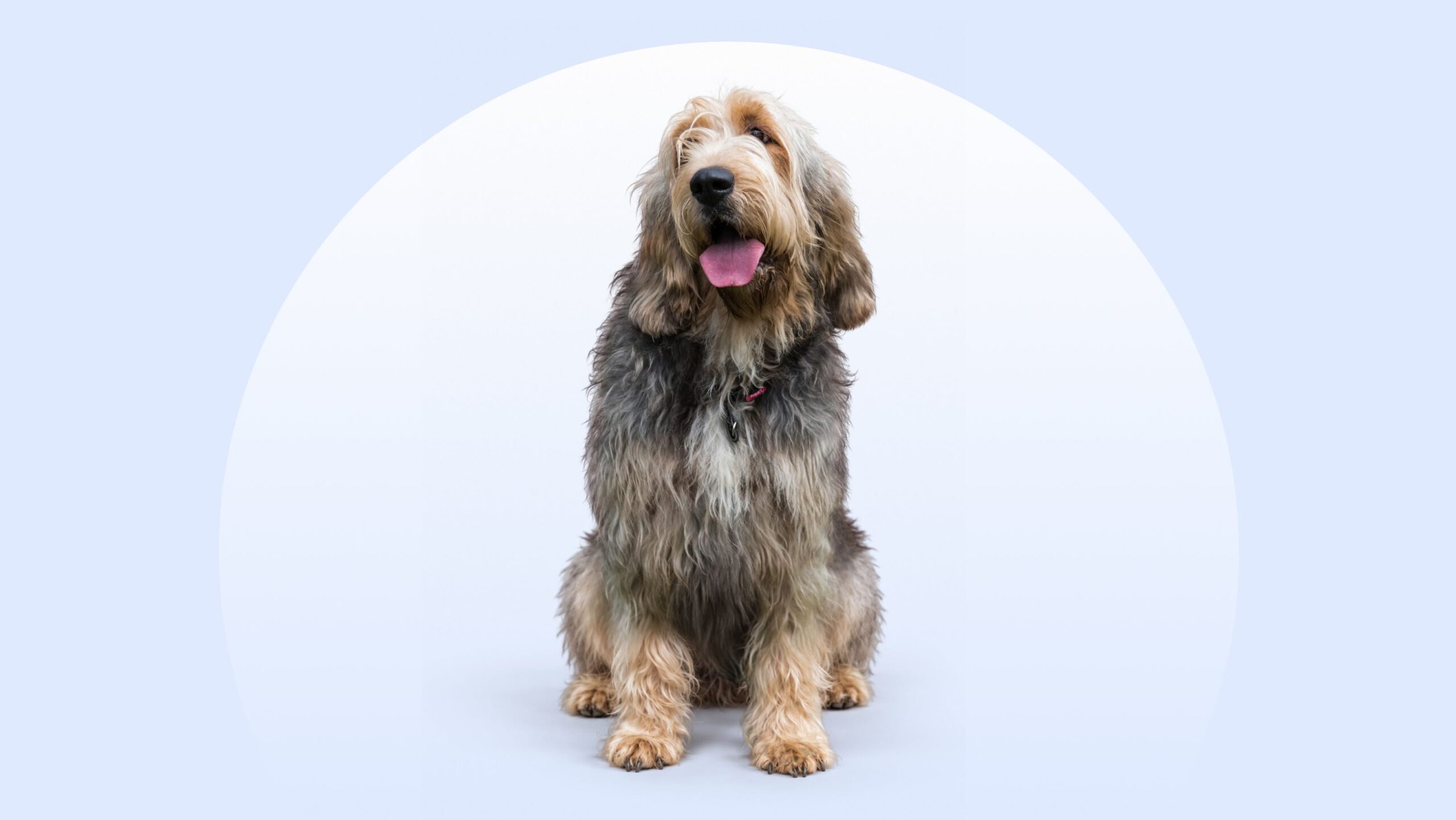
Big, shaggy, and full of personality, Otterhounds are friendly, spirited dogs with powerful noses and a love of adventure. These rare hounds thrive with active families who can provide plenty of exercise, consistent training, and opportunities to put their natural curiosity to work.
Amiable, Boisterous, Even-Tempered
80–115 pounds
24–27 inches
10–13 years
Black; Black and Tan; Blue and Cream; Gray; Liver and Tan; Tan; Wheaten; Blue; Lemon; White; White, Black, and Tan
Living with an Otterhound means sharing your home with a dog whose nose often leads the way. Once an interesting scent catches their attention, everything else can become background noise—a habit that makes sense for a hound originally bred to pursue otters over land and through water.
These strong swimmers have impressive stamina and an independent streak, but they’re also affectionate companions with a playful, sometimes silly side. They do best with people who appreciate a dog with plenty of character and don’t mind a little hound-style independence along the way.
Otterhound Characteristics
Otterhound Appearance
Otterhounds have a rugged, unmistakably houndlike appearance, with a large, substantial build and plenty of shaggy hair. Long ears and an expressive face round out their slightly unkempt yet endearingly scruffy look.
One of their most distinctive features is also easy to miss: Their large feet are webbed, an adaptation that made them powerful swimmers.
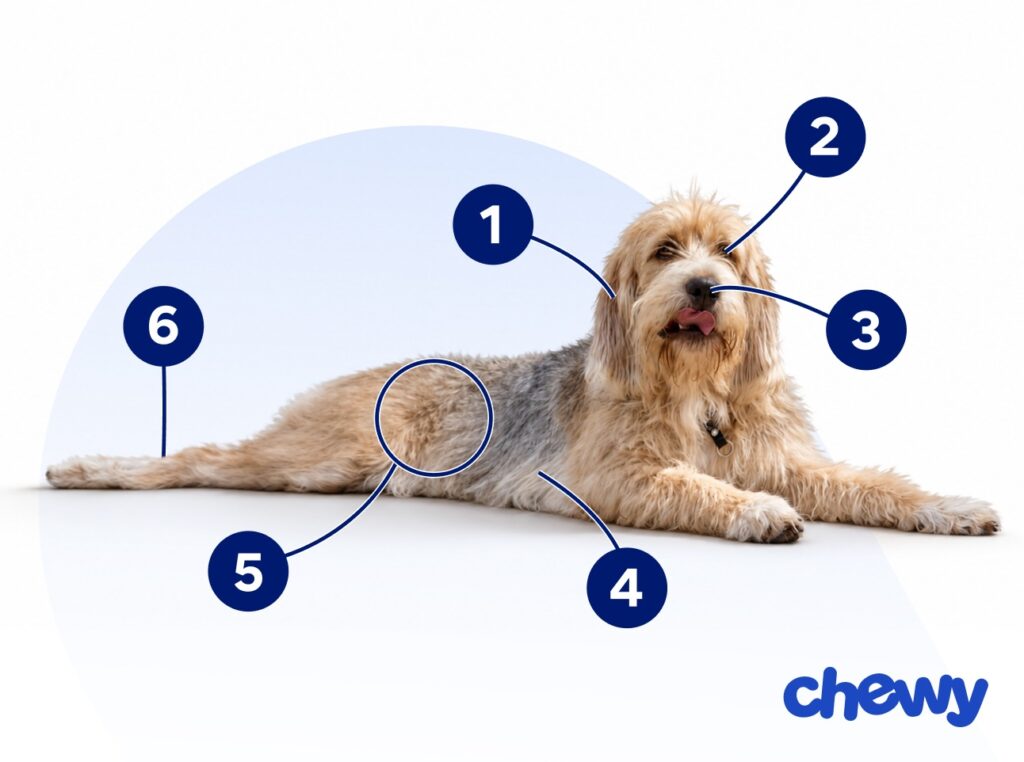
- Ears
Otterhounds have long, floppy ears that hang close to their cheeks and are covered in hair. The front edge of each ear folds inward, giving them a soft, draped look.
- Eyes
Deeply set eyes give Otterhounds a warm, friendly expression. Eye color varies with coat color.
- Nose
An Otterhound's nose is large, dark, and fully pigmented—fitting for a scent hound known for their exceptional sense of smell. It may be black, liver, or slate depending on the dog's coat color.
- Coat Length
Otterhounds have a dense, rough double coat designed to stand up to wet conditions. The coarse outer coat is typically 2–4 inches long on the back and shorter on the legs. A slightly oily, woolly undercoat helps repel water.
- Coat Color
Otterhounds come in a wide variety of colors, including black and tan; liver and tan; wheaten; and tricolor. Their coats can also change as they mature, with darker markings sometimes fading as a puppy grows.
- Tail
The Otterhound's long, sturdy tail is set high and carried in a slight curve when the dog is moving or alert. It's thick at the base, tapers toward the end, and is covered in longer, shaggy hair.
Otterhound Temperament
Otterhounds have a happy-go-lucky approach to life. They’re affectionate and sociable with their families and have a playful, sometimes goofy personality that can make them especially entertaining companions.
But don’t expect a dog who hangs on your every word: Otterhounds were bred to think and work independently, and that trait is still very much part of who they are.
With proper socialization, an Otterhound can live successfully with children and other dogs, but individual personalities vary. The Otterhound’s large size and enthusiasm can also be a lot for young children, so interactions should always be supervised.
While their history as pack hunters means they were often working alongside other dogs, introductions to new canine companions should still be handled thoughtfully. Their hunting instincts may also make smaller pets tempting to chase, but they can live with cats when they’re introduced carefully and taught appropriate boundaries.
Otterhounds were developed to track river otters over long distances, so following a scent isn’t just something they enjoy—it’s deeply ingrained in them. Once an intriguing smell catches their attention, your calls may suddenly become much less interesting.
That independence can make them challenging at times, but giving them constructive ways to use their nose and problem-solving skills can help channel those instincts.
Related Breeds


How to Care for a Otterhound
Caring for an Otterhound requires a little more hands-on work than their easygoing personality might suggest.
Between maintaining their shaggy double coat, keeping their body and brain occupied, and providing daily exercise, these large hounds need a family willing to stay involved. Be prepared for messy beards and muddy paws along the way.
Grooming
Training
Diet
Exercise
Environment
Otterhound Health
Otterhounds are generally hardy dogs, but like all breeds, they can be predisposed to certain health conditions. Because they’re also incredibly rare, responsible breeding and breed-specific health testing are especially important. If you’re bringing home an Otterhound puppy, ask the breeder about what health testing has been performed on both parents.
Some of the most common health concerns in Otterhounds include:
- Hip dysplasia: Hip dysplasia occurs when the hip joint doesn’t develop properly, which will eventually lead to pain, arthritis, and difficulty getting around. The Otterhound Club of America recommends screening breeding dogs for the condition.
- Elbow dysplasia: Otterhounds can also develop elbow dysplasia, a group of developmental abnormalities affecting the elbow joint. Signs can include limping, stiffness, and reluctance to exercise, and symptoms may become more noticeable as arthritis
- Glanzmann’s thrombasthenia (GT): This inherited bleeding disorder affects how platelets function, making it harder for blood to clot normally. Affected dogs may experience excessive bleeding or bruising, sometimes beginning during puppyhood. Fortunately, a DNA test is available, and the breed’s parent club recommends testing breeding dogs for the genetic variant associated with GT.
- Epilepsy: Seizures have been reported in Otterhounds, and epilepsy continues to be studied within the breed. A recent breed health survey found that neurological problems affected about 8% of the Otterhounds surveyed, with epilepsy accounting for most of those cases.
- Gastric dilatation-volvulus (GDV): Like other large, deep-chested dogs, Otterhounds can be at risk for GDV, a severe form of bloat. The stomach fills with gas and may twist, cutting off blood supply. GDV can become life-threatening quickly, so symptoms such as a swollen abdomen, repeated unsuccessful attempts to vomit, restlessness, or collapse require immediate veterinary care.
Otterhound History
The Otterhound’s story goes back centuries, beginning on the rivers of Britain.
Dogs were used to hunt otters in Britain as far back as the Middle Ages, originally to help protect fish populations that were an important food source. While references to “otter dogs” date back to the 1100s, it’s unclear how closely those early hunting dogs resembled the Otterhound we know today. The modern breed likely began taking shape around the late 1700s.
Otterhounds were built for a particularly demanding job. They needed the stamina to follow an otter’s scent over long distances, the strength to navigate rough terrain, and the swimming ability to continue the chase through rivers and streams. Their webbed feet, water-resistant double coat, and exceptional sense of smell all helped them work both on land and in water.
Otter hunting eventually shifted from necessity to sport and continued in Britain into the 20th century. It was banned in England in 1978 and in Scotland in 1980, bringing the breed’s traditional working role to an end. Fortunately, those centuries-old skills haven’t gone to waste: Modern Otterhounds can still put their noses and problem-solving abilities to work in activities such as tracking and scent work.
The first Otterhounds arrived in the United States in the early 1900s, and the American Kennel Club officially recognized the breed in 1909. Today, the Otterhound is a member of the hound group and remains exceptionally rare, with the Otterhound Club of America estimating that fewer than 800 Otterhounds exist worldwide.