Slow-Feeder Dog Bowls: How They Help and How To Choose One

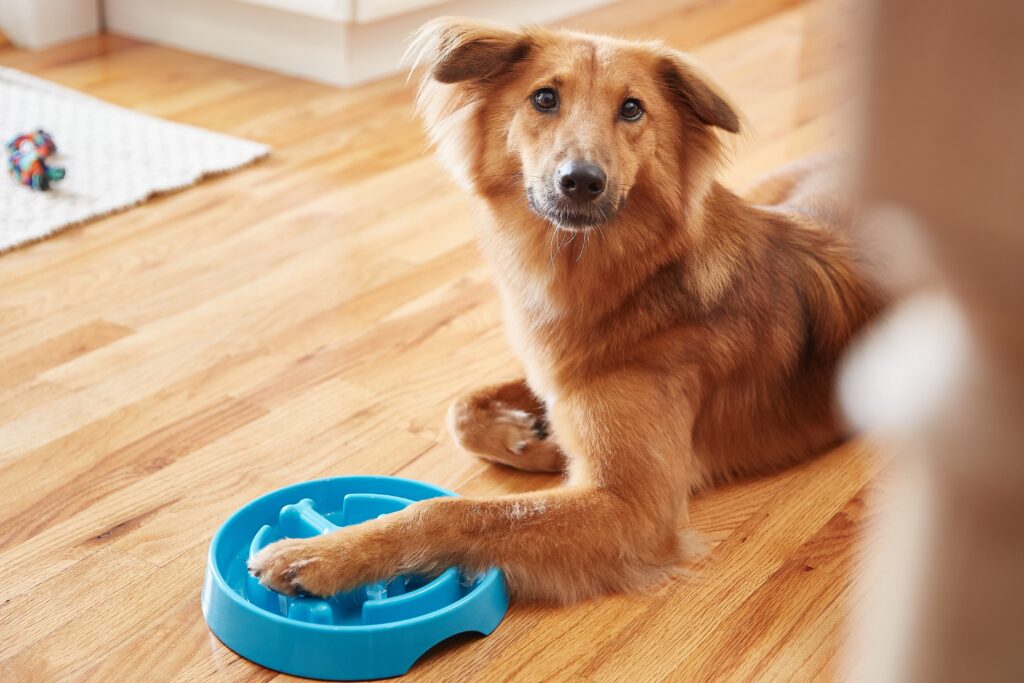
Photo by Chewy
Most dogs get excited when it’s time for dinner, but some dogs eat their meals so quickly that it seems like the food disappears in seconds.
For these dogs, a slow-feeder dog bowl can help make mealtime safer, slower, and more mentally enriching. The bowls are designed to make dogs work around ridges, mazes, or obstacles to reach their food, helping reduce gulping while adding a little extra mental stimulation to their day.
Key Takeaways
- Slow-feeder dog bowls use ridges, mazes, or other obstacles to help slow down dogs who tend to gobble up their meals.
- By encouraging a slower eating pace, these bowls may help reduce gulping, regurgitation, and excess air swallowing.
- Many slow feeders turn mealtime into a fun enrichment activity by encouraging natural foraging and problem-solving behaviors.
- Not every dog enjoys a challenge at mealtime, so choosing a design that matches your pup’s needs and abilities is important.
- With options for different sizes, diets, and play styles, there’s a slow feeder that can help make mealtime safer, more engaging, and more satisfying for many dogs.
What Is a Slow-Feeder Dog Bowl?
A slow-feeder dog bowl is a feeding device designed with built-in obstacles that slow the rate at which a dog can eat. They can extend mealtime from seconds to several minutes, depending on the design.
Unlike a traditional dog bowl with a smooth, open interior, slow feeders contain ridges, raised patterns, maze-like pathways, or protrusions that force dogs to work around barriers to access their food.
These bowls are often considered a type of food puzzle or enrichment toy because they encourage natural foraging behaviors and add mental stimulation to mealtime.
Common Slow-Feeder Dog Bowl Designs
Slow-feeder bowls come in several common designs, including:
- Maze patterns: Winding ridges create narrow paths that trap kibble and slow gulping.
Recommended Product
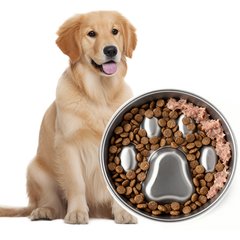
- Central pillars or posts: Raised sections divide food into smaller portions around the bowl.
Recommended Product
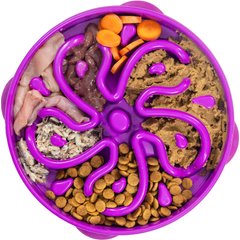
- Flower or petal shapes: Curved dividers create pockets where kibble collects, which can help slow down fast eaters.
Recommended Product
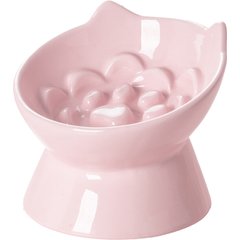
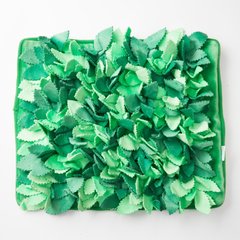
- Grass-style projections: Flexible upright pieces mimic foraging through grass, encouraging dogs to slow down and “hunt” for kibble.
Recommended Product
- Hard rubber or plastic: These are molded into balls, disks, or irregular shapes to challenge your pup.
Recommended Product
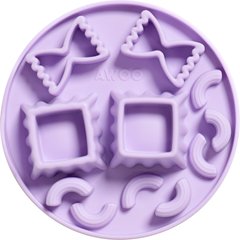
Some slow feeders are stationary bowls, while others are interactive puzzle feeders that move or dispense food as a dog manipulates them.
Slow-Feeder Bowl Materials
Most slow-feeder bowls are made from:
- Food-grade plastic: Affordable and lightweight, though scratches can trap bacteria over time
- Stainless steel: Durable, hygienic, and often easier to clean
- Food-grade silicone: Flexible and travel-friendly, with some collapsible options available
Because slow-feeders have more crevices and surfaces than regular bowls, dishwasher-safe designs are often the easiest to clean.
What Are the Benefits of Slow-Feeder Dog Bowls?
Slow-feeder dog bowls can offer several benefits for many dogs, especially for fast eaters.
Potential benefits include:
- Slowing eating speed: Slow feeders help prevent gulping by forcing dogs to navigate around obstacles to reach food.
- Reducing risk factors associated with bloat: While no bowl can fully prevent gastric dilatation-volvulus (GDV)—a serious condition that can come from bloat—slowing rapid eating may help.
- Decreasing regurgitation: Dogs can eat food too quickly and swallow air, leading to regurgitation after meals.
- Supporting weight management: Extending mealtime may help some dogs feel more satisfied or “full” after eating.
- Providing mental enrichment: Puzzle-style feeding engages natural foraging and problem-solving behaviors.
- Reducing boredom-related behaviors: Food enrichment activities may help decrease attention-seeking or destructive behaviors in some dogs.
- Turning mealtime into an activity rather than a passive routine: For many dogs, mealtime becomes a fun activity, not just a few seconds to inhale food.
What Are the Downsides of Slow-Feeder Dog Bowls?
While slow-feeder bowls are great for many pets, they are not the right fit for every dog.
Potential downsides include:
- Some dogs get frustrated: Dogs unfamiliar with puzzle-feeding may initially refuse to eat or become stressed by complex designs.
- Resource-guarding behaviors may intensify: Increased frustration can worsen in dogs already prone to guarding their food dishes.
- Can be difficult for brachycephalic breeds: Flat-faced dogs like Bulldogs or Pugs may struggle with deep ridges or narrow spaces.
- Not ideal for dogs losing weight: Dogs who already have poor appetites or unintended weight loss may eat even less from a challenging feeder.
- More places for bacteria or mold to hide: If not cleaned regularly, the bowl can become a breeding ground for harmful bacteria or mold.
- Wet food can be messy: Certain designs work better for kibble than canned or fresh food diets.
- Chewers may destroy them: Heavy chewers may damage plastic slow feeders over time.
- Some seniors need simpler patterns: Senior dogs or dogs with cognitive changes may become confused by highly complex puzzle patterns.
If your dog shows signs of fear, anxiety, stress, or frustration, introduce slow feeders gradually. Start with a simple pattern before progressing to more complex designs.
Which Dogs Benefit Most From a Slow-Feeder Dog Bowl?
Certain dogs tend to benefit the most from slow-feeder bowls, including:
- Fast eaters: Dogs that finish meals in seconds are often ideal candidates.
- Deep-chested breeds: Breeds such as Great Danes, German Shepherds, and Standard Poodles may benefit from slower eating to reduce the risk of bloat.
- Dogs prone to regurgitation: Slowing food intake may help reduce post-meal regurgitation in some dogs, especially those with megaesophagus.
- Dogs on weight management plans: Longer meals may help dogs feel more satisfied while on a calorie-restricted diet.
- High-energy or easily bored dogs: Food puzzles provide additional mental stimulation and enrichment for active breeds like Border Collies, Australian Shepherds, and Labs.
- Dogs transitioning from free-feeding to meal feeding: Slow-feeders can help make structured meals feel more rewarding.
- Multi-dog households: It’s very common for one dog to take their time eating and another to scarf it down, then run over and steal the slow eater’s food. A slow feeder can help reduce this competitive-eating behavior.
Vet-Recommended Slow-Feeder Dog Bowls
There are dozens of slow-feeder dog bowls on the market and you’ll probably have no trouble finding one your dog likes.
Here are some vet-recommended choices that might be a win for your dog
Slow-Feeder Bowl for Small Dogs
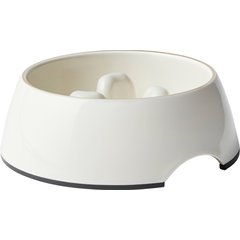
- Frisco Melamine Slow Feed Bowl: This simple melamine bowl helps slow down fast eaters without overly complicated maze patterns.
Recommended Product
Slow-Feeder Bowl for Large Dogs
- Outward Hound Fun Feeder: This large slow feeder uses deeper, more challenging maze patterns to help extend mealtime for medium- and large-breed dogs. Plus, the nonslip base helps reduce sliding during meals.
Recommended Product
Slow-Feeder Bowl for Wet Food
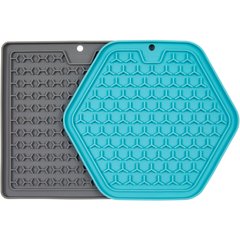
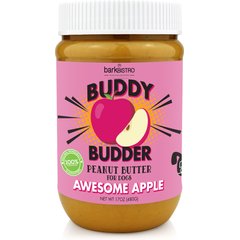
- Frisco Silicone Treat Lick Mat Slow Feeder: This lick mat encourages slower eating and provides additional mental enrichment. The textured surface works especially well for wet food, canned diets, or treats like peanut butter and yogurt.
Recommended Products

Slow-Feeder Bowl for Puppies
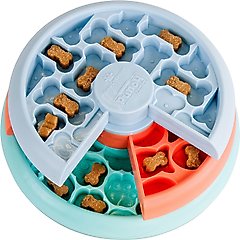
- Outward Hound Puppy Lickin’ Layers Slow Feeder: This layered puzzle feeder encourages problem-solving skills while keeping mealtime engaging and appropriately challenging for younger dogs.
Recommended Product
Nonslip Slow-Feeder Bowl
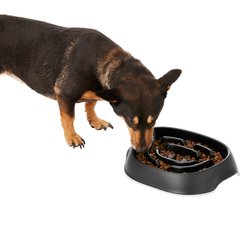
- Frisco Non-Skid Slow Feeder: This slow feeder features a nonskid base that helps keep the bowl from sliding or tipping during overly enthusiastic meals.
Recommended Product
Elevated Slow-Feeder Bowl
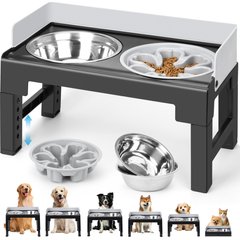
- Yafylly Adjustable Elevated Slow Feeder: This adjustable elevated feeder combines an insert with customizable height settings for growing dogs or larger breeds. The raised design may improve comfort during meals, while the slow-feed pattern helps reduce gulping. Note: Large, deep-chested dogs should not eat from elevated slow-feeder bowls, as it can increase the risk of GDV. If you’re not sure, ask your vet.
Recommended Product
Ceramic Slow-Feeder Bowl
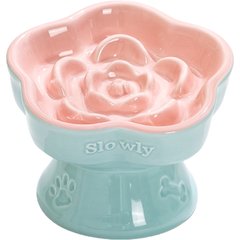
- Pawspik Raised Ceramic Slow Feeder: This ceramic slow feeder combines a raised design with gentle interior ridges to slow eating while remaining easy for many dogs to access. Ceramic bowls are also less likely to develop scratches that can trap bacteria.
Recommended Product
Budget-Friendly Slow-Feeder Bowl
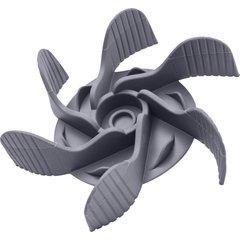
- Frisco Slow Feeder Insert: This affordable slow feeder insert transforms many regular dog bowls into a slow feeder without needing to purchase a new bowl. The flexible design attaches inside the bowl to create obstacles that help slow fast eating while remaining easy to remove and clean.
Recommended Product
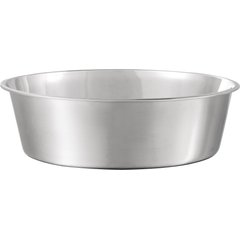
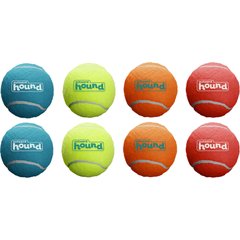
For another budget-friendly option, pet parents can even create a DIY slow feeder using a traditional bowl and adding tennis balls or other veterinarian-approved toys.
Recommended Products
Snuffle Mat Slow Feeder
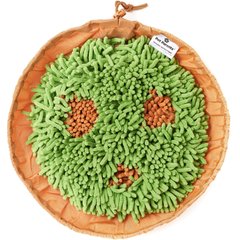
- Pet Parents Forager Snuffle Mat and Slow Feeder: A great option for dogs who eat kibble, you can also use this snuffle mat and feeder combo for treats.
Recommended Product
Travel Slow Feeder
- Pounce + Fetch Slow Feeder Collapsible Bowl: This bowl is a great option for hikes or anytime you’re on the go.
Recommended Product

Slow Feeder Ball for Treats
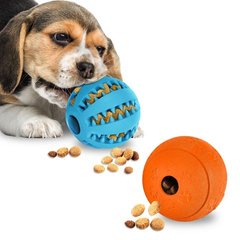
- SunGrow Interactive Exercise Puzzle Ball Treat Dispensing Teething Toy: This puzzle ball is a blast for dogs who enjoy a good challenge getting their favorite crunchy treat.
Recommended Product
FAQs About Slow-Feeder Dog Bowls
Do slow-feeder bowls prevent bloat in dogs?
No. No bowl can completely prevent bloat. However, slowing rapid eating may help reduce your dog’s chance of developing bloat, especially in deep-chested breeds.
Are slow-feeder bowls safe for puppies?
Yes. Many puppies can safely use slow-feeder bowls, and early introduction is often recommended to teach good mealtime behaviors. Simpler designs are usually easiest, but if puppies become frustrated or are eating less, switch back to a regular bowl.
Do vets recommend slow-feeder bowls?
Yes, many veterinarians recommend slow-feeder bowls for dogs who eat too quickly, regurgitate food, or need additional enrichment. However, they’re not right for every dog, so ask your vet first.
Why won’t my dog eat from a slow-feeder bowl?
Some dogs may feel confused or frustrated by complicated designs. Starting with a simpler pattern and gradually increasing difficulty often helps.
How do you clean a slow-feeder dog bowl?
Most slow-feeder bowls should be washed daily with warm, soapy water. Dishwasher-safe models can simplify cleaning, especially for bowls with deep grooves or ridges. If the slow feeder is scratched or cracked, replace it to prevent harmful bacteria from growing.
Is it OK to feed my dog from a slow feeder even if they don’t need it?
Usually, yes. Even if your dog isn’t a fast eater, a slow-feeder dog bowl can add enrichment and make mealtime more engaging. If your dog has any medical issues or you’re unsure what’s best, check with your vet.
Attributions