Signs of Bloat in Dogs—and How To Prevent It

Photo by Chewy
In humans, feeling bloated might mean unbuttoning your jeans and spending a few uncomfortable hours vegging out in front of the TV.
Bloat in dogs, however, is a serious condition that can turn into a life-threatening emergency.
Here’s what to watch out for and how to know if your dog’s at risk.
What Is Bloat in Dogs?
Bloat happens when a dog’s stomach fills with gas, fluid, and/or food, leading to an abnormal expansion.
As the stomach becomes distended, it may twist, like a wet towel being wrung out. The twisting—called gastric dilatation volvulus (GDV)—blocks the stomach entrance and exit, preventing the normal release of stomach contents, such as food, gas, and water.
GDV in dogs can also interfere with the blood supply to the stomach and other vital organs, like the spleen and heart, resulting in systemic shock. Dogs with GDV can have trouble breathing, and the stomach wall can rupture due to the pressure of internal gas.
Signs of Bloat in Dogs
The symptoms of dog bloat and GDV are nearly identical. If you notice any of these signs, bring your dog to a veterinary clinic or pet emergency clinic ASAP.
Symptoms of bloat in dogs and GDV in dogs include:
- Excessive panting (when not appropriate, such as during rest)
- Excessive salivation or drooling
- Vomiting
- Unproductive attempts to vomit called retching (which are even more common than vomiting)
- Not pooping or only releasing small-volume stool or diarrhea
- Distended abdomen
- Painful abdomen
- “Praying mantis” or “prayer positioning” excessively, where the front legs/chest are on the ground and the hind end is in the air
- Rapid heart rate
- White, blue, or purple gums
- Rapid, shallow breathing
- Unable to get comfortable and lie down
- Restlessness and pacing
- Whining
- Progressive lethargy and/or weakness
- Collapse
Causes of Bloat in Dogs
Any dog can get bloat, but large breeds with a narrow, deep chest have the greatest risk for developing GDV because they have more room for stomach movement in the abdomen and behind the rib cage.
“We do know that certain breeds of dogs are more susceptible to this condition,” says Alison Birken, DVM, a veterinarian at Victoria Park Animal Hospital in Fort Lauderdale, Florida.
Any dog—even tiny ones—can get bloat, but these are some of the most common breeds to develop the condition:
- Basset Hound
- Bloodhound
- Boxer
- Doberman Pinscher
- German Shepherd
- Great Dane
- Irish Setter
- Irish Wolfhound
- Mastiff
- Saint Bernard
- Standard Poodle
- Weimaraner
Other risk factors may include:
- Being male
- A family history of bloat
- Being a senior dog (7 years or older)
- Having a nervous, fearful, or reactive temperament
- Going through a stressful event
- Eating rapidly
- Eating or drinking a large amount followed by excessive or vigorous activity, such as running
- Eating one large meal a day
- Eating moistened dry food, especially if citric acid is an ingredient
- Being thin or underweight
- Higher depth/width relationship of the chest (for example, Basset Hounds)
When To Visit the Vet for Bloat and GDV
As soon as you notice signs and suspect bloat or GDV in your dog, get emergency veterinary help immediately.
“Bloat is an extremely serious condition that requires immediate veterinary attention, as it can rapidly progress to GDV, which is life-threatening,” says Andrea Johnston, DVM, a board-certified small-animal veterinary internist based in Minnetonka, Minnesota, and medical board member at The Vets.
Without treatment, GDV is fatal. With veterinary intervention, the survival rate is as high as 80%.
How Vets Diagnose Bloat in Dogs
It can be difficult for veterinarians to distinguish between bloat and GDV based on symptoms alone, so diagnostics are necessary.
Your veterinarian will perform a physical exam and take an X-ray or ultrasound of your dog’s abdomen before deciding how to proceed. Blood work may also be taken.
Treatment of Dog Bloat
There’s nothing you can do on your own at home, so an emergency vet visit is a must.
Once diagnosed, your dog will be treated by your vet.
Here’s what your vet may do:
- Stabilization and testing: The immediate goals are to stabilize your dog and determine if the bloat has progressed to GDV. This typically involves administering intravenous fluids to address shock and electrolyte imbalances and taking X-rays.
- Decompression: Whether your dog’s stomach is twisted or not, your vet might want to alleviate pressure in the stomach. The vet will sedate your dog and insert a tube through their mouth that goes into the stomach to release gas. If the tube cannot pass through due to the twist in the stomach, a large-bore needle or catheter is inserted into the stomach (via the side of the abdomen) to relieve the pressure.
- Surgery: If your dog’s stomach is twisted, they’ll undergo emergency surgery. This entails untwisting the stomach, assessing the condition of the stomach and spleen, removing any dead tissue (and sometimes the entire spleen), and attaching the stomach to the abdominal wall to prevent it from twisting again (a procedure called gastropexy).
Even if your dog’s stomach was not twisted, they may undergo a preventive gastropexy to prevent the stomach from twisting in the future.
How To Prevent Bloat in Dogs
Here are strategies to help reduce the risk of bloat and GDV in your dog.
Consider Preventive Gastropexy
The most effective way to ensure your dog doesn’t develop GDV is a preventive gastropexy. This is a common measure in predisposed breeds and is often performed at the time of spay or neuter, says Dr. Johnston.
Feed Smaller, More Frequent Meals
Instead of one or two large meals a day, divide your dog’s food into smaller, more frequent meals, which will help prevent the stomach from becoming overly distended, says Dr. Johnston.
Slow Down Your Dog’s Eating
Some dogs eat too quickly, which can increase the risk of swallowing air and developing bloat, says Dr. Johnston.
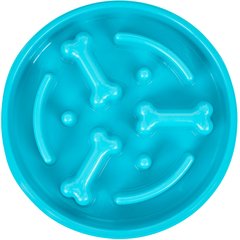
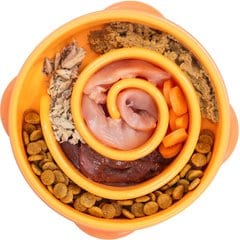
Slow feeder bowls are the way to go and will stop your dog from guzzling their whole meal at once.
Recommended Products

Keep Bowls Low to the Ground
Research suggests that having a raised bowl can contribute to bloat, so keep all bowls, including water bowls, low to the ground.
Recommended Products
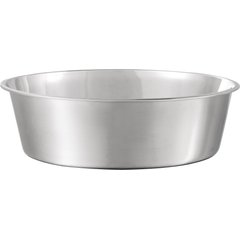
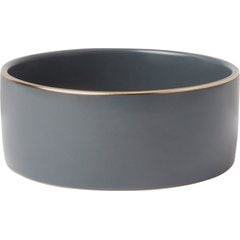
Speaking of water bowls, it’s important to keep your dog hydrated, so have water available at all times.
However, to reduce the risk of bloat, try to keep your dog from gulping down large amounts of water in one go, says Dr. Birken.
Avoid Exercise After Meals
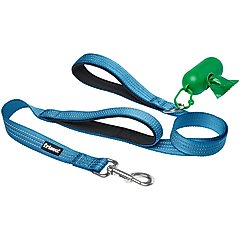
Vigorous exercise immediately after eating can increase the risk of GDV. The general rule of thumb is to wait one hour after your dog eats before playing. A short, casual walk after eating is OK, but save the tug-of-war or rousing game of fetch for later.
Recommended Products
Reduce Your Dog’s Stress
Stress has been associated with an increased risk of bloat in dogs. Try to minimize stressors in your dog’s environment, especially around mealtime.
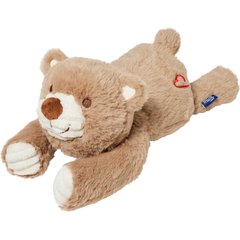
Giving your dog a safe space of their own with toys can help them decompress.
Recommended Products


FAQs About Dogs and Bloat
Can puppies get bloat? What are some puppy bloat signs?
Yes. While less common, puppies can also experience bloat and GDV. The signs of bloat in puppies are generally the same as in adult dogs.
Is there a dog bloat cure?
Yes, your veterinarian may be able to cure your dog’s bloat. However, there is no home cure, so it’s essential that you see a veterinarian to save your dog’s life.
What causes bloat in dogs?
It’s not known exactly what causes bloat in dogs, but some breeds—especially those with narrow, deep chests—are more susceptible. Stress, eating too quickly, and exercise after eating may also come into play.
Attributions