Medicated Dog Shampoo: What It Is and How To Choose One for Your Dog

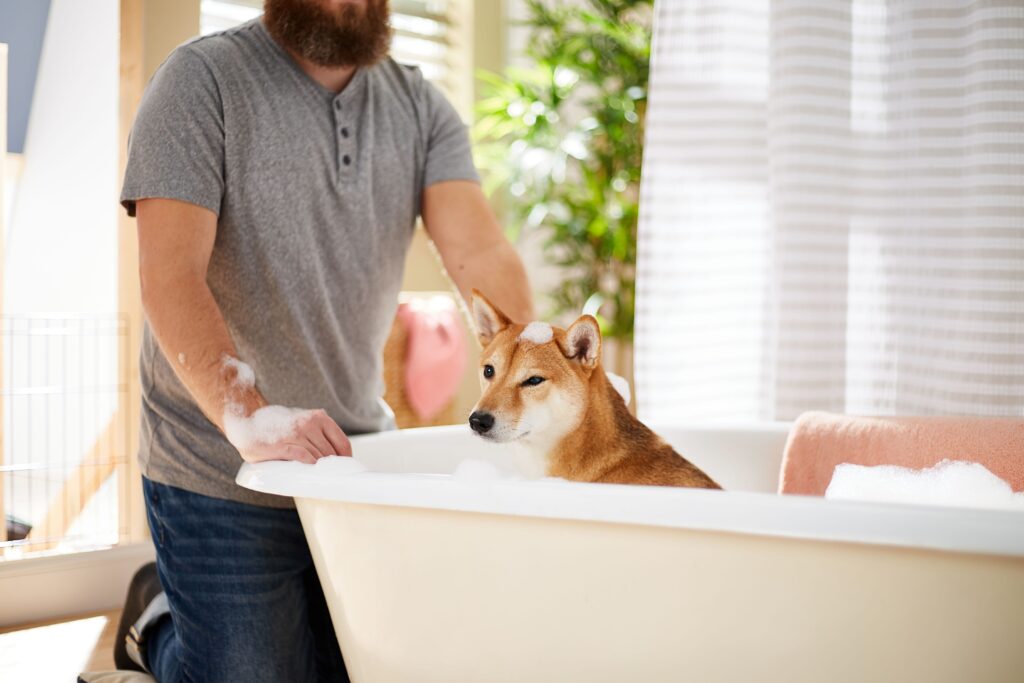
Photo by Chewy
You’d much rather have your dog smelling like a flower—instead of that stinky spot of lawn they just rolled in—but some shampoos serve a purpose beyond just smelling pretty.
Medicated dog shampoo contains active ingredients that target specific skin problems, including bacterial infections, yeast, dandruff, and allergy-related itch.
Before using any medicated shampoo on your dog, talk to your veterinarian.
Key Takeaways
- Medicated dog shampoo uses active ingredients to treat specific skin concerns, such as bacterial or yeast infections, dandruff, and allergy-related itching.
- Different formulas tackle different problems, so the right shampoo depends on what’s causing your pup’s symptoms.
- Always ask your veterinarian before using a medicated shampoo—even if it’s available over the counter.
- Medicated shampoos need time to work; many must stay on your dog’s skin for 10–15 minutes and be used consistently.
- If your dog’s skin is painful to the touch, oozing, or losing large patches of hair, do not attempt to treat it on your own and see a vet immediately.
What Is Medicated Dog Shampoo?
Medicated dog shampoo is a topical treatment that delivers active drugs directly to your dog’s skin and hair follicles.
These formulas often have three components:
- The same cleaning ingredients as regular shampoos to remove dirt and debris
- Medicinal agents, such as antiseptics, antifungals, or anti-inflammatories, that stay on the skin after rinsing or are absorbed during a longer soak
- In advanced formulas, microscopic sacs that bind to the hair and slowly release active ingredients
Why Your Dog Might Need a Medicated Dog Shampoo
A veterinarian may recommend a medicated shampoo for a range of skin issues, including:
- Bacterial infections: Medicated shampoo can kill bacteria, such as Staphylococcus, on the skin’s surface and flush out infected hair follicles.
- Fungal and yeast infections: Medicated shampoo can break down the greasy film that yeast, like Malassezia, thrives in and kill fungal spores.
- Allergies: Medicated shampoo can physically wash away environmental allergens like pollen and dust and offer temporary relief from itching.
- Seborrhea (scaling or oiliness): Medicated shampoo can help normalize how skin cells are produced and shed, which reduces dandruff and excess grease.
- Inflammation: Medicated shampoo can soothe red, irritated skin and reduce the urge to scratch, which helps prevent further self-trauma.
- Fleas: While flea shampoos are available, most vets are more likely to recommend regular flea and tick treatment instead of shampoos. If your dog has fleas, you should see your vet for a recommendation.
Types of Medicated Dog Shampoos
Not all medicated dog shampoos are created equal, and the kind you need probably depends on why you need it. Here are some different types of medicated dog shampoos and what they do.
Antibacterial Shampoos
Used for superficial bacterial infections, these shampoos usually contain one of the following:
- Chlorhexidine, which is the gold standard and kills a wide range of bacteria
- Benzoyl peroxide, which provides a follicular flushing effect that can help with blackheads and deeper infections but can be irritating to sensitive skin
Here are some vet-approved options:
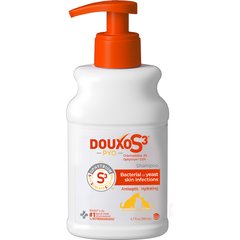
- Douxo S3 PYO Antiseptic Antifungal Chlorhexidine Shampoo pairs chlorhexidine with ophytrium to clean and soothe the skin. Ophytrium is a plant-derived ingredient that helps retain moisture and can soothe irritated or sensitive skin.
Recommended Product
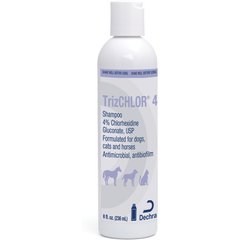
- TrizCHLOR 4 Shampoo uses chlorhexidine plus Tris-EDTA for stronger antibacterial action. Tris-EDTA is an antibacterial booster that disrupts bacterial cell membranes, helping antibacterial ingredients work more effectively.
Recommended Product
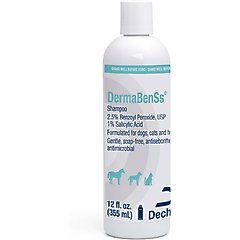
- DermaBenSs Shampoo combines benzoyl peroxide and salicylic acid to flush follicles and moisturize.
Recommended Product
Antifungal Shampoos
If your dog has a fungal skin infection, such as a yeast infection or ringworm, your veterinarian may recommend an antifungal shampoo. These shampoos often include:
- Chlorhexidine, since yeast and bacteria often infect the skin at the same time
- Ketoconazole or miconazole, which kill yeast and other fungi
Here are some vet-approved options:
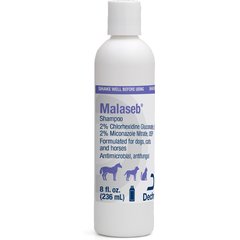
- Malaseb Medicated Shampoo combines 2% chlorhexidine and 2% miconazole in a fragrance-free formula.
Recommended Product
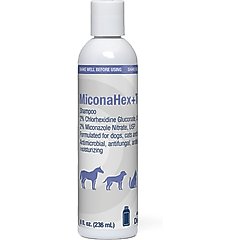
- MiconaHex+Triz Shampoo pairs 2% miconazole and 2% chlorhexidine with ceramides for added moisture.
Recommended Product
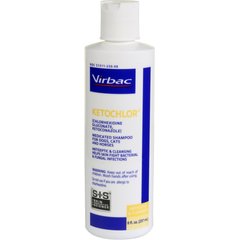
- KetoChlor Medicated Shampoo uses ketoconazole and chlorhexidine to target both yeast and bacteria.
Recommended Product
Anti-Dandruff Shampoos
Also known as antiseborrheic shampoos, anti-dandruff shampoos treat flaking and greasiness. These shampoos tend to include salicylic acid, which helps lift scales and normalize the skin surface.
Here are some vet-approved options:
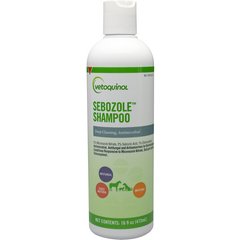
- Vetoquinol Sebozole Shampoo pairs salicylic acid with antifungal ingredients to address flaking along with yeast.
Recommended Product
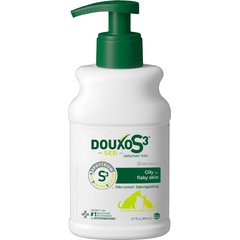
- Douxo S3 SEB Odor-Control Seboregulating Dog & Cat Shampoo helps remove excess sebum, oils, and flaky skin buildup.
Recommended Product
Anti-Itch Shampoos
Also known as antipruritic shampoos, a dog shampoo for allergies can help soothe itching and skin irritation caused by environmental or flea allergies. These shampoos are often used alongside other treatments recommended by your veterinarian to help manage allergy symptoms.
These shampoos often contain one of the following:
- Colloidal oatmeal, which helps moisturize and protect the skin barrier to soothe dry, irritated, and itchy skin.
- Ophytrium, which provides immediate, though temporary, relief from itching.
Here are some vet-approved options:
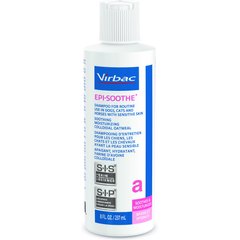
- Virbac Epi-Soothe Shampoo, which uses colloidal oatmeal in a soap-free formula to soothe sensitive, itchy skin.
Recommended Product
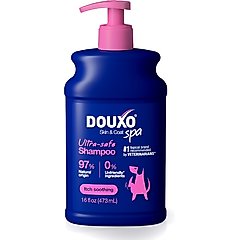
- Douxo Spa Skin & Coat UltraSafe Itch Relief Dog Shampoo is a hypoallergenic shampoo enriched with natural plant extracts to clean the coat as well as help mild itching.
Recommended Product
- Douxo S3 CALM Soothing Itchy, Hydrated Skin Dog & Cat Shampoo helps soothe irritated skin and contains ophytrium, a natural ingredient that strengthens the skin barrier.
Recommended Product

Flea Shampoos
Flea shampoos can quickly kill adult fleas on your dog and wash away flea dirt, but their effects are short-lived. Most provide little to no protection after the shampoo is rinsed away, so new fleas can quickly jump back onto your dog.
They also don’t address the flea eggs, larvae, and pupae that may be developing in your home.
For these reasons, flea shampoos are best used as a short-term, supplemental tool rather than your dog’s primary flea prevention. Effective flea control typically requires a veterinarian-recommended preventive.
In addition, some flea shampoos might not be safe for every dog, so always ask your veterinarian before using a flea shampoo on your pup.
How To Choose a Medicated Dog Shampoo
Many medicated shampoos are available over the counter, but always check with your veterinarian before starting any new medicated shampoo.
A simple skin cytology, which means looking at skin cells under a microscope, can tell you exactly which microbes are present. That way you don’t end up using an antifungal shampoo for dogs on your pup’s bacterial infection, which won’t work.
Once you and your vet know what you’re dealing with, you can choose a shampoo based on clinical signs:
- Greasy, smelly skin with pimples: Antibacterial shampoo with chlorhexidine or benzoyl peroxide
- Red, thickened skin with a yeasty odor: Antifungal shampoo with miconazole or ketoconazole
- Dry, white dandruff or flakes: Antiseborrheic shampoo, possibly with salicylic acid
- Fleas or ticks: Veterinarian-recommended flea and tick preventives (such as Bravecto or NexGard) are the gold standard—shampoos should only be part of a comprehensive prevention plan recommended by your vet that may also include treating your home and yard when needed.
- Intense itching after being outside: Anti-itch or hypoallergenic shampoo to wash away allergens
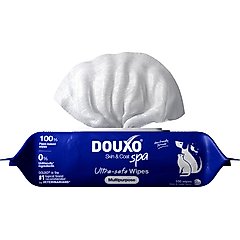
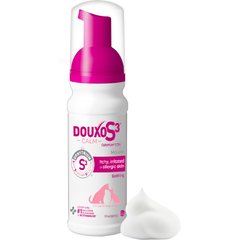
If your dog is prone to itching after being outdoors, you can try Douxo Spa Skin & Coat Ultrasafe Multipurpose Wipes or Douxo S3 CALM Soothing Itchy, Hydrated Skin Dog & Cat Mousse for relief between baths.
Recommended Products
How Long Does Medicated Dog Shampoo Take To Work?
Medicated shampoos are rarely a once-and-done fix. They’re therapeutic tools that work best with consistency and, often, prescription medications from your veterinarian.
- Itching: Itching often improves right after the bath, but that relief may only last 24–48 hours.
- Active infections: Expect it to take two to four weeks of consistent use to see real improvement.
- Fleas: Flea shampoos can kill adult fleas on your dog during the bath, but most dogs will need preventive control prescribed by a vet to stop fleas from reinfesting your dog.
How To Use Medicated Dog Shampoo
Ask your vet how to use the medicated shampoo since exact instructions may vary, depending on your dog’s condition.
In most cases, you’ll want to:
- Bathe two to three times per week at first.
- Leave the lather on your dog for 10–15 minutes before rinsing. Rinsing too early is the most common reason treatment fails. Use a timer and start the timing from the moment you finish lathering your dog.
When To See a Vet for Your Dog’s Skin
Always consult your vet before using a medicated shampoo on your dog. They may ask you to come in for a visit if they suspect something more serious is going on.
Medicated shampoo may not always be enough to treat your dog. Your dog will likely need more help if their skin:
- Is oozing
- Is painful to the touch
- Has deep sores
- Is missing large patches of hair
Your veterinarian may provide prescription medications, such as antibiotics or antifungals, to help further treat your dog’s skin condition. They’ll also work with you to identify an underlying cause to help your pup feel better soon.
FAQs About Medicated Shampoos for Dogs
What is the best shampoo for a dog with itchy skin?
For general itchiness, a shampoo with colloidal oatmeal, ceramides, phytosphingosine, or ophytrium may help to immediately soothe your dog’s skin. If the itch is due to an infection, an antibacterial or antifungal shampoo for dogs may be needed. Ask your vet for advice.
How often should you bathe a dog with medicated shampoo?
Two to three times per week is common for the treatment of mild issues. Once the skin is healthy, once a week or once every two weeks may be enough for maintenance.
What are the side effects of medicated shampoo for dogs?
The most common side effect is excessive dryness. Some stronger shampoos, such as those containing benzoyl peroxide, can be drying and may cause mild irritation or redness in sensitive dogs.
Is it safe to use medicated shampoo for dogs instead of regular shampoo?
Yes, it’s generally safe in a pinch, but it’s not the best idea since medicated shampoos can be more drying than high-quality cosmetic shampoos. If your dog has healthy skin, a mild, soap-free moisturizing shampoo is usually a better choice for routine baths. Always consult your veterinarian before using medicated shampoos.
What is the best dog shampoo for a yeast infection?
A medicated antifungal shampoo with miconazole or ketoconazole, often combined with chlorhexidine, is commonly recommended for skin yeast infections in dogs. Your veterinarian can confirm whether yeast is causing your dog’s symptoms and recommend the best shampoo and bathing schedule.
Attributions