Nerite Snail Care Guide: Tank Setup, Diet, Tank Mates, and More


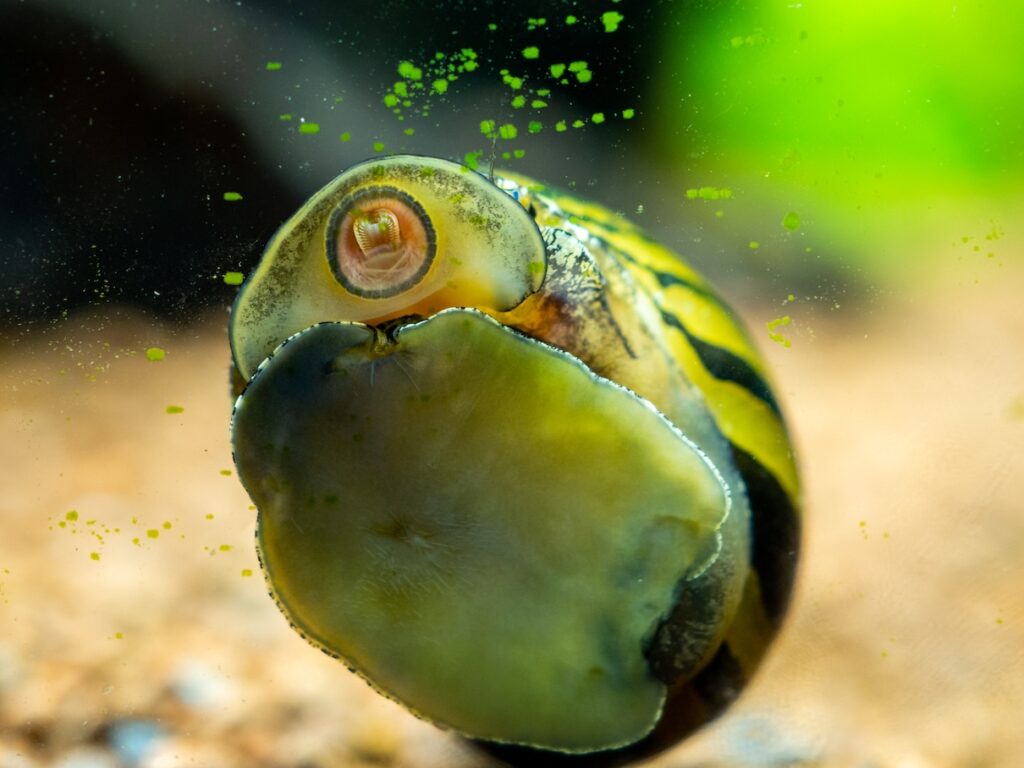
Photo by Juan Carlos Juarez Jaramillo via Getty Images
Nerite snails are small herbivores with big appetites that will help keep the algae and biofilm in your aquarium under control. Although nerites may lay eggs in freshwater, their larvae generally need brackish or saltwater conditions to develop. Nerite snails are available in a variety of shell colors and patterns.
Key Takeaways
- Nerite snails are peaceful, beginner-friendly algae eaters that need a cycled aquarium, stable water, and a tight-fitting lid.
- Nerite snails eat algae and biofilm but may need algae wafers or blanched vegetables.
- Nerite snails rarely reproduce in freshwater because their larvae need brackish or saltwater to develop.
- Nerites are compatible with peaceful community fish and invertebrates but should not be kept with puffers, large loaches, crayfish, or aggressive tank mates
What Are Nerite Snails?
Nerite snails are peaceful aquarium grazers that are kept in freshwater, brackish, or saltwater systems, depending on the species. Their reproductive requirements also vary by species, but nerite larvae generally need brackish or saltwater conditions to develop.
Nerite snails have a variety of shell patterns and colors. Common trade names include:
- Zebra nerite snail
- Red racer nerite snail
- Tiger nerite snail
- Horned nerite snail
- Zebra horned nerite snail
- King Koop nerite snail
- Batik nerite snail
How to Set Up a Nerite Snail Tank
Nerite snails live in many areas of the world, including coastal estuarine environments. Their unique physiology allows them to survive in both freshwater and saltwater aquariums.
A mature freshwater aquarium for one small nerite snail should generally hold at least 5 gallons, with more space needed for additional snails or larger species.
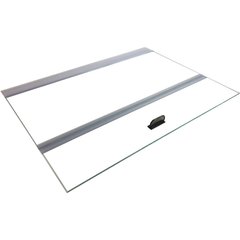
Marine nerites require species-appropriate saltwater conditions and may have different space requirements. Use a tight-fitting lid because nerite snails may climb above the waterline and escape, even when food is available.
Recommended Product
Water Parameters
Nerite snails are relatively easy to care for, but they still need stable water parameters and regular testing. Monitor ammonia, nitrite, nitrate, pH, temperature, and hardness regularly. Keep ammonia and nitrite at 0 ppm, and keep nitrate low.
Because nerite snails are often kept with fish, make sure the temperature, pH, hardness, and salinity requirements of all tank inhabitants are compatible. Water-parameter targets vary by species, so confirm the requirements for the specific nerite snail being sold.
- Temperature: 72–82 F
- pH: 7.5–8.5
- Hardness level: 6–12 dGH
- Ammonia: 0 ppm
- Nitrite: 0 ppm
- Nitrate: < 20 ppm
Use remineralized R.O. or R.O.D.I. water, or use tap water treated with a conditioner that removes chlorine and chloramines. Do not add untreated or unmineralized R.O. water to the aquarium.
Filtration and Tank Supplies
Nerite snails produce waste, so appropriate filtration and regular maintenance are still necessary. Here’s a list of the tank supplies you’ll need to care for nerite snails and other tank inhabitants.
- Appropriately sized filter, such as a HOB, sponge, internal, or canister filter
- Filter media appropriate for the selected filter
- Live plants for biological filtration and enrichment
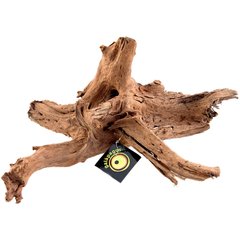
- Aquarium-safe decorations (driftwood, aquarium-safe rocks)
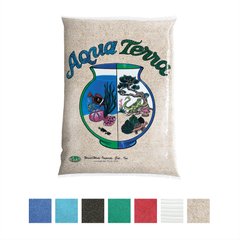
- Fine or sandy substrate
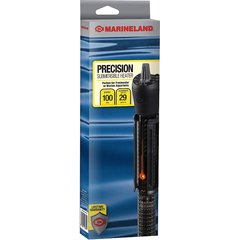
- Heater and thermometer
- Aquarium test kits
- Water conditioner
Recommended Products

Cycling and Stocking
Before adding fish or snails, cycle the aquarium and confirm that ammonia and nitrite are undetectable. A cycled aquarium has an established nitrogen cycle that helps process animal waste.
This process involves one species of nitrifying bacteria converting ammonia into nitrite, and a second species converting nitrite into nitrate.
A non-cycled tank can contain toxic ammonia and nitrites, which can cause breathing problems and other health issues in fish and snails.
Before adding any new snails, even to an established tank, quarantine them first. This ensures the snails are healthy, eating well, and behaving normally.
Maintenance
Nerite snail tank maintenance can be broken down into daily, weekly, and monthly tasks.
| Daily Tank Maintenance | Weekly Tank Maintenance | Monthly Tank Maintenance |
|---|---|---|
| Observe their behavior and activity | Test water parameters | Inspect worn filter media and replace it according to the manufacturer’s instructions |
| Check that natural or supplemental food is available | Perform 10–25% water changes with a gravel vacuum | Inspect equipment |
| Remove uneaten food before it decomposes | Wipe down tank glass and rinse mechanical filter media in removed aquarium water as needed | Clean and maintain equipment as needed |
What Do Nerite Snails Eat?
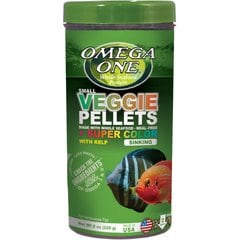
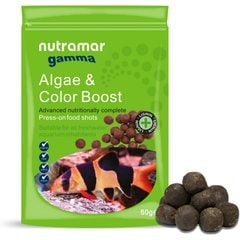
As herbivores, nerite snails graze on algae and biofilm growing on aquarium surfaces. A mature aquarium may provide much of their food, but nerite snails in new or very clean tanks may need supplemental food.
Offer algae wafers, spirulina-based foods, or small portions of blanched vegetables as needed.
Remove uneaten vegetables or wafers before they decompose and affect water quality.
Recommended Products

Which Fish Can Live With Nerite Snails?
Nerite snails are excellent additions for freshwater community tanks. They keep the tank clean and algae at bay.
Nerite snails are generally compatible with peaceful community fish and invertebrates, but avoid tankmates that may attack, harass, or eat them, including:
- Aggressive fish
- Predatory fish
- Puffers (known snail predators)
- Cichlids
- Clown loaches or other large loach species
- Large predatory crabs, lobsters, or other crustaceans
- Crayfish
Adding too many nerite snails or other algae eaters can create competition when the aquarium does not produce enough algae and biofilm. Stock conservatively, and monitor whether each snail has enough natural or supplemental food.
Getting Nerite Snails
Purchase your nerite snails from a knowledgeable, reputable breeder or fish store, or on Chewy.
Look for snails with intact shells and no severe cracks, holes, or signs of erosion. Nerites can retract into their shells and use their operculum (the hard plate covering the shell opening) to protect themselves.
Because nerite species have different salinity requirements, confirm the snail suits your freshwater, brackish, or marine aquarium before purchasing it.
Do not move a nerite directly between freshwater and saltwater. A sudden salinity change can cause severe acclimation stress or kill the snail.
Acclimate new fish and snails slowly, following the seller’s instructions and paying particular attention to temperature and salinity differences.
Common Nerite Snail Health Problems
Common problems include starvation, shell erosion, poor water quality, copper exposure, and acclimation stress. A nerite snail near the waterline may be searching for food, responding to unsuitable water conditions, or attempting to escape.
Many common problems can be reduced with consistent aquarium maintenance, appropriate water conditions, and adequate food, including:
- Regular water testing, especially after adding fish and inverts or changing equipment
- Regular water changes and cleaning
- Supplemental algae-based food when natural food is limited
- Quarantine new snails when possible before adding them to the display aquarium
- Maintain adequate hardness and mineral levels to support shell health
If your nerite snails get sick, avoid copper-based medications in aquariums containing nerite snails because copper can be highly toxic to aquatic invertebrates.
Nerite Snail FAQs
How big do nerite snails get?
Most nerite snails grow to about 1 inch in diameter, although adult size varies by species.
Can nerite snails live alone?
Yes. Nerite snails do not require a companion and can live alone.
Multiple nerites can share an aquarium if there is enough food and grazing area.
Are nerite snails aggressive?
No. Nerite snails are peaceful and do not attack fish or other aquarium animals.
However, aggressive or predatory tankmates may injure or eat them.
What size tank do nerite snails need?
You can generally keep a small nerite snail in a mature aquarium of at least 5 gallons.
Use a larger aquarium for multiple snails, larger species, or tanks with limited natural algae.
How long do nerite snails live?
Nerite snails commonly live about one to two years in captivity, although lifespan varies with species, water quality, diet, and acclimation.
What should you feed nerite snails?
Nerite snails primarily eat algae and biofilm. If natural food is limited, supplement their diet with algae wafers, spirulina-based foods, or small portions of blanched vegetables.
Do nerite snails reproduce?
Nerite snails may lay eggs in freshwater, but their larvae generally need brackish or saltwater conditions to develop.
As a result, they do not usually establish a breeding population in freshwater aquariums.
Are nerite snails sensitive to copper?
Yes. Nerite snails and other aquatic invertebrates are highly sensitive to copper, which can be toxic or fatal. Avoid copper-based medications and check product labels before adding treatments, fertilizers, or algae-control products to an aquarium containing nerite snails.
If copper treatment is necessary, move the snails to a separate, properly conditioned aquarium first
Why is my nerite snail not moving?
Nerite snails are often most active at night and may remain still for several hours or even a few days after transport or introduction to a new aquarium. Check whether the snail is firmly closed inside its shell; a tightly closed shell means it’s alive.
If the body hangs loosely from the shell or the snail develops a strong odor, it may be dead.
Why are there white eggs on my aquarium glass?
Nerite snails may leave small, white egg capsules on aquarium glass, rocks, plants, and decorations.
These eggs generally do not develop into baby snails in freshwater because nerite babies need brackish or saltwater conditions to develop.
Are nerite snails good for beginners?
Yes. Nerite snails are generally peaceful, hardy, and relatively easy to care for, making them suitable for many beginners.
Attributions