Calm Cat Tips: 10 Proven Ways To Soothe Their Stress


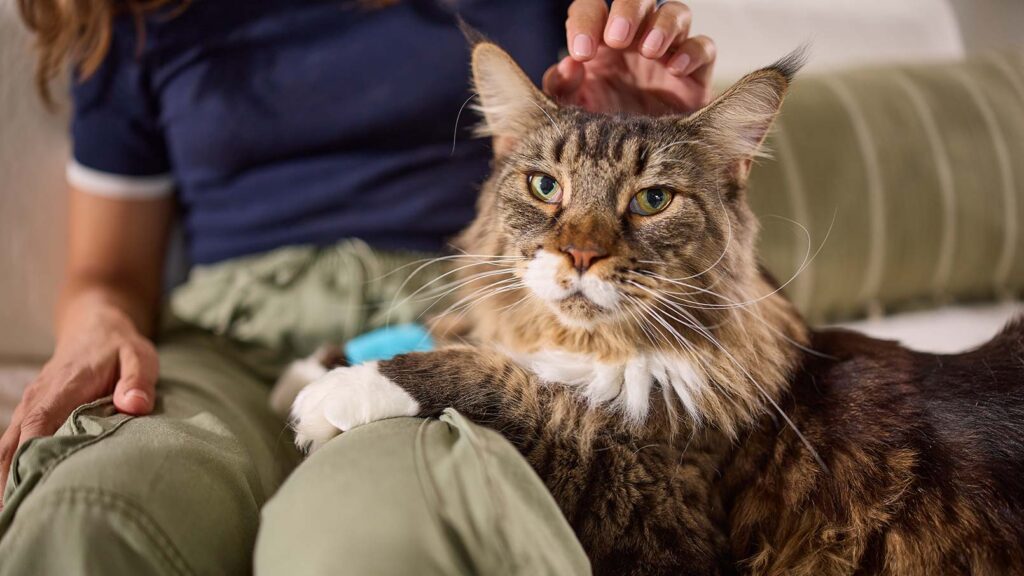
Photo by Chewy
Some cats are nervous by nature, but even a calm cat can become stressed when their routine is disrupted. The good news is that most cat anxiety is manageable, especially when you step in quickly.
Key Takeaways
- Cats experience stress from environmental changes, noise, and disrupted routines.
- A calm cat benefits from consistent routines, enrichment, and safe retreat spaces.
- Cat calming products like pheromones and supplements can help relieve stress.
- Severe anxiety may require veterinary guidance, including prescription medications.
10 Ways To Calm Your Cat
A combination approach is the best way to provide cat stress relief. Adjusting how you respond to your cat and adding environmental fixes, cat calming products, and veterinary support can help.
1. Maintain a Routine
Predictability is calming for cats. Feed your cat at the same times, keep sleep schedules stable, and maintain household routines as much as possible. When something in your cat’s environment has to change, keep everything else as consistent as possible.
2. Keep Yourself Calm
Cats can sense human emotions, so if you’re trying to keep your cat calm, do your best to control your own stress levels. Move deliberately and keep your voice quiet and confident. You can even try a slow blink in your cat’s direction to show them there’s nothing to fear.
3. Gently Pet Them
Pet your cat in their favorite areas—but only if they welcome it. Don’t force your attention on them. Let your cat come to you and watch for early “I’m done” signals in their body language, like a flicking tail or flattened ears.
4. Play With Your Cat Daily
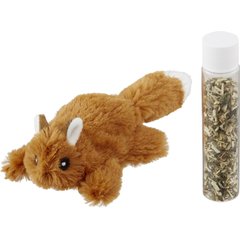
Play and exercise are healthy ways to diffuse stress. Aim for multiple short (two– to three–minute) sessions each day with cat wands or plush toys to engage their hunting instincts. Play that ends with a catch is especially satisfying for cats.
Recommended Products

5. Adjust the Noise Level
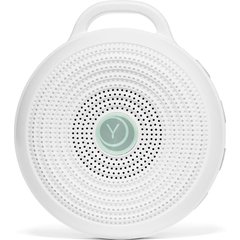
Cats have sensitive hearing, so noise levels that seem normal to you may stress them out. Try to keep the sound down in at least one part of your home. When potentially upsetting noises are out of your control, consider playing soft classical or cat-specific music in the background, or use a white noise sound machine.
Recommended Product
6. Create a Retreat
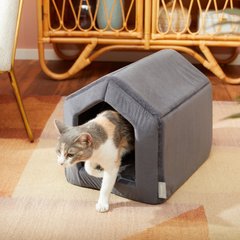
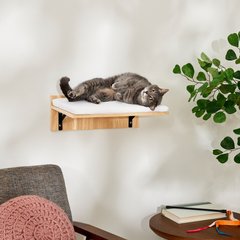
Every cat needs a private space they can escape to when they’re feeling overwhelmed. A covered cat bed tucked into a quiet corner or a cozy cat shelf placed up high could both work well.
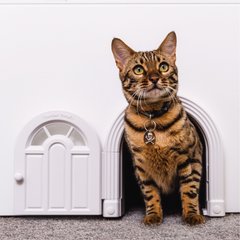
Even better, provide your cat with their very own “apartment” by installing a cat door that gives them access to everything they need, including food, water, and a litter box.
Recommended Products
7. Enrich Their Environment
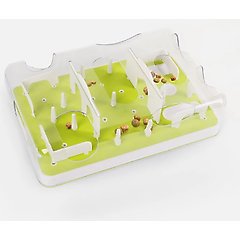
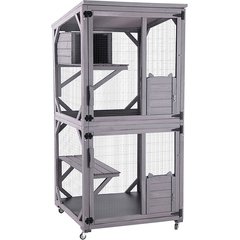
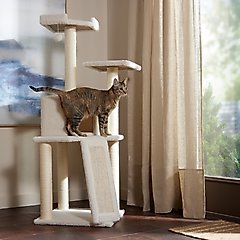
Boredom is stressful for cats. Studies show that cats with enriched environments have lower cortisol levels and experience less stress. Scratchers, puzzle feeders, catios, and cat trees are all good options.
Recommended Products

8. Try a Pheromone Product
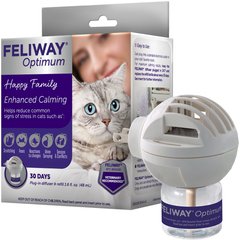
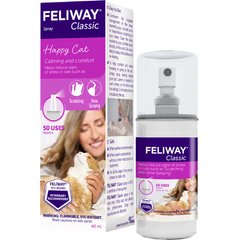
Some cat calming products use synthetic versions of pheromones cats produce naturally, including:
- Feline facial pheromones, which cats leave behind when they rub their face on something
- Cat-appeasing pheromone, which mother cats produce to calm their kittens
Pheromone products include plug-in diffusers for continuous use and sprays for a more targeted approach.
Recommended Products
9. Consider a Calming Supplement
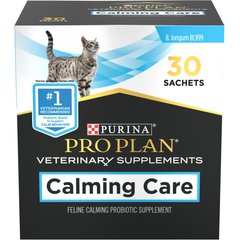
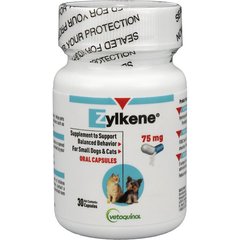
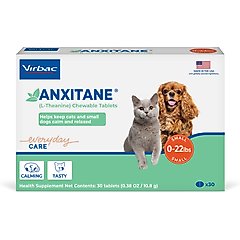
The probiotic strain BL999, found in Purina Pro Plan Veterinary Supplements Calming Care, has been shown to reduce signs of anxiety in cats. Zylkene, containing alpha-casozepine (a natural ingredient from cow’s milk), and Anxitane, with the amino acid L-theanine, are other good options.
Recommended Products
10. Ask Your Veterinarian About Anxiety Medications
For cats with moderate to severe anxiety that doesn’t improve with other approaches, prescription medications can make a real difference. Your vet will determine the right fit based on your cat’s situation and health history.
How To Calm a Cat in the Car
Car travel is especially stressful for some cats, but with preparation, it can become a more pleasant experience for everyone involved.
Recommended Products

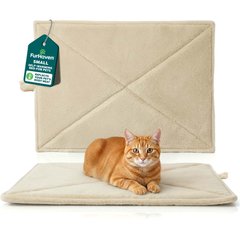
- Spray a calming pheromone product inside the carrier 15–30 minutes before travel. Never spray it directly on your cat.
- Cover the carrier with a towel or blanket to reduce sights and sounds that could startle your cat. Secure the carrier with a seatbelt to prevent falls.
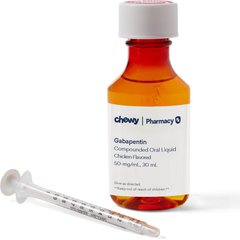
- Ask your vet about medications, like gabapentin, to reduce travel-related anxiety.
Recommended Product
- Motion sickness can also increase your cat’s stress. Your vet can prescribe medications, like maropitant, to help.
Recommended Product

How To Calm a Cat Before the Vet
If you are going to your veterinarian’s office, there are some additional ways you can reduce your cat’s stress.
- Ask your vet about pre-visit medications. Gabapentin helps with anxiety and provides some sedation for cats but usually needs to be given two to three hours before the appointment. Your vet can advise you on the best timing for your cat.
- Ask to be taken directly to an exam room or to wait in your car to limit your cat’s exposure to barking dogs and other stressors.
- Advocate for minimal restraint. Oftentimes, cats stay calmer when they are handled with a lighter touch.
FAQ About Calming Cats
What is the 3-3-3 rule for cats?
The 3-3-3 rule describes how long it typically takes an adopted cat to adjust to their new home. It stands for three days to decompress, three weeks to settle into routines, and three months to feel truly at home.
How can I tell if my cat is calm?
A calm cat will usually have soft eyes, upright ears, and a loose body and tail. A stressed cat, by contrast, tends to have dilated pupils, flattened ears, a tucked or puffed tail, and a crouched or stiff posture.
What music do cats enjoy?
Research suggests cats respond best to compositions built around tempos and frequencies similar to feline vocalizations. Soft classical music is a good second choice.
Does catnip calm cats?
It depends on the cat. Some cats go through a hyperactive stage and then become more relaxed, while others appear to be calmer from the beginning. Also, some cats don’t feel any effects from catnip, so it’s best to test it out first.
Attributions