What Is the 3-3-3 Rule for Dogs?


Photo by Chewy
Bringing home a rescue dog is exciting, but it’s also a big life change for your new companion. Even the friendliest dog may feel overwhelmed after leaving a shelter, foster home, or previous family. That’s where the 3-3-3 rule comes in.
The 3-3-3 rule for dogs is a general guideline that describes the way many newly adopted dogs adjust to their new home over the first three days, three weeks, and three months. Every dog is different—some settle in faster, while others need more time—but understanding these milestones can help you set realistic expectations and build trust at your dog’s pace.
Key Takeaways
- The 3-3-3 rule is a guideline that describes the way many rescue dogs adjust during their first three days, three weeks, and three months in a new home.
- Every dog adapts differently. Some may progress more quickly, while others need extra time and patience.
- A consistent routine, positive reinforcement, and gradual introductions to new people and experiences help dogs feel more secure.
- Contact your veterinarian if your dog shows unusual signs of stress, such as refusing food, vomiting, diarrhea, signs of pain, extreme fear, or severe reactivity.
What Is the 3-3-3 Rule for Dogs?
The 3-3-3 rule for rescue dogs is a guideline that helps pet parents understand the typical adjustment process after adoption:
| Timeframe | What often happens |
|---|---|
| First 3 days | Your dog is decompressing and may seem overwhelmed, quiet, or nervous. |
| First 3 weeks | Your dog begins learning your routine and may start showing more of their personality. |
| First 3 months | Your dog feels more comfortable, develops trust, and settles into family life. |
Think of the rescue dog 3-3-3 rule as a roadmap—not a schedule every dog follows exactly. Age, past experiences, personality, health, and time spent in shelters or foster care can all affect how quickly a dog adjusts. Some dogs settle in within days, while others may take several months before they truly feel at home.
The First 3 Days: Decompression
The first few days are often the most overwhelming part of the transition.
Your dog has experienced major changes in a short amount of time, including new people, unfamiliar sights and sounds, different routines, and a completely new environment. During this stage, many dogs are simply trying to figure out whether they’re safe.
You might notice that your dog:
- Sleeps more than usual
- Hides or keeps to themselves
- Seems shy or withdrawn
- Has a decreased appetite
- Is hesitant to explore
- Appears unusually quiet
Other dogs may react in the opposite way by pacing, whining, or staying close to their new pet parent.
These behaviors are often part of the normal decompression period and don’t necessarily reflect your dog’s long-term personality.
The First 3 Weeks: Learning Their Routine
During the first few weeks, many dogs begin relaxing and learning what daily life looks like.
By now, your dog is becoming familiar with:
- Feeding times
- Walk schedules
- Potty routines
- Family members
- Household sounds and activities
As your dog grows more comfortable, their true personality often starts to emerge. A previously quiet dog may become playful and energetic, while an overly cautious dog may become more curious and confident.
This stage is also when your dog starts learning household expectations. Positive reinforcement training, short play sessions, and predictable routines can help build confidence while strengthening your relationship.
The First 3 Months: Building Trust
By around the three-month mark, many dogs have developed stronger bonds with their new family and feel more secure in their surroundings.
At this point, your dog may:
- Seek affection more often
- Feel comfortable relaxing around the house
- Respond more consistently to training cues
- Enjoy regular walks and playtime
- Show their unique personality and preferences
While many dogs feel settled by this stage, others—especially dogs with difficult past experiences—may continue adjusting for longer. Progress isn’t always linear, and temporary setbacks are normal.
How To Support Your Adopted Dog
Whether your dog is adjusting according to the 3-3-3 rule or taking a bit longer to settle, your patience and consistency can go a long way toward helping them feel at ease.
Keep a Consistent Routine
Dogs thrive on predictability. Try to feed, walk, play with, and let your dog outside at roughly the same times each day. Knowing what to expect can help reduce uncertainty during the adjustment period.
Provide a Quiet Area
Create a calm space where your dog can rest without being disturbed. A comfortable dog bed or crate (if your dog has been introduced to one positively) placed in a quiet area of your home can give them a safe retreat whenever they need a break.
Recommended Products


Socialize Gradually
Slowly introduce your dog to new people, pets, and environments—a process known as socialization. Let your dog choose when they’re ready to interact instead of forcing greetings or unfamiliar situations.
Build Trust Through Play and Training
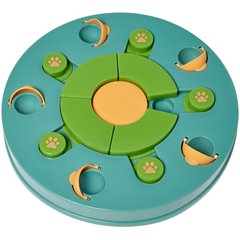
Short, fun training sessions using positive reinforcement help your dog learn new cues while building confidence. Gentle games, enrichment toys, and interactive play also strengthen your bond.
Recommended Products


Ask Your Veterinarian About Calming Products
If your dog seems especially anxious during the adjustment period, ask your veterinarian whether calming products may help support occasional stress during the transition. Use these products only as directed by your veterinarian.
Recommended Products



Contact Your Veterinarian if You Notice Concerning Signs
Some stress is expected after adoption, but certain signs warrant veterinary attention.
Contact your veterinarian if your dog:
- Refuses to eat
- Vomits
- Has diarrhea
- Shows signs of pain
- Exhibits extreme fear
- Develops severe or worsening reactivity
Your veterinarian can determine whether these signs are related to stress, an underlying medical condition, or another issue that requires treatment.
FAQ About the 3-3-3 Rule
Is the 3-3-3 rule exact, or just a rough guideline?
The 3-3-3 rule is a helpful guideline, not a scientific timeline. Every dog adjusts at their own pace depending on their personality, health, age, and previous experiences.
What are the signs of rescue dog anxiety?
Common signs include:
- Hiding
- Pacing
- Whining
- Decreased appetite
- Trembling
- Excessive panting
- Difficulty settling
- Avoiding people or new situations
Contact your veterinarian if these behaviors are severe, worsening, or accompanied by illness.
How long does it take a rescue dog to adjust?
Many rescue dogs become more comfortable within about three months, but some need longer. Building trust through patience, consistent routines, and positive experiences helps each dog adjust at their own pace.
This article was created with assistance from AI tools. The content has been reviewed for accuracy and edited by a human.
Attributions