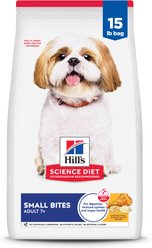
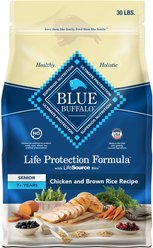
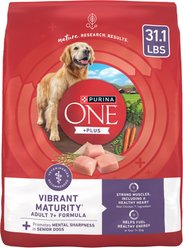
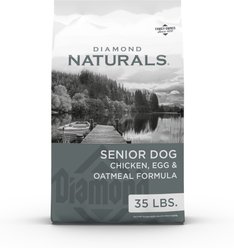
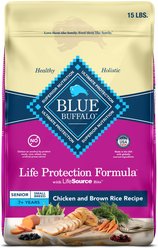
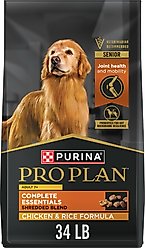
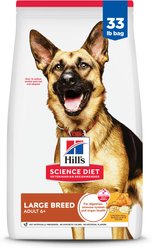
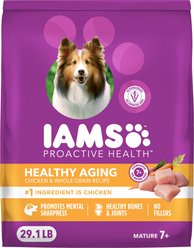
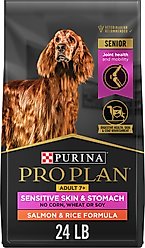
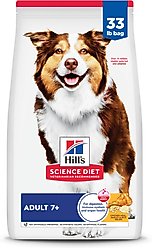
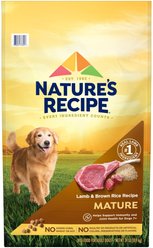
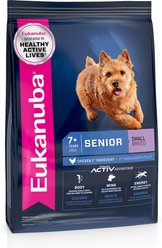
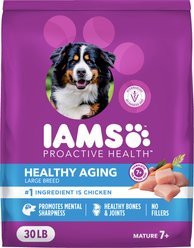
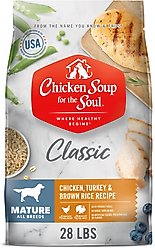
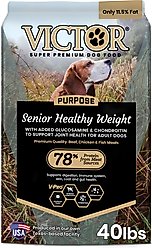
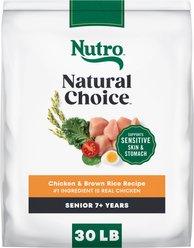
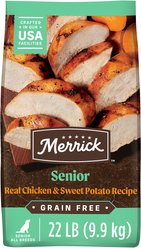
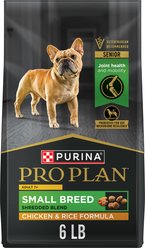
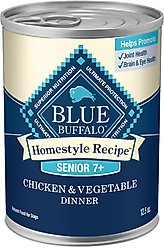
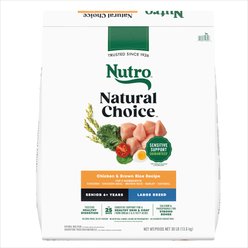
Senior Dog Food
Senior
Senior
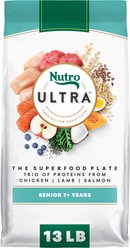
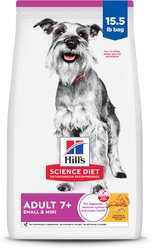
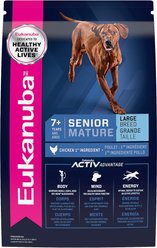
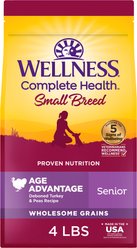
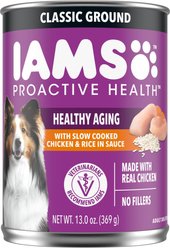
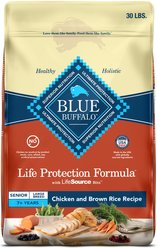
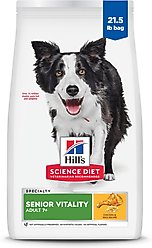
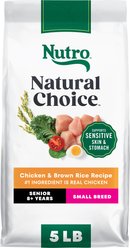
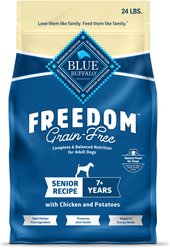
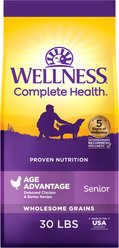
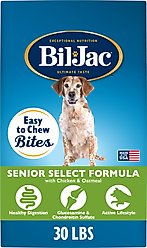
Senior dog food is specially formulated to support the nutritional needs of older dogs as their metabolism, digestion, and joint health change with age. These recipes typically feature adjusted calorie content, added joint-supporting nutrients like glucosamine, and ingredients that promote digestive health and immune function. Feeding your older dog a diet tailored to their age can help them maintain energy, mobility, and overall wellness well into their golden years. Here are some things to look for in a senior dog food:
Joint support: Look for formulas that include glucosamine and chondroitin to help maintain healthy mobility in older dogs.
Digestive health: Added prebiotics and fiber help support regular digestion and sensitive stomachs.
Weight management: Senior recipes are typically lower in calories to reflect decreased metabolism and activity levels.
Immune support: Antioxidants and vitamins help support your dog's aging immune system.
Easy-to-chew options: Some senior dogs prefer smaller kibble or the soft texture of wet foods that are gentler on teeth.
Switching to dog food for senior dogs ensures your older pup gets the right balance of nutrients for their changing needs. Many formulas also include antioxidants, omega fatty acids, and easy-to-digest proteins to support heart health, brain function, and skin and coat. Chewy carries a wide selection of senior dog food, including both wet and dry formulas, grain-free and grain-inclusive recipes, and limited-ingredient diets. Once you find the perfect ones, be sure to set all your dog's favorites to Autoship, so you'll always have plenty on hand.
You should switch your dog to senior food whenever your vet recommends it. Most large breed dogs are considered seniors at around age 6-8, but for smaller dogs, it may be as late as 10-12 years of age. Your vet can give you tailored guidance on when your dog might benefit from a senior diet and tell you what to look for in a food, too.
What's different about dog food for senior dogs is that senior formulas typically include fewer calories, more fiber, and added nutrients like glucosamine, omega fatty acids, and antioxidants. These help support joint health, digestion, immune function, and healthy aging so your pup can feel their best and thrive.
Senior dog food can be good for weight control, as many senior recipes are designed with reduced fat and calorie content. Some also include added fiber to help dogs feel full and satisfied. However, if your older dog's weight is a particular concern, you may want to look for a senior food formulated specifically for weight management or ask your vet for tailored feeding guidance.
Save 5% on repeat deliveries