20 New Year’s Resolutions for Pet Parents in 2026



Photo by Chewy
As you look back on the past year, it’s natural to reflect on time spent with your pet. It gives us the chance to cherish the memories we made together and celebrate our wins—plus embrace ways we can make the year ahead even better.
Setting New Year’s resolutions for ourselves and our pets allows us to think about habits we can incorporate into our routines for a happy, healthy pet and strong bond. That way, we really can give them the best life possible.
We spoke with animal experts about the best New Year’s resolutions for pet parents to make so you and your pet can ring in the new year on the right foot … or paw, claw, or hoof!
Key Takeaways
- Setting New Year’s resolutions with your pet helps you both stay happy, healthy, and connected all year long.
- From regular vet visits to enrichment activities, simple habits can make a big impact on your pet’s well-being.
- Each type of pet—dogs, cats, horses, and exotic animals—benefits from goals based on their unique needs.
Resolutions for All Pets
1. Stay on Top of Preventive Veterinary Care
Preventive veterinary care is essential for all pets, especially as they grow older, says Monica Tarantino, DVM, founder of Senior Dog Revolution in Alexandria, Virginia.
Some examples of preventive care include:
- Dental cleanings under anesthesia to catch any issues early
- Annual wellness exams to pick up on conditions and changes as they develop (e.g., arthritis) or weight changes before they become bigger issues
- Blood work to potentially detect diseases before clinical signs develop
“It is so easy to forget preventive care, so I always recommend scheduling those visits right at the start of the year,” Dr. Tarantino says.
2. Incorporate Daily Movement
Taking your dog for walks provides them with physical exercise and mental stimulation from seeing and smelling the world, Dr. Tarantino says.
Cats can benefit from planned play sessions, too. Aiming for just a few minutes a day can help with mobility and mental sharpness as they age, she notes.
Opportunities for daily movement are also important for other pets, no matter if they’re a small mammal, bird, reptile, farm animal, or any other cute critter. The type of physical activity, frequency, and intensity will vary depending on their species and unique needs.
3. Build Enrichment into Your Pet’s Daily Routine
Whether it’s a new walking route for your dog, a window perch for your feline, or a foraging box for your small pet, enrichment is essential for a happy pet.
Recommended Products


“Mental stimulation is just as vital as physical exercise,” says Ezra Ameis, DVM, veterinarian and founder of Paw Priority in Los Angeles. “Pets crave novelty and engagement; it keeps their minds sharp and their spirits high.”
4. Protect Your Time Together
“Quality time matters for the health of our pets and their caregivers,” Dr. Tarantino says. “People never regret the walks they took, or the time doing activities they and their pets love.”
Dr. Ameis recommends spending five extra minutes each day simply being with your pet—no phone, no distraction.
“Touch, eye contact, and calm companionship lower stress hormones for both of you and deepen that mutual trust that defines a healthy human-animal bond,” he says. “As your pet gets older, you realize it all happened in the blink of an eye. Show them you care right now. Life goes too fast to not smell the roses once in a while.”
Resolutions for Dogs
5. Make Consistent Time for Interactive Play
“Whether it’s something as simple as playing fetch or as complicated as agility training or searching out hidden treat caches, regular play sessions are extremely beneficial,” says Luke Daley, DVM, associate veterinarian at Grand Avenue Veterinary Center in St. Paul, Minnesota.
Recommended Products
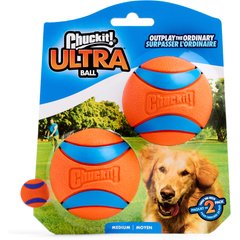

Benefits of regular play sessions and boredom busters include:
6. Reward Everything Your Dog Does That You Like
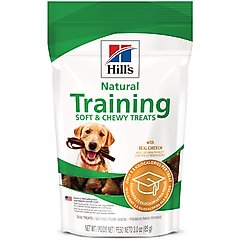
Rewarding the good things your dog is already doing increases the likelihood of those behaviors happening more, says Annie Grossman, KPA-CTP, CPDT-KA, a certified dog trainer and author of How to Train Your Dog With Love and Science in New York City.
This can be a daily exercise for you and your pup, whether they’re choosing to quietly lounge in their bed, refrain from barking at the doorbell, or chew on a bone instead of your shoe.
“What I love about it is that it trains us to look for all the things we like about our dogs,” Grossman says. It also gives our canine companions some space to figure out how to occupy their time without having to follow orders from us.
Keep yummy training treats handy to reinforce your dog for good behavior frequently.
Recommended Products

7. Take Your Dog on at Least One “Sniffari” Walk Per Week
A “sniffari” walk is a walk where your dog is in the driver’s seat and allowed to stop and sniff to their heart’s content, explains Sabrina Kong, DVM, certified canine rehabilitation practitioner at Jules Veterinary Center in Tracy, California.
While structured walks are great for physical exercise, letting your dog lead and explore with their nose provides lots of mental stimulation, which is just as crucial for a tired and happy dog, she says.
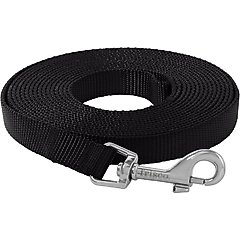
Scent walks also reduce boredom and satisfy their instincts, which helps strengthen your bond through shared, low-pressure exploration. Grab a long dog leash to give your dog a little bit of extra freedom on their sniffari.
Recommended Product
8. Establish a Dental Care Routine
Dental disease is a common problem among dogs as they grow older. At-home dental care can significantly slow the buildup of tartar and gingivitis, Dr. Daley says.
Ways he recommends keeping your dog’s teeth healthy include:
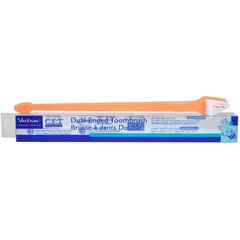
- Daily brushing with a dog-specific toothbrush and toothpaste
Recommended Products

- Specialized dental dog food


- Dental water additives
Recommended Products
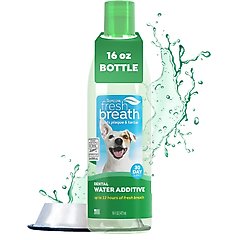

- Dental chews treated with the same enzymes found in pet toothpaste
Recommended Products


9. Master One Positive Reinforcement-Based Skill
Using positive reinforcement training to help your dog master a simple skill this year—like cooperative care for nail trims or a reliable “stay” cue—can transform potentially stressful grooming and vet care into a game of trust and teamwork, Dr. Kong says. This helps reduce fear and anxiety for your pooch—and you.
“Empowering your pet to be a willing participant in their own care is a profound way to build confidence and strengthen your communication,” she says.
Resolutions for Cats
10. Weigh Your Cat Regularly
A digital pet scale can tell you to the fraction of an ounce whether your feline friend is gaining or losing weight, says Stephen Quandt, certified feline training and behavior specialist and founder of Stephen Quandt Feline Behavior Associates, LLC, in New York City.
Recommended Product

Plus, using one of these scales for your cat’s weigh-ins is more accurate than standing on a human scale and doing the subtraction.
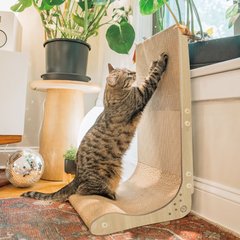
11. Add Scratching Opportunities
Is it time to replace your cat’s scratcher? Would they benefit from extra scratching opportunities around the house?
Provide a variety of vertical and horizontal scratching posts made of different materials to encourage your cat’s natural scratching behavior, says Bethany Hsia, DVM, co-founder of CodaPet in Clovis, California. This is crucial for their claw health and is an opportunity for stress relief.
Recommended Products


12. Clicker Train Your Cat
Clicker training your cat is a fun way to teach them new activities, such as how to high-five, sit up or stand, or ring a bell, Quandt says.
Recommended Products


It’s also great for bonding. Your cat will learn they get a reward when they perform a desired behavior, hear a clicker, then promptly receive a treat.
Resolutions for Horses
13. Stay Up to Date With Your Horse’s Vaccinations
Vaccinations are your horse’s first line of defense and are an essential part of any equine wellness program, says Chelsea Fishenfeld, aka Dr. Fish, DVM, cAVCA, veterinarian at Loomis Basin Equine Medical Group in Lake Forest, California.
She recommends following the American Association of Equine Practitioners (AAEP) vaccination guidelines to protect your horse from serious diseases—both those spread by insects and those transmitted between horses.
“Because every horse’s needs are unique, talk to your veterinarian about which vaccines are right for your horse’s age, lifestyle, and exposure risk,” Dr. Fish says.
14. Schedule Annual Oral Exams and Teeth Floating
Caring for your horse’s teeth with annual oral exams is essential for their comfort and overall health. These help your vet:
- Catch early signs of dental disease
- Check for loose or fractured teeth
- Remove foreign material
- Smooth out sharp points that can cause pain or ulcers, also known as teeth floating
Regular dental care can help your horse chew their feed efficiently and reduce the risk of impaction colic, Dr. Fish says.
15. Opt for Routine Blood Work
Annual blood work provides a snapshot of how a horse’s organs are functioning and can help detect early changes before they potentially become bigger problems, Dr. Fish says.
She especially recommends screening horses older than 15 for pituitary pars intermedia dysfunction (PPID), or Cushing’s disease.
“Early detection makes treatment more effective and improves long-term outcomes,” she says.
16. Set Up an Annual Soundness Exam
Soundness exams allow your vet to check how your horse moves, flex their joints, and evaluate them for early signs of lameness or stiffness, Dr. Fish says. These exams help catch any subtle changes before they lead to chronic issues like osteoarthritis.
She often includes routine chiropractic care as part of a soundness program for equine athletes. During these visits, she recommends discussing your equine pal’s exercise plan, stretching routines, and downtime to ensure a balanced, healthy workload.
17. Keep Up With Annual Farrier Films
“Your horse’s feet are the foundation of their health—literally,” Dr. Fish says. Annual farrier X-rays, aka farrier films, can help evaluate:
- Hoof balance
- Sole depth
- Internal alignment
If there are any early changes in your horse’s hooves, your vet and farrier can create a customized trimming and shoeing plan that supports your horse’s performance and comfort, Dr. Fish says.
Resolutions for Small and Exotic Pets
18. Start Taking Your Snake Outside
Allowing your pet snake to play and explore on your lawn or patio can greatly enhance their life, says Walter Merker, DVM, exotic animal veterinarian at Orange Grove Animal Hospital in Tucson, Arizona. The weather should be appropriate for the species you keep, and they should be in a secure, predator-free area.
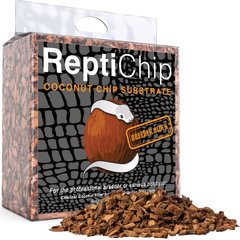
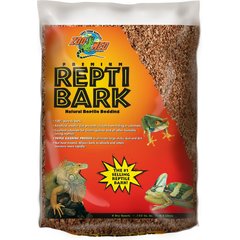
You should also develop a rotation plan for different types of substrates in your snake’s enclosure, such as turf, PVC pipe, cypress mulch, coconut fiber, or slate tiles. “Providing different tactile experiences like these really helps provide enrichment,” Dr. Merker says.
Talk to your vet or snake expert to ensure the substrates you use are appropriate for your species of snake.
Recommended Products
19. Learn About the Three Tiers of Pelleted Bird Food
Birds’ diets should consist of a high-quality, commercially prepared pelleted diet (80%), seeds (10%), and fresh fruits and vegetables (10%) for their long-term health, according to Dr. Merker. “Pellets simply have the full, balanced range of nutrients they need,” he says.
The different types of pellets for birds include:
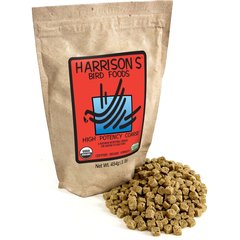
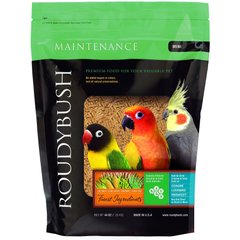
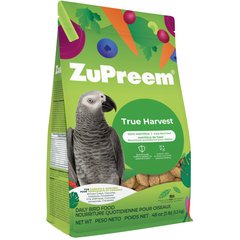
- Non-dyed pellets: Brands like Harrison’s Bird Foods, Roudybush, and Zupreem’s natural collection provide ideal nutrition without added dyes and sugars. This is what Dr. Merker recommends above all other avian diets.
Recommended Products
- Dyed pellets: While these can be useful for converting a stubborn bird from a seed-based diet, they often contain artificial colorings, Dr. Merker says. In some cases, it isn’t possible to transition a given bird to a non-dyed pellet, and these options are still far superior to seed-based diets, he says.
- Seed-based supplements: These aren’t replacements for a pelleted diet and are best used as treats or enrichment to encourage foraging, Dr. Merker says. However, some species are difficult to convert to pellets—especially granivores, like cockatiels and parakeets—and these diets do provide nutrition that’s superior to a diet made exclusively of seed, he says.
Recommended Product

20. Grow Your Own Food for Your Tortoise or Turtle
A varied diet of fresh produce and home-grown tortoise-appropriate plants can enhance the overall well-being of these pets, Dr. Merker adds.
Some foods that are relatively easy to grow include:
- Dandelions
- Plantain weed (note: not the fruit)
- Clover
- Hibiscus leaves and flowers
- Mulberry leaves
- Grape leaves
When growing and feeding any kind of produce to your hard-shelled friend, make sure they’re pesticide-free.
Attributions