Winter Supplements for Pets: Does Your Dog or Cat Need Them?

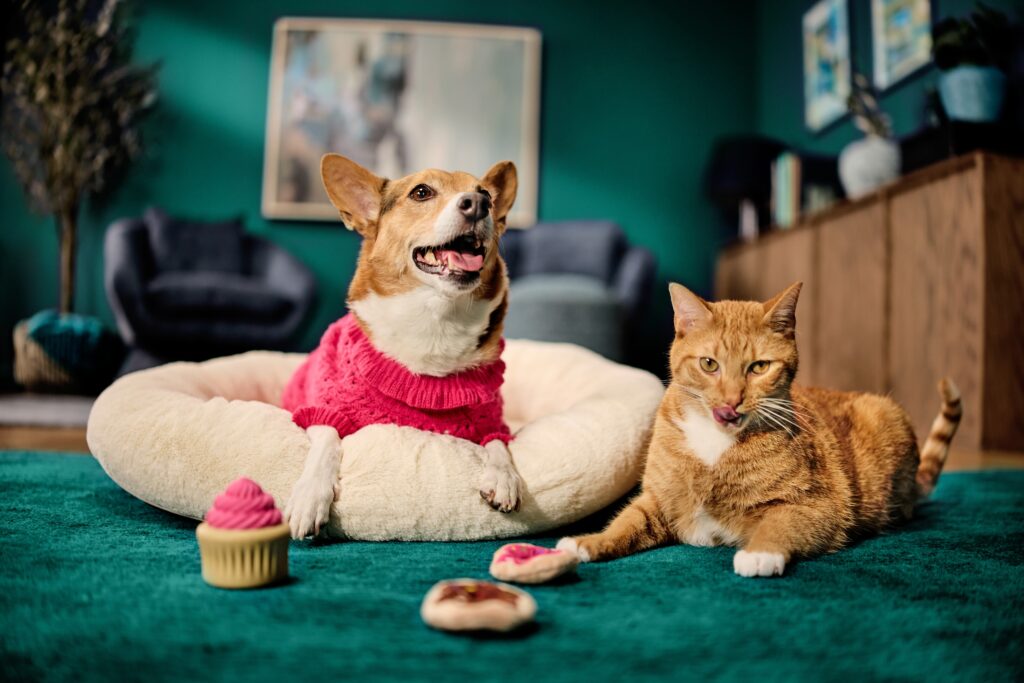
Photo by Chewy
Cold weather and seasonal stressors can trigger dry skin, joint stiffness, and digestive issues in some pets—especially seniors, those with chronic health conditions, or pets experiencing a bit of stress.
For these dogs and cats, your veterinarian may recommend a winter supplement to help support their well-being.
Check with your veterinarian before giving your pet supplements.
Key Takeaways
- Most healthy pets don’t need winter supplements if they eat a complete, balanced, AAFCO-compliant diet.
- Senior pets or those with joint issues, dry skin, or bouts of stress may benefit from winter supplements.
- Veterinarians may recommend winter supplements to support joints, skin and coat, digestion, immune health, or calming—especially for pets under seasonal stress.
- Overdosing is possible, so store supplements safely and seek emergency veterinary care if your pet shows signs like vomiting, diarrhea, tremors, or lethargy.
Does My Dog Need a Winter Supplement?
Winter brings colder outdoor temperatures, dry indoor air, changes in routine, separation anxiety when travel interferes, and potential exposure to contagious diseases if your pet is boarded.
Healthy dogs who eat an AAFCO-compliant, complete and balanced diet often get the nutrients they need on their own, making added vitamins and minerals unnecessary.
However, in certain cases, your vet might recommend a supplement for additional support. Always ask your veterinarian before giving your pet a supplement.
When considering a supplement, check for the seal of approval awarded by the National Animal Supplement Council, which sets rigorous standards for safe, effective, and high-quality products.
Here’s why your veterinarian might recommend a winter supplement for your dog:
Joint Issues
Cold weather can aggravate joint pain.
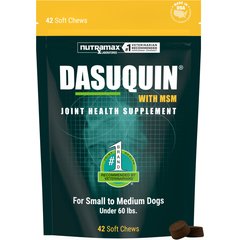
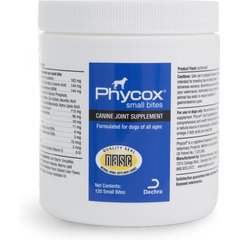
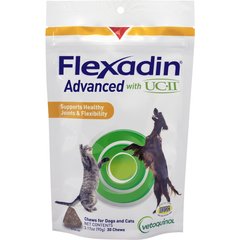
Joint supplements for dogs, like Nutramax Dasuquin, Phycox, and Vetoquinol Flexadin Advanced, contain glucosamine, chondroitin, MSM, green-lipped mussel, and collagen, which promote joint cushioning and lubrication.
Recommended Products
Immune Boost
Dogs in close contact with each other during the holidays are at risk of kennel cough, canine influenza, and other conditions.
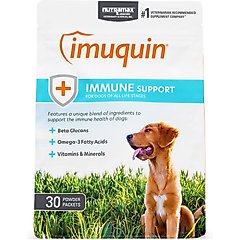
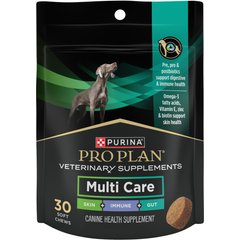
Immune supplements for dogs, like Nutramax Imuquin and Purina Multi Care, contain a combination of beta glucans, EPA, DHA, antioxidants, and vitamins and minerals that may support immune health.
Recommended Products
Dry Skin
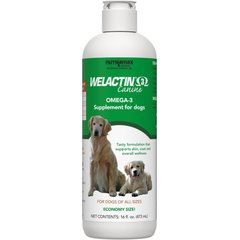
Omega fatty acids for dogs may help dry skin associated with the low humidity of indoor winter air, which can cause your dog’s skin to dry out.
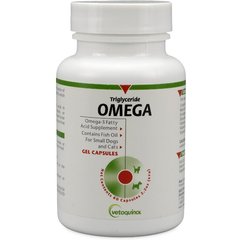
Ask your vet about Vetoquinol Triglyceride Omega Supplement or Nutramax Welactin.
Recommended Products
Digestive Upset
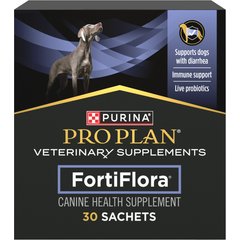
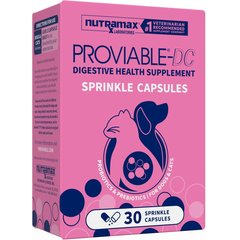
Probiotic supplements for dogs, like Purina Fortiflora and Nutramax Proviable, contain beneficial bacteria that can support intestinal health in dogs with a bout of diarrhea, which might occur in winter due to diet changes, stress from travel, or a change in their routine.
Recommended Products
Calming Aid
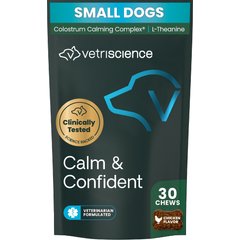
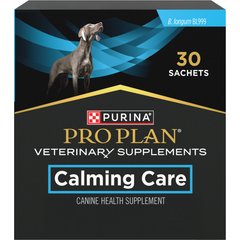
Calming aids in dogs, including VetriScience Composure, Purina Calming Care, and Nutramax Solliquin, may also help dogs relax during the chilly season when so much is going on around them.
Recommended Products

Does My Cat Need a Winter Supplement?
Winter weather also brings challenges for felines, even when they’re kept indoors.
Healthy cats who eat an AAFCO-compliant, complete and balanced diet often get the nutrients they need on their own, making added vitamins and minerals unnecessary.
However, in certain cases, your vet might recommend a supplement for additional support. Always ask your veterinarian before giving your pet a supplement.
When considering a supplement, check for the seal of approval awarded by the National Animal Supplement Council, which sets rigorous standards for safe, effective, and high-quality products.
Here’s why your veterinarian might recommend a supplement for your cat:
Joint Issues
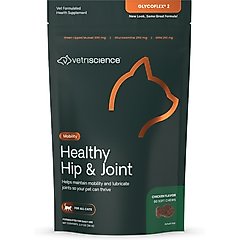
Cats with joint issues may benefit from joint supplements that help support cartilage, such as VetriScience GlycoFlex or Vetoquinol Flexadin.
Recommended Products
Immune Boost
During the winter, cats may be at risk for an upper respiratory infection triggered by stress. This can be especially likely if they’re staying at a grooming facility or boarding.
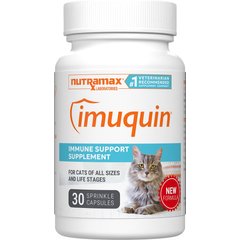
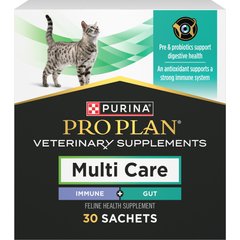
Your vet may recommend immune supplements for cats, like Nutramax Imuquin, which provides beta glucans and omega fatty acids to support the immune system, or Purina Multi Care, which has prebiotics and probiotics to provide a healthy boost.
Recommended Products
Dry Skin
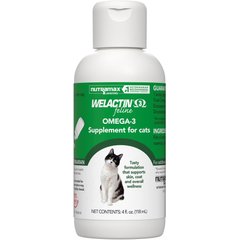
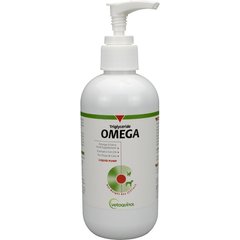
Decreased moisture in the air can cause dry skin in cats. Omega fatty acid supplements for cats—like Nutramax Welactin and Vetoquinol Triglyceride Omegas—can support skin and coat health.
Recommended Products
Digestive Upset
Winter can bring changes to your cat’s routine, whether it’s from traveling or all the busyness of the season.
Probiotic supplements for cats contain healthy bacteria that can support digestion in cats with diarrhea, which is commonly triggered by stress.
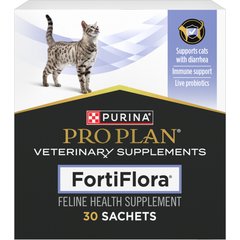
Your vet may recommend a supplement like Nutramax Proviable Probiotics & Prebiotics Digestive Health Supplement for Dogs & Cats or Purina Pro Plan Veterinary Diets FortiFlora Powder Probiotic Digestive Supplement for Cats.
Recommended Products
Calming Aid
And if your cat does seem a little stressed, a calming aid might help too.
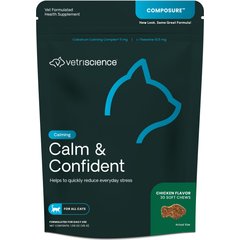
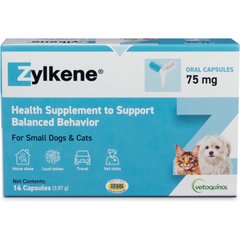
Ask your vet about VetriScience Composure, Nutramax Solliquin, or Vetoquinol Zylkene, which may promote relaxation and help cats cope better with a change in their winter routine.
Recommended Products
When To Skip Winter Supplements for Your Pet
Some pets should not take certain supplements. This includes pets with dietary sensitivities, food allergies, and certain digestive or internal disorders.
Always ask your vet if supplements are right for your pet.
What To Do If Your Pet Takes Too Many Winter Supplements
It is not uncommon for pets to ingest too much of a supplement, especially if the supplement is flavored or chewable.
Symptoms of supplement toxicity can vary but may include:
- Vomiting
- Diarrhea
- Decreased appetite
- Tremors
- Lethargy
- Wobbliness
If you suspect an overdose, immediately seek emergency veterinary care. Call Pet Poison Helpline (855-764-7661, a fee applies) on your way there.
To avoid an accidental overdose:
- Keep containers or bags of supplements closed and out of reach of pets.
- Monitor your pet to make sure they eat the entire dose (for example, if it’s hidden in their food) to minimize the risk of another pet eating it.
FAQs About Winter Supplements for Pets
Do pets need to take supplements for different seasons?
Not always. Most healthy pets get everything they need from a balanced diet year-round. However, senior pets or those with joint pain, dry skin, or stress may benefit from winter supplements. Ask your vet what’s best for your pet.
How can I help my dog’s dry skin in the winter?
Omega fatty acid supplements can help moisturize dry winter skin and support a shiny coat. Chat with your vet about your dog’s dry skin first.
How to get rid of cat dandruff in winter?
Omega fatty acid supplements may reduce winter-related cat dandruff. But dandruff can also signal health problems like thyroid or kidney disease, so ask your vet before giving any supplements.
Attributions