Is Your Cat Not Peeing? It Could Be a Serious Problem—Here’s What To Do


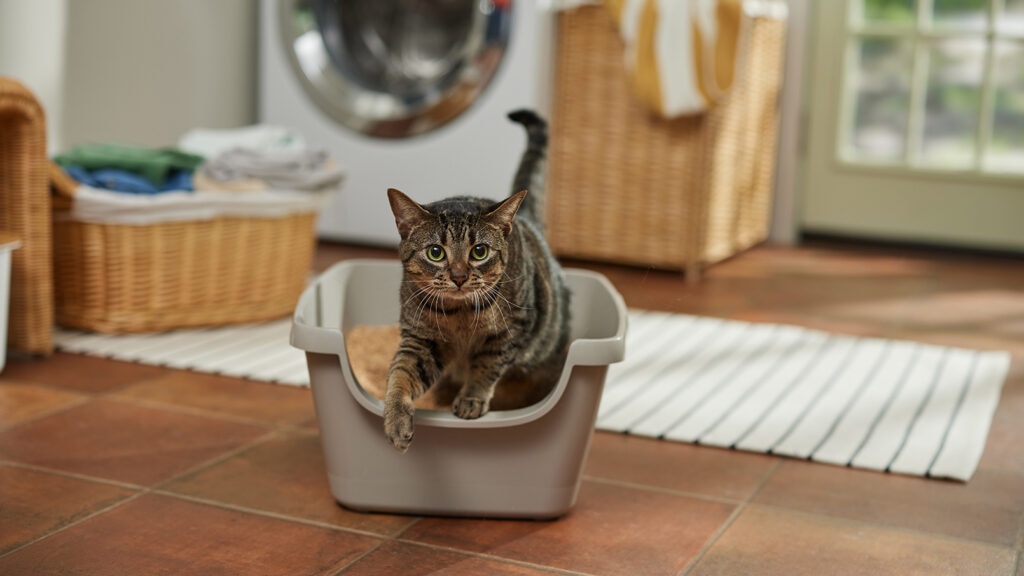
Photo by Chewy
Cats are typically fastidious about their potty habits—so a change in litter box use is a red flag. Urination varies based on water intake, diet, activity, and health, but big shifts—especially little to no urination—can signal serious health issues.
See a veterinarian immediately if your cat is straining or unable to urinate, even if it means visiting an emergency clinic. This can indicate a life-threatening urinary blockage or other serious condition.
Key Takeaways
- If your cat is straining or unable to pee, seek emergency veterinary care immediately. Urinary blockages can become life-threatening within hours.
- Changes in your cat's litter box habits, including peeing less often or producing smaller urine clumps, can be an early sign of a urinary problem.
- Urinary blockages, FIC, urinary stones, UTIs, and cancer are some of the most common reasons a cat may have trouble peeing.
- Keeping your cat hydrated, reducing stress, and maintaining a clean litter box can help support urinary health.
Is My Cat Peeing Enough?
Domestic cats evolved from desert-dwelling ancestors, which is why they’re naturally adapted to conserve water. This helps them survive in environments where fresh water isn’t always easy to find.
So, how much do cats pee per day? On average, healthy cats produce about 0.68–1.5 ounces (20–45 milliliters) of urine per pound of body weight per day. That means a cat’s urine output can vary based on size, diet, and hydration, but it generally stays within this normal range. Veterinarians use this guideline to help assess urinary health in cats.
Use this chart as a handy guide to normal urine production in cats.
| Weight | Amount of Urine |
|---|---|
| 5 pounds | 1.5–3.5 ounces |
| 8 pounds | 2.5–5.5 ounces |
| 10 pounds | 3–7 ounces |
| 12 pounds | 3.7–8.2 ounces |
| 15 pounds | 4.5–10.5 ounces |
How To Tell How Much Your Cat Is Peeing
Most cat parents don’t measure how much their cat urinates—instead, they notice changes in litter box habits. Ask yourself the following questions:
- Is my cat using the litter box more or less often than usual?
- Is my cat spending more or less time in the litter box?
- Are there more or fewer urine clumps when I scoop the litter box?
- Are the urine clumps larger or smaller than normal?
- Is there blood in the litter box or in the urine?
- Is my cat urinating outside the litter box?
If you answered “yes” to any of these questions, schedule a visit with your veterinarian. Changes in litter box habits can be an early sign of a medical issue and should be evaluated promptly.
Signs Your Cat Is Having Trouble Peeing
Signs that a cat is having trouble urinating include:
- Producing small amounts of urine frequently
- Straining to urinate
- Urinating outside the litter box
- Licking at the urinary opening
- Urine that contains blood
- Discomfort while urinating
- Abdominal pain
- Inability to urinate at all, which is a life-threatening emergency
Cats who are having difficulty urinating may also show other signs of illness, such as a decreased appetite, lethargy, vomiting, or changes in behavior like seeking extra attention or withdrawing from the family.
Any changes in your cat’s urinary habits should be brought to your veterinarian’s attention. If the signs are mild or subtle, it may not be an emergency, but it still warrants a prompt veterinary visit.
However, if you suspect your cat is straining significantly or is unable to urinate, seek veterinary care immediately, even at an emergency clinic. Urinary blockages in cats can become life-threatening very quickly.
Common Urinary Problems in Cats
To determine the cause of urinary problems, a veterinarian will start by gathering information about your cat’s symptoms and home environment. They will then perform a physical exam and may recommend diagnostic tests, such as a urinalysis, blood work, or imaging (like X-rays or ultrasound), to get a clearer picture of what’s going on. Additional testing may be needed depending on your cat’s specific condition.
Here are the most common urinary issues a veterinarian will look for when a cat is having trouble urinating:
Urinary Blockages
First, let’s deal with the worst-case scenario: urinary blockages.
Also called urinary obstructions, these blockages are usually caused by a mixture of protein, crystals, or small stones that become lodged within the urethra (the tube leading from the urinary bladder to the outside of the body). Tumors or involuntary muscular contractions called urethral spasms can also block urine flow from the bladder.
Get to a veterinarian immediately if your cat is trying to pee but can’t get much out. If necessary, go to an emergency vet because, without treatment, your cat’s bladder may rupture.
Who’s most at risk?
- Neutered male cats: They have very narrow urethras and are more likely to become blocked than female cats or unneutered males.
How is it treated? Treatment for a blocked cat usually includes:
- Placing a urinary catheter to unblock the urethra and drain urine from the bladder
- Fluid therapy
- Pain relief
- Hospitalization for close monitoring
Your veterinarian will also try to determine what caused the urinary blockage in the first place and may recommend treatment options to resolve that issue as well.
Feline Idiopathic Cystitis
Feline idiopathic cystitis (also called FIC, idiopathic feline lower urinary tract disease, or FLUTD) is very common in cats. It results in bladder inflammation, but possible causes haven’t been identified. Stress seems to play a big role in the development of FIC.
Who’s most at risk? Cats with an indoor-only lifestyle.
How is it managed? Your vet may recommend:
- Medications and nutritional supplements that relieve pain, inflammation, and anxiety
- Increasing water intake (feeding canned cat food only, for example)
- Keeping litter boxes impeccably clean
- Providing ample opportunities for exercise, play, and mental stimulation
- Maintaining a lifestyle that is as stress-free as possible
Urinary Crystals and Stones
Crystals can form in cat urine when the urine is very concentrated or when the substances that make up the crystals are present at high levels.
With time, crystals can clump together and form stones. Several types of crystals and stones can form in a cat’s urine, but calcium oxalate and struvite are the most common.
Who’s most at risk?
- Middle-aged or older cats: While any cat can develop urinary crystals and stones, they’re more common once cats are middle-aged or older.
- Overweight male cats of certain breeds: Calcium oxalate stones may be more common in overweight male cats of certain breeds, including Burmese, Devon Rex, Himalayan, Persian, Ragdoll, Siamese, and Tonkinese cats.
Struvite stones can affect all breeds and both sexes.
How are they treated?
- Canned prescription diet: Struvite urinary crystals and stones can usually be dissolved by feeding a canned prescription diet that helps dilute urine and reduce the substances that form crystals, like Hill’s Prescription Diet c/d Multicare Urinary Care Stress.
Recommended Product

- Prescription medication: If a cat’s diet can’t be changed, a veterinarian may prescribe medication to acidify the urine.
- Surgery: Surgery is usually necessary to remove calcium oxalate and other types of bladder stones.
Cancer
Tumors within a cat’s urinary tract can also make it hard for a cat to pee by partially or fully blocking the flow of urine out of the bladder or through the urethra.
Who’s most at risk? Urinary tract cancer can affect all breeds and both sexes of cats. It’s quite rare but becomes more likely as a cat gets older.
What are the treatment options? Treatment for urinary tract cancers may include:
- Surgery
- Chemotherapy
- Radiation therapy
- Immunotherapy
- Comfort care
Urinary Tract Infections
Urinary tract infections (UTIs) can also affect your cat’s peeing habits. They’re usually caused by bacteria in the urinary tract.
Who’s most at risk?
- Older cats: UTIs are rare in young, healthy cats. They become more likely as cats get older.
- Cats with diabetes or kidney disease: These conditions can weaken the immune system and change urine composition, making it easier for bacteria to grow and cause infection.
How are they treated?
- Antibiotics: For a routine bacterial infection of the bladder, a veterinarian may prescribe an antibiotic and schedule a follow-up visit to make sure the infection is clearing. For more complicated infections, a urine culture and sensitivity test may be needed to identify the most effective antibiotic.
How To Prevent Cat Urinary Problems
The best way to keep your cat’s urinary tract healthy will depend on the specifics of their case, but the following recommendations are safe and appropriate under almost every circumstance.
Reduce Your Cat’s Stress
Stress seems to play a big role in determining which cats develop FIC or become blocked. Focus on your cat’s environment to determine what might be causing stress.
If your cat is routinely fighting with housemates, find a way to keep them separate. Provide elevated wall shelves and pathways so cats can feel comfortable monitoring and moving around their “habitat.”
Recommended Products
Provide Exercise and Enrichment
Cats who live indoors are often bored, so it’s important to give them plenty of opportunities to exercise and engage their minds, such as:
- Play with your cat every day using interactive toys like wand toys or laser pointers.
Recommended Products


- Keep a variety of cat toys on hand and rotate them regularly to maintain interest.
Recommended Products



- Provide multiple cat scratchers in different areas of your home.
Recommended Products

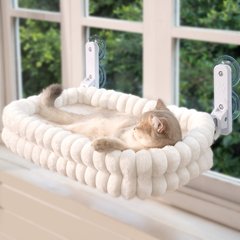
- Place a cat perch in a window for visual stimulation and bird-watching.
Recommended Products

- Use a food puzzle so your cat has to work for at least one meal each day.
Recommended Products


Keep Their Litter Box Clean
A dirty litter box is stressful for many cats. This can discourage them from urinating—and an empty bladder is a healthy bladder. Here are some litter box tips:
- Scoop out your cat’s litter box at least once a day.
Recommended Product

- Dump it, wash it out, and refill it with clean litter at least once a month.
- Always have at least one more litter box in your home than the number of cats that live there.
Recommended Product
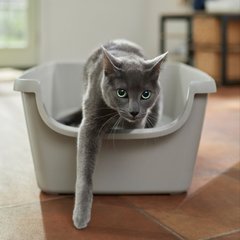
- Make sure litter boxes are easy to access and not placed in hard-to-reach areas of your home.
Keep Your Cat Hydrated
Cats need to stay well-hydrated to keep their urine dilute. Here’s how:
- Feed canned cat food to help increase your cat’s overall water intake.
Recommended Products


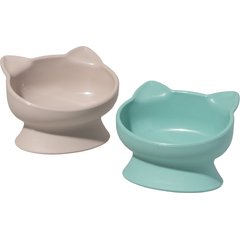
- Place several water bowls throughout your home so your cat always has easy access to fresh water.
Recommended Products
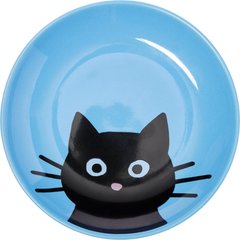
- Keep all water bowls clean and filled with fresh, cool water.
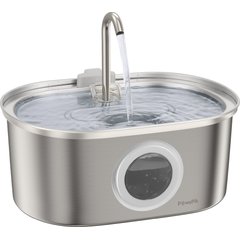
- Consider a cat water fountain if your cat prefers drinking from running water, like a faucet.
Recommended Product
Your veterinarian can recommend any other treatments, such as medications, supplements, or specific cat foods, that will help your cat avoid urinary issues and other pet health problems.