








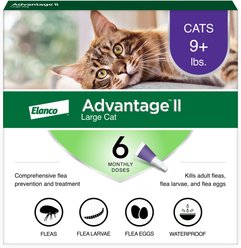
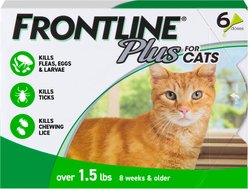
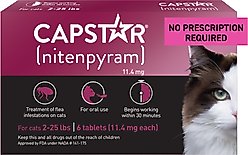
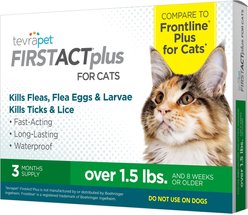

- Prescription Item

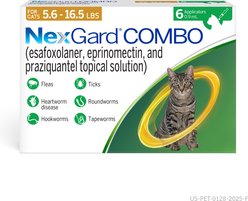
- Prescription Item

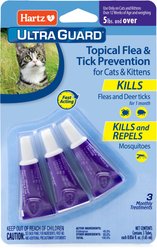

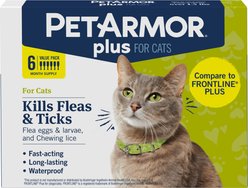

- Prescription Item

- Prescription Item

- Prescription Item
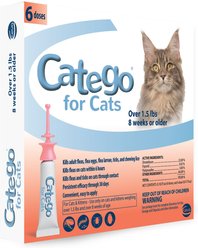
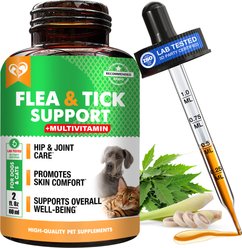
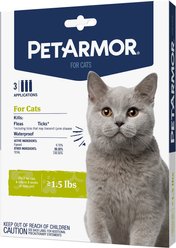

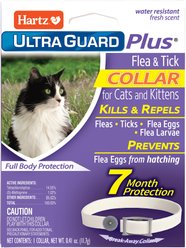

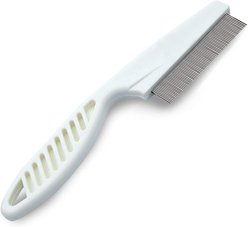
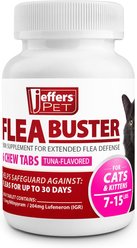
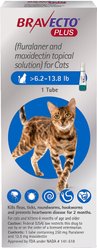
- Prescription Item
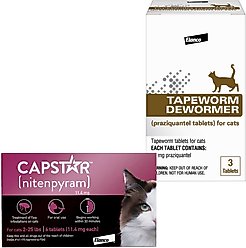
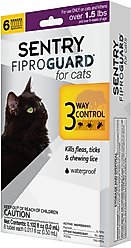





Flea & Tick Treatment & Medicine for Cats
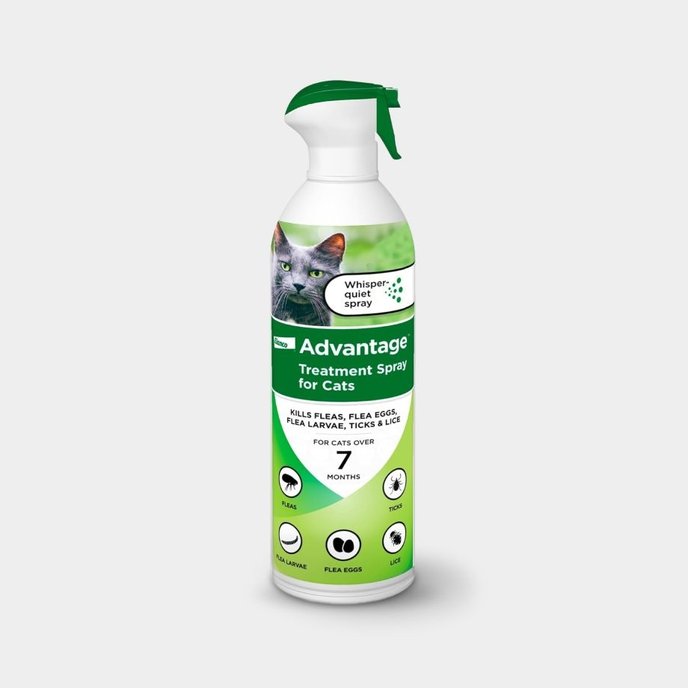
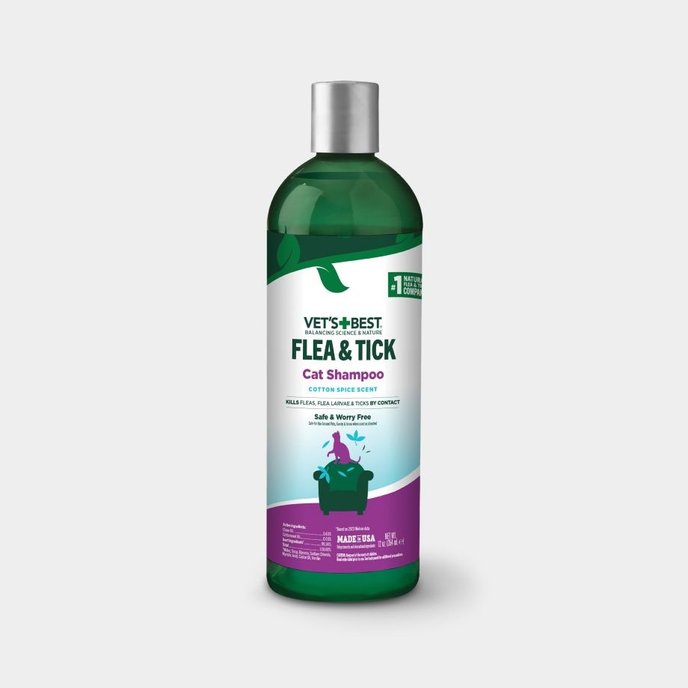
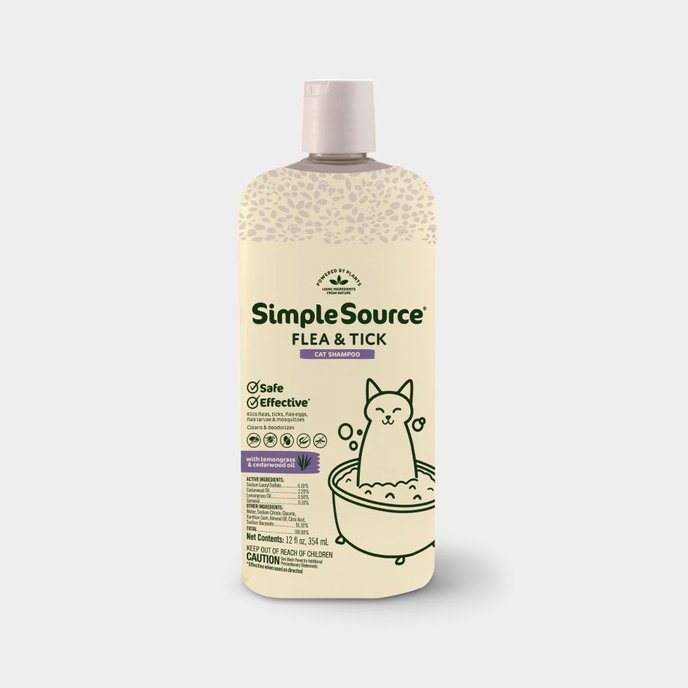
Keep your furry bestie flea-free and happy with cat flea and tick treatments made just for felines. Choose from products that work quickly to eradicate existing fleas—including flea shampoos, sprays, wipes, and fast-acting pills—or pick a long-acting cat flea and tick medicine for monthly protection.
Vets often recommend applying long-acting prescription cat flea and tick medications monthly for year-round control. These come in a variety of easy-to-use formulations, including:
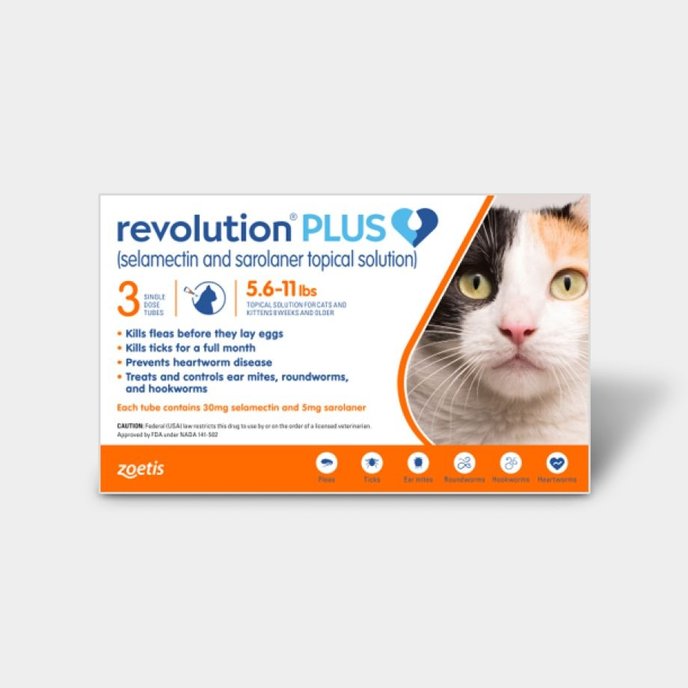
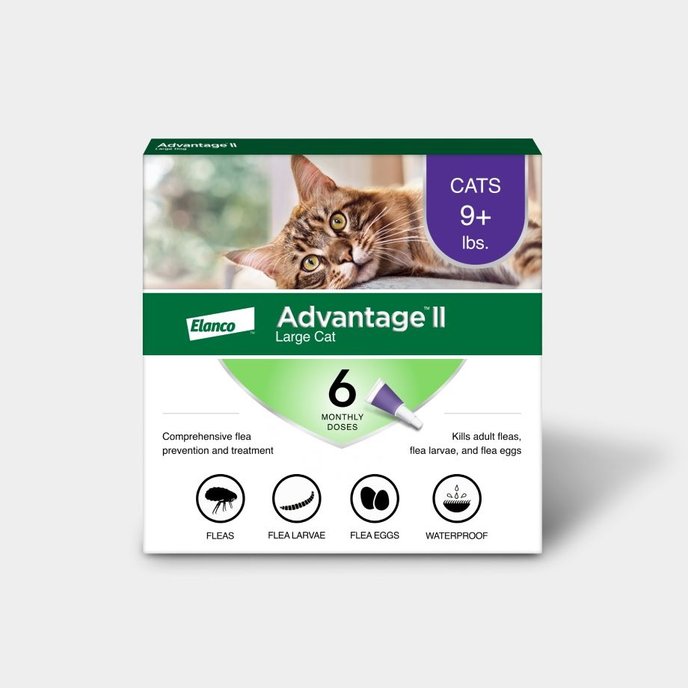
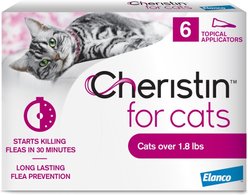
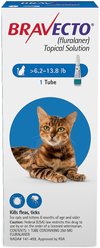
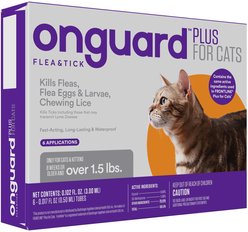
- Spot or topical flea and tick treatments applied directly to skin
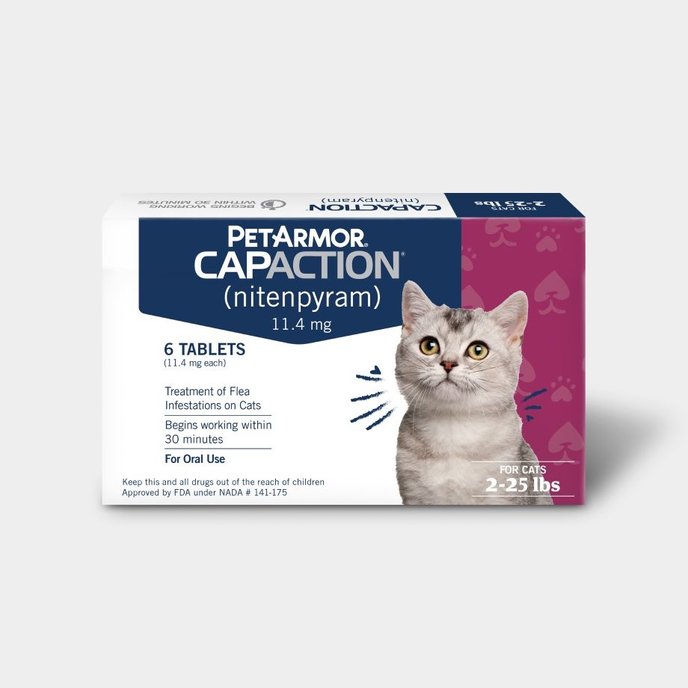
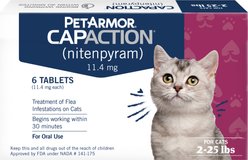
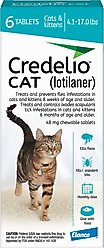
- Pills and chewable tablets administered orally
- Oral flea medications that include heartworm or parasite preventatives
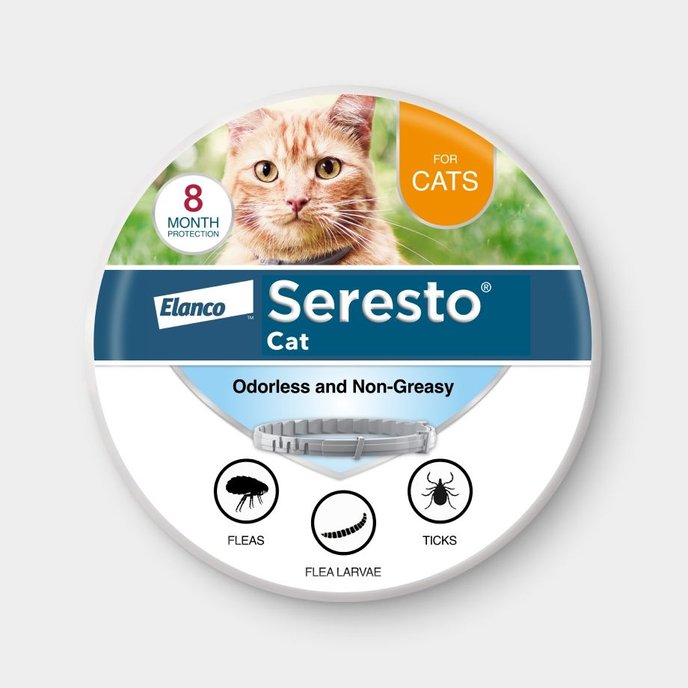
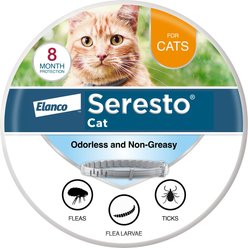
- Collars that dispense topical flea medication
You can also find non-prescription cat flea and tick medications in oral, topical, and collar form, including both short- and long-acting formulations. It's always a good idea to talk to your vet before choosing a cat flea and tick treatment to ensure you get something that's safe, effective, and appropriate for your pet. Once you choose the right one, be sure to set up Autoship to make sure you always have your cat's flea medication on hand.
Frequently Asked Questions about Flea & Tick Treatment & Medicine for Cats
What's the best flea and tick treatment for cats?
The best flea and tick treatment for cats will provide long-lasting flea and tick control and be easy to administer or apply. Many vets recommend long-acting prescription topicals for cats because they are long-acting and easy to administer once a month, but cats who take pills well may benefit from oral flea and tick treatments, as well. Talk to your veterinarian about the best flea and tick treatment options for your cat.
Do indoor cats need flea and tick treatment and prevention?
Indoor cats do need flea and tick treatment and prevention in most cases. Fleas and ticks can get into your home even if your cat stays inside, so flea and tick protection is usually a good idea. At the very least, you should flea comb your indoor cat and monitor her for signs of fleas and ticks regularly. Discuss flea and tick control measures for your cat with your veterinarian if you are unsure what to do.
Where do you apply cat flea and tick treatment?
Apply cat flea and tick treatment topicals on the neck just above the shoulder blades. Oral treatments usually come in pill or chewable forms. Flea and tick shampoos should be lathered over the body, avoiding the face, and then rinsed off thoroughly. Follow the instructions on product package and consult your vet before using any type of flea and tick treatment on your cat.
Do cat flea and tick treatments expire?
Cat flea and tick treatments do expire, so check the package to be sure your cat’s treatment isn’t past the expiration date. Expired flea and tick treatments may be less effective, so you should avoid using products past their expiry date. Be sure to store your flea and tick treatment medications properly to ensure efficacy, too—the package should have guidelines for proper product storage.
How do cat flea and tick treatments work?
Cat flea and tick treatments work in different ways, and how they work will depend on which product you use. Flea and tick shampoos and fast-acting chemical treatments kill parasites on contact but won’t prevent re-infestation. Topical and oral flea and tick treatments work by spreading over your pet’s skin and killing fleas and ticks on contact for up to a month. Many also include hormone growth regulators that prevent flea eggs and larvae from hatching and developing. These tend to be more effective long-term because they break the flea lifecycle and prevent re-infestation.