American Eskimo Dog vs. Samoyed: Which Fluffy Breed Is Right for You?


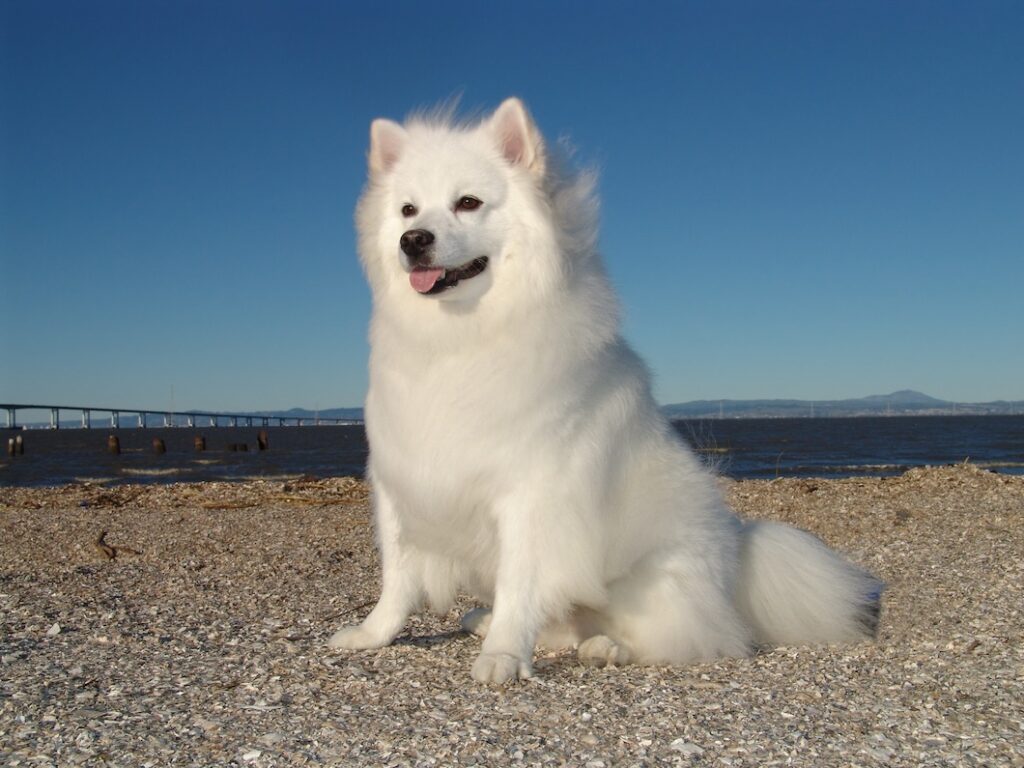
Photo by nwbob/iStock via Getty Images
If you’ve fallen in love with the thought of bringing home a fluffy white dog, you’re probably considering the American Eskimo Dog or the Samoyed. While they both share striking coats, foxlike faces, and always-on smiles, these breeds have their fair share of differences. Here’s how these beautiful breeds compare.
Key Takeaways
- American Eskimo Dogs are smaller than Samoyeds, making them a better fit for pet parents with limited space.
- Samoyeds generally need more daily exercise because they were bred to pull sleds and work.
- Both breeds have thick double coats that require regular brushing and seasonal shedding management.
- Both breeds can be affectionate family companions.
History
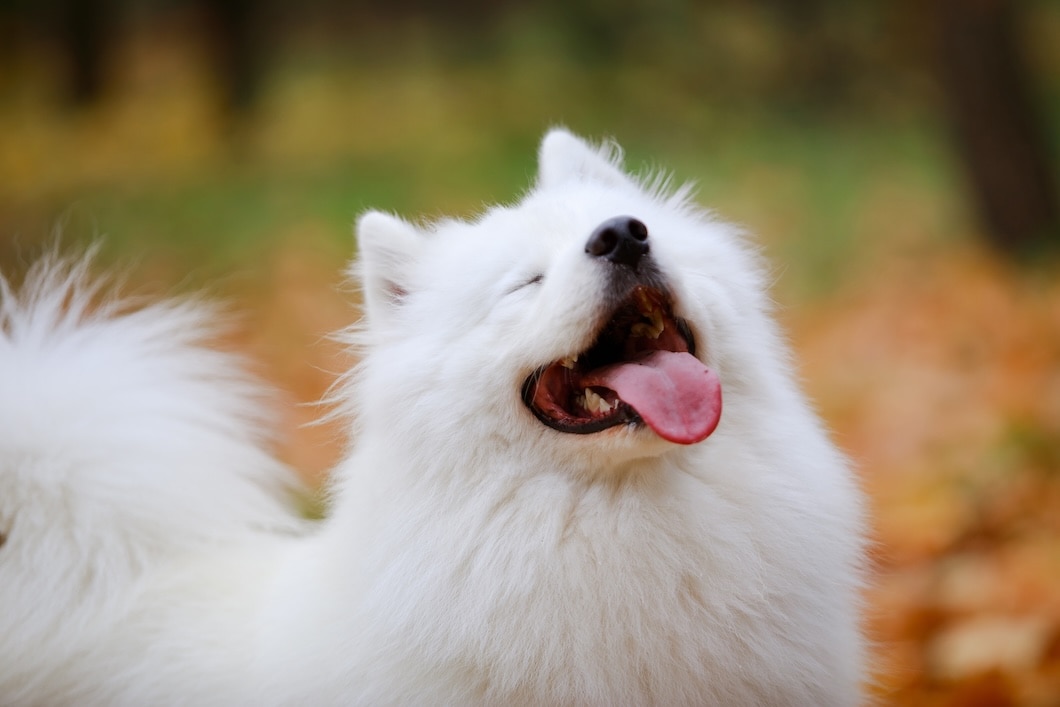
Photo by Adobe/kinomaster
Although they look like close relatives, the American Eskimo Dog and Samoyed developed on different continents and were bred for different jobs.
Despite the name, the American Eskimo Dog did not originate with the Inuit or in Alaska. The breed descended from German Spitz dogs brought to the United States by European immigrants in the late 1800s.
Originally farm dogs and companions, American Eskimo Dogs later became circus performers thanks to their intelligence and eagerness to learn. Their ability to master tricks helped make them popular family pets. Today, they’re known for excelling in obedience, agility, rally, and other canine sports.
The Samoyed originated in Siberia, where the Samoyedic people relied on these dogs for many tasks. Samoyeds helped herd reindeer, pull sleds, hunt, and provide warmth by sleeping alongside their families during frigid nights. Because they worked so closely with people, Samoyeds developed a friendly, social nature that continues to make them wonderful companions today.
Appearance
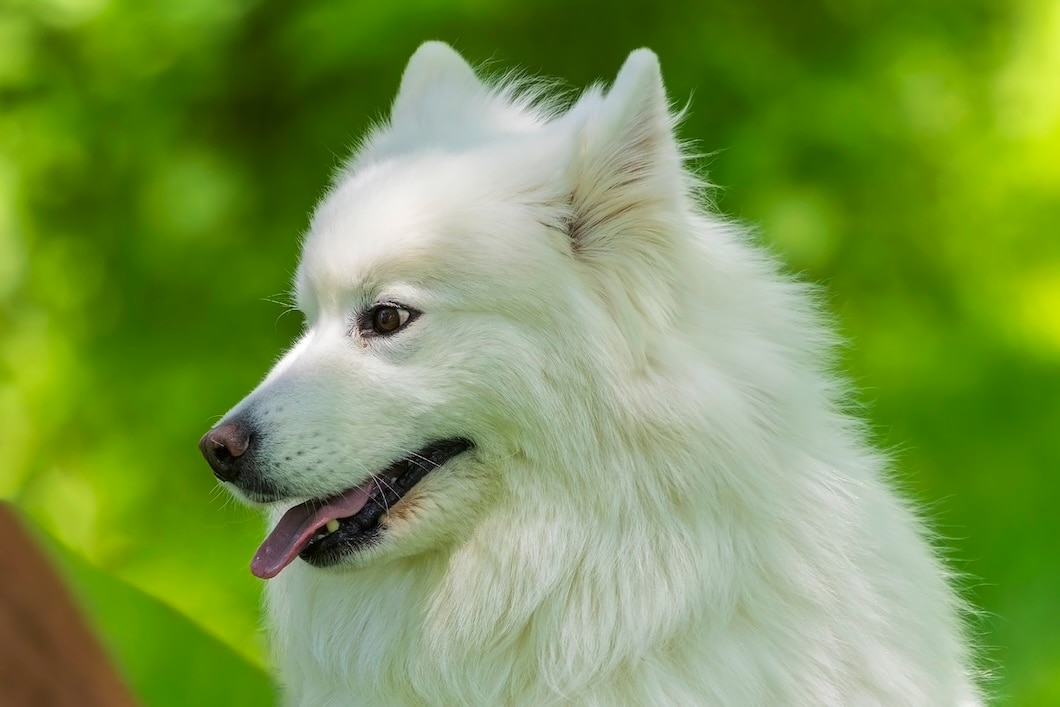
Photo by Karel Bock/iStock via Getty Images
American Eskimo Dogs and Samoyeds share more similarities than differences as far as looks are concerned. Both are fluffy dogs with white fur, dark eyes and noses, and a plumed tail.
The easiest way to tell these two breeds apart is by their size. A typical Samoyed is considerably larger than the average American Eskimo Dog. Samoyeds stand 19–23.5 inches tall and weigh 35–65 pounds.
American Eskimo Dogs come in three sizes: toy, miniature, and standard.
- Toy Eskies stand 9–12 inches tall and weigh 6–10 pounds
- Miniature Eskies stand 12–15 inches tall and weigh 10–20 pounds
- Standard Eskies stand 15–19 inches tall and weigh 25–35 pounds
Personality
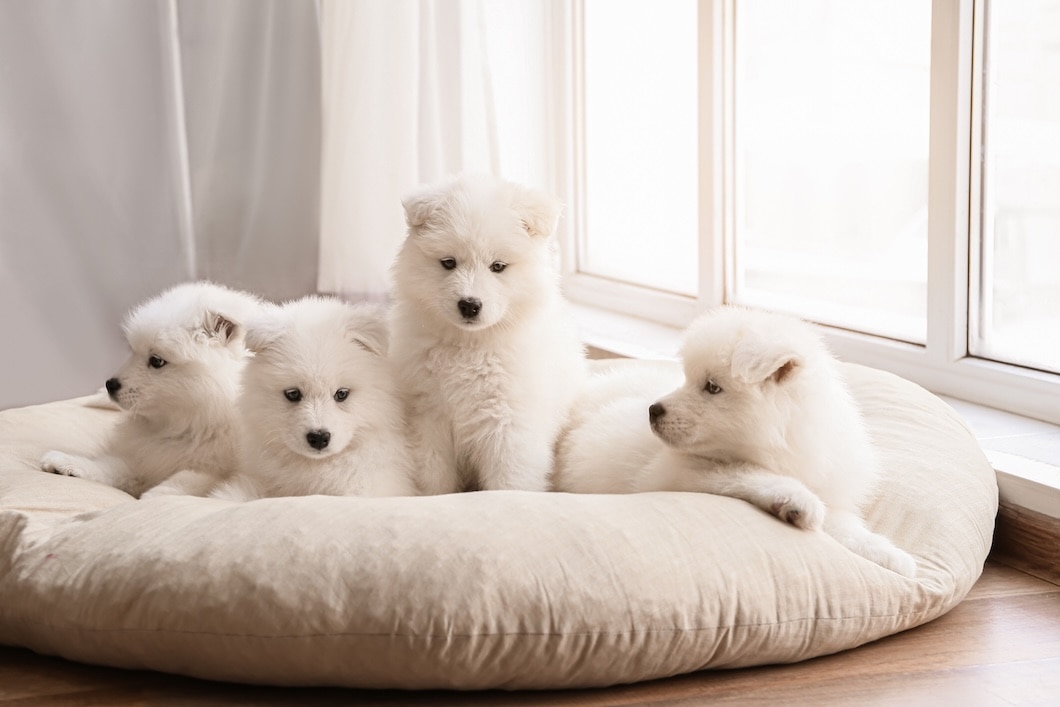
Photo by Adobe/Pixel-Shot
Both breeds are affectionate and enjoy spending time with their families.
American Eskimo Dogs are bright, energetic, and eager to learn. They thrive when given opportunities to practice training, puzzle games, and canine sports. Because they form close bonds with their families, they prefer being involved in daily activities rather than spending long hours alone.
Recommended Products


Samoyeds are friendly, outgoing, and—like American Eskimo Dogs—are happiest when they’re part of family life. They generally greet familiar people—and often strangers—with enthusiasm, especially when socialized from an early age.
Like many working breeds, Samoyeds were bred to think independently while performing their jobs. Consistency, patience, and positive reinforcement help keep training sessions productive and fun.
Exercise Needs
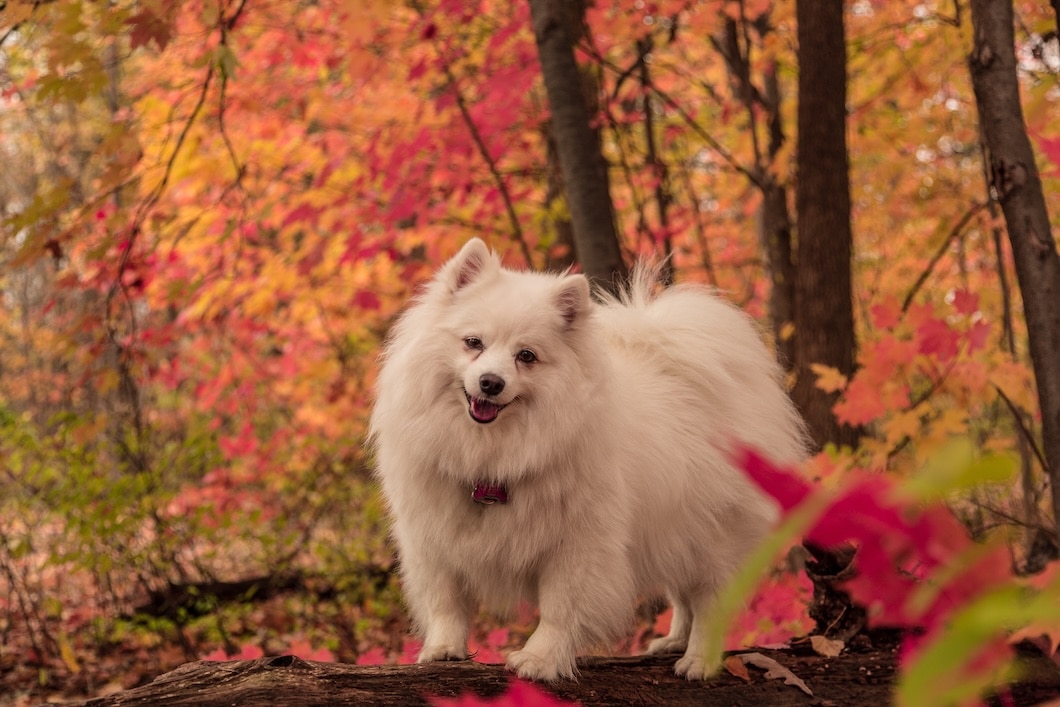
Photo by Adobe/Lisa
These breeds both enjoy physical activity, but the amount they need to thrive differs a bit.
American Eskimo Dogs should get 30–60 minutes of daily exercise, depending on their size and age. Favorite activities include:
Mental stimulation is just as important as physical activity for this highly intelligent breed.
Recommended Products

Samoyeds need slightly more exercise than Eskies—ideally one to two hours daily to stay physically and mentally satisfied. Samoyeds often enjoy:
Without enough activity, this energetic working breed may become bored and invent their own entertainment, which you probably won’t enjoy so much.
Grooming
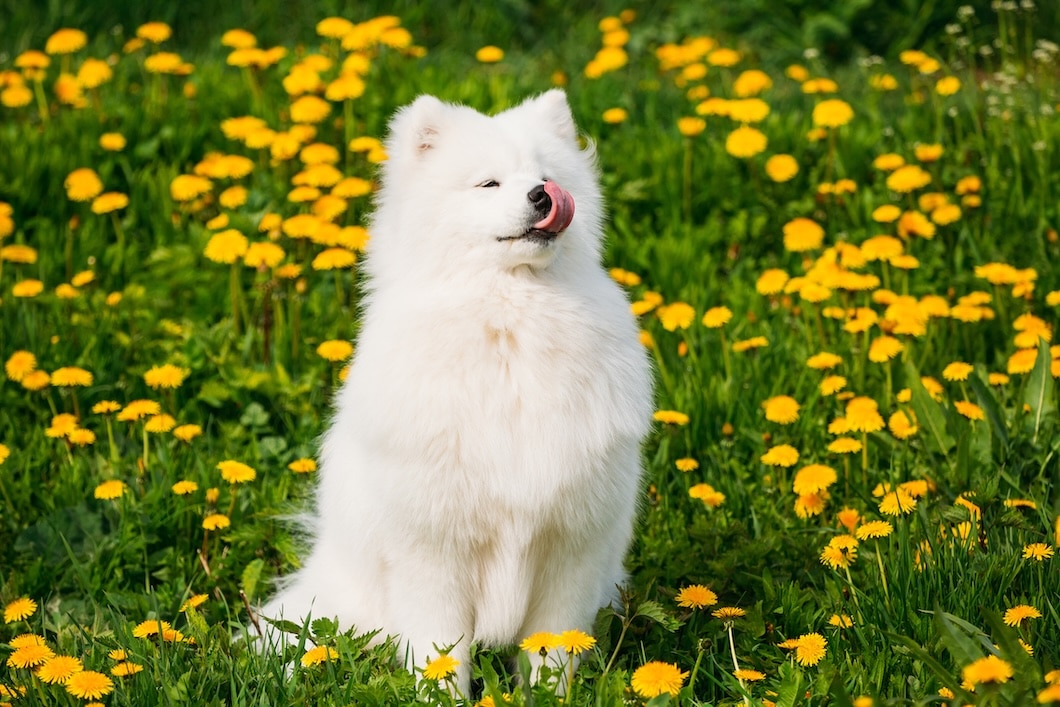
Photo by Adobe/Great Brut Here
If low-maintenance grooming is your priority, neither of these breeds is likely to be the best fit.
Both dogs must be brushed at least two to three times a week with a slicker brush and steel comb to remove loose hair and prevent mats. During seasonal coat blows, daily brushing may be needed to reduce shedding. An undercoat rake comes in handy during these heavy-shedding periods.
Recommended Products



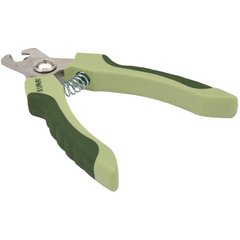
Like most dogs, both breeds benefit from regular nail trims; dental care such as teeth brushing and professional cleanings; and occasional baths with a dog-specific shampoo. Your veterinarian may also recommend ear cleaning to help prevent infections.
Recommended Products



Health
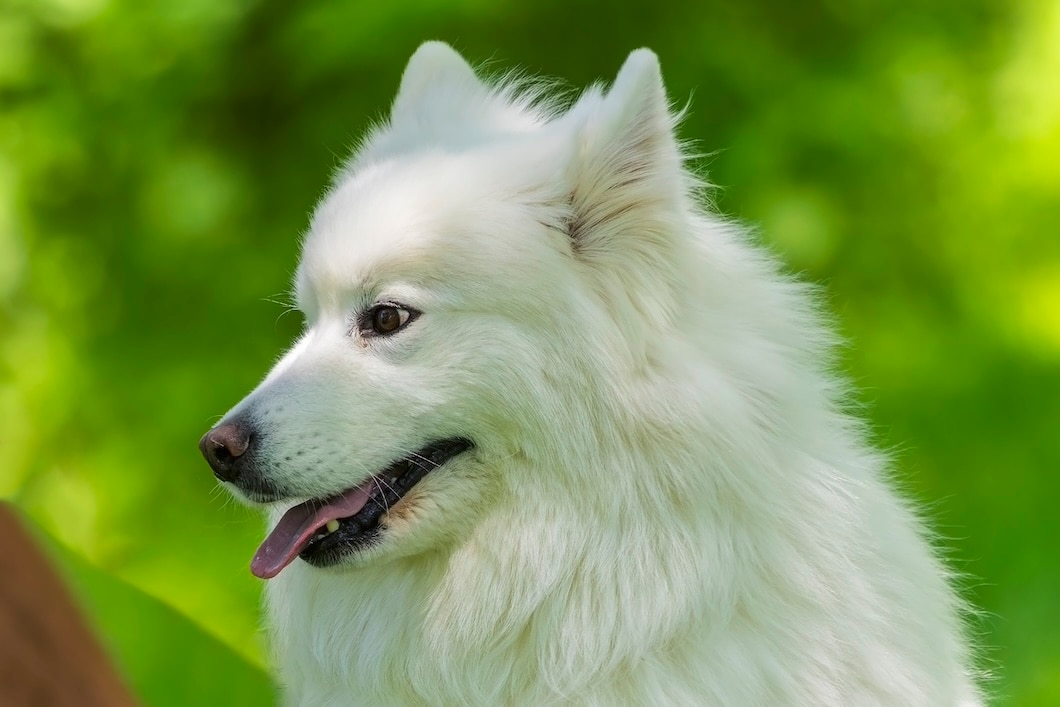
Photo by Adobe/SuperStock
Responsible breeders screen breeding dogs to reduce the risk of inherited diseases, but both breeds can still develop certain health conditions.
Potential health concerns for both American Eskimo Dogs and Samoyeds include:
- Cataracts: Can cause vision loss; surgery may be recommended when vision is significantly affected.
- Hip problems: Samoyeds are prone to hip dysplasia while American Eskimo Dogs are more likely to develop Legg-Calve-Perthes disease. Both conditions can cause pain, arthritis, and mobility issues. Treatment may include weight management, medication, physical therapy, or surgery.
- Progressive retinal atrophy (PRA): An inherited eye disease that gradually causes blindness. There’s no cure, but affected dogs typically adapt well.
- Diabetes mellitus: Dogs with diabetes typically don’t produce normal amounts of insulin, leading to abnormally high blood sugar, increased thirst and urination, and weight loss. Treatment usually involves dietary management and insulin injections.
American Eskimo Dogs can also develop patellar luxation, a hereditary condition where the kneecap slips out of place. Mild cases may be managed with weight management, physical therapy, medication, or joint supplements, while severe cases may require surgery.
Samoyeds are predisposed to a handful of additional health conditions:
- Elbow dysplasia: An inherited joint disorder that may require medication, physical therapy, or surgery.
- Pulmonic stenosis: A congenital heart defect that can cause exercise intolerance and may be treated with medication or surgery.
- Hypothyroidism: An underactive thyroid that causes symptoms such as lethargy, weight gain, and hair loss; it’s managed with daily medication.
- Samoyed hereditary glomerulopathy: An inherited kidney disease that can lead to kidney failure and has no cure.
- Uveodermatologic syndrome: An autoimmune disorder affecting the eyes and skin that’s typically treated with immunosuppressive medications.
Reputable breeders screen their dogs for many of these conditions and register the results with the Canine Health Information Center.
Which Is the Breed for You?
| Breed | Size | Lifespan | Exercise Needs | Grooming Needs | Health Considerations |
|---|---|---|---|---|---|
| American Eskimo Dog | 9–19 inches; 6–35 pounds | 13–15 years | 30–60 minutes daily | Brush two to three times weekly; heavier grooming during shedding | Average |
| Samoyed | 19–23.5 inches; 35–65 pounds | 12–14 years | 1–2 hours daily | Brush two to three times weekly; heavier grooming during shedding | Average |
If you’re looking for a smaller dog who loves learning tricks, participating in dog sports, and fits comfortably into a variety of living situations, the American Eskimo Dog may be your ideal companion. Their intelligence and enthusiasm make training especially rewarding, provided they receive enough mental stimulation and family interaction.
If you have the time and energy for a larger working breed who thrives on outdoor adventures, the Samoyed could be an excellent match. Their friendliness, athleticism, and striking coat make them wonderful companions for active pet parents who don’t mind committing to regular grooming.
No matter which breed you choose, both flourish with positive reinforcement training, plenty of companionship, regular veterinary care, and families who appreciate their intelligence, beauty, and affectionate nature.
Attributions